
Many anglers say that the Lindy rig is one of the most reliable fishing rigs ever made. If you fish for walleye, perch, or bass in freshwater lakes and rivers, you’ve probably heard the name. This rig is famous because it helps present live bait in a natural way, covering large areas without spooking fish. But for beginners, tying a Lindy rig can feel confusing. There are sinkers, swivels, beads, hooks, and leader lines—get one step wrong, and you might miss your best catch.
This guide will teach you, step by step, how to tie a Lindy rig. You’ll also learn why each part matters, how to pick the right components, and what mistakes to avoid. Whether you want to catch your first walleye or fine-tune your presentation, this article will give you complete confidence.
What Is A Lindy Fishing Rig?
A Lindy rig is a fishing setup designed to present live bait (like minnows or nightcrawlers) near the bottom, where many freshwater fish feed. It keeps the bait moving naturally as you drift or troll your boat, making it look more like real prey.
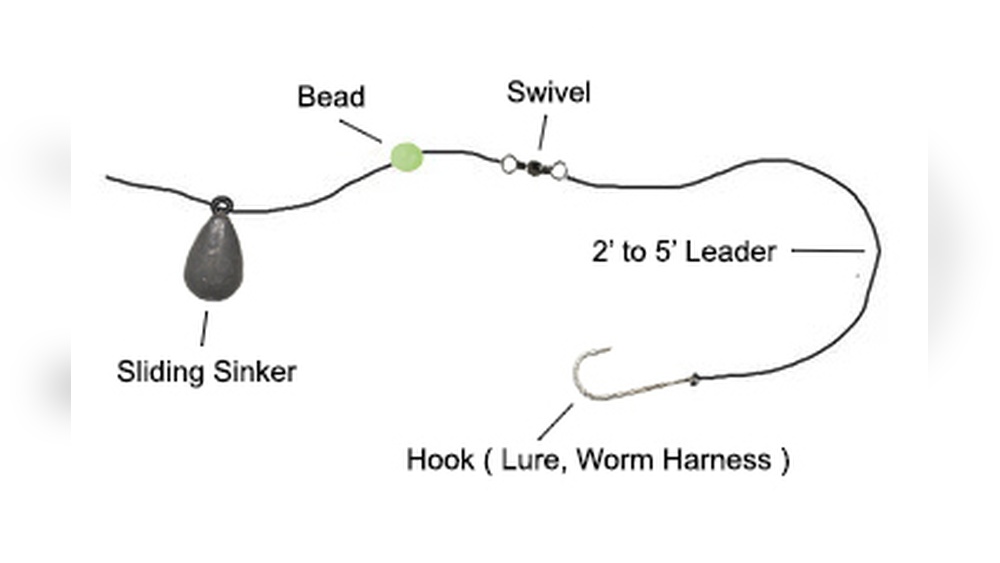
The main components are:
- Sliding sinker: Lets the line move while keeping the bait near the bottom.
- Bead: Protects the knot from the sinker.
- Swivel: Stops line twist.
- Leader line: Keeps the bait away from the main line.
- Hook: Holds the live bait.
Invented in the late 1960s by Ron Lindner, Al Lindner, and Nick Adams, the Lindy rig changed how anglers fish for walleye. It’s now a standard setup used all over North America.
Why Use A Lindy Rig?
The Lindy rig is popular for several reasons:
- Natural bait action: The sliding sinker lets the bait move freely. Fish feel less resistance, so they’re more likely to bite.
- Covers more water: You can drift or troll and present bait over a wide area.
- Bottom contact: Perfect for fish that feed close to the bottom, like walleye.
- Customizable: Change sinker weight, leader length, or hook size for different conditions.
Many professional anglers use the Lindy rig during tournaments, especially when fish are inactive or picky. It’s not just for experts—once you learn how to tie it, even beginners can catch more fish.

Credit: www.flickr.com
Essential Parts Of A Lindy Rig
Before you start tying, gather these basic items:
- Main line: Usually 8–12 lb test monofilament or fluorocarbon.
- Sliding sinker (Lindy sinker or egg sinker): 1/4 to 1 oz, depending on depth and current.
- Plastic bead: Small, round, and usually red or orange.
- Swivel: Size 10–14 barrel swivel.
- Leader line: 6–10 lb test monofilament or fluorocarbon, 18–48 inches long.
- Hook: Size 2–6 octopus or bait-holder hook.
You can buy pre-made Lindy rig kits, but tying your own lets you adjust each part for your fishing style.
Step-by-step Guide: How To Tie A Lindy Rig
Let’s break down the process into clear steps. You’ll find that after a few tries, it becomes second nature.
Step 1: Slide The Sinker On The Main Line
Start with your main fishing line coming from your rod and reel.
- Take a sliding sinker (egg sinker or Lindy sinker).
- Thread the main line through the hole in the center of the sinker.
- Let the sinker slide freely up and down the line.
This sliding action is the “magic” of the Lindy rig. When a fish bites, it can pull the bait without feeling the weight of the sinker.
Step 2: Add A Bead
Next, take a small plastic bead (usually 4–6 mm).
- Thread the bead onto the main line after the sinker.
- The bead will sit right against the sinker.
The bead protects the knot you’ll tie next. Without it, the heavy sinker can damage the knot and cause break-offs.
Step 3: Tie On A Swivel
Now, tie a barrel swivel to the end of your main line.
- Use a strong knot, like the improved clinch knot or Palomar knot.
- Pull the knot tight and trim the tag end.
The swivel stops the sinker and bead from sliding further. It also prevents line twist, which can happen when your bait spins in the water.
Step 4: Prepare The Leader Line
Cut a piece of leader line (usually 18–48 inches long).
- For clear water, use a longer leader (up to 4 feet).
- For stained water or rocky bottoms, go shorter (18–24 inches).
Tie one end of the leader to the free end of the swivel. Again, use a strong knot.
Step 5: Tie On The Hook
At the other end of the leader, tie your hook.
- Use a size 2–6 hook, depending on bait size and target fish.
- The snell knot or improved clinch knot works well.
Make sure the hook is sharp and the knot is secure.
Step 6: Bait The Hook
Thread a live minnow, leech, or nightcrawler onto the hook.
- For minnows: Hook through the lips or just behind the dorsal fin.
- For nightcrawlers: Thread part of the worm onto the hook, leaving the tail free.
- For leeches: Hook through the sucker end.
The bait should move naturally in the water.
Step 7: Double-check Everything
Before you cast, check:
- The sinker slides freely.
- The knot is not damaged by the bead.
- The leader is the right length and knot is secure.
- The hook is sharp and baited correctly.
You’re now ready to fish with your Lindy rig.
Choosing The Right Components For Your Lindy Rig
Picking the best parts for your Lindy rig depends on where and how you fish. Here’s a closer look at each part:
Main Line
- Monofilament is popular for beginners. It stretches and absorbs shock.
- Fluorocarbon is nearly invisible underwater, good for clear water.
- 8–12 lb test is standard for walleye and perch.
Tip: Don’t use braided line for Lindy rigs unless you add a mono or fluoro leader, since braid is more visible and doesn’t stretch.
Sliding Sinker
- Egg sinkers are most common and cheap.
- Lindy No-Snagg sinkers are shaped to avoid snags in rocks and weeds.
- Use 1/4 oz for shallow water, up to 1 oz for deep water or strong current.
Heavier sinkers keep your rig on the bottom, but too much weight makes the bait look unnatural.
Plastic Bead
- Use a bead large enough to protect the knot but not so big it scares fish.
- Bright colors (red or orange) can attract fish, but clear or neutral beads are better in clear water.
Swivel
- Size 10–14 barrel swivels are strong and small.
- A good swivel prevents line twist, which is important when drifting or trolling.
Leader Line
- 6–10 lb test monofilament or fluorocarbon.
- Clear water: Use thinner, longer leaders.
- Murky water or rocky areas: Go heavier and shorter to prevent break-offs.
Hook
- Size 2–6 octopus or bait-holder hooks are standard for walleye.
- Use bigger hooks for large minnows, smaller hooks for leeches or worms.
- Always use sharp hooks for better hook-sets.
Lindy Rig Variations
Anglers have created many variations of the original Lindy rig to handle different conditions. Here are a few:
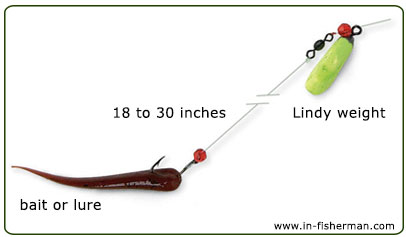
- Floating Lindy Rig: Add a small foam float near the hook to lift the bait off the bottom. Helps in weedy areas.
- Double Hook Lindy Rig: Use two hooks in tandem for long worms or big minnows.
- Snell Hook Lindy Rig: Ties the hook with a snell knot, improving hook-up rates.
- Spinner Lindy Rig: Add a small blade or spinner in front of the hook for extra flash and vibration.
- Slip Bobber Lindy Rig: Combines a Lindy rig with a slip bobber for fishing over weeds or rocks.
Each variation has its place. For example, a floating Lindy rig works well in summer when fish suspend just off the bottom.
Credit: www.vtfishandwildlife.com
When And Where To Use A Lindy Rig
The Lindy rig shines in specific situations:
- Spring and early summer: Fish are close to shore and feeding near the bottom.
- Rocky or sandy bottoms: The sliding sinker stays above snags.
- Drifting or slow trolling: The rig covers lots of water.
- When fish are finicky: The natural bait action triggers more bites.
In deep lakes, use heavier sinkers and longer leaders. In rivers with strong current, keep the leader short for better control.
Step-by-step Example: Tying A Lindy Rig For Walleye
Let’s say you’re fishing for walleye in a 20-foot deep lake. Here’s how you’d tie a rig:
- Use a 10 lb test monofilament main line.
- Slide a 1/2 oz egg sinker onto the main line.
- Add a 5 mm red plastic bead.
- Tie on a size 12 barrel swivel with an improved clinch knot.
- Cut a 30-inch piece of 8 lb test fluorocarbon leader.
- Tie one end to the swivel, the other to a size 4 octopus hook.
- Hook a live minnow through the lips.
This rig keeps your bait near the bottom and lets the minnow swim naturally. If you’re drifting along a drop-off, just let out more line until you feel the sinker tap the bottom.
Common Mistakes And How To Avoid Them
Even experienced anglers make mistakes with Lindy rigs. Here are some you can easily avoid:
- Using too heavy a sinker: The bait will drag, look unnatural, and spook fish.
- Leader too short or too long: Short leaders (under 18″) may not look natural; long leaders (over 48″) are hard to cast and control.
- Old or dull hooks: Missed hook-sets mean lost fish.
- Weak knots: A poorly tied knot will break during a fight.
- Wrong bead size: Too small won’t protect the knot; too big scares fish.
Pro tip: Always check your line for nicks or abrasion after each fish or snag.
Practical Tips For Success
Here are some non-obvious tricks that can make your Lindy rig fishing better:
- Vary your speed: Sometimes a slow drift works, but on tough days, a slightly faster drift triggers more bites.
- Hold the rod steady: Let the bait do the work. Too much rod movement can look unnatural.
- Use scent or flavor: If you must use artificial baits, dip them in scent for extra attraction.
- Watch your line: When you feel a tap, give the fish a moment before setting the hook. With live bait, fish often “mouth” the bait first.
- Replace leader often: After several fish or snags, cut and retie your leader to avoid surprise break-offs.
How The Lindy Rig Compares To Other Rigs
Here’s a quick comparison between the Lindy rig and two other popular rigs: the bottom bouncer and the Carolina rig.
| Rig | Main Use | Bait Action | Best For |
|---|---|---|---|
| Lindy Rig | Sliding live bait | Natural, free-moving | Walleye, perch |
| Bottom Bouncer | Dragging over rocks | Steady, less natural | Walleye in rocks |
| Carolina Rig | Artificial soft plastics | Dragging, thumping | Bass in cover |
The Lindy rig stands out for delivering live bait naturally, especially in clear or pressured waters.
Lindy Rig Sinker Sizes: Quick Reference
Choosing the right sinker weight is important. Here’s a handy guide:
| Water Depth | Current Strength | Recommended Sinker Weight |
|---|---|---|
| 5–10 feet | Light | 1/4 oz |
| 10–20 feet | Moderate | 3/8–1/2 oz |
| 20–40 feet | Strong | 3/4–1 oz |
Always use the lightest sinker that keeps your bait near the bottom.

Credit: magroadvogados.com
Leader Length: What Works Best?
Leader length is often debated among anglers. Here’s a breakdown:
- Short leader (18–24″): Better for strong current or heavy cover.
- Medium leader (24–36″): Good all-around choice for most lakes.
- Long leader (36–48″): Best for clear water or finicky fish.
Insight: In bright sunlight, longer leaders and lighter line can make a big difference, since fish are more cautious.
Bait Choices For Lindy Rigs
Different fish prefer different baits. Here are the top options:
- Minnows: Best for walleye and perch. Hook through lips or back.
- Nightcrawlers: Excellent for walleye, perch, and bass. Threaded or hooked once.
- Leeches: Especially good in summer for walleye.
Live bait usually works best, but in some regions, soft plastic worms or imitation leeches also catch fish.
Advanced Lindy Rig Tactics
Once you master the basics, try these advanced tactics:
- Stagger your drifts: Fish at different depths until you find where fish are biting.
- Try colored hooks or beads: In stained water, chartreuse or orange can attract more bites.
- Use a stinger hook: If fish are short-striking your bait, add a small hook behind the main hook.
Extra tip: In tournaments, some anglers use fluorocarbon leaders for extra invisibility, especially on pressured lakes.
Safety And Conservation
Practice safe and ethical fishing:
- Handle fish gently; use barbless hooks if you plan to release them.
- Don’t leave line or tackle in the water.
- Follow all local fishing rules, including bait restrictions.
Catch-and-release works well with Lindy rigs since fish are usually hooked in the mouth.
Resources For Further Learning
If you want to see videos or diagrams, the original Lindy rig creators offer tutorials and advice. For more details on knots, baiting methods, and walleye behavior, visit the Wikipedia Lindy rig page.
Frequently Asked Questions
How Do I Know What Size Sinker To Use On A Lindy Rig?
Choose the lightest sinker that keeps your bait near the bottom. In shallow water or calm conditions, 1/4 oz works well. In deep water or strong current, use up to 1 oz. The key is to feel the sinker tap the bottom without dragging.
Can I Use Artificial Bait With A Lindy Rig?
Yes, you can use artificial soft plastics like worms or leeches. However, live bait usually works better because the Lindy rig is designed to present it naturally. If you use artificial bait, add scent to attract fish.
What Knot Should I Use To Tie The Hook?
The improved clinch knot and snell knot are both good choices. The snell knot is especially strong and keeps the hook in the right position for better hook-sets.
How Do I Avoid Getting Snagged With A Lindy Rig?
Use a no-snag (banana-shaped) sinker and keep your line at a 45-degree angle to the water. If you feel the rig start to snag, lift the rod tip slightly and let the sinker bounce free.
What’s The Best Time Of Year To Use A Lindy Rig?
Spring and early summer are the best times, especially when fish are feeding near the bottom. Lindy rigs also work well in fall when fish move deeper. Avoid using them in heavy weeds or thick cover.
Learning how to tie and use a Lindy rig opens up a world of fishing opportunities. Whether you’re on a quiet lake at sunrise or drifting along a river channel, this classic rig helps you catch more fish and enjoy the adventure.
The more you experiment with different components, leader lengths, and baits, the more confident you’ll become. With a little practice, the Lindy rig will become one of your go-to fishing techniques.