
Fishing is a skill that blends patience, the right tools, and a bit of science. One tool that often sparks curiosity among both beginners and seasoned anglers is the flasher. If you’ve ever wondered why some fishermen seem to attract more fish, even on slow days, there’s a good chance a flasher is part of their secret. Flashers play a special role in fishing, especially in certain types of waters and for specific fish species. But what are flashers, how do they work, and why are they so effective? Let’s dive into the world of fishing flashers and discover how these simple devices can make a big difference in your fishing results.
What Is A Flasher In Fishing?
A flasher is a device used in fishing to attract fish. It is usually made of shiny metal or plastic, shaped like a flat blade or oval. When pulled through water, it spins or wobbles, reflecting light and sending vibrations. This mimics the movement and flash of baitfish, which draws the attention of predatory fish. While flashers are mostly used in trolling, they are also found in ice fishing and deep-sea fishing setups.
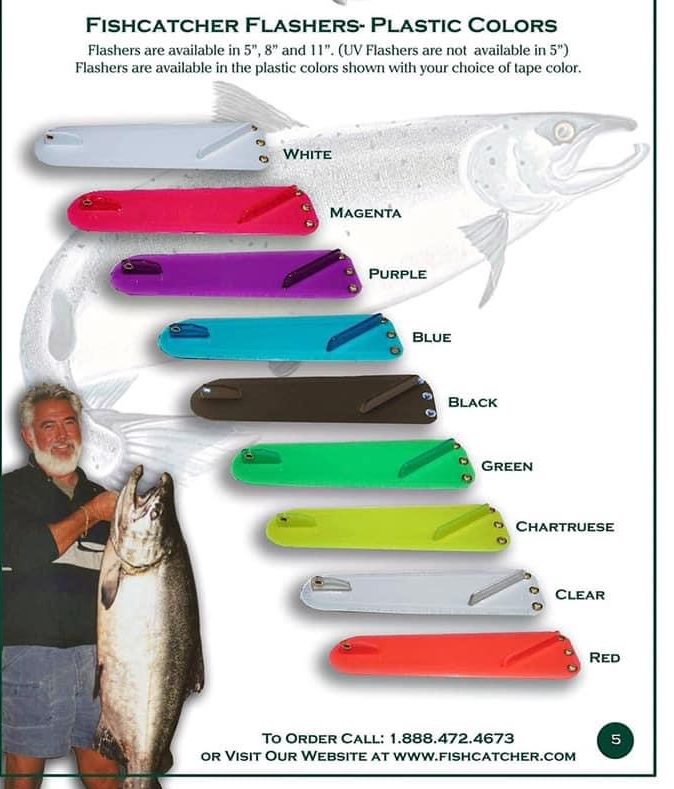
Flashers often come in bright colors, chrome finishes, or with holographic tape to enhance their ability to catch light. You’ll find them in different sizes, each designed for specific fishing situations. Anglers attach a flasher to their line, usually ahead of the lure or bait, to increase their chances of getting a bite.
Why Are Flashers Used In Fishing?
To understand the value of flashers, it helps to know how fish hunt. Most predatory fish rely on sight and sound to find food. In clear water, light reflections catch their attention. In murky water, vibrations help them locate prey.
Flashers are designed to trigger both these senses.
Here’s why anglers use flashers:
1. Attracting Fish From Far Away
Flashers create visible flashes of light and vibrations, which can be seen and felt by fish over long distances. This is especially important in deep or cloudy waters where visibility is low.
2. Mimicking Baitfish
The spinning or wobbling action of a flasher is similar to how a school of small baitfish moves. Predators think there’s food nearby and come closer.
3. Triggering Aggressive Strikes
When fish see the sudden flash and movement, it can cause them to react quickly. Even if they’re not hungry, the commotion can trigger a strike out of instinct.
4. Improving Catch Rates
Many anglers notice more bites when using flashers, especially for species like salmon, trout, and lake trout. The increased visibility and attraction simply bring more fish to your lure.
Types Of Fishing Flashers
Flashers aren’t one-size-fits-all. Over the years, many different types have been developed for specific situations. Here are the main types you might come across:
Rotary (inline) Flashers
These are long, flat blades, often 8 to 11 inches, that spin in a full circle as they move through the water. They are often used for salmon trolling in the ocean and Great Lakes. Popular brands include Pro-Troll and Hot Spot.
Dodger Flashers
Dodgers are similar to rotary flashers but don’t spin. Instead, they wobble from side to side, creating a slower, wider action. This makes them good for trolling at slower speeds and for certain lures that work better with a gentle movement.
Mini Or Micro Flashers
These are smaller versions, usually 4–6 inches, designed for trout, kokanee, or smaller freshwater fish. They offer the same attraction but in a more subtle way.
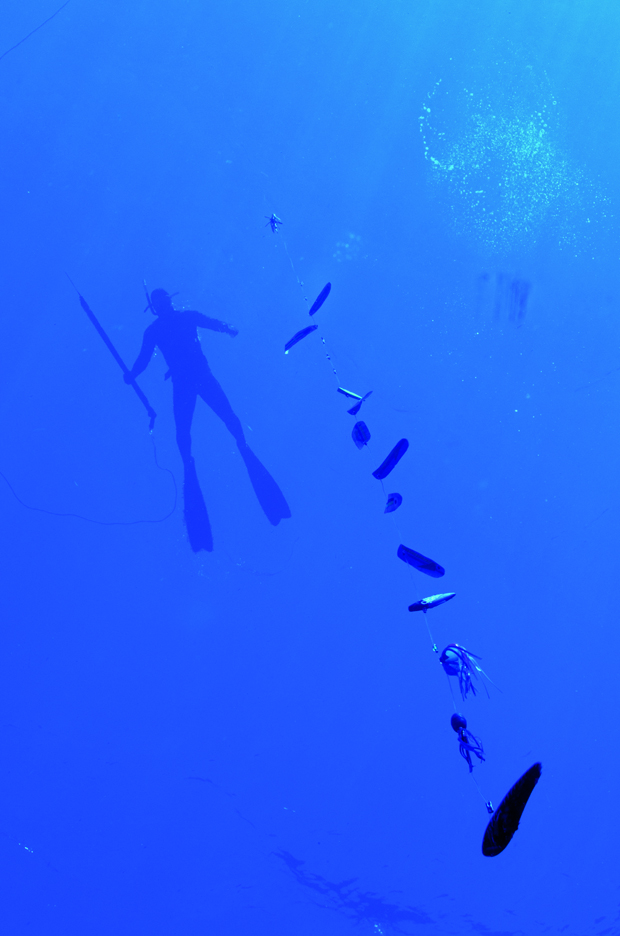
Gang Trolls (lake Trolls)
A gang troll is a series of several small spinners or blades connected in a line. They create lots of flash and vibration, perfect for large lakes where attracting fish from a distance is important.
Ice Fishing Flashers
Not to be confused with electronic sonar flashers, ice fishing flashers in this context are small, vertical blades or spoons that jig up and down beneath the ice to attract fish in cold, dark conditions.
How Flashers Work: The Science Behind The Attraction
Flashers are simple, but their design is based on how fish sense their environment. Here’s how they work:
- Light Reflection: The shiny surface of a flasher catches and reflects sunlight or artificial light, making flashes that are visible underwater. Fish see these flashes and may mistake them for the scales of baitfish.
- Vibration and Movement: As the flasher moves, it wobbles, spins, or shakes, sending out vibrations. Fish have a special line of sensory cells, called the lateral line, which detects these vibrations. This helps fish locate the source, even in the dark or murky water.
- Color and Contrast: Bright colors or UV-reflective finishes on flashers help them stand out, even in deep water where light is limited.
- Sound: Some flashers create a faint noise as they move, which can add to their attraction, especially for fish that rely on sound to hunt.
Comparing Flasher Types: Action And Use
To help you understand the differences, here’s a comparison of the main flasher types:
| Type | Action | Best For | Common Sizes |
|---|---|---|---|
| Rotary (Inline) | Full rotation, fast spin | Salmon, deep trolling | 8-11 inches |
| Dodger | Side-to-side wobble | Trout, slower trolling | 6-8 inches |
| Mini/Micro | Subtle spin or wobble | Kokanee, small trout | 4-6 inches |
| Gang Troll | Multiple flashes, vibration | Large lakes, long-range attraction | 18-36 inches (overall) |
Credit: fishcatcher.com
When And Where To Use Flashers
Flashers are not always the best choice. Knowing when and where to use them can make your fishing trips much more successful.
Best Conditions For Flashers
- Deep Water: In lakes and oceans, where light fades quickly, flashers help attract fish from the depths.
- Low Visibility: Murky, stained, or rough water reduces visibility. Flashers cut through the darkness and silt.
- Trolling: Flashers work best when moving, making them ideal for trolling from boats or kayaks.
- Targeting Schooling Predators: Salmon, trout, walleye, and lake trout respond well to the action of flashers.
Situations Where Flashers May Not Help
- Very Clear, Shallow Water: Here, fish can be easily spooked by too much flash or unnatural movement.
- Slow or Stationary Fishing: Flashers need movement to work. If you’re casting and retrieving slowly, or fishing with live bait that sits still, flashers are less useful.
Setting Up And Using Flashers Effectively
Getting the most from a flasher means setting it up correctly. Here’s a step-by-step guide to help you:
1. Choose The Right Flasher Size And Type
Match the flasher to your target fish and the fishing conditions. Bigger flashers are best for salmon; smaller ones for trout or kokanee.
2. Attach The Flasher To Your Main Line
Use a ball-bearing swivel to connect the flasher to your main line. This stops line twist and allows the flasher to spin or wobble freely.
3. Add A Leader And Lure/bait
Tie a leader (18–48 inches, depending on fish species) to the other end of the flasher. Attach your lure or bait to the end of the leader.
4. Troll At The Right Speed
Most flashers work best at 1–3 mph. Too slow, and they may not spin. Too fast, and the action becomes unnatural.
5. Experiment With Colors And Depths
Don’t be afraid to try different color flashers or change your fishing depth. Sometimes a small change makes a big difference.
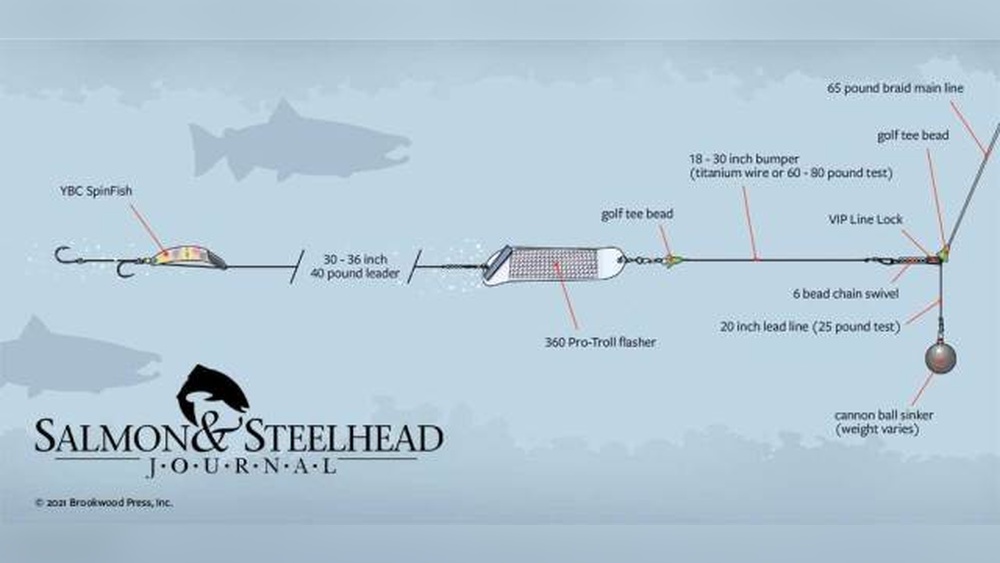
Example Setup For Salmon Trolling
- 10-inch rotary flasher
- 36-inch leader
- Hoochie (rubber squid) or cut-plug herring
- Downrigger to reach 60–120 feet deep
- Troll at 2 mph
Credit: www.floridasportsman.com
Common Fish Species Targeted With Flashers
Not all fish are attracted to flashers, but many popular game fish respond well. Here are some of the most common:
- Salmon: Both in saltwater and freshwater, especially Chinook, Coho, and Sockeye.
- Trout: Lake trout, rainbow trout, and brown trout, especially when trolling lakes.
- Kokanee: This small landlocked salmon is often caught using mini flashers.
- Walleye: In stained lakes, flashers can bring in walleye from a distance.
- Lake Whitefish: In deep lakes, flashers help attract these schooling fish.
Real-world Results: Data And Success Rates
Many anglers report a clear difference in catch rates when using flashers compared to fishing without them. In one study conducted on Lake Michigan, charter captains recorded an average 30% higher catch rate for salmon when using flashers with their trolling setups.
In British Columbia’s Fraser River, sockeye salmon catch rates increased by up to 50% during peak season when anglers used double-flasher rigs.
It’s important to note that while flashers can increase your chances, they are not magic. Fish still need to be present, and factors like lure choice, trolling speed, and water temperature matter too.
Choosing The Right Flasher: Key Factors
Picking the best flasher for your trip involves more than just grabbing the shiniest one. Here’s what you should consider:
Size And Weight
- Large Flashers: Good for deep water and big fish, but can create a lot of drag.
- Small Flashers: Less drag, better for smaller fish or lighter tackle.
Color And Finish
- Chrome/Silver: Reflects most light, good for sunny days and clear water.
- UV/Glow: Stands out in deep or stained water.
- Chartreuse, Pink, Green: These colors often work well for salmon and trout.
Action
- Rotary Action: Strong, fast flashes; best for aggressive fish.
- Wobble Action: Slower, more subtle; works for cautious fish.
Durability
Choose flashers with strong swivels and tough finishes. Cheap models may lose their shine or break after just a few uses.
Local Advice
Different lakes and rivers have local favorites. Talk to local tackle shops or guides for tips on what works best in your area.
Comparing Flasher Size And Target Species
Here’s a quick comparison to help you match flasher size to the fish you’re after:
| Flasher Size | Best For | Typical Leader Length |
|---|---|---|
| 4-6 inch | Kokanee, small trout | 12-18 inches |
| 8 inch | Rainbow trout, sockeye salmon | 18-36 inches |
| 10-11 inch | Chinook salmon, lake trout | 36-48 inches |
Common Mistakes When Using Flashers
Even experienced anglers make mistakes with flashers. Here are some to avoid:
- Wrong Speed: If you troll too fast or too slow, your flasher won’t move correctly. Always test your setup next to the boat before letting out lots of line.
- Leader Too Short or Too Long: Short leaders can spook fish; long leaders reduce action. Follow manufacturer guidelines or local advice.
- Ignoring Water Conditions: Use bright colors in deep or stained water and more natural finishes in clear water.
- Using Weak Hardware: Cheap swivels and snaps can break or cause line twist. Always use quality gear.
- Overusing Flashers: In some situations, too much flash can scare fish. If bites drop off, try a smaller flasher or none at all.
Flashers Vs. Other Attractors: What Sets Them Apart?
There are other tools, like spinners, spoons, and plugs, that also attract fish. However, flashers are unique in a few ways:
- Stronger Attraction: Flashers are bigger and brighter, so they draw fish from farther away.
- Paired with Lures/Bait: Flashers are used ahead of your main lure or bait, while spinners and spoons are usually the lure itself.
- Customizable: You can change leader length, lure type, and flasher color for different situations.
Comparing Flashers And Spinners
Here’s a simple side-by-side comparison:
| Attractor | Primary Use | Best For | Action |
|---|---|---|---|
| Flasher | Attracts, used ahead of lure | Deep trolling, salmon, trout | Spin/wobble, strong flash |
| Spinner | Main lure, direct bite | Shallower water, smaller fish | Blade spin, moderate flash |
Two Non-obvious Insights About Flashers
Most beginners focus on size and color, but there are two less-known tips that can make a difference:
- Leader Material Matters: Using fluorocarbon instead of regular monofilament for your leader can make your setup less visible and increase strikes, especially in clear water.
- Stacking Flashers: In some deep-water situations, anglers use two flashers in series (double-flasher rigs) to create even more attraction. However, this can add drag and make reeling in fish harder, so it’s best for trolling with strong gear and targeting big fish.

Credit: www.fishinbc.com
Maintenance And Care For Flashers
If you want your flashers to last and keep working well, a little care goes a long way:
- Rinse after Use: Saltwater can corrode metal parts. Rinse flashers with fresh water and dry them after each trip.
- Check for Damage: Look for cracks, dull spots, or bent blades. Replace or repair as needed.
- Store Properly: Keep flashers in a tackle box with dividers to prevent scratching and tangling.
The Evolution Of Flashers: From Simple Blades To High-tech Attractors
Early flashers were simple metal blades, often hand-made. Today’s models use advanced plastics, holographic films, and UV materials to catch more light and last longer. Some even have built-in scent pads or LED lights for night fishing. Technology has made flashers more effective, but the basic idea remains the same: use light and movement to bring fish in.
If you’re curious to see the science behind how fish respond to these visual cues, check out the research on fish behavior and sensory biology at Wikipedia.
Frequently Asked Questions
What Is The Best Speed For Trolling With Flashers?
Most flashers work best between 1. 5 and 3 mph. The exact speed depends on the flasher type and target fish. It’s a good idea to test your setup in the water next to the boat to see if the flasher spins or wobbles properly before letting out lots of line.
Can I Use Flashers For Ice Fishing?
Yes, but these are usually smaller, vertical blades designed to jig up and down. They attract fish in dark, cold water by reflecting any available light and creating movement.
Do Flashers Work In All Types Of Water?
Flashers are most effective in deep or murky water where visibility is low. In very clear, shallow water, they can sometimes spook fish, so it’s better to use smaller, more subtle attractors in those conditions.
How Do I Stop My Line From Twisting When Using A Flasher?
Always use a high-quality ball-bearing swivel at both ends of the flasher. This lets the flasher spin without twisting your main line, which can cause tangles and lost fish.
Are There Fish That Don’t Respond To Flashers?
Some species, especially those that hunt by smell or are very shy, may not react to flashers. Bottom feeders and certain panfish often ignore them. Flashers are best for active, predatory fish like salmon, trout, kokanee, and walleye.
Fishing is full of small details that make a big difference. Using flashers can change your results, especially when you match the right tool to the right situation. With a little practice, you’ll soon see why flashers have become a must-have in many anglers’ tackle boxes.
Whether you’re trolling deep lakes or chasing salmon in the ocean, understanding how and why to use flashers gives you a clear advantage on the water.