
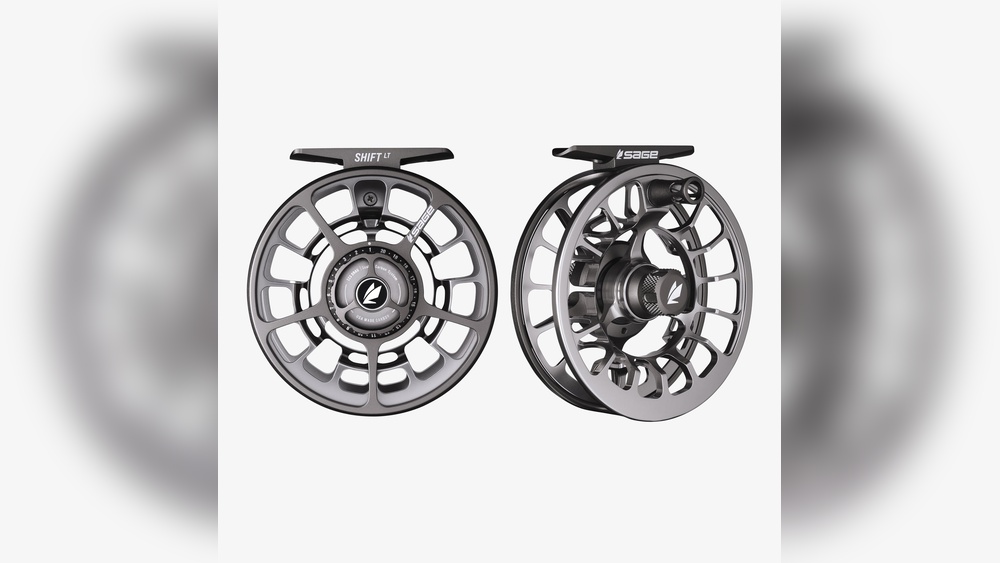
When you begin fly fishing, choosing the right reel size can feel confusing. You might see reels labeled as 5/6 or 7/8 and wonder what these numbers mean, or why they matter. The difference between a 5/6 and a 7/8 fly reel is not just about size—it’s about matching your gear to your fishing style, the fish you target, and the environments you explore. Picking the wrong reel can turn a fun day on the water into a struggle with tangled lines or lost fish. But with the right information, you can select the best fly reel for your needs and enjoy more successful, stress-free fishing.
This article will explore the key differences between 5/6 vs 7/8 fly reels. We’ll look at everything from line capacity and target species, to casting distance, reel weight, and the environments each reel is best suited for. We’ll also cover some surprising facts that many beginners miss, and answer common questions so you feel confident making your choice.
Understanding Fly Reel Numbering
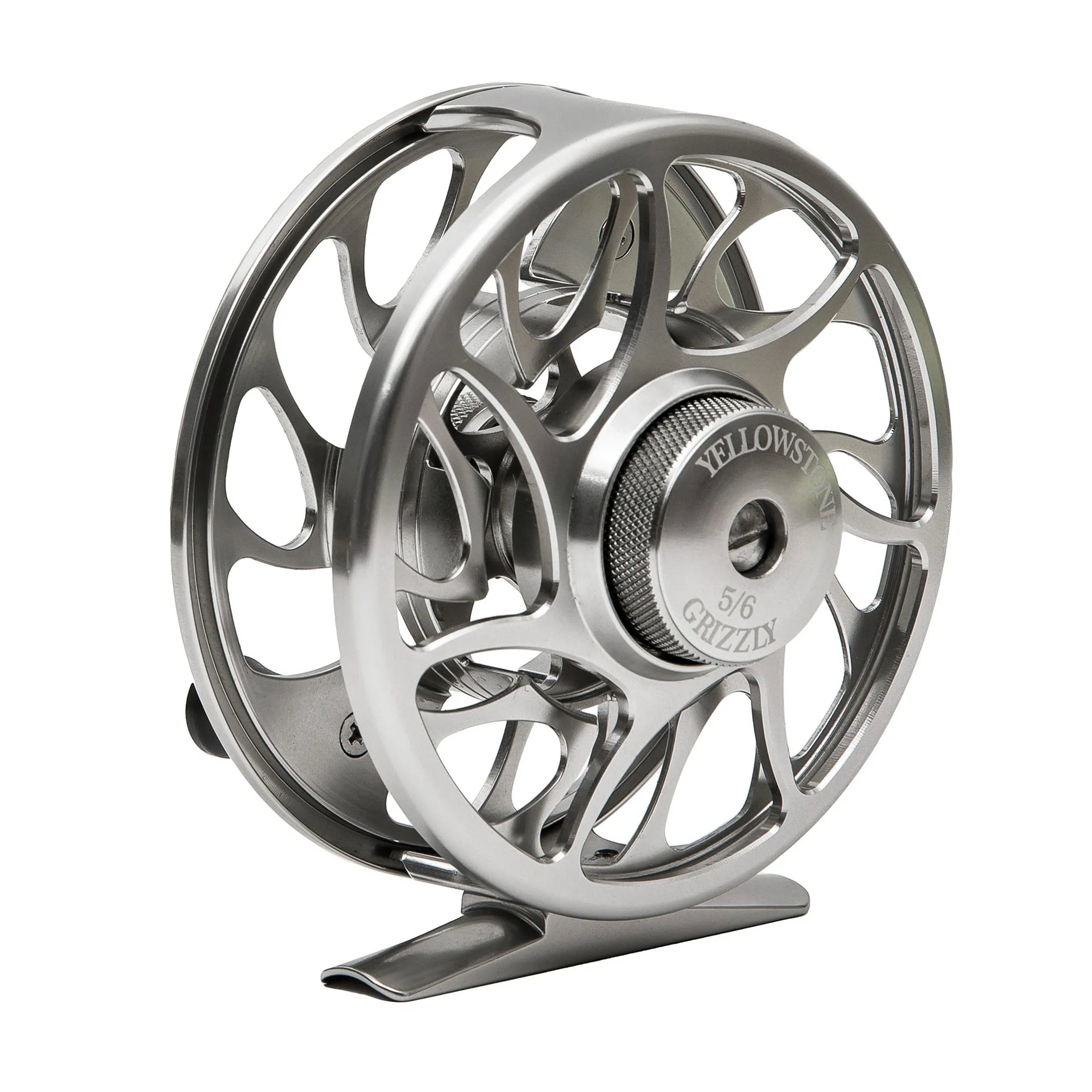
Before comparing the two reel sizes, it’s important to understand what 5/6 and 7/8 mean. These numbers refer to the weight of the fly line that the reel is designed to handle. Fly line weight is measured on a scale from 1 (ultra-light) to 14 (heavy saltwater), and each number matches a specific type of fishing.
- 5/6 fly reel: Made for 5-weight and 6-weight fly lines.
- 7/8 fly reel: Made for 7-weight and 8-weight fly lines.
The line weight affects how far you can cast, how heavy your fly can be, and how large a fish you can handle. Matching your rod, reel, and line weight ensures a balanced setup and better performance.
1. Line Capacity And Backing
One of the biggest differences between a 5/6 and a 7/8 fly reel is line capacity—how much fly line and backing the reel can hold. Backing is extra line (usually Dacron or braided) that sits under your fly line. It helps if a fish makes a long run, giving you extra length so you don’t run out of line.
5/6 Fly Reel Capacity
A standard 5/6 fly reel usually holds:
- 90-100 yards of 20 lb backing
- A 5 or 6-weight fly line (about 90 feet)
This is enough for most trout, panfish, and small bass. You’ll rarely have a fish run out more than 30-40 yards of backing in these situations.
7/8 Fly Reel Capacity
A 7/8 fly reel can hold:
- 150-200 yards of 20-30 lb backing
- A 7 or 8-weight fly line
This extra capacity is important for larger fish such as steelhead, salmon, carp, or striped bass. These species can take long, powerful runs that will test both your reel and your nerves.
Capacity Comparison
Here’s a quick overview:
| Reel Size | Backing (yards) | Line Weight | Target Species |
|---|---|---|---|
| 5/6 | 90-100 | 5 or 6 | Trout, Panfish, Small Bass |
| 7/8 | 150-200 | 7 or 8 | Steelhead, Salmon, Carp, Larger Bass |
Non-obvious insight: Many new anglers don’t realize that backing isn’t just insurance—it also fills the spool, allowing your fly line to wind evenly and retrieve more quickly.
2. Target Species And Application
Another key factor in choosing between a 5/6 and 7/8 fly reel is the type of fish you plan to catch. The size and strength of your target species will help determine which reel is right for you.
5/6 Reel: Best For Smaller Species
A 5/6 fly reel is ideal for:
- Rainbow, brown, and brook trout (8-20 inches)
- Panfish (bluegill, crappie, perch)
- Small bass (largemouth and smallmouth up to 2-3 lbs)
- Light river or stillwater fishing
These species rarely make long, hard runs, so you don’t need as much backing or as heavy a drag system. A lighter reel also makes casting all day easier, especially for beginners or those fishing small streams.
7/8 Reel: Built For Power
A 7/8 fly reel is designed for:
- Steelhead and salmon
- Large bass (over 4 lbs)
- Carp
- Pike and musky (smaller sizes)
- Saltwater species (redfish, snook, bonefish)
These fish are often larger, stronger, and found in environments where they can run far and fight hard. The 7/8 reel provides the capacity, drag, and strength you need to land them.
Application Comparison
Let’s see how these reels match common fishing situations:
| Fishing Situation | 5/6 Reel | 7/8 Reel |
|---|---|---|
| Small Rivers & Streams | Excellent | Overkill |
| Large Rivers | Good | Excellent |
| Lakes & Ponds | Very Good | Good |
| Saltwater Flats | Poor | Very Good |
| Heavy Cover/Big Flies | Poor | Excellent |
Experience tip: If you are not sure what you’ll be fishing for, a 6-weight setup (using a 5/6 reel) is the most versatile for freshwater. But if you want to target bigger fish or try saltwater, move up to a 7/8.
3. Casting Performance And Fly Selection
The weight of your reel and line isn’t just about fish size—it also affects how well you can cast different flies and handle wind.
5/6 Reel: Delicate Presentations
- Best for small to medium flies (sizes 8 to 22)
- Great for dry flies, nymphs, and light streamers
- Allows for delicate casts that don’t spook fish
- Easier for new anglers to learn fine casting techniques
The lighter setup excels at casting smaller flies gently, which is important for trout and wary fish. It’s also less tiring to cast all day.
7/8 Reel: Heavy Flies And Windy Conditions
- Handles larger, heavier flies (sizes 2 to 8, even bigger)
- Designed for streamers, bass bugs, poppers, saltwater patterns
- Cuts through wind more easily
- Lets you fish with heavier leaders and tippets
If you want to cast big streamers for bass, or throw bulky flies in the wind, a 7/8 reel gives you the muscle you need.
Performance Comparison
A practical example: On a breezy day at a large lake, a 5/6 reel and line may struggle to turn over a heavy streamer. But a 7/8 setup will punch that fly out with ease.
Non-obvious insight: The rod and line, not just the reel, are responsible for most casting performance. But an unbalanced reel can affect your rhythm and accuracy, especially if it’s much heavier or lighter than your rod.
4. Reel Weight And Balance
How a reel feels in your hand is more important than many people realize. The weight and balance of your setup can impact comfort and casting accuracy, especially during long fishing sessions.
5/6 Reel: Lightweight And Nimble
- Usually weighs 4-6 ounces
- Pairs well with lighter, shorter rods (8–9 feet)
- Less tiring to cast and carry all day
- Easier for beginners to control
A well-balanced 5/6 reel feels almost like an extension of your arm. This is perfect for fishing small streams or making many casts with little effort.
7/8 Reel: Heavier, More Sturdy
- Typically 6-9 ounces
- Designed for longer rods (9–10 feet) and heavier setups
- The extra weight helps counterbalance the rod when casting big flies
- Can feel bulky if paired with a light rod
The extra mass can actually help with accuracy when casting large flies, but may be tiring over a long day, especially for those new to fly fishing.
Balance Matters
A mismatched setup—like a heavy reel on a light rod—can make your casting less efficient and more tiring. Always try to balance your rod and reel for the most comfortable experience.
Expert tip: Try holding your rod and reel combo at the cork handle. It should balance near your index finger. If it tips forward or back, consider adjusting your reel size or adding weight.
5. Environment And Fishing Conditions
Where you fish can be just as important as what you fish for. The right reel size can help you handle the unique challenges of different environments.
5/6 Reel: Small Waters And Precision
- Perfect for creeks, streams, and small lakes
- Excels in tight quarters, where precise casts and light gear are needed
- Less likely to snag on brush and overhanging branches
- Great for wade fishing or hiking to remote spots
7/8 Reel: Big Water And Tough Conditions
- Built for large rivers, lakes, and saltwater
- Handles strong currents, wind, and waves
- More resistant to damage from sand, salt, and debris (when properly sealed)
- Necessary for boat fishing in open water, where fish can run far
Environment Comparison
| Reel Size | Best Environments | Challenging Conditions |
|---|---|---|
| 5/6 | Small rivers, creeks, ponds, close cover | Heavy wind, large open water, salt |
| 7/8 | Big rivers, lakes, coastal flats, open water | Tight brush, stealthy presentations |
Practical insight: Many anglers use both reel sizes throughout the year—smaller reels for spring creek trout, larger reels for summer bass or fall salmon. Don’t be afraid to switch as your fishing changes.
Important Factors When Choosing
Let’s highlight some common mistakes and tips for making the right choice.
Mistakes To Avoid
- Ignoring the rod: Always match your reel to your rod’s weight. A 5/6 reel on an 8-weight rod will feel unbalanced and may not perform well.
- Overestimating fish size: Many beginners buy a large reel “just in case,” but end up with a heavy, awkward setup for small trout.
- Underestimating environment: Saltwater requires corrosion-resistant reels with sealed drags, even in a 7/8 size.
- Assuming all reels are equal: Features like drag quality, spool design, and material matter as much as size.
What Matters Most
- Target species: Always start here. Think about the average size and power of fish you’ll catch most often.
- Fishing location: Small streams vs. big rivers vs. saltwater = different needs.
- Fly size: Use a heavier reel if you plan to throw big streamers or poppers.
- Rod and line matching: Your rod, reel, and line should all be within one weight of each other.
- Personal comfort: Lighter setups are easier for long days, but heavier setups may handle wind and big fish better.
Expert guidance: If you’re unsure, visit a local fly shop and try different setups. Many shops will let you cast reels and rods together to find the best fit.
Real-world Scenarios
To help you decide, let’s look at a few situations and which reel would be ideal.
Scenario 1: Mountain Trout Stream
You’re hiking to a small, crystal-clear creek full of wild trout. The fish are spooky, the water is low, and you need to make gentle, accurate casts with small dry flies.
- Best Reel: 5/6 fly reel
- Why: Light enough for precision, enough capacity for small trout, easy to carry
Scenario 2: Large Western River
You’re targeting big rainbow and brown trout in a wide river, using streamers and nymph rigs. The wind can be strong, and some fish may run hard in the current.
- Best Reel: 7/8 fly reel (or a heavy 6)
- Why: More backing, stronger drag for bigger fish, handles wind and big flies
Scenario 3: Bass Ponds And Lakes
You love chasing bass with poppers and streamers in weedy lakes, sometimes from a kayak or small boat.
- Best Reel: 7/8 fly reel
- Why: Throws big flies, controls bigger fish, extra line for long runs
Scenario 4: Coastal Flats
You’re fishing saltwater for redfish or bonefish, often in windy conditions with fast, powerful fish.
- Best Reel: 7/8 fly reel (with saltwater features)
- Why: High capacity, sealed drag, heavy enough for strong fish and long casts
Scenario 5: Mixed Bag Day
You want to fish for whatever bites—trout, panfish, maybe the occasional small bass—on a medium-size river.
- Best Reel: 5/6 fly reel
- Why: Versatile, light, fun for a variety of species
Advanced tip: Sometimes, you can use a 6-weight line on a 7/8 reel for extra capacity, but this may affect balance. Always test your setup before fishing.
Credit: jacksonholeflycompany.com
Cost And Durability Considerations
Price and build quality are important, especially if you want a reel that lasts for years.
- 5/6 reels often cost less than 7/8 reels, due to lighter materials and simpler designs.
- 7/8 reels may have stronger drags, corrosion-resistant parts, and larger frames, which can add to the price.
- For saltwater, always choose reels made from anodized aluminum or other rust-proof materials.
Data point: According to surveys, most anglers spend between $80-$250 for a reliable reel. Investing in quality can save you frustration—and money—in the long run.
For more information on fly reel materials and care, check the Fly Fishing Tackle page on Wikipedia.
When To Upgrade (or Downsize) Your Reel
Many anglers start with a 5/6 reel and upgrade as their skills and interests grow. Here are signs it’s time to change:
- You regularly lose fish because you run out of backing or your drag fails.
- You’re fishing in bigger, windier waters and need more casting power.
- You want to target new species that require heavier gear.
On the other hand, if your reel feels heavy, awkward, or you mostly fish small streams, consider switching to a lighter 5/6 setup for better comfort.
Frequently Asked Questions
What Does 5/6 And 7/8 Mean On A Fly Reel?
These numbers show the fly line weights the reel is made to handle. A 5/6 reel is for 5 or 6-weight lines, good for trout and small fish. A 7/8 reel works with 7 or 8-weight lines, better for bigger fish like bass, steelhead, and some saltwater species.
Can I Use A 7/8 Fly Reel On A 5/6 Rod?
It’s not recommended. The setup may feel unbalanced and heavy, making casting harder. Always try to match your reel, rod, and line within one weight of each other for best results.
Is A 5/6 Reel Strong Enough For Salmon?
Usually not. While a strong 6-weight can handle some small salmon, most salmon fishing needs a 7/8 reel for enough backing and drag. For serious salmon fishing, choose heavier gear.

Credit: www.ebay.com
Do I Need A Different Reel For Saltwater?
Yes, especially for 7/8 reels. Saltwater can corrode reels quickly. Look for reels made with sealed drag systems and rust-proof materials, even if you only fish saltwater sometimes.
How Important Is Drag On A Fly Reel?
Very important, especially on 7/8 reels. A smooth, strong drag helps control big fish and prevent line breakage. For trout and panfish on a 5/6 reel, a simple click drag is often enough, but for larger fish, invest in a better drag system.
—
Choosing between a 5/6 vs 7/8 fly reel is about more than numbers. It’s about the fish you want to catch, the water you fish, and the way you like to spend your time outdoors. Understanding these differences helps you build a setup that’s comfortable, effective, and enjoyable. Whether you’re casting to small trout on a quiet stream, or battling big bass and salmon in open water, the right reel will make every trip more rewarding. Remember: balance your gear, match your target species, and don’t be afraid to ask for help at your local fly shop. With the right reel, every cast can be an adventure.

Credit: farbank.com