
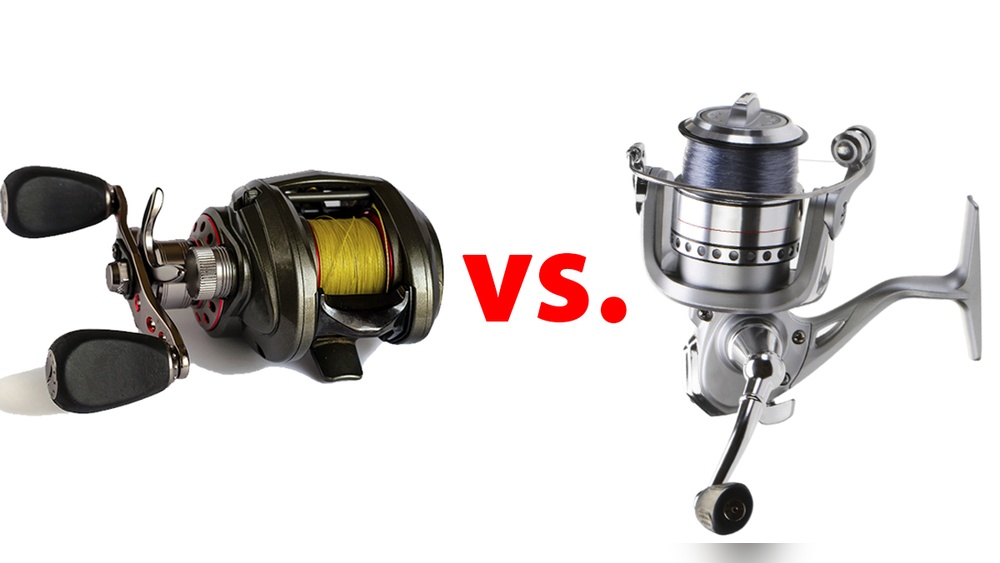
Fishing can be both relaxing and exciting, but your experience will often depend on the gear you choose—especially your reel. For many anglers, the choice comes down to two popular types: casting reels and spinning reels. Both serve the same purpose—helping you cast and retrieve your line—but they work in very different ways. Picking the right one can make your fishing trips smoother, more successful, and more fun. But which is better? There’s no single answer. It depends on your style, skills, and what you want from your time on the water.
Many beginners get confused by the differences. Even some experienced anglers don’t fully understand when to use each type. This article will clear things up. We’ll compare casting reels and spinning reels in detail, look at how they work, when to use them, and what to consider before you buy. Whether you fish in freshwater or saltwater, chase big game or small fish, you’ll find clear, practical advice here to help you decide.
What Is A Casting Reel?
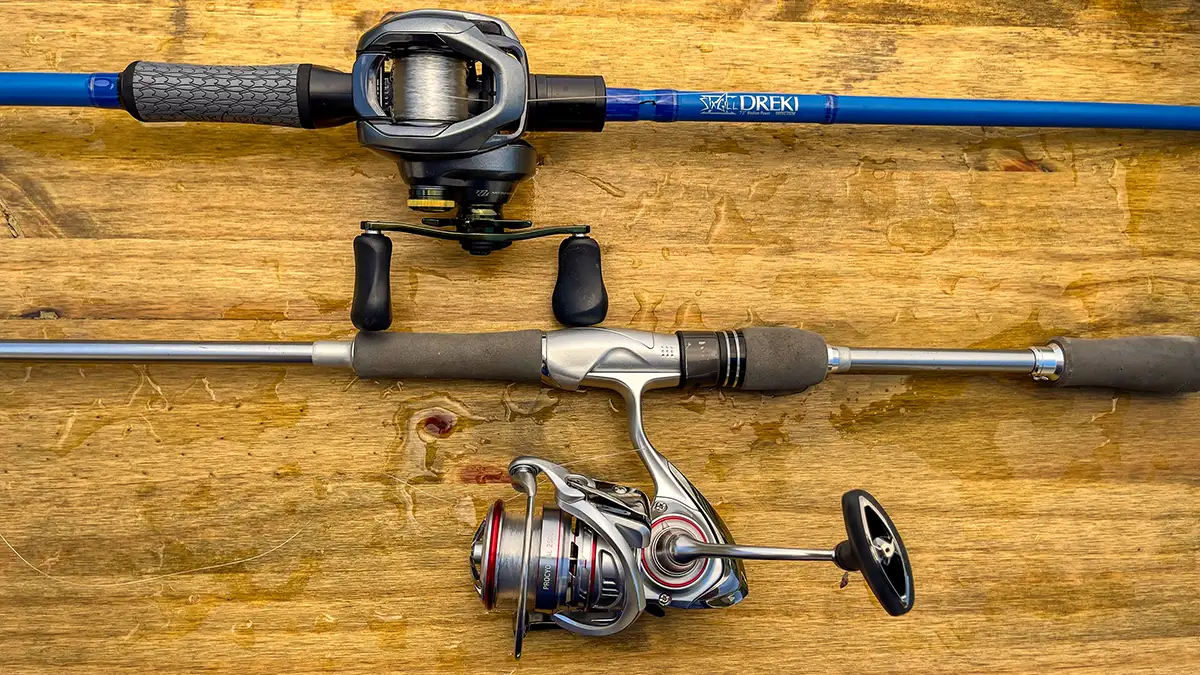
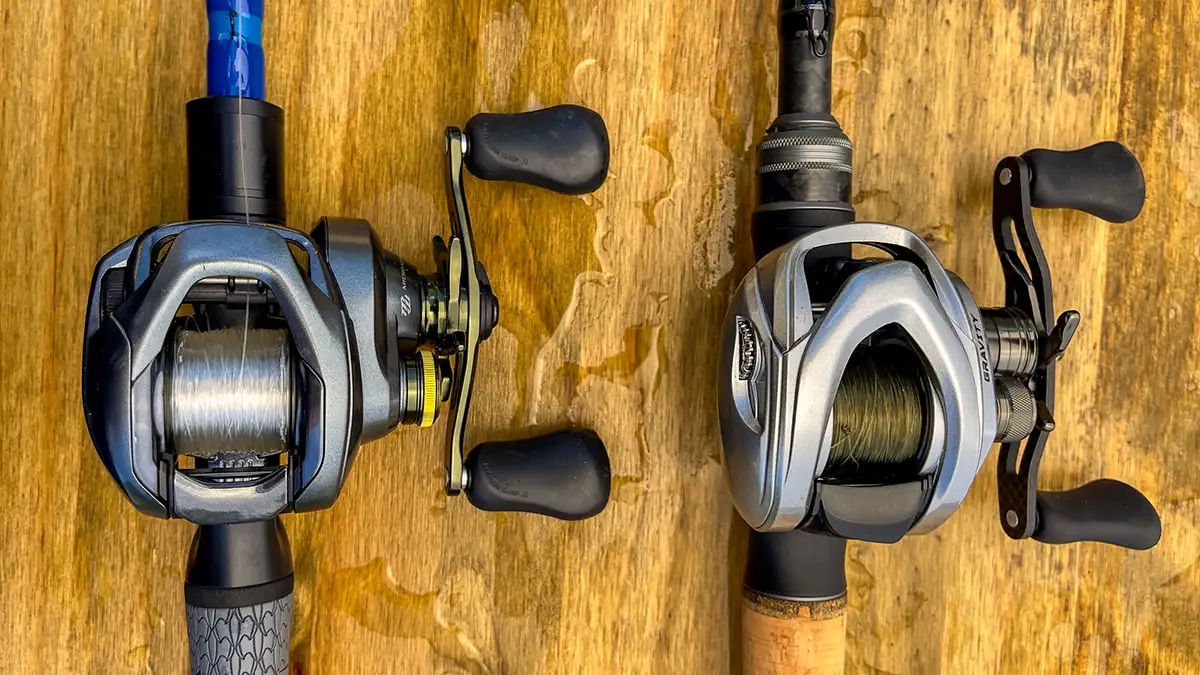
A casting reel (often called a baitcasting reel) sits on top of the fishing rod. The spool rotates as you cast and retrieve, letting you control the line with your thumb. This design gives you more control and power, especially when targeting larger fish. Casting reels are popular with experienced anglers who want precision and distance.
How Casting Reels Work
The spool on a casting reel spins as the line is released. The handle sits on top, and you use your thumb to press the spool before casting. When you release your thumb, the lure flies out, pulling the line with it. If you don’t slow the spool with your thumb, it can keep spinning after the lure hits the water, causing a backlash or “bird’s nest”—a tangle of line.
Key Features
- Precision casting: You can place your lure exactly where you want it, even in tight spots.
- Powerful drag systems: Great for fighting big, strong fish.
- Gear ratio options: Control how fast you retrieve.
- Line capacity: Handles heavier lines, making it ideal for heavy lures and larger fish.
Best Uses
Casting reels shine when you:
- Target bass, pike, muskie, or other large freshwater fish.
- Need to cast heavy lures or baits.
- Want to make long, accurate casts near structures (like docks or fallen trees).
- Fish in open water where control matters more than speed.
What Is A Spinning Reel?
A spinning reel hangs below the rod. It has a fixed spool, and a bail arm guides the line onto the spool as you turn the handle. Spinning reels are much easier to use, especially for beginners. They’re great for lighter lures and lines, making them versatile for many fishing situations.
How Spinning Reels Work
You open the bail (a wire arm) before casting, hold the line with your finger, and swing the rod. The line uncoils from the spool smoothly. When you close the bail, the line wraps back onto the spool as you turn the handle. There’s almost no risk of backlash, which is why many people start with spinning reels.
Key Features
- User-friendly design: Simple to learn and forgiving for mistakes.
- Tangle-resistant: Much less likely to snarl than casting reels.
- Lightweight: Works well with light lines and lures.
- Versatility: Handles everything from small panfish to medium-sized saltwater species.
Best Uses
Spinning reels are perfect when you:
- Fish for trout, crappie, perch, or small saltwater species.
- Cast light baits or lures a good distance.
- Fish in windy conditions (spinning reels handle wind better).
- Want a reel that anyone in the family can use easily.
Head-to-head Comparison
To see the main differences at a glance, compare key factors between casting and spinning reels below.
| Feature | Casting Reel | Spinning Reel |
|---|---|---|
| Position on Rod | On top | Underneath |
| Ease of Use | Harder (steeper learning curve) | Easier (beginner-friendly) |
| Line Control | Thumb controls spool | Finger releases line |
| Backlash Risk | High | Low |
| Line Capacity | High (handles heavy line) | Medium (best for lighter line) |
| Best For | Heavy lures, big fish | Light lures, all-around use |
| Maintenance | More frequent, precise | Simple, less frequent |
Key Advantages Of Casting Reels
Casting reels are not for everyone, but they offer unique benefits that can change how you fish.
1. Accuracy
When you want to drop your lure right next to a log or under a dock, casting reels give you unmatched accuracy. You control the speed and distance with your thumb, making it easier to hit tight spots.
2. Power
The gear system and spool design provide more cranking power. This helps when fighting heavy fish like largemouth bass, muskie, or catfish. You can use heavier lines without worrying about breaking your gear.
3. Line Control
You can easily adjust the speed of your lure on the water. This is useful for techniques like flipping, pitching, and jigging—where subtle movements can trigger a strike.
4. Longer Casts (with Practice)
After learning the basics, casting reels let you throw heavier lures farther. This matters when fishing open water or covering large areas.
5. Customization
Casting reels offer more options for gear ratios (how many times the spool turns per handle rotation). You can pick fast or slow retrieves depending on your technique.
Non-obvious insight: Many beginners don’t realize that casting reels actually protect heavier lines better. Spinning reels can twist and weaken thick line, but casting reels keep it in shape.
Credit: www.wired2fish.com
Key Advantages Of Spinning Reels
Spinning reels are everywhere for a reason: they work for almost anyone, almost anywhere.
1. Simplicity
You can learn to use a spinning reel in minutes. There’s no complex thumb action—just open the bail, cast, and reel.
2. Versatility
Spinning reels can handle many types of fishing. From small trout streams to inshore saltwater, they adapt with just a change of spool or line.
3. Less Line Tangles
The fixed spool means the line comes off in smooth coils. Backlash is rare, so you spend more time fishing and less time fixing knots.
4. Better For Light Lures
Spinning reels cast light lures or baits farther and more accurately. If you like ultralight fishing, this is the only real choice.
5. Wind Handling
Casting into the wind with a spinning reel is easier, because the line flows off the spool without resistance.
Non-obvious insight: Many people don’t know that spinning reels are better for live bait. The light line and smooth drag let fish run with the bait naturally before you set the hook.
Disadvantages Of Casting Reels
No fishing gear is perfect, and casting reels have some downsides to consider.
1. Learning Curve
Using a casting reel well takes practice. Beginners often get frustrated by backlash—those nasty tangles that happen when the spool spins faster than the line leaves.
2. Price
High-quality casting reels often cost more than spinning reels. You may need to buy a matching rod as well, adding to the cost.
3. Maintenance
Casting reels have more parts and need regular cleaning, especially after saltwater use. If you skip this, performance drops quickly.
4. Limited With Light Lures
Casting reels struggle with very light baits. The spool needs enough weight to pull line out smoothly. If you mainly fish with small lures, spinning reels will work better.
5. Hand Fatigue
Some anglers find that using the thumb to control the spool all day can cause hand fatigue, especially for long sessions.
Disadvantages Of Spinning Reels
Spinning reels are easy, but they’re not perfect for every situation.
1. Less Power
The design of spinning reels makes them less powerful for fighting big fish. The gears are smaller, and the handle position gives you less leverage.
2. Line Twist
With frequent use, spinning reels can twist your line. This can weaken it and cause knots if not managed.
3. Limited Heavy Line Use
Spinning reels don’t handle thick line as well as casting reels. The line can come off in big loops, making long casts harder.
4. Durability
Heavy use or big fish can wear out spinning reels faster. The bail, gears, and handle can bend or break with too much stress.
5. Less Accurate For Some Techniques
If you need to “pitch” or “flip” baits precisely into cover, spinning reels are less accurate than casting reels.
Practical Scenarios: Which Reel To Choose?
Let’s look at some real-world fishing situations and see which reel works best.
Bass Fishing In Heavy Cover
If you’re fishing for largemouth bass in weeds, timber, or docks, go with a casting reel. You need power and accuracy to pull fish out of thick cover and avoid snags.
Trout Or Panfish In Streams
For small fish or light lures in clear water, a spinning reel is perfect. It’s gentle on light line and makes delicate presentations easy.
Saltwater Inshore Fishing
Both reels can work, but for bigger fish (like redfish or snook) with heavy lures, a casting reel is better. For smaller species, go with a spinning reel for easier casting.
Surf Fishing
Spinning reels are usually preferred for surf fishing. They handle long casts, wind, and sandy conditions better.
Trolling For Big Fish
Casting reels are strong enough for trolling larger fish, as their drag systems and line capacity handle the stress.
Bonus tip: If you’re unsure, start with a spinning reel. It’s the most forgiving and works in most situations.
Factors To Consider When Buying
Choosing between a casting reel and a spinning reel isn’t just about the reel itself. Think about these factors:
1. Experience Level
- Beginners: Spinning reels are best for learning.
- Advanced: Casting reels offer more control and power.
2. Target Species
- Small fish: Spinning reels.
- Large, aggressive fish: Casting reels.
3. Lure And Line Weight
- Light baits: Spinning reels.
- Heavy baits/lines: Casting reels.
4. Fishing Environment
- Tight spots or heavy cover: Casting reels.
- Open water or windy places: Spinning reels.
5. Budget
- Spinning setups are usually cheaper.
- High-end casting reels cost more but last longer.
6. Rod Compatibility
Make sure your reel matches your rod. Casting reels need casting rods (with smaller guides on top), while spinning reels need spinning rods (with large guides underneath). Using the wrong combination can lead to poor casting and even damage your gear.
7. Maintenance Commitment
If you don’t want to clean and oil your reel often, stick with a spinning reel.
Common mistake: Some buyers pick a reel based only on looks or price. Focus on your real needs and fishing style instead.
Cost Comparison
Let’s compare the average prices for each reel type.
| Reel Type | Entry Level | Mid-Range | High-End |
|---|---|---|---|
| Casting Reel | $40 – $80 | $100 – $200 | $250 – $500+ |
| Spinning Reel | $20 – $50 | $60 – $150 | $180 – $350 |
You’ll find exceptions, but overall, spinning reels cost less for similar quality. Remember to budget for a matching rod and line.
Maintenance Tips For Each Reel
Keeping your reels in good shape makes them last longer and work better.
Casting Reel Maintenance
- Clean after every trip, especially if you fish saltwater.
- Remove the side plate and spool, then wipe away sand and dirt.
- Oil the bearings with a drop of reel oil.
- Check the drag system and gears for wear.
- Store with the drag loosened to avoid compressing the washers.
Spinning Reel Maintenance
- Rinse with fresh water after each trip.
- Wipe the spool and handle with a dry cloth.
- Oil the bail arm and main shaft.
- Check the line for twist and replace if needed.
- Store with the bail open to reduce spring tension.
Pro tip: Never use WD-40 on reels. Use oils and greases made for fishing reels only.
Common Mistakes Anglers Make
Even experienced anglers fall into traps when picking or using reels. Avoid these common issues:
- Choosing the wrong size: Don’t buy a reel too big or small for your rod or target fish.
- Ignoring line recommendations: Using a heavy line on a spinning reel can hurt casting distance and cause tangles.
- Neglecting maintenance: Dirt and salt ruin reels fast. Clean them after every use.
- Not practicing: Casting reels need time to master. Practice in your backyard before hitting the water.
- Skipping drag checks: Always test your drag before fishing. Too tight or loose can lose fish.
Myths And Misconceptions
Some ideas about fishing reels are outdated or just plain wrong. Let’s clear them up.
- “Casting reels are only for experts.” Not true. Anyone can learn with practice and patience.
- “Spinning reels can’t catch big fish.” Also false. With the right setup, spinning reels handle large fish, though with less power.
- “You need the most expensive reel.” Wrong. Many mid-priced reels perform as well as high-end models for most anglers.
- “Spinning reels always twist your line.” This happens more if you use the wrong line or spool it incorrectly.
Environmental Impact: Plastic Vs. Metal Reels
Both spinning and casting reels come in plastic or metal bodies. Metal reels last longer and are better for the environment, as they don’t break down as quickly in landfills. If you want a sustainable choice, look for reels made from aluminum or other metals.
Credit: www.wired2fish.com
When To Own Both Types
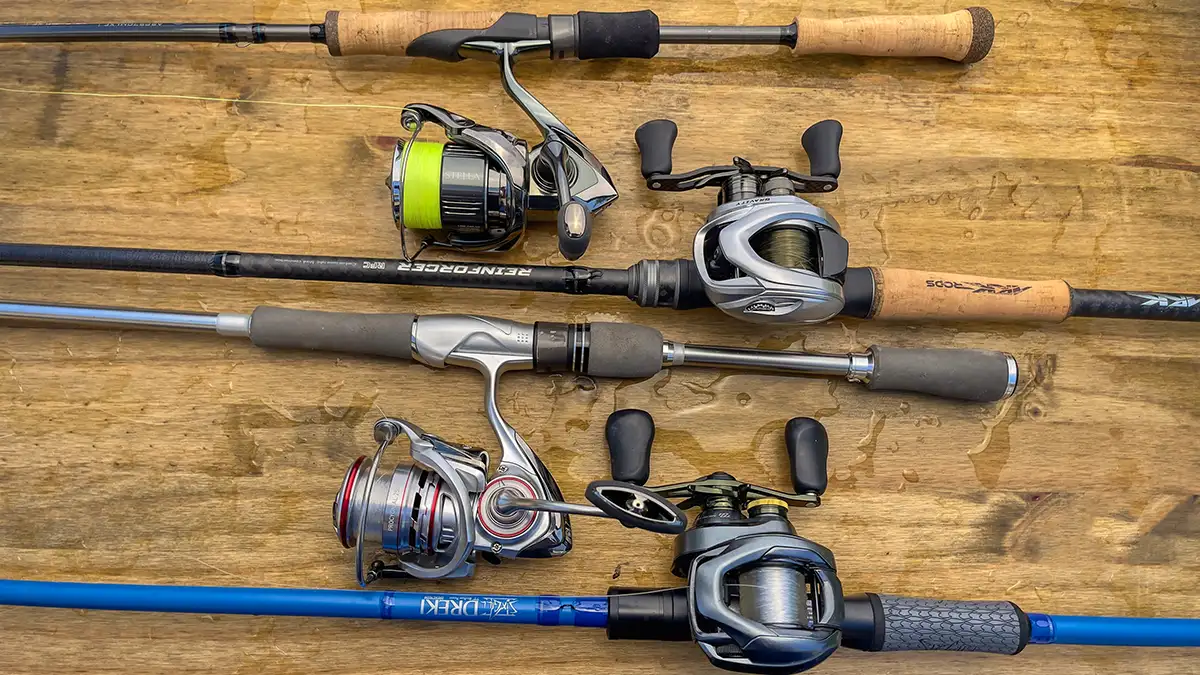
Many serious anglers keep both a casting and spinning setup. Why? Because each shines in different situations. If you want to cover all your fishing needs, having both lets you switch styles and techniques easily. For example, use a spinning reel for finesse fishing or windy days, and switch to a casting reel for heavy cover or big lures.
Expert Advice For Beginners
If you’re just starting out, here are some final tips:
- Start with a spinning reel to build basic skills.
- Practice with light lures and learn to manage line twist.
- When you’re comfortable, try a casting reel for bigger fish or more challenging conditions.
- Watch tutorials, ask local anglers for advice, and don’t rush. Skill grows with experience.
For more detailed information on fishing reels, check out this Wikipedia guide to fishing reels.
Credit: www.wired2fish.com
Frequently Asked Questions
What Is The Main Difference Between A Casting Reel And A Spinning Reel?
A casting reel sits on top of the rod and has a spool that rotates when you cast. You use your thumb to control the line. A spinning reel hangs under the rod and has a fixed spool; the line is released by opening a bail arm and letting the lure pull the line out.
Which Reel Is Better For Beginners?
A spinning reel is better for beginners. It’s easier to use, less likely to tangle, and handles light lures well. Most people can learn to use a spinning reel in just a few tries.
Can You Use A Casting Reel On A Spinning Rod?
No, it’s not recommended. Casting reels need a casting rod, which has smaller guides and a different handle position. Using the wrong rod/reel combo can hurt your casting and even damage your gear.
Why Do Casting Reels Backlash?
Backlash happens when the spool spins faster than the line is leaving during a cast. This causes the line to tangle. It usually happens if you don’t control the spool with your thumb or set the brakes properly.
Is It Worth Owning Both A Casting And Spinning Reel?
Yes, if you fish often or in different places, having both gives you more options. Use a spinning reel for finesse and light lures, and a casting reel for power and heavy cover. Many experienced anglers switch between both depending on the situation.
Fishing is a journey, and your reel is a big part of the experience. Whether you choose a casting reel, a spinning reel, or both, understanding the strengths and limits of each will help you catch more fish and enjoy your time on the water.
Choose wisely, maintain your gear, and don’t be afraid to try new techniques—you’ll become a better angler every time you cast.