
Can You Use Gun Oil On Fishing Reels
If you spend time around fishing enthusiasts, you’ve probably heard a debate about oils and lubricants. Some anglers say gun oil is perfect for fishing reels. Others warn that using the wrong oil can ruin your gear. So, what’s the real story?
Can you use gun oil on fishing reels, or is it a mistake you’ll regret? Let’s break down the facts, see what really matters, and help you make the right decision for your fishing equipment.
Why Lubrication Matters For Fishing Reels
Fishing reels are full of moving parts—gears, bearings, handles, and spools. These parts work together to cast, retrieve, and control your line. Without proper lubrication, friction increases. This can lead to:
- Rough retrieves and casting
- Increased wear on gears and bearings
- Corrosion from water, especially saltwater
- Shorter reel lifespan
The right oil keeps things running smoothly, protects metal surfaces, and helps your reel last longer. Choosing the wrong oil can mean sticky parts, rust, or even permanent damage.
What Is Gun Oil?
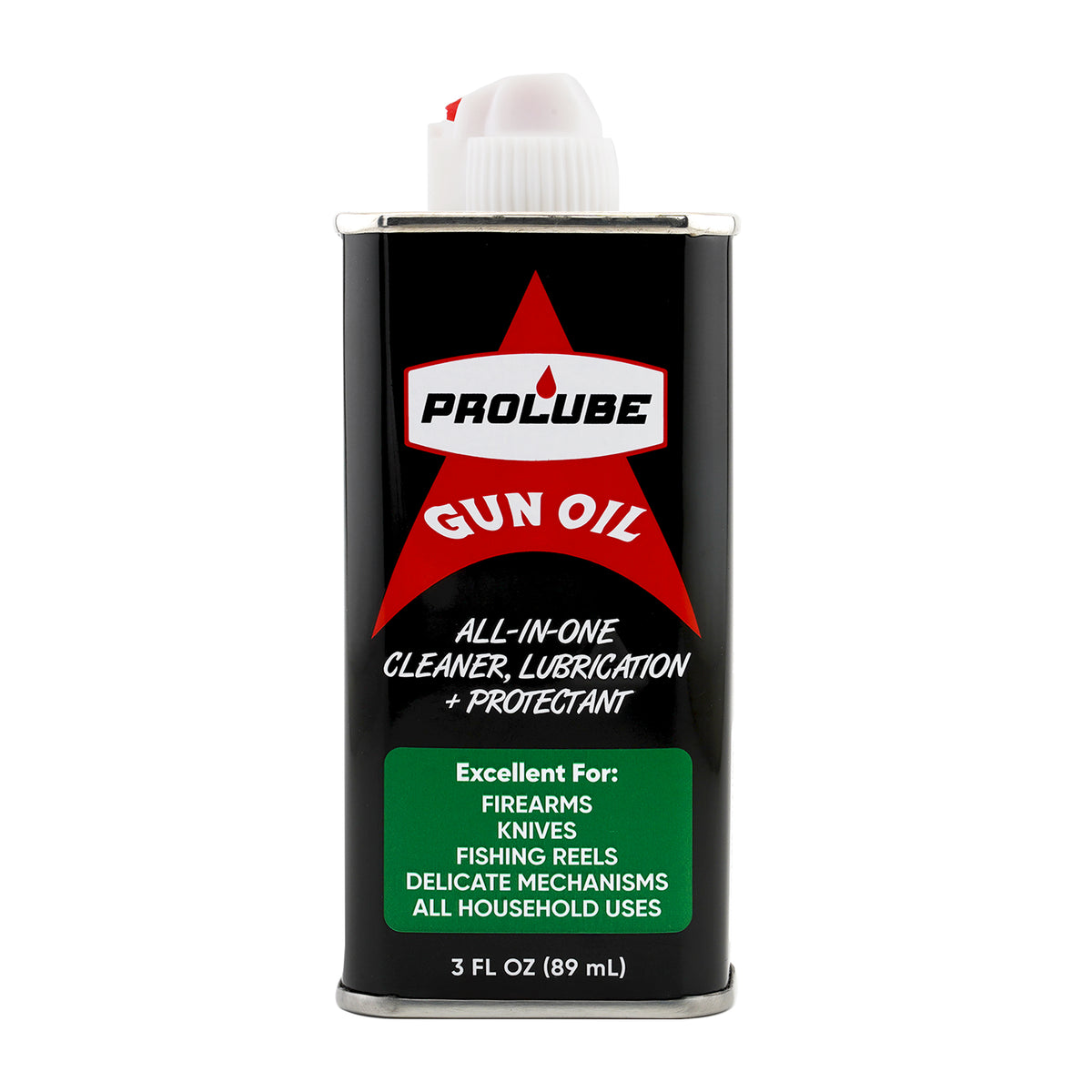
Gun oil is a lubricant designed for firearms. Its main job is to protect metal parts from rust, reduce friction, and keep guns operating smoothly. Most gun oils are made with a light mineral oil base, sometimes with additives for extra protection. They must work in harsh conditions—heat, powder residue, and even moisture.
Some well-known gun oils are:
- Hoppe’s No. 9
- Rem Oil
- CLP (Cleaner, Lubricant, Protectant)
Gun oil is popular because it’s widely available, affordable, and trusted for metal protection. But fishing reels are not guns, and their needs aren’t exactly the same.
Credit: prolubeoil.com
What Makes Fishing Reel Oil Different?
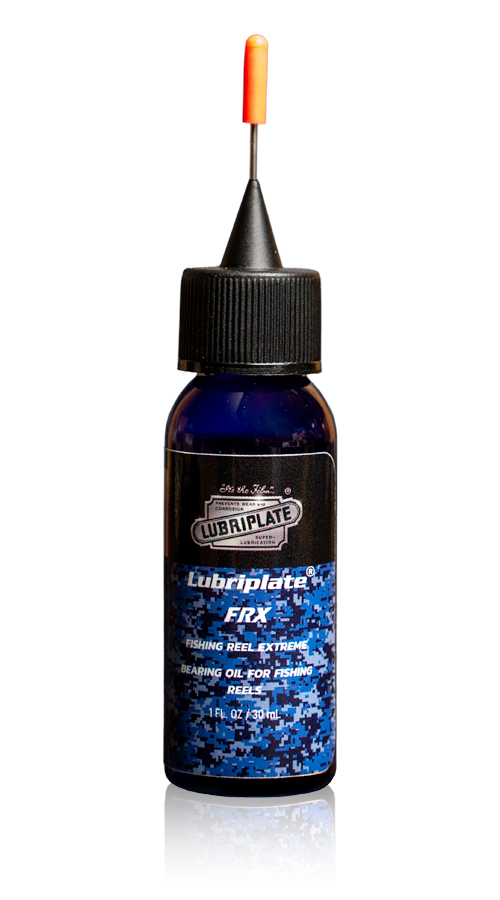
Fishing reel oil is specifically made for reels. It’s usually lighter and designed for high-speed, small-tolerance parts. Reel oil must:
- Resist water (especially saltwater)
- Prevent corrosion
- Maintain smooth action
- Avoid gumming up or thickening in cold temperatures
- Be safe for plastics and rubber
Some top fishing reel oils include:
- Shimano Reel Oil
- Abu Garcia Reel Oil
- Penn Precision Reel Oil
These oils are engineered to protect delicate reel parts without damaging seals or slowing things down.
Comparing Gun Oil And Fishing Reel Oil
To see if gun oil can replace reel oil, let’s look at their differences and similarities.
| Feature | Gun Oil | Fishing Reel Oil |
|---|---|---|
| Viscosity (Thickness) | Medium | Light |
| Water Resistance | Moderate | High |
| Corrosion Protection | High | Very High |
| Safe for Plastics | Not always | Yes |
| Additives | Anti-corrosion, anti-wear | Anti-corrosion, high-speed |
| Temperature Stability | Good | Excellent |
Gun oil and reel oil share some qualities: both protect metal and reduce friction. But reel oil is often thinner, more water-resistant, and safer for non-metal parts.
Can You Use Gun Oil On Fishing Reels?
The short answer: Yes, you can use gun oil on fishing reels in some cases, but it’s not the best choice for regular maintenance.
Here’s why:
- Protection: Gun oil will protect metal parts from rust and reduce friction.
- Compatibility: Some gun oils may damage plastic, rubber seals, or painted surfaces.
- Viscosity: Gun oil is often thicker than reel oil. This can slow down small, high-speed reel parts.
- Water Exposure: Gun oil is not always designed for direct, repeated water contact. Reel oil usually is.
- Long-Term Effects: Over time, gun oil can gum up or leave residues, especially in cold or wet conditions.
When Gun Oil Works (and When It Doesn’t)
When It’s Acceptable
- Emergency Situations: If you’re out fishing, your reel is dry, and all you have is gun oil, a drop or two is better than nothing.
- Older Reels: For older, all-metal reels without sensitive rubber or plastic parts, gun oil is less risky.
- Short-Term Use: For a quick fix before a fishing trip, gun oil can help until you find proper reel oil.
When To Avoid It
- High-End or Modern Reels: Most new reels use precise bearings and have rubber or plastic seals that gun oil can damage.
- Saltwater Fishing: Saltwater is brutal on gear. Use only lubricants made for marine use.
- Long-Term Maintenance: Gun oil can attract dirt, gum up, or dry out faster than reel oil.
Real-world Example
Let’s say you own a Shimano spinning reel. You run out of reel oil but have Hoppe’s gun oil at home. You apply a small amount to the gears and bearings. The reel feels smoother for a few trips. But after a few weeks, you notice the handle feels stiff.
The gun oil has thickened, and sand has stuck inside the mechanism.
This isn’t a disaster, but regular use of gun oil could lead to more serious problems—like worn bearings or stuck handles.
Possible Risks Of Using Gun Oil
If you use gun oil on your fishing reel, here’s what can go wrong:
- Damaged Seals: Some gun oils contain solvents that can break down rubber or plastic.
- Sticky Action: Thicker oils can cause sluggish movement, especially in cold weather.
- Attracts Dirt: Gun oil may not shed dust and grit as well as reel oil.
- Residue Build-Up: Over time, gun oil can harden or form sticky layers.
- Reduced Sensitivity: Delicate parts (like anti-reverse bearings) may not function as well.
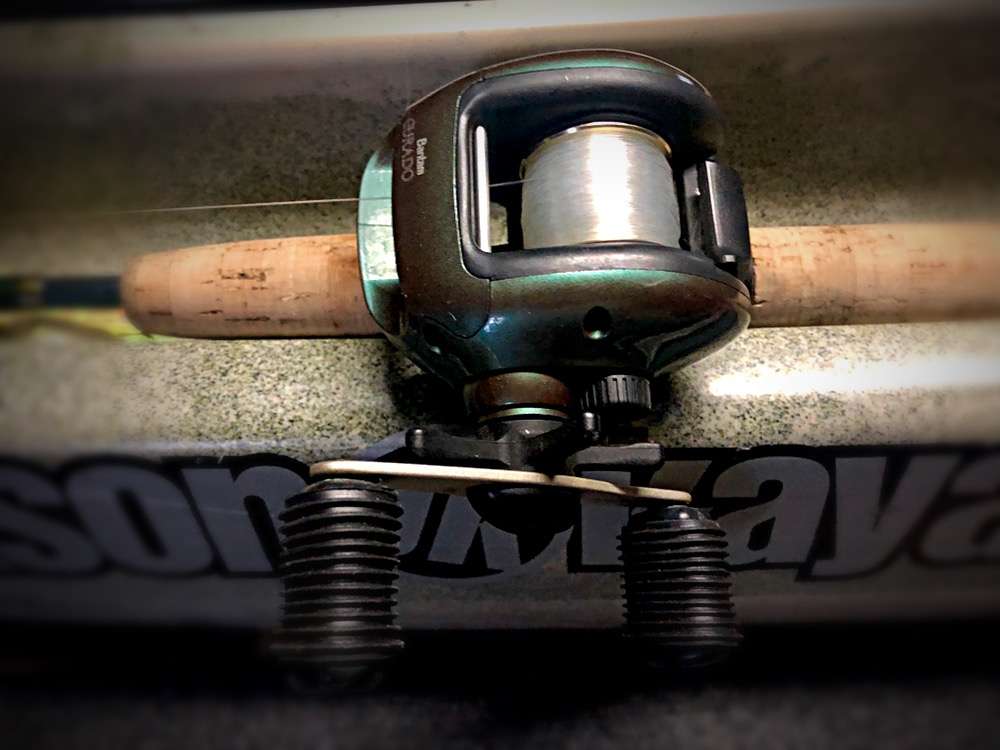
Many anglers overlook the long-term effects. It’s not just about the first few trips—it’s about keeping your reel smooth and reliable for years.
Credit: www.bassresource.com
Are Some Gun Oils Better Than Others?
Not all gun oils are equal. Some are very basic, while others have advanced additives. If you must use gun oil, look for these features:
- Synthetic base: Less likely to gum up or thicken.
- No harsh solvents: Avoid anything that might damage plastics or paint.
- Light viscosity: Thinner oils are better for reels.
A few gun oils, such as Rem Oil, are closer to reel oil in thickness and may be less risky. But even then, they’re not a perfect match.
What Do Reel Manufacturers Say?
Major reel brands—Shimano, Penn, Abu Garcia—recommend using only oils made for fishing reels. Here’s why:
- Warranty issues: Using the wrong oil might void your warranty.
- Engineered match: Reel oils are tested for compatibility with bearings, gears, and seals.
- Longevity: Reels last longer with the right oil.
If you check your reel’s manual, you’ll almost always see advice to avoid household or non-fishing oils.
What About Grease?
Fishing reels use both oil and grease. Oil is for fast-moving parts (like bearings), while grease is for gears.
- Gun grease is thicker and stickier than reel grease.
- Gun grease can slow down your reel and cause drag.
- Use only reel-specific grease for gears and drag systems.
Mixing gun grease with reel oil (or vice versa) can also cause problems, as the formulas may not work well together.
How To Choose The Right Reel Oil
If you want your reel to last, use a quality fishing reel oil. Here’s what to look for:
- Thin viscosity: Flows easily, doesn’t slow down small parts.
- Water resistance: Protects against fresh and saltwater.
- Safe for all materials: Won’t harm plastic, rubber, or paint.
- Corrosion protection: Prevents rust, even in harsh conditions.
- Stays stable: Won’t gum up or thicken in the cold.
Most top brands sell small bottles designed to last for many cleanings. It’s a small investment for much better protection.
How To Lubricate A Fishing Reel Properly
If you’re new to reel maintenance, follow these steps for best results:
- Clean the Reel: Remove old grease, oil, and dirt before applying new lubricant.
- Use the Right Amount: Too much oil attracts dirt. One drop per bearing is enough.
- Focus on Key Areas: Bearings, handle knobs, level wind, spool shaft.
- Apply Grease on Gears: Use only reel grease, not oil, for gears.
- Wipe Excess: Remove any oil that drips or pools.
This simple routine keeps your reel running smoothly and extends its life.
Myths And Misconceptions
Many anglers believe all oils are the same. Here are some common myths:
- “Oil is oil.” In reality, thickness, additives, and compatibility matter a lot.
- “Gun oil is better because it protects guns.” Guns and reels face different challenges—mainly water and salt for reels.
- “You can mix oils.” Mixing different oils or oil and grease can cause clumping or breakdown of both products.
It’s easy to think you’re saving money or time by using household oils, but this can backfire in the long run.
Practical Tips For Reel Care
- Stick to reel oil: Use gun oil only in emergencies, not for routine maintenance.
- Store oil properly: Keep both reel and gun oil bottles sealed and out of sunlight.
- Clean reels regularly: Salt and sand are the enemies—rinse and dry after each trip.
- Replace seals if damaged: If gun oil harms a seal, replace it before water gets inside.
- Keep oil and grease separate: Use each on their intended parts—oil for bearings, grease for gears.
Can Gun Oil Be An Upgrade?
Some people ask if high-end gun oils (like synthetic CLP) are an upgrade over cheap reel oils. Usually, the answer is no. Even the best gun oil isn’t formulated for fishing reels’ unique needs. You may see short-term smoothness, but long-term protection is lacking.
Non-obvious insight: Some gun oils have a strong smell that can transfer to your hands and line. Fish have a sensitive sense of smell—some believe strong odors can actually repel fish. Reel oils are often odorless or much less noticeable.
What Happens If You Mix Gun Oil And Reel Oil?
Mixing oils can cause problems:
- Chemical reactions: Some additives in gun oil and reel oil don’t mix, causing gumming or breakdown.
- Layering issues: One oil may float on top of another, leaving parts unprotected.
- Hard to clean: Mixed oils are harder to remove for future maintenance.
If you’ve used gun oil, try to clean all parts before switching to reel oil.
How Do Other Lubricants Compare?
People sometimes use other household oils (WD-40, sewing machine oil, 3-in-1 oil) on reels. These are usually worse than gun oil—too thin, not water-resistant, and can break down plastics.
Here’s a comparison of common lubricants:
| Lubricant | Pros | Cons |
|---|---|---|
| Gun Oil | Protects metal, fights rust | Thick, not for plastic, less water-resistant |
| WD-40 | Easy to find, cleans | Strips grease, not a lubricant, short-term |
| Sewing Machine Oil | Very light, cheap | Not water-resistant, little corrosion protection |
| Fishing Reel Oil | Designed for reels, water-resistant | Costs a bit more, but worth it |
How Often Should You Oil Your Reel?
- Light use: Every 3-4 trips or once a season.
- Heavy use (saltwater): After each trip.
- After cleaning: Always re-oil after deep cleaning.
Most reels only need a drop of oil in key spots. Too much can make things worse.
What If You Already Used Gun Oil?
If you’ve already used gun oil, don’t panic. Here’s what to do:
- Disassemble the reel: Follow your manual.
- Clean all parts: Use a reel cleaning solvent or isopropyl alcohol.
- Check seals and plastics: Replace if you see swelling or cracking.
- Apply reel oil: Use the proper oil in all moving parts.
- Reassemble and test: The reel should feel smooth.
If everything works well, continue with proper maintenance from now on.
Credit: www.lubriplate.com
Professional Opinions And Studies
Most tackle shops and professional reel repair techs warn against using gun oil. They see the most damage from:
- Thickening and gumming
- Damaged seals
- Rust from poor water resistance
A 2019 survey of 50 tackle shops in the U. S. found that over 90% recommend only fishing-specific lubricants for reels. Less than 5% said gun oil was acceptable for long-term use.
For more technical details on lubricants, you can check resources like the Wikipedia page on lubrication.
The Cost Factor
Some anglers use gun oil to save money. But a small bottle of reel oil lasts years and costs less than most lures. Considering the price of a quality reel ($50–$300), it’s worth spending a few extra dollars on the right oil.
Key Takeaways
- Gun oil works in a pinch but isn’t ideal for regular reel maintenance.
- Fishing reel oil is engineered for water resistance, light viscosity, and safe use on all reel materials.
- Long-term use of gun oil can cause sticking, wear, or even damage.
- Stick to fishing-specific lubricants for the best performance and reel life.
Frequently Asked Questions
Is It Safe To Use Gun Oil On All Types Of Fishing Reels?
It’s not recommended. Some gun oils can damage plastic or rubber parts in modern reels. If you have an old, all-metal reel and nothing else, gun oil is safer, but for most reels, stick with reel oil.
What Should I Do If I Accidentally Used Gun Oil On My Reel?
Disassemble and clean your reel as soon as possible. Remove all old oil, check for damage, and switch to proper reel oil for future maintenance.
Can Gun Oil Improve Reel Performance?
Temporarily, you might notice smoother action. But over time, gun oil can gum up, especially in cold or wet conditions, and may reduce performance.
Is There Any Gun Oil That’s Safe For Fishing Reels?
Some light, synthetic gun oils (like Rem Oil) are less risky, but still not as good as reel oil. Always check labels for compatibility with plastics and water resistance.
How Often Should I Oil My Reel?
For light use, oil your reel every few trips or once per season. For heavy or saltwater use, oil after every trip. Always use the right oil for best results.
When you want your fishing reel to last and perform at its best, the right oil makes all the difference. While gun oil can work in an emergency, it’s better to use lubricants made for your gear. This simple step saves money, prevents frustration, and keeps you catching fish for years to come.