
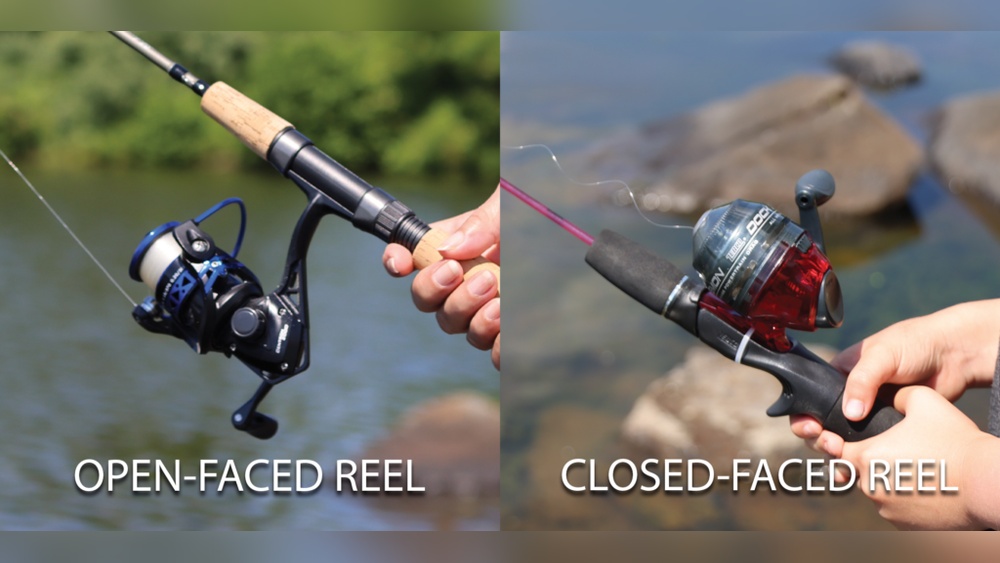
Fishing is more than just a hobby for many people—it’s a way to connect with nature, find peace, and sometimes bring home a fresh meal. When you start learning about fishing gear, you’ll quickly notice there are two main types of reels: open face and closed face. These terms might sound simple, but choosing between them can be a bit confusing, especially for beginners. Your fishing reel is the heart of your setup, and picking the right one can make a big difference in your fishing experience.
Let’s take a detailed look at the differences, advantages, and challenges of both open face reels and closed face reels. By the end of this article, you’ll understand which reel might suit your needs, help you catch more fish, and even avoid some common mistakes that many new anglers make.
What Is An Open Face Reel?
An open face reel is also called a spinning reel. You’ve probably seen these at fishing stores or in the hands of experienced anglers. The design is open, meaning you can see the fishing line and the spool. The handle and the bail arm are visible, making the mechanics easy to understand.
Open face reels are attached below the fishing rod. To cast, you flip the bail arm, hold the line with your finger, and then release it as you swing the rod forward. This action releases the line smoothly off the spool.
Key Features
- Visible spool: You can see how much line is left.
- Bail arm: Controls the line release and retrieval.
- Handle: Can usually be switched for left or right hand.
- Drag adjustment: Allows you to set how much resistance the fish feels.
Common Uses
Open face reels are popular for catching a wide range of fish, from small panfish to larger species like bass, trout, or even saltwater fish. You’ll find them on lakes, rivers, and beaches.
What Is A Closed Face Reel?
A closed face reel is often called a spincast reel. This design has a closed cover, usually made of metal or plastic, that hides the spool and most of the line. Only a small hole at the front lets the line out.
You’ll see these reels mounted on top of the rod. To cast, you push a button with your thumb, swing the rod, and release the button to let the line out. Retrieving the line is simple: just turn the handle.
Key Features
- Enclosed spool: Protects the line from tangles and debris.
- Push-button casting: Makes casting almost effortless.
- Simple drag system: Usually adjusted with a dial.
- Handle: Usually fixed on one side, but some models offer a switch.
Common Uses
Closed face reels are a favorite for children, beginners, or anyone who wants a simple, low-maintenance setup. They’re excellent for catching small to medium-sized fish in ponds, lakes, or slow-moving rivers.
Open Face Vs Closed Face Reel: Core Differences
To understand which reel fits your needs, let’s break down the main differences.
| Feature | Open Face Reel (Spinning) | Closed Face Reel (Spincast) |
|---|---|---|
| Design | Open, exposed spool | Closed cover over spool |
| Location on Rod | Mounted below rod | Mounted on top of rod |
| Casting Method | Flip bail, release with finger | Push button with thumb |
| Line Capacity | Higher | Lower |
| Tangle Risk | Moderate (with practice, less) | Low (but jams can happen) |
| Maintenance | Easy to clean and inspect | Harder to clean inside |
| Skill Level | Intermediate to advanced | Beginner-friendly |
| Price Range | Wide (entry to pro) | Usually affordable |
Advantages Of Open Face Reels
Open face reels are a favorite for many anglers because of their flexibility and power. Let’s look at what makes them stand out.
1. Casting Distance And Accuracy
Open face reels allow you to cast farther and with more accuracy, especially after some practice. The line comes off the spool with less friction, so you can reach deeper water or cast to a distant target.
2. Line Capacity And Versatility
You can put more line on an open face reel, which means you can fish deeper or handle stronger, faster fish. Many models handle different types of fishing lines, including monofilament, fluorocarbon, and braided line.
3. Better For Larger Fish
Because of their stronger drag systems and larger spools, open face reels are better for fighting bigger fish. You have more control and can handle the stress without breaking your gear.
4. Fewer Line Twists (with Proper Use)
While it’s possible to get line twists, open face reels actually reduce this problem if you spool the line correctly and close the bail by hand after casting. Many beginners miss this tip and blame the reel instead of the technique.
5. Easy Maintenance
Since the mechanics are exposed, cleaning and lubricating the reel is simple. You can spot problems early, like worn parts or dirt buildup.

Credit: www.stadedembour.com
Disadvantages Of Open Face Reels
No fishing gear is perfect. Here are some areas where open face reels can be challenging.
1. Higher Learning Curve
It takes practice to master the casting technique—holding the line with your finger, timing the release, and managing the bail. Beginners may struggle at first.
2. More Risk Of Line Management Issues
If you use the wrong line weight or overfill the spool, you can face tangles or “wind knots. ” These are frustrating, but usually avoidable with the right setup.
3. Exposed To Elements
Because the components are open, sand, dirt, and water can get inside easily. If you fish in saltwater or muddy areas, you need to clean your reel often.
4. Heavier For Some Models
High-capacity reels for big fish can be heavy, making them less comfortable for children or people with smaller hands.
Advantages Of Closed Face Reels
Closed face reels have their own strengths that make them a top pick for casual or new anglers.
1. Simple To Use
With a push-button cast, almost anyone can start fishing in minutes. No need to learn complex finger techniques or bail mechanics.
2. Reduced Tangles
The closed cover protects the line from blowing wind, grass, or branches. This design keeps tangles to a minimum, which is a huge plus for beginners.
3. Lightweight And Compact
Most closed face reels are small and light, making them perfect for children or people who want to travel light.
4. Affordable
You can find good-quality closed face reels at a low price. This means you can try fishing without a big investment.
5. Low Maintenance
With fewer exposed parts, you don’t need to clean or oil the reel as often. Most of the maintenance is just wiping the cover and checking for jams.

Credit: www.nicfaisalabad.com
Disadvantages Of Closed Face Reels
While closed face reels are easy to use, they come with some trade-offs.
1. Lower Line Capacity
The internal design limits how much line you can use. This makes them less suitable for big fish or deep water.
2. Less Power
The drag system is simple and not as strong as those found in open face reels. Fighting a big fish can strain the reel or even break it.
3. Limited Casting Distance
Closed face reels can’t cast as far or as accurately as open face reels. The line has to pass through a small hole, which slows it down.
4. Hard To Fix Jams
If a problem happens inside the reel, you may need tools and patience to open it up. Sand or grit can get inside and cause the reel to jam.
5. Less Versatile
Closed face reels are designed for lighter lines and smaller fish. If you want to try different types of fishing, you’ll need to upgrade your gear.
When To Use An Open Face Reel
Choosing the right reel depends on the type of fishing you want to do. Open face reels are best when:
- You want to fish for bigger or stronger species (like bass, pike, trout, or even saltwater fish).
- You need long casts to reach distant fish or cover more water.
- You plan to use different fishing techniques, such as jigging, trolling, or float fishing.
- You want to experiment with different types of lines (like braided or fluorocarbon).
- You are ready to learn and practice more advanced fishing skills.
Practical Example
Imagine you’re fishing at a large lake and want to cast a heavy lure to the far side, hoping to catch a big bass. An open face reel lets you cast the distance, handle the fight, and adjust your drag easily.
When To Use A Closed Face Reel
A closed face reel is ideal when:
- You’re new to fishing and want something easy to use.
- You’re fishing with children or a group of beginners.
- You’re targeting small to medium fish like sunfish, perch, or small catfish.
- You want a no-fuss setup for quick trips or relaxed outings.
- You don’t want to spend time learning complex techniques right now.
Practical Example
If you’re taking your child to a local pond for the first time, a closed face reel helps them start fishing quickly. They can focus on the excitement of catching fish, not on learning complicated casting methods.
How To Choose: Factors That Really Matter
Before you buy a reel, here are the most important things to consider:
1. Experience Level
Are you new to fishing? Closed face reels are easier to learn. If you have some experience or are willing to practice, open face reels give you more control.
2. Target Fish Species
Small fish like bluegill or perch can be caught with either reel. If you want to catch bass, trout, or larger species, open face reels are a better choice.
3. Type Of Water
For small ponds or streams, either reel works. In large lakes, fast rivers, or saltwater, open face reels are more reliable.
4. Line Type And Weight
Open face reels support heavier and different types of lines. Closed face reels work best with lighter monofilament.
5. Budget
Closed face reels are usually cheaper. However, if you see yourself fishing often or want to upgrade, spending more on an open face reel is a smart investment.
6. Comfort And Weight
Try holding the reel in the store. If it feels too heavy or awkward, you won’t enjoy using it. Closed face reels are lighter and better for kids or people with small hands.
Real-world Comparison: Open Face Vs Closed Face For Common Situations
Let’s compare how each reel performs in different fishing scenarios.
| Situation | Open Face Reel | Closed Face Reel |
|---|---|---|
| Fishing with Kids | Harder to learn | Easier, safer |
| Long Distance Casting | Excellent | Limited |
| Saltwater Fishing | Good (with cleaning) | Not recommended |
| Fishing for Big Fish | Preferred | Not strong enough |
| Quick Setup | More steps | Very fast |
| Changing Lures Often | Easy | Can be tricky |
Common Mistakes Beginners Make
Many new anglers run into trouble with their reels. Here’s what to watch out for:
1. Overfilling The Spool
Putting too much line on either reel can cause tangles, jams, or poor casting. Leave a small gap at the top of the spool.
2. Using The Wrong Line
Check your reel’s manual for the recommended line weight and type. Using a line that is too heavy or too light can damage your reel or make casting difficult.
3. Ignoring Maintenance
Even closed face reels need some care. Rinse them after fishing, especially if you’ve been in saltwater, and check for dirt or sand.
4. Setting Drag Incorrectly
Drag is the resistance a fish feels when it pulls your line. Too tight, and your line can snap. Too loose, and the fish escapes. Practice adjusting the drag before you go fishing.
5. Not Practicing Casting
Take time to practice casting in your backyard or an open space. Smooth, gentle casts work better than wild swings.

Credit: www.youtube.com
Non-obvious Insights For Smart Anglers
Even many experienced anglers overlook these details:
1. Line Twist Prevention
If you use an open face reel, always close the bail by hand after casting instead of turning the handle. This greatly reduces line twists, a common cause of frustration.
2. Lubrication Timing
Don’t over-oil your reels. Too much oil attracts dirt and can cause jams. A small drop on moving parts every few trips is enough.
3. Upgrading Handles
Some reels allow you to switch the handle to the other side. This can help left-handed anglers or those who want to reduce hand fatigue on long trips.
4. Matching Rod And Reel
Make sure your rod and reel are balanced in weight and length. A mismatched setup makes casting harder and tire you out faster.
5. Try Before You Buy
If possible, ask to test a reel at the store. Feel the grip, check the smoothness of the drag, and practice a few casts. Comfort matters more than brand or price.
Examples Of Popular Open Face And Closed Face Reels
Many brands produce both types of reels. Here are a few well-known models:
- Open Face: Shimano Sedona, Daiwa BG, Penn Battle II
- Closed Face: Zebco 33, Abu Garcia Abumatic, Shakespeare Synergy
Look for reviews and recommendations from other anglers before buying. Sometimes, a less-famous brand offers better value for your needs.
The Future Of Reel Technology
The fishing industry keeps improving both reel types. Modern open face reels are lighter, stronger, and smoother than ever. Closed face reels now have better drag systems and durable materials.
Some reels blend features from both types, like trigger-spin reels, which offer easier casting with more line capacity. Still, the basics remain the same—choose the reel that matches your fishing style and experience.
For more on fishing reel history and design, you can visit the Wikipedia Fishing Reel page.
Frequently Asked Questions
What Is The Main Difference Between Open Face And Closed Face Reels?
The main difference is the design and casting method. Open face reels have an exposed spool and use a bail arm, while closed face reels have a cover and use a push-button for casting.
Are Open Face Reels Better For Catching Big Fish?
Yes, open face reels usually have stronger drag systems and higher line capacity, making them better for catching bigger or stronger fish.
Can I Use Braided Line With A Closed Face Reel?
Most closed face reels are designed for lighter monofilament line. Using braided line can cause jams or damage, unless the reel is specifically rated for it.
Which Reel Is Best For Children Or Beginners?
A closed face reel is best for children and beginners because it’s simple to use, with fewer tangles and a push-button cast.
How Often Should I Clean My Fishing Reel?
It’s best to rinse and dry your reel after every trip, especially if you fish in saltwater. Deep cleaning with oil and grease can be done every few months, or if you notice the reel feels rough.
Final Thoughts
Choosing between an open face and closed face reel is about matching your gear to your fishing goals. If you want simple, fun, and easy fishing, a closed face reel is hard to beat. If you’re ready to cast farther, catch bigger fish, and learn advanced skills, an open face reel will grow with you. Remember to consider your experience, target fish, and comfort. With the right reel, you’ll spend less time fixing problems and more time enjoying the water—and maybe even bringing home a fish or two.