Top Shot Fishing Line: Everything You Need To Know
Fishing is more than just throwing a line into the water and waiting for a bite. For those who want to catch bigger fish or fish in challenging places, the type of fishing line matters—a lot. One term you might hear often, especially if you talk with experienced anglers or read sport fishing forums, is Top Shot fishing line. But what does it really mean? Why do many serious fishers recommend using it? And how do you use it properly? This guide will give you everything you need to know about Top Shot fishing line, even if you’re a beginner.
What Is Top Shot Fishing Line?
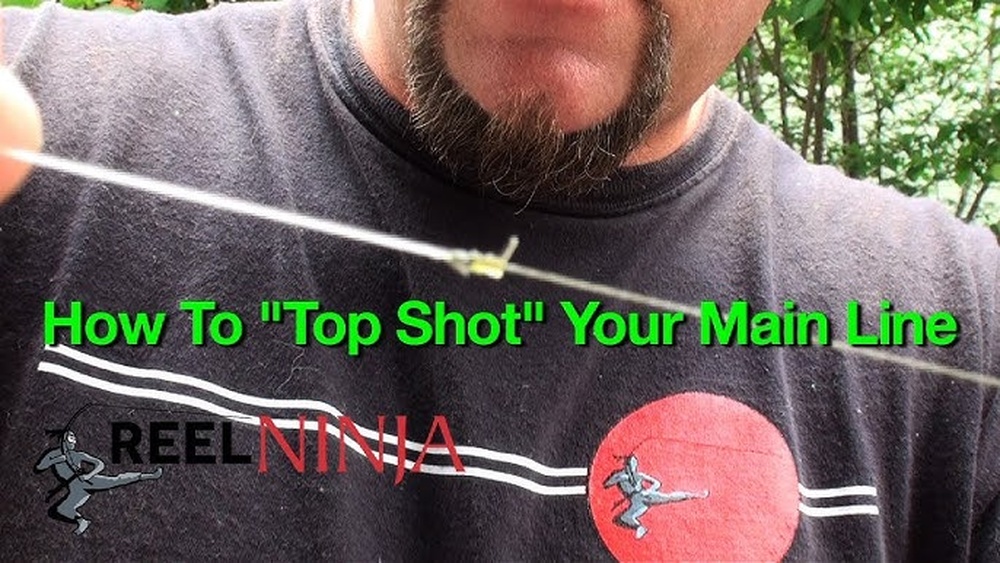
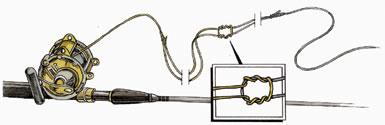
The term Top Shot refers to a specific way of setting up your fishing line. It means adding a length of stronger or different type of fishing line (usually monofilament or fluorocarbon) to the end of your main line, which is often braided line. This “top shot” acts as a leader, shock absorber, or abrasion barrier. Most often, the Top Shot is a long piece—sometimes 50 to 100 yards or more—connected to your main line with a knot or a swivel.
Think of it like this: Your fishing reel is filled mostly with a thin, strong line (like braid). But the last section that will actually touch the fish or the water is a thicker, stretchier, or less visible line. That last section is your Top Shot.
Why Use A Top Shot?
There are several reasons why anglers use a Top Shot setup, especially in saltwater and big game fishing:
- Shock Absorption: Braided line has almost no stretch. This can make it easy to snap your line when a big fish hits. A Top Shot of monofilament acts like a spring, absorbing shocks and reducing break-offs.
- Abrasion Resistance: The last part of your line is most likely to rub against rocks, coral, or the fish’s sharp body. Monofilament or fluorocarbon Top Shots are tougher in these conditions.
- Stealth: Braided line is very visible underwater. A clear monofilament or fluorocarbon Top Shot is less visible to fish, which is critical in clear water.
- Line Capacity: Braid lets you fit more line on your reel, but you still need the benefits of mono or fluoro at the business end. A Top Shot is a smart compromise.
- Cost Efficiency: Braid is expensive. You only need a short Top Shot, so you save money over time by not spooling your whole reel with pricey monofilament or fluorocarbon.
Credit: georgepoveromo.com
The History And Evolution Of Top Shot Fishing
Top Shot setups have been popular among saltwater anglers for decades. In the past, most reels were spooled entirely with monofilament. But as braided lines became available in the 1990s, fishers noticed their strength and thin diameter allowed them to use smaller reels for bigger fish. However, braid’s lack of stretch and visibility caused problems.
The solution was to keep using braid as the main line but add a long section of mono or fluoro as a shock leader. Over time, this became known as the “Top Shot” method. Today, it’s the standard for many offshore and sport fishing setups, especially when targeting big game species like tuna, marlin, and shark.
Types Of Lines Used In Top Shot Setups
Three main types of fishing lines are used in Top Shot systems:
Braided Line
- Strength: Extremely strong for its diameter.
- Stretch: Almost none.
- Visibility: Highly visible underwater.
- Main Use: Main line on the reel.
Monofilament Line
- Strength: Good, but thicker for the same strength as braid.
- Stretch: High, which helps absorb shock.
- Visibility: Less visible than braid; floats on water.
- Main Use: Top Shot or leader.
Fluorocarbon Line
- Strength: Excellent; similar to monofilament.
- Stretch: Less than monofilament, but more than braid.
- Visibility: Almost invisible underwater due to similar light refraction as water.
- Main Use: Top Shot for extra stealth.
Which Line Should You Use As A Top Shot?
- If you want maximum shock absorption: Use monofilament.
- If you need stealth in clear water: Use fluorocarbon.
- If you need maximum strength and don’t care about visibility: Use heavier braid (rare as a Top Shot).
Credit: www.youtube.com
How To Set Up A Top Shot Fishing Line
Using a Top Shot is not just about tying two lines together. There are best practices to follow for the best results.
Step 1: Spool Your Main Line
Fill your reel with braided line. This could be 80% of your reel’s capacity. For example, if your reel holds 500 yards of 80 lb line, you might put 400 yards of 80 lb braid.
Step 2: Add Your Top Shot
Measure out your Top Shot. Most anglers use anywhere from 25 to 100 yards, depending on the style of fishing, target species, and conditions.
Step 3: Tie A Strong Connection
The knot connecting braid to mono or fluoro must be strong and smooth. Popular knots include the FG knot, Albright knot, or using a small, high-quality swivel.
Step 4: Check And Test
Always test the knot by pulling hard before you go fishing. Weak knots are a common cause of lost fish.
Example Setup
- Main line: 400 yards of 65 lb braid
- Top Shot: 50 yards of 80 lb monofilament
- Connection: FG knot
This setup is common for tuna fishing. The long mono Top Shot gives stretch and abrasion resistance, while the braid offers line capacity.
Advantages And Disadvantages Of Top Shot Fishing Line
Let’s dig deeper into what makes Top Shot setups popular, and where they may not be the best choice.
Advantages
- Better Shock Absorption: Protects against sudden pulls and runs from big fish.
- Increased Line Capacity: You can fit more line on your reel with braid as the main line.
- Versatility: Easy to change Top Shots for different conditions or target species.
- Abrasion Resistance: The Top Shot protects your main line from damage.
- Stealth: Reduces chances of spooking fish in clear water.
Disadvantages
- Knot Weakness: If not tied perfectly, the knot connecting lines can be a weak spot.
- Extra Time and Skill: Tying good knots and setting up takes more time.
- Line Memory: Monofilament Top Shots can coil or tangle if not handled right.
- Cost: Using high-quality mono or fluoro for long Top Shots can get expensive.
- Casting Distance: A long Top Shot may slightly reduce your maximum casting distance.
When Should You Use A Top Shot?
Top Shot setups are especially useful in certain fishing situations:
- Big Game Fishing: Tuna, marlin, swordfish, and sharks can make long, hard runs. The shock absorption from a Top Shot is essential.
- Fishing Around Structure: If you’re fishing near rocks, reefs, or wrecks, a Top Shot protects your main line from cuts.
- Clear Water: Fish like snapper, seabass, or mackerel can be line-shy. Fluorocarbon Top Shots help.
- Trolling: Many offshore trolling setups use long mono Top Shots for better lure action and fish fighting.
However, if you’re fishing for small species in muddy water, or only casting short distances, a Top Shot may not be necessary.
How Long Should A Top Shot Be?
There is no single answer, but here are common guidelines:
- 25–50 yards: Most common for saltwater trolling and bottom fishing.
- 100 yards or more: Used for species that make long runs or when you want stretch along the whole fight.
- 3–6 feet: Sometimes, only a short leader is needed for small fish or lure fishing.
The key is to balance shock absorption, abrasion resistance, and reel capacity for your specific fishing style.
How Does Top Shot Compare To Other Line Systems?
To understand why anglers choose Top Shot, let’s compare it to other common line setups.
All-monofilament Vs. Top Shot
| Factor | All-Monofilament | Top Shot (Braid + Mono/Fluoro) |
|---|---|---|
| Line Capacity | Lower | Higher |
| Shock Absorption | Good | Good (with Top Shot) |
| Stealth | Good | Better (with fluoro) |
| Abrasion Resistance | Good | Excellent at end |
| Cost | Medium | Can be lower (if Top Shot is short) |
All-braid Vs. Top Shot
| Factor | All-Braid | Top Shot (Braid + Mono/Fluoro) |
|---|---|---|
| Stretch | None | Some (from Top Shot) |
| Visibility | High | Low (from Top Shot) |
| Abrasion Resistance | Poor | High (at end) |
| Shock Absorption | None | Good (with Top Shot) |
| Line Handling | Very sensitive | Smoother |
The Top Shot approach often gives the best balance for most saltwater and sport fishing needs.
Common Mistakes With Top Shot Setups
Even experienced anglers make mistakes with Top Shot fishing. Here are two non-obvious problems many beginners miss:
- Choosing the Wrong Top Shot Length: Too short, and you lose shock absorption; too long, and you reduce reel capacity and casting range. It’s important to adjust based on target fish and technique.
- Ignoring Knot Quality: The connection between braid and mono/fluoro is critical. Many beginners use simple knots that slip or cut through. Practice advanced knots like the FG knot for best results.
Other mistakes include not wetting the knot before tightening, using mismatched line strengths, or forgetting to check for abrasion before every trip.
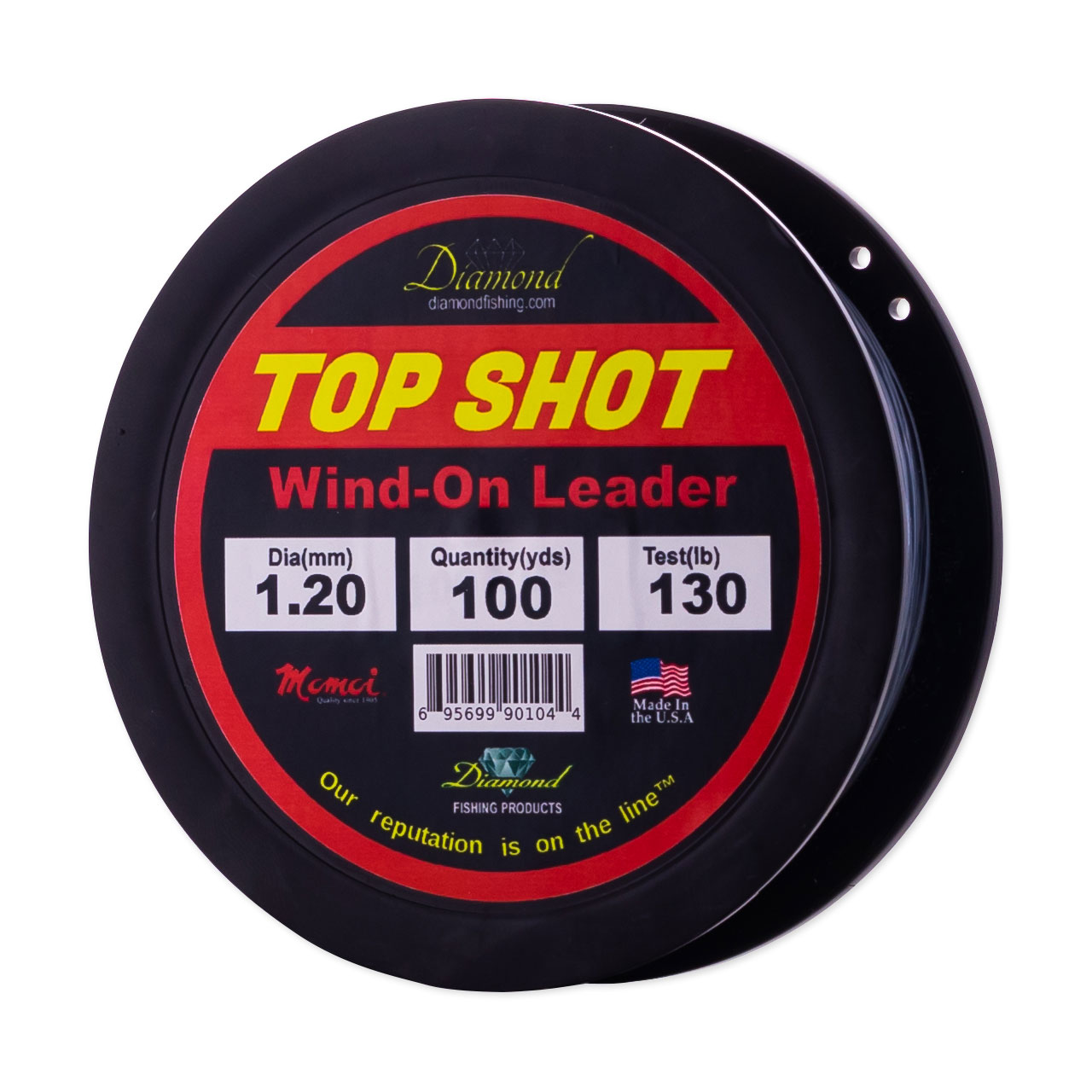
Credit: diamondfishing.com
Tips For Choosing The Best Top Shot
Picking the right Top Shot isn’t just about buying the thickest or most expensive line. Consider these points:
- Match the Breaking Strength: Your Top Shot should be similar in strength to your main line, or slightly stronger. Too much difference can cause knots to fail.
- Consider Water Clarity: Use fluorocarbon if the water is very clear. Otherwise, monofilament is usually enough.
- Adjust for Target Species: For toothy fish like king mackerel, you may want a thicker or even wire Top Shot.
- Check Local Regulations: Some tournaments or areas have rules about leader length or materials.
- Don’t Skimp on Quality: The Top Shot is the last thing between you and your fish. Use a trusted brand.
Top Shot For Different Types Of Fishing
Top Shot setups are popular in many fishing styles. Here’s how they are used in different situations.
Offshore Trolling
Many offshore anglers use 50–100 yard mono Top Shots. These provide stretch, protect the main line, and help present lures naturally.
Bottom Fishing
When fishing reefs or wrecks, a thick mono or fluoro Top Shot (25–50 yards) protects against abrasion from rocks and coral.
Jigging And Popping
For jigging or casting poppers, a shorter Top Shot (6–15 feet) is common. This helps with knot passage through guides and reduces visibility.
Surf Fishing
Some surf anglers use a short Top Shot to handle the shock of long casts and the abrasive sand.
Fly Fishing
While not called Top Shot, fly fishers often use a leader and tippet system for similar reasons: stealth, shock absorption, and abrasion resistance.
How To Maintain And Replace Your Top Shot
A Top Shot doesn’t last forever. To keep your setup reliable:
- Check for Fraying or Nicks: Run your fingers along the Top Shot before every trip.
- Replace After Big Fish: If you land a big catch, inspect the Top Shot and replace if damaged.
- Store Properly: Sunlight and heat can weaken mono and fluoro. Store extra line in a cool, dark place.
- Retie Knots: If in doubt, retie the connection knot. A few minutes of work can save your best catch.
Real-world Examples: When Top Shot Makes The Difference
Experienced anglers have many stories where using a Top Shot made the difference between landing a trophy fish and losing it.
- Tuna Fishing: A long run from a 100 lb tuna can break straight braid, but a mono Top Shot absorbs the shock and increases landing chances.
- Marlin on the Fly: When a marlin jumps and shakes its head, a fluorocarbon Top Shot helps prevent cut-offs and spooking.
- Bottom Fishing Grouper: Fishing near wrecks, a heavy mono Top Shot prevents line breakage from sharp metal edges.
In every case, the Top Shot is not just insurance—it’s part of a smart strategy.
Recommended Top Shot Brands
While many brands make quality monofilament and fluorocarbon lines, some favorites among experienced anglers include:
- Seaguar (fluorocarbon)
- Momoi (monofilament)
- Ande (monofilament)
- Berkley (fluorocarbon and mono)
- Yo-Zuri (fluorocarbon)
Always check recent reviews and recommendations for your target species and location.
Practical Insights Many Beginners Miss
Here are two non-obvious insights that will save you frustration:
- Heat Damage During Knot-Tying: When tying knots with mono or fluoro, friction can create heat and weaken the line. Always wet your knots before tightening to prevent this.
- Line Twist and Memory: Monofilament, especially in longer Top Shots, can develop “memory” (coils). Before fishing, stretch out your Top Shot or soak it in warm water to reduce tangling and improve performance.
Where To Learn More
For those who want to dig deeper into knots, line tests, and advanced Top Shot setups, check out resources like the Wikipedia page on fishing lines. It’s a good place for technical data and history.
Frequently Asked Questions
What Is The Ideal Length For A Top Shot?
Most saltwater anglers use 25 to 100 yards, depending on the fishing style and target species. For offshore trolling, 50 to 100 yards is common. For jigging or casting, 6 to 15 feet may be enough.
Can I Use Fluorocarbon As A Top Shot?
Yes. Fluorocarbon is almost invisible underwater and is great for clear water or line-shy fish. It’s more expensive than monofilament but offers excellent abrasion resistance and stealth.
How Do I Connect The Top Shot To My Main Line?
Popular knots include the FG knot, Albright knot, and double uni knot. Some anglers use a small, high-quality swivel. Practice these knots before your trip for the best results.
Does A Top Shot Reduce My Casting Distance?
A very long Top Shot can slightly reduce casting distance, especially with spinning reels. For most fishing, the benefits outweigh the small loss in distance. Adjust your Top Shot length if casting is critical.
How Often Should I Replace My Top Shot?
Check for wear before every trip. Replace after fighting a big fish, or if you see fraying or nicks. Sunlight and age can weaken mono and fluoro, so replace at least once per season if you fish often.
Fishing is about more than luck—it’s about preparation. Understanding and using a Top Shot fishing line can help you land more fish, lose fewer lures, and enjoy your time on the water. With the right setup, you’re ready for whatever the ocean throws your way.