
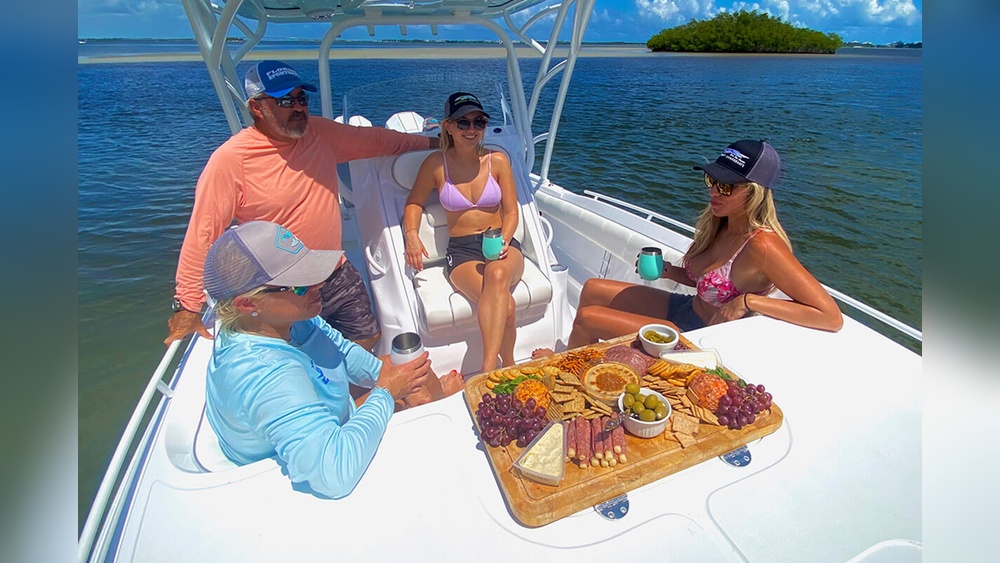
When you hear the words “fishing charter,” you might picture a group of excited anglers heading out to sea, guided by a captain who knows all the best spots. But what really is a fishing charter? For many, the idea is simple: pay someone to take you fishing. Yet, the reality is richer and more interesting. Whether you are a complete beginner or an experienced fisherman, understanding fishing charters can open new doors to adventure, relaxation, and learning.
A fishing charter is much more than just a boat ride with fishing rods. It’s a specialized service, designed to give people a safe, fun, and often educational experience on the water. It connects people with skilled captains and guides, takes care of the gear, and often provides everything you need for a memorable day. In this guide, you’ll discover the full picture: what fishing charters offer, how they work, what to expect, and how to choose one that fits your needs. Let’s dive deep into the world of fishing charters.
Defining A Fishing Charter
A fishing charter is a professional service where you hire a boat, captain, and sometimes a crew, to take you fishing for a set amount of time. Most charters are run by experienced captains who know local waters, fish habits, and safety rules. They are licensed and insured, making them much safer than going alone.
Fishing charters are popular around the world, from tropical coasts to mountain lakes. Some focus on saltwater fishing in the ocean, while others are designed for freshwater lakes or rivers. The main goal is to provide a high-quality fishing experience, whether you want to catch your first fish or chase after big trophies.
A standard fishing charter includes:
- A boat (size and type depends on the location and fishing style)
- A captain or guide with local knowledge
- Fishing gear (rods, reels, bait, tackle)
- Safety equipment (life jackets, first aid, radio)
- Sometimes snacks, drinks, or lunch
- Help with catching, cleaning, and storing your fish
You do not need your own gear or much experience. The crew will help you learn and improve, making it suitable for people of all skill levels.
Types Of Fishing Charters
Fishing charters come in many forms. The type you choose can change your whole experience. Below are the most common types:
1. Inshore Charters
These trips stay near the shore, usually in calm waters. Inshore charters are perfect for beginners, families, or anyone who prefers shorter trips. Common target species include redfish, snook, sea trout, and flounder.
2. Offshore Charters
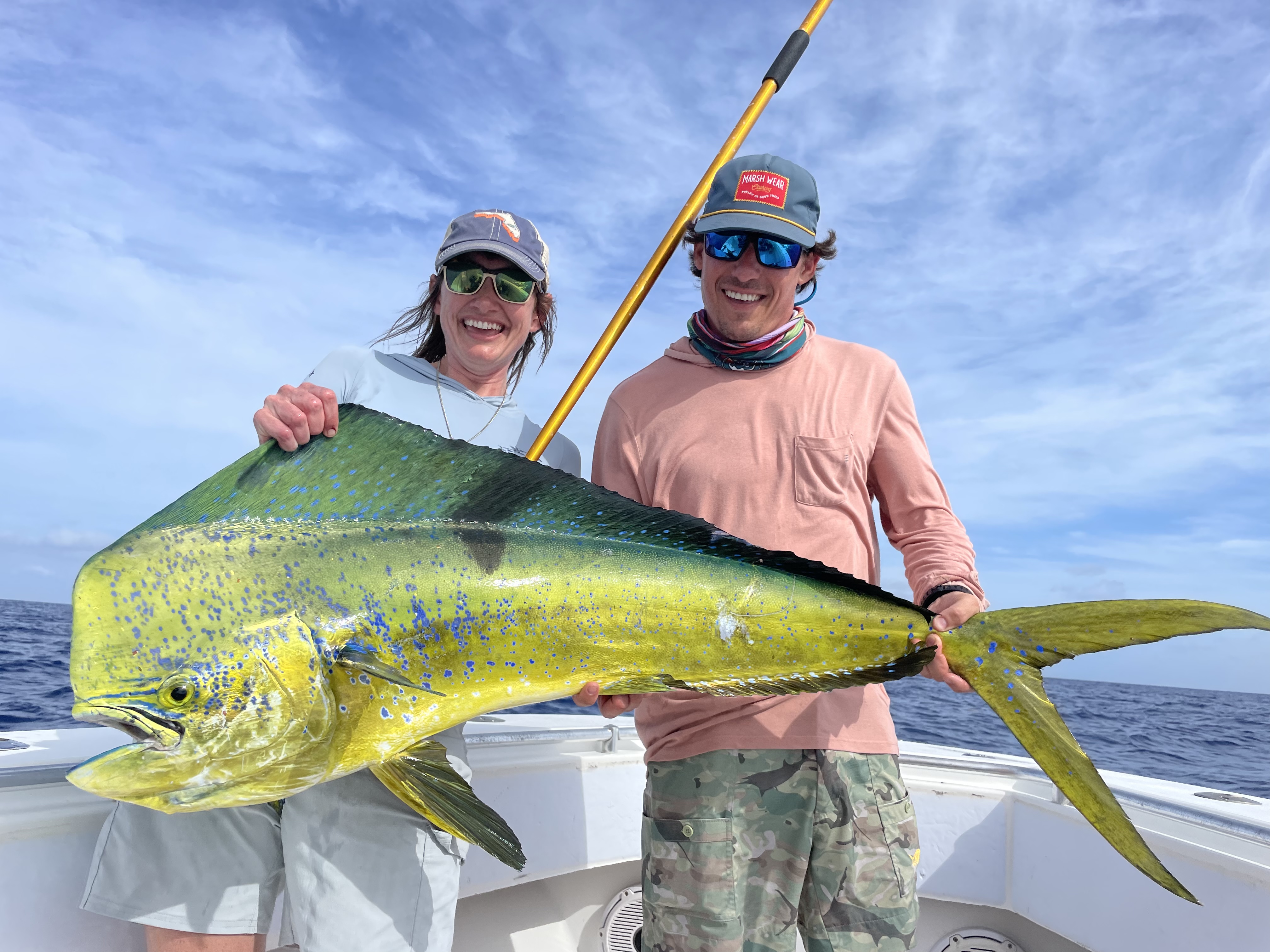
Offshore or deep-sea charters travel far from the coast, sometimes 10-50 miles or more. These trips are for people seeking bigger fish like marlin, tuna, or mahi-mahi. The water is deeper, and the fish are often larger and stronger.
3. Nearshore Charters
Nearshore trips are a mix of inshore and offshore. They go just beyond the breakers, usually 2-9 miles from the shore. You might catch species like kingfish, cobia, or Spanish mackerel.
4. Freshwater Charters
Not all fishing happens in the ocean. Many charters take place on lakes or rivers, targeting bass, trout, or walleye. These are common in areas with big lakes or famous rivers.
5. Specialized Charters
Some charters focus on a special style of fishing, such as:
- Fly fishing
- Spearfishing
- Ice fishing
- Night fishing
Each type offers a different adventure, so it’s wise to ask about the focus before you book.

Credit: fishingbooker.com
What Happens On A Fishing Charter
Knowing what to expect on a fishing charter helps you prepare and enjoy your trip. Here’s a typical flow of a fishing charter experience:
Booking Your Trip
You contact the charter company, discuss your goals, and set a date. They will explain what’s included, what to bring, and the price.
The Day Of The Trip
You arrive at the dock at the agreed time. The captain gives a safety briefing, explains the day’s plan, and helps you get comfortable.
Heading Out
The boat leaves the harbor. Depending on the trip, you may travel for 10 minutes or over an hour to reach the fishing grounds.
Fishing Time
The captain helps you set up your gear and shows you how to use it. They may explain how to bait your hook, cast, and reel in a fish. If you hook something, they guide you through the fight and landing.
Returning To Dock
After the fishing ends, the boat returns to the dock. The crew may clean and bag your catch for you to take home. Some charters will even suggest local restaurants that cook your fresh fish.
Payment And Tips
You pay the remaining balance and, if you’re happy, tip the crew (usually 15-20%).
Who Should Book A Fishing Charter?
Fishing charters are for everyone, not just expert anglers. Here’s who might enjoy a charter:
- Families: Safe, guided trips for all ages.
- Beginners: Learn how to fish with help.
- Experienced anglers: Try new waters or target specific fish.
- Tourists: See local nature and wildlife from the water.
- Groups: Friends, corporate outings, bachelor parties.
If you want to catch big fish, learn new skills, or just relax on the water, a fishing charter is a practical choice.
Benefits Of Using A Fishing Charter
Choosing a fishing charter offers many advantages over fishing alone.
1. Expert Guidance
You get access to local experts who know the best spots, baits, and techniques. This saves you time and increases your chances of success.
2. All-inclusive Experience
Charters provide gear, bait, licenses, and often snacks or drinks. You can just show up and fish.
3. Safety
Professional captains are trained in first aid, navigation, and emergency procedures. They monitor weather and keep you safe on the water.
4. Learning Opportunity
You can quickly improve your fishing skills with hands-on instruction. Many captains enjoy teaching beginners and sharing tips with experienced anglers.
5. Access To Better Equipment
Charter boats often use high-quality rods, reels, and electronics that are expensive for individuals to buy.
6. Time Efficiency
Instead of spending hours trying to find fish, the captain brings you right to the action.
7. Social Experience
Fishing charters are great for bonding. You can share a unique adventure with friends or family.
Key Elements That Define A Good Fishing Charter
Not all fishing charters are equal. The best ones share several important traits.
1. Licensed And Insured
A reputable charter always has the proper licenses and insurance. This protects you and shows they take their job seriously.
2. Experienced Captain
Look for captains with years of local experience and a good reputation. Reading online reviews or asking local tackle shops can help.
3. Quality Gear
Good charters maintain their boats and fishing gear. Broken or outdated equipment leads to a poor experience.
4. Clear Pricing
Top charters provide transparent prices, with no hidden fees. They tell you what’s included and what costs extra.
5. Customer-focused Service
The crew should be friendly, helpful, and willing to teach. A positive attitude makes the trip more enjoyable.
6. Safety Standards
Check that the boat has life jackets, a first aid kit, fire extinguisher, and a radio or phone.
7. Local Knowledge
Great captains know fish patterns, tides, and weather. This knowledge boosts your chances of success.
Common Types Of Fishing You Can Try
Fishing charters often offer different fishing methods. Here are some you may encounter:
1. Trolling
Dragging bait or lures behind the moving boat. Good for catching big fish like tuna or kingfish.
2. Bottom Fishing
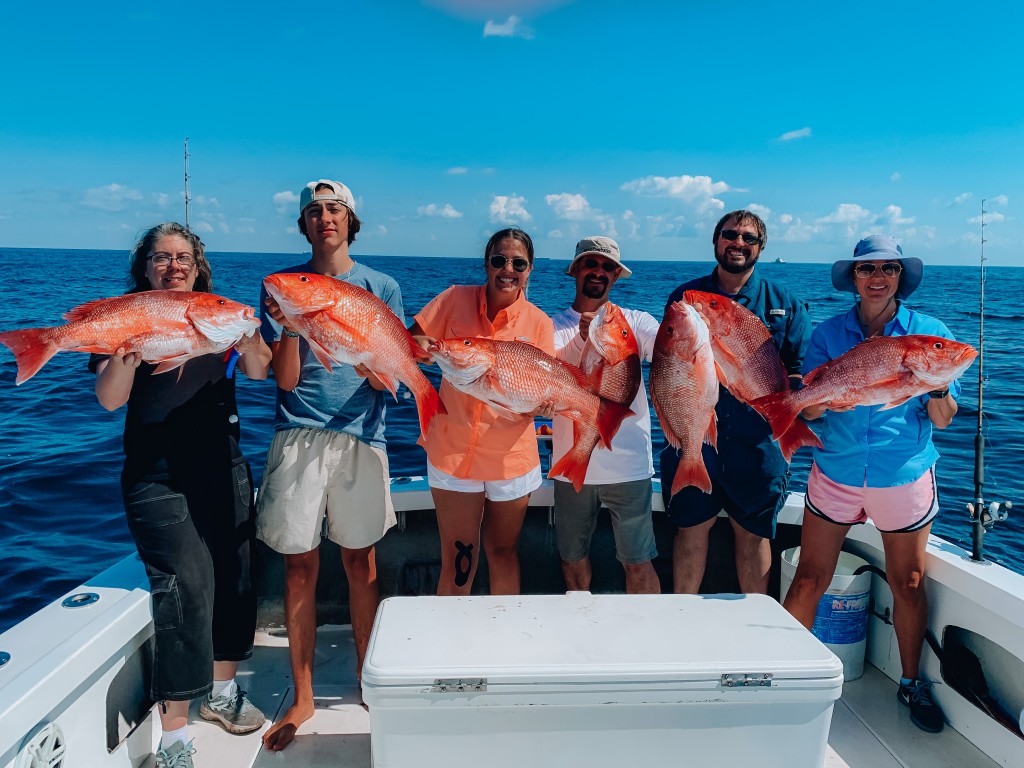
Dropping bait to the seafloor to attract fish like snapper or grouper.
3. Jigging
Using a weighted lure moved up and down to catch active fish.
4. Fly Fishing
Casting lightweight flies to catch species like trout, bonefish, or tarpon.
5. Live Bait Fishing
Using live fish, shrimp, or worms as bait for natural presentation.
Each method requires different gear and techniques, which your captain will explain.
What To Bring On A Fishing Charter
Most charters provide essentials, but you should pack some personal items:
- Sunblock and sunglasses
- A hat for sun protection
- Soft-soled shoes (no black soles)
- Motion sickness medicine (if needed)
- Camera or phone for photos
- Snacks and drinks (if not provided)
- Small cooler for your catch (check if allowed)
Ask the captain in advance so you know what’s included and what to bring.
Common Costs And Pricing Structure
Fishing charters can range in price based on location, boat size, trip length, and the number of people. Here’s a look at typical costs:
| Charter Type | Trip Length | Price Range (USD) | People Included |
|---|---|---|---|
| Inshore | 4-6 hours | $300-$600 | 1-4 |
| Offshore | 6-12 hours | $900-$2,500 | 1-6 |
| Freshwater | 4-8 hours | $250-$500 | 1-4 |
| Specialty (Fly, Night, etc.) | Varies | $350-$1,000 | 1-4 |
Prices often include gear, bait, and licenses, but check for extras like tips, cleaning fees, or fuel surcharges.
How To Choose The Right Fishing Charter
Picking the best fishing charter can make or break your trip. Here’s how to decide:
1. Set Your Goals
Are you after a specific fish? Do you want a family-friendly trip or a hardcore adventure? Make your goals clear.
2. Research Local Options
Look at online reviews, ask local anglers, or visit tackle shops. Reliable charters will have good reputations.
3. Check Licenses And Insurance
Ask for proof of licensing and insurance. This step is often skipped by beginners but is vital for safety.
4. Ask About Equipment
Find out what gear is included. High-quality equipment increases your odds of success.
5. Compare Prices And Policies
Don’t just go for the cheapest. Compare what’s included, cancellation policies, and extra fees.
6. Speak With The Captain
A short call or email helps you judge the captain’s attitude. Friendly, knowledgeable captains are usually the best choice.
7. Group Size
Some charters are private, others are shared. Decide if you want your own boat or are happy fishing with strangers.
8. Read The Fine Print
Check the company’s rules: cancellation, weather policy, and what happens if you catch a big fish.
Possible Challenges And How To Handle Them
Even the best fishing charters can face problems. Here’s what you should know:
Weather Changes
Bad weather can cancel trips. Good charters will refund or reschedule. Always ask about their weather policy.
Seasickness
If you’re prone to motion sickness, take medication before the trip. Stay hydrated and avoid heavy foods.
Not Catching Fish
Fishing is never a guarantee. Even skilled captains can have slow days. Focus on the experience, not just the catch.
Equipment Failure
Rare, but possible. Choose charters that maintain their boats and gear.
Hidden Costs
Ask for a full price breakdown before booking. Tips are usually extra.
Regulations And Safety
Fishing charters must follow local laws and safety rules. This protects both people and fish populations.
Fishing Licenses
Most charters include the required licenses in the price. Always confirm before booking.
Catch Limits
Laws may limit the number or size of fish you can keep. The captain will explain these rules.
Protected Species
Some fish cannot be caught or kept. Your guide will help you follow the law.
Safety Equipment
All boats should carry life jackets, fire extinguishers, radios, and first aid kits.
Real-world Example: Florida Keys Charter
The Florida Keys are famous for fishing. A typical Keys charter might run 6 hours and target species like tarpon or snapper. The captain provides all gear, teaches you how to cast, and helps you fight big fish. Even beginners can catch fish, and guides often clean your catch for you. According to the Florida Fish and Wildlife Conservation Commission, over 350,000 anglers use charters in Florida each year, supporting local jobs and protecting fish stocks.
Comparing Fishing Charters To Other Options
Is a fishing charter the best way to fish? Here’s how it compares to alternatives:
| Option | Skill Needed | Cost | Experience Level | Equipment Provided |
|---|---|---|---|---|
| Fishing Charter | None to Advanced | Medium to High | Beginner to Expert | Yes |
| Renting a Boat | Intermediate to Advanced | Medium | Some Experience | No |
| Shore Fishing | Beginner | Low | Beginner | No |
| Guided Tour (no fishing) | None | Low to Medium | All | Not Applicable |
Charters offer the most complete, beginner-friendly option, while renting or shore fishing requires more skill and planning.
Common Mistakes When Booking A Fishing Charter
Avoiding these errors can save you money and stress:
- Not checking licenses or insurance: Don’t assume all charters are legal.
- Ignoring reviews: Past customers’ experiences can reveal a lot.
- Choosing the cheapest option: Low prices may mean poor service or bad equipment.
- Not asking about included gear: You don’t want to arrive empty-handed.
- Forgetting about weather: Always ask about the cancellation policy.
Environmental Impact And Responsible Fishing
Good fishing charters support sustainable fishing. They follow rules on catch limits, use safe fishing methods, and release fish when needed. Many captains teach clients about conservation and the importance of protecting fish habitats. By choosing a responsible charter, you help keep fisheries healthy for the future.
How To Get The Most From Your Fishing Charter
To make your trip memorable:
- Listen to your captain’s advice. They know the water and fish.
- Stay patient and positive, even if the fish aren’t biting.
- Take photos and enjoy the scenery.
- Respect the boat and equipment.
- Ask questions and learn as much as you can.
Often, the memories made on the water last longer than the fish you catch.
Popular Destinations For Fishing Charters
Some of the world’s best fishing charter destinations include:
- Florida Keys (USA): Tarpon, bonefish, snapper
- Cairns (Australia): Giant black marlin
- Cabo San Lucas (Mexico): Marlin, dorado, tuna
- Alaska (USA): Salmon, halibut
- The Bahamas: Bonefish, snapper, mahi-mahi
Each offers unique species and styles of fishing. Research your destination to find the best charter for your goals.
Credit: reel-guides.com
Non-obvious Insights For First-timers
Many newcomers overlook these valuable tips:
- Ask about fish cleaning and storage. Not all charters clean fish or provide ice for your catch. Check in advance to avoid surprises.
- Plan for weather and seasickness. Even calm-looking days can turn rough, and motion sickness can ruin your trip if you’re not prepared.
- Understand tipping norms. In many places, it’s expected to tip the crew 15–20%. Bring cash if possible.
- Check if you can keep your catch. Some areas are strictly catch-and-release or have complex rules.
Resources For Finding Fishing Charters
Reliable resources include:
- Local tourism boards
- Online platforms like FishingBooker or TripAdvisor
- Marinas and tackle shops
For more on fishing charters, the Wikipedia Fishing Charter page offers solid background information.
Booking a fishing charter is a fantastic way to experience the water, learn new skills, and possibly land the fish of a lifetime. With a bit of planning and the right questions, your next fishing trip can be safe, fun, and unforgettable.
Credit: captainexperiences.com
Frequently Asked Questions
What Should I Wear On A Fishing Charter?
Dress for the weather and bring layers. Wear lightweight, sun-protective clothing, a hat, and sunglasses. Non-slip shoes are important for safety. Avoid flip-flops or hard-soled shoes, as they can damage the boat or make you slip.
Do I Need To Bring My Own Fishing Gear?
Usually, no. Most fishing charters provide all the necessary gear: rods, reels, bait, and tackle. If you have a favorite rod or lucky lure, ask the captain if you can bring it along.
What Happens If The Weather Is Bad?
If the weather is dangerous, the captain will cancel or reschedule the trip. Most charters offer a refund or a new date. Safety is always the top priority, so listen to your captain’s advice.
Is It Possible To Catch Big Fish On A Charter If I’m A Beginner?
Yes. Charters are designed for all skill levels. The crew will teach you how to handle big fish, and with their help, even first-timers have a good chance at an impressive catch.
How Much Should I Tip The Crew?
Tipping is customary in many places. A standard tip is 15–20% of the trip price, given directly to the captain or divided among the crew. It’s a way to show appreciation for their hard work and service.
Fishing charters open the door to a world of adventure, learning, and fun on the water. With the right preparation, anyone can enjoy a safe and exciting day chasing fish and making memories.