
What Is A 5000 Size Reel Good For
If you are starting to get serious about fishing, you will quickly notice numbers on fishing reels. One of the most common questions beginners ask is, “What is a 5000 size reel good for? ” The answer is not as simple as just listing a few fish.
The 5000 size reel is a real workhorse—large enough for big catches, but not so heavy that it becomes tiring. To understand its purpose, you need to know what makes a 5000 size reel unique, what types of fishing it’s best for, and how it compares to smaller and larger reels.
Let’s dive in and explore everything you need to know about the 5000 size reel, so you can decide if it matches your fishing goals.
What Does “5000 Size Reel” Mean?
Fishing reels come in different sizes, usually labeled by a number like 1000, 2500, 4000, or 5000. The number refers to the physical size and line capacity of the reel. For most brands, a 5000 size reel is considered medium-large. It’s bigger than what you’d use for small freshwater fish, but smaller than the heavy-duty reels used for deep-sea monsters.
A 5000 size reel will usually hold more fishing line, handle heavier line, and have a stronger drag system than smaller reels. For example, a typical 5000 size spinning reel might hold 200-250 yards of 12-14 lb mono line, or even more braided line.
The handle and spool are also larger, giving you more leverage when fighting bigger fish.
Key Features Of A 5000 Size Reel
Understanding the key features will help you decide if a 5000 size reel is right for you:
- Line Capacity: Usually 200-250 yards of 12-14 lb mono, or 250-300 yards of 20-30 lb braid.
- Drag Strength: Often around 20-25 lbs, which means it can handle hard-pulling fish.
- Weight: Generally between 13-20 ounces, depending on the brand and materials.
- Gear Ratio: Common ratios are 4.7:1 to 6.2:1, which balance speed and power.
- Build Quality: Many 5000 size reels are made with corrosion-resistant materials, ideal for both freshwater and saltwater use.
When To Use A 5000 Size Reel
A 5000 size reel is not the best choice for every fishing situation. It shines in scenarios where you need more power, line capacity, and strength than a 2500 or 3000 reel can give. Here’s when a 5000 size reel really proves its worth:
1. Saltwater Inshore Fishing
The 5000 size reel is perfect for inshore saltwater fishing. It can handle strong saltwater species like redfish, snook, striped bass, and even small tarpon. The extra line capacity and drag help you battle fish that make long, powerful runs.
2. Big Freshwater Species
If you love chasing big freshwater fish such as catfish, northern pike, musky, or large carp, a 5000 size reel is a smart choice. It gives you the strength and line needed to target these heavy, aggressive fighters.
3. Light Offshore Fishing
While not designed for the biggest offshore giants, the 5000 size reel can handle light offshore fishing. It’s capable of landing smaller tuna, mackerel, snapper, and mahi-mahi. If you are fishing from a boat near the coast, this reel provides enough muscle for many species.
4. Surf Fishing
One of the most common uses for a 5000 size reel is surf fishing. Casting into the waves from the beach, you need a reel that can hold a lot of line, cast far, and deal with powerful fish like bluefish, striped bass, and pompano. The 5000 size is often the sweet spot for this type of fishing.
5. Heavy Lure And Bait Fishing
When using heavy lures or fishing with big chunks of bait, a 5000 size reel helps you cast further and gives you the backbone to work your lures properly. For example, throwing large swimbaits for big bass or jigging for grouper.
What Fish Can You Catch With A 5000 Size Reel?
To give you a better idea, here are some of the most popular fish targeted with a 5000 size reel:
- Redfish: Common in saltwater marshes and bays.
- Snook: Found in mangroves and estuaries.
- Striped Bass: Popular along Atlantic coasts.
- Bluefish: Aggressive fighters in surf and inshore waters.
- Catfish: Giant freshwater varieties like blues and flatheads.
- Pike: Northern pike and musky in lakes and rivers.
- Carp: Large carp in rivers and reservoirs.
- Snapper: Smaller species near reefs and structures.
- Mahi-Mahi: Smaller ones in offshore waters.
- Mackerel: Spanish mackerel and similar species.
It’s important to match your reel with the right rod and line for the fish you are targeting. The 5000 size reel is very versatile, but pairing it with an appropriate rod (usually 7-10 feet, medium-heavy) will give you the best results.
Comparing 5000 Size Reels To Other Sizes
Choosing a reel size is all about matching your gear to your fishing style. Here is how a 5000 size reel stacks up against other popular sizes:
| Reel Size | Line Capacity (Mono) | Drag Strength | Typical Use |
|---|---|---|---|
| 2500 | 140 yds / 8 lb | 8-12 lbs | Light freshwater, small bass/trout |
| 4000 | 200 yds / 10 lb | 12-18 lbs | Medium freshwater, inshore saltwater |
| 5000 | 220 yds / 14 lb | 20-25 lbs | Heavy freshwater, inshore/offshore |
| 8000 | 300 yds / 20 lb | 30-40 lbs | Big offshore, sharks, deep sea |
You can see that the 5000 size reel sits in the middle ground—it’s not too light, not too heavy. This makes it a favorite for anglers who want one reel that can do many jobs.
Types Of Fishing Lines For A 5000 Size Reel
Choosing the right line type and strength is important. Here’s what works best with a 5000 size reel:
- Monofilament: 12-16 lb test. Good for general use, easy to handle.
- Braided Line: 20-30 lb test. Offers more strength and line capacity, ideal for bigger fish and long casts.
- Fluorocarbon: Often used as a leader, especially in clear water or around sharp rocks.
A common mistake is filling the spool with line that’s too heavy. This can reduce casting distance and cause tangles. Most 5000 size reels are balanced for 12-30 lb lines, depending on the type.
Credit: www.reddit.com
Rod Pairing For A 5000 Size Reel
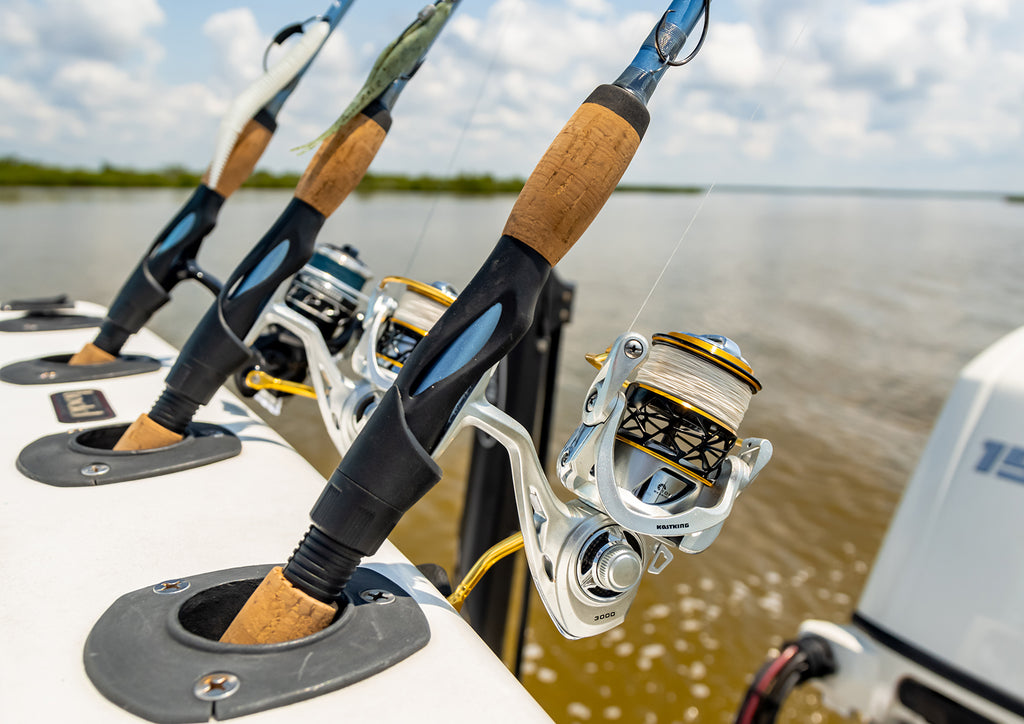
Pairing your reel with the right rod is just as important as choosing the reel itself. For a 5000 size reel, a medium-heavy rod, typically 7 to 10 feet long, works best. Here’s why:
- Strength: Medium-heavy rods can handle the weight and power of big fish.
- Casting Distance: Longer rods help you cast farther, especially useful for surf fishing.
- Balance: The rod and reel should feel balanced in your hand. Too heavy on one side makes fishing tiring.
If you use a rod that is too light, you risk breaking it on a big fish. Too heavy, and you lose sensitivity and casting distance.
Practical Examples: 5000 Size Reel In Action
Let’s look at some real-life fishing situations where a 5000 size reel shines:
Surf Fishing For Striped Bass
You’re standing on a sandy beach, casting large plugs into the surf for striped bass. The waves are strong, and the fish can run far and hard. A 5000 size reel gives you the casting distance, line capacity, and drag power to land these tough fish.
Inshore Saltwater Fishing For Redfish
Fishing near mangroves, you hook into a big redfish that darts for cover. With a 5000 size reel, you have enough drag to slow the fish and enough line to survive its runs. The saltwater-resistant build keeps your reel working smoothly in harsh conditions.
Freshwater Catfish Battle
You drop a big bait into a deep river hole, hoping for a trophy catfish. When a 30-pound blue cat hits, the 5000 size reel’s strong drag and heavy line let you control the fight and bring the fish to shore.
Credit: kastking.com
Advantages And Disadvantages Of A 5000 Size Reel
Like any tool, a 5000 size reel has pros and cons. Here’s a quick overview:
Advantages
- Versatile: Handles both freshwater and saltwater, many fish sizes.
- Powerful Drag: Can land big, strong fish.
- Good Line Capacity: Allows for long casts and battles with hard-running fish.
- Durable: Many models are built to resist corrosion and wear.
Disadvantages
- Heavier: More tiring for long periods or casting light lures.
- Overkill for Small Fish: Too large for panfish, small trout, or finesse fishing.
- More Expensive: Quality 5000 reels cost more than smaller reels.
Knowing these trade-offs helps you make the right choice for your style of fishing.
Non-obvious Insights About 5000 Size Reels
Some details about 5000 size reels are easy to miss, especially if you’re new to fishing:
- Not All 5000s Are Equal: Different brands have different sizing standards. A Shimano 5000 may be slightly bigger or smaller than a Daiwa 5000. Always check the line capacity and weight, not just the number.
- Line Lay Matters: With a larger spool, how the line sits on the reel (called “line lay”) affects casting distance and reduces tangles. Quality reels have better line management systems.
- Drag Smoothness: It’s not just about maximum drag power. A smooth drag system is crucial for fighting fish, as it lets line out evenly and prevents sudden breaks. Not all 5000 size reels have equally smooth drags—check reviews and specs before buying.
- Maintenance Is Key: Saltwater use, in particular, requires rinsing and oiling your reel after each trip. Even reels advertised as “saltwater ready” will fail if you don’t maintain them.
Comparing 5000 Size Reel Materials And Technologies
Modern reels use many materials and technologies. Here’s a simple comparison:
| Material | Benefits | Drawbacks |
|---|---|---|
| Aluminum | Strong, rigid, durable | Heavier |
| Graphite/Carbon | Lighter, corrosion resistant | Less rigid, can flex under heavy load |
| Composite | Balance of strength and weight | Varies by brand/quality |
Technologies like sealed bearings, carbon fiber drag washers, and anti-reverse features add to performance, especially for saltwater anglers.
Price Range And What To Expect
A 5000 size reel can range from budget to premium:
- Budget ($40–$80): Basic features, suitable for light use or beginners.
- Mid-range ($90–$200): Better materials, smoother drag, more durable for regular fishing.
- Premium ($200+): Top-quality build, advanced technologies, often used by serious anglers.
You don’t always need the most expensive reel, but investing in quality pays off if you fish often or target tough species.
Mistakes To Avoid With A 5000 Size Reel
- Using Line That’s Too Heavy: This can reduce casting distance and spool capacity.
- Skipping Regular Maintenance: Especially in saltwater, always rinse and oil after use.
- Mismatching Rod and Reel: A balanced combo is more comfortable and effective.
- Ignoring Drag Smoothness: Maximum drag is less important than how smooth it is.
- Choosing Based Only on Size Number: Always check the actual specs and reviews.
How To Choose The Best 5000 Size Reel For You
Think about these factors before buying:
- Fishing Location: Saltwater requires corrosion resistance.
- Target Fish Species: Choose line and drag to match the biggest fish you want to catch.
- Rod Pairing: Make sure your rod matches the reel’s weight and purpose.
- Budget: Spend according to how often you fish and how tough the fishing will be.
- Brand Reputation: Some brands are known for durability and smooth performance.
It’s smart to read reviews and talk to local anglers. Sometimes, a model that works well for one location or fish type is not the best for another.

Credit: www.reddit.com
Real-world Comparison: 5000 Size Reels From Top Brands
Let’s compare three popular 5000 size reels from major brands:
| Brand & Model | Weight | Max Drag | Line Capacity (Mono) | Best Use |
|---|---|---|---|---|
| Shimano Stradic FL 5000 | 10.8 oz | 24 lbs | 240 yds / 12 lb | Inshore/surf/saltwater |
| Daiwa BG 5000 | 22.6 oz | 22 lbs | 270 yds / 14 lb | Heavy freshwater/light offshore |
| Penn Battle III 5000 | 19.6 oz | 25 lbs | 225 yds / 14 lb | Surf/large inshore |
Each reel has strengths. If you want light weight, the Stradic FL stands out. For durability and capacity, the Daiwa BG is popular. The Penn Battle III is a favorite for surf anglers. For more details on reel technologies and comparisons, you can check the TackleTour website.
Frequently Asked Questions
What Rod Should I Use With A 5000 Size Reel?
A medium-heavy rod, 7 to 10 feet long, is best for most uses. It balances well with the reel and is strong enough for big fish, but not too heavy for casting.
Can I Use A 5000 Size Reel For Freshwater Fishing?
Yes, especially for larger species like catfish, pike, musky, or big carp. It’s overkill for small fish but perfect for heavy-duty freshwater fishing.
Is A 5000 Size Reel Good For Beginners?
If you plan to target bigger fish or fish in saltwater, a 5000 size reel is a good choice. For small ponds or light fishing, a 2500 or 3000 size is easier for beginners.
What’s The Difference Between A 5000 And 6000 Size Reel?
A 6000 reel is bigger, holds more line, and often has more drag power. The 5000 is lighter and more versatile for a wide range of fishing.
How Do I Maintain A 5000 Size Reel?
Rinse it with fresh water after every use, especially after saltwater trips. Dry it, and add a drop of oil to the handle and bail. Clean and re-grease the drag and gears every few months for smooth performance.
A 5000 size reel is one of the most versatile choices for anglers who want to chase bigger fish in fresh or saltwater. It offers the right mix of power, line capacity, and durability for many fishing styles. By understanding its strengths and matching it with the right rod, line, and care, you’ll get the most from your 5000 size reel—trip after trip.