
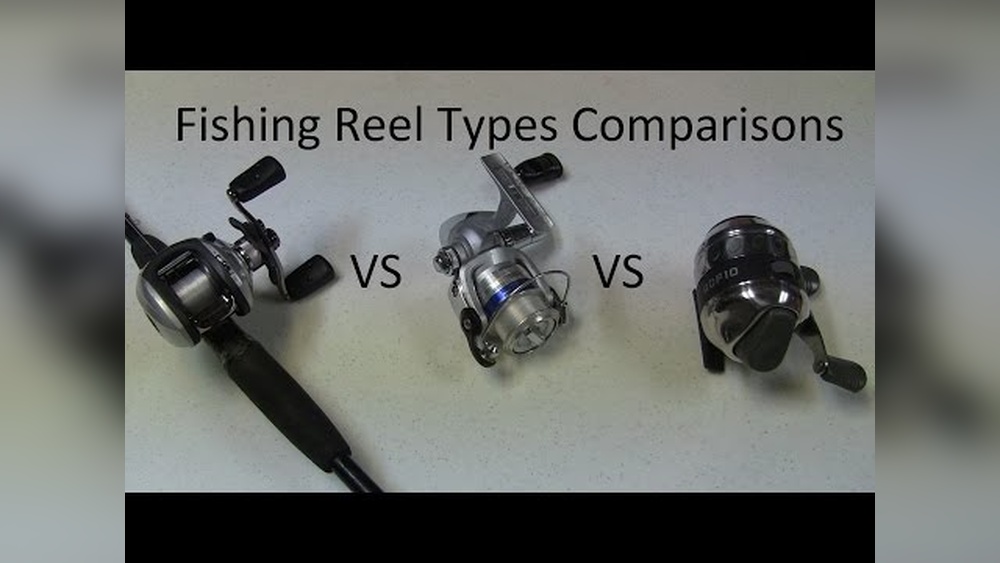
When you walk down the fishing aisle at your local shop or browse online, you often see two main types of fishing reels: open face and closed face. For beginners, these names might sound confusing. Even experienced anglers sometimes debate which is better for different situations. The truth is, both reels have strengths and weaknesses, and the best choice depends on your needs, skills, and the type of fishing you want to do. Let’s dive deep into the differences, so you can make a smart choice and enjoy your time on the water.
What Is An Open Face Fishing Reel?
An open face fishing reel is also called a spinning reel. It is one of the most popular reels you’ll see, especially among people who fish in lakes, rivers, or the ocean. The reel sits under the fishing rod, and you can see the line wrapped around the spool. It has a wire arm called a bail that you flip open to cast your line.
Open face reels are known for their versatility. You can use them for many types of fishing, from catching small trout to larger saltwater species. They can handle light or heavy lines, and they work well with both live bait and artificial lures.
Main Features
- Visible spool: You can see the line at all times.
- Manual bail: You flip it to cast and close it to reel in.
- Drag adjustment: Usually on the top, lets you control how much resistance a fish feels.
- Handles: Most can switch for left or right hand use.
Common Uses
Open face reels are popular for:
- Bass fishing
- Trout fishing
- Inshore saltwater fishing
- Casting longer distances
Many anglers start with an open face reel after they learn the basics, because these reels offer more control and can handle bigger fish.
What Is A Closed Face Fishing Reel?
A closed face fishing reel is also known as a spincast reel. It looks different from the open face version. The line and spool are hidden under a metal or plastic cover. Only the line comes out through a small hole in the cover.
This reel sits on top of the rod, and you cast by pressing a button with your thumb. When you stop holding the button, the line stops flying out. This simple design makes it a favorite for children and beginners.
Main Features
- Enclosed spool: Keeps line tangle-free.
- Push-button casting: Simple and easy for anyone.
- Drag control: Usually a small knob on the side.
- Lightweight: Most are made for small fish and lighter lines.
Common Uses
Closed face reels are good for:
- Panfish, like bluegill or crappie
- Small bass or trout
- Fishing in ponds or calm lakes
- Beginners or young anglers
Because these reels are so easy to use, they are often found on the first rod many people own.
Key Differences Between Open And Closed Face Reels
Choosing between open face and closed face reels isn’t just about looks. The design affects everything: how you cast, what fish you can catch, and how much you enjoy your day.
Here’s a quick comparison to help you see the differences:
| Feature | Open Face Reel | Closed Face Reel |
|---|---|---|
| Spool Visibility | Exposed | Enclosed |
| Casting Method | Manual bail, finger release | Push button |
| Line Capacity | Medium to high | Low to medium |
| Best For | All skill levels, larger fish | Beginners, smaller fish |
| Maintenance | Easy to clean | Harder to clean |
| Price Range | Wide | Usually low |
Let’s break down what these differences really mean when you’re out fishing.
Casting Performance
The way you cast is one of the first things you’ll notice.
- Open face reels allow you to cast farther and with more accuracy. You control the line with your finger, which means you can let out as much or as little as you want. This is perfect for reaching fish that are far from shore or under overhanging trees.
- Closed face reels make casting easy—just push the button and swing. But they often can’t cast as far. The line comes out of a small hole, which can slow it down.
If you want to cast long distances or need to reach tricky spots, open face reels have the advantage. But if you just want to get your bait in the water without worrying, closed face reels are simple and reliable.
Common Mistakes In Casting
Beginners with open face reels often forget to flip the bail or hold the line with their finger. This can lead to tangled line or short casts. With closed face reels, the most common mistake is not pressing the button all the way or letting go at the wrong time.
Tip: Practice your casting in a field or yard before you go fishing. This will help you get comfortable with timing and technique.
Line Control And Tangles
One big reason people choose closed face reels is to avoid tangles. The cover keeps the line inside, so it’s harder for loops and knots to form. But this only works with light lines and small fish. If you try to use heavy line or fight a big fish, the line can get stuck inside the cover.
Open face reels need more attention. If you put the line on wrong, or don’t keep tension, you can get wind knots (loops that twist together). But once you learn, you have more control. You can see the line and fix problems quickly.
Non-obvious Insight
A key detail many miss: open face reels let you use braided or specialty lines, which are stronger and last longer. Most closed face reels can only use basic monofilament line, and too much or too heavy line can jam the reel.
Drag System And Fighting Fish
Drag is what lets a fish pull line without breaking it. The drag system is more advanced on open face reels. You can adjust it easily, and some even let you fine-tune during a fight. This matters for big or strong fish, like bass or redfish.
Closed face reels have simple drag. You turn a knob, but the adjustment is not as smooth. If a big fish bites, the line might break, or the drag might not let out enough line.
Practical Example
If you hook a three-pound bass with a closed face reel, the drag may not protect your line. With an open face reel, you can quickly adjust and let the fish tire itself out.
Maintenance And Durability
Fishing reels get wet, sandy, and dirty. Open face reels are easy to rinse and dry. You can clean the spool and gears without taking the reel apart.
Closed face reels protect the inside from dirt, but if something does get in, it’s hard to clean. You have to take off the cover, and sometimes you need tools. Over time, closed face reels can rust inside or jam.
Non-obvious Insight
Many beginners think closed face reels never need cleaning, but if water gets inside, rust can build up where you can’t see. Open face reels, while more open to dirt, let you spot problems early and fix them with simple tools.
Cost And Value
Price is always a factor. Closed face reels are often cheaper, with many good options under $30. This makes them a great choice for kids or people who fish just a few times a year.
Open face reels have a wider price range. You can find basic models for $20, but high-end reels can cost hundreds. The extra money often gets you better materials, smoother casting, and longer life.
When Value Matters More
If you fish a lot or plan to try new techniques, investing in a better open face reel can save money over time. Cheap closed face reels may need to be replaced often, especially if you catch bigger fish.

Credit: www.youtube.com
Skill Level And Learning Curve
The biggest reason to start with a closed face reel is ease of use. There’s almost no learning curve. Push the button, cast, and reel. Kids can master it in minutes.
Open face reels take more practice. You have to hold the line, time your release, and watch the bail. The first few tries, you might get tangles or short casts. But once you learn, you gain control and can use the same skills on other reel types.
Step-by-step: Learning An Open Face Reel
- Hold the rod with your dominant hand.
- Use your index finger to hook the line.
- Open the bail with your other hand.
- Swing the rod and let go of the line at the right moment.
- Close the bail and start reeling.
Practice is key. After a few trips, it becomes natural.
Target Fish And Techniques
Not all fish are equal. The reel you choose should match what you want to catch.
- Closed face reels are best for:
- Bluegill, crappie, perch
- Small bass or trout
- Fishing with worms or small lures
- Open face reels are best for:
- Larger bass, pike, catfish
- Saltwater fish like redfish, snook
- Fishing with bigger lures, live bait, or artificial rigs
- Casting long distances
| Fish Species | Open Face Reel | Closed Face Reel |
|---|---|---|
| Bluegill/Crappie | Excellent | Excellent |
| Bass | Excellent | Good (small bass) |
| Pike/Catfish | Excellent | Poor |
| Saltwater Fish | Excellent | Poor |
If you want to grow as an angler and try new waters, open face reels give you more options. But for a relaxing day at the pond, closed face reels do the job.
Pros And Cons At A Glance
To help you decide, here’s a quick look at the main benefits and drawbacks of each reel:
| Reel Type | Pros | Cons |
|---|---|---|
| Open Face | – Long, accurate casts – Handles big fish – Works with many lines – Easy to clean |
– Takes practice – Prone to line twists – Can be more expensive |
| Closed Face | – Very easy to use – Good for kids and beginners – Few tangles at first |
– Limited casting distance – Only for small fish – Hard to clean inside |
When To Choose An Open Face Reel
There are times when an open face reel is clearly the better choice.
- You want to cast far and with accuracy, such as when fishing from shore or a pier.
- You plan to fish for bigger or stronger fish.
- You want to use a variety of lures, rigs, or bait types.
- You are ready to learn and practice new skills.
- You value a reel that can grow with you as you try new fishing styles.
Many tournament anglers and experienced fishers use open face reels for their flexibility and control.
When To Choose A Closed Face Reel
A closed face reel is the best pick when:
- You are brand new to fishing or teaching a child.
- You want a simple, no-fuss setup for relaxing days.
- You are targeting small fish in calm waters.
- You prefer a lightweight, easy-to-carry rod and reel.
Some adults use closed face reels for panfishing, because they are relaxing and fun.
Common Mistakes When Choosing A Reel
Many beginners buy a reel based only on price or looks. Here are common errors to avoid:
- Ignoring Target Fish: If you want to catch bigger fish, a closed face reel will likely fail.
- Overfilling the Spool: Both reel types need the right amount of line. Too much causes tangles or jams.
- Forgetting Comfort: Try holding the reel before buying. Some handles are more comfortable for small or large hands.
- Skipping Practice: Even the best reel won’t help if you don’t practice casting and reeling.
- Not Checking Compatibility: Make sure your reel fits your rod, especially for open face reels.

Credit: www.stadedembour.com
How To Choose The Right Reel For You
The right reel depends on your skill, target fish, and where you plan to fish. Here’s a simple guide to help you decide:
- Skill Level: If you’re a beginner, start with a closed face reel. If you’re ready to learn, try an open face reel.
- Target Fish: For small fish, both reels work. For bigger fish, open face is better.
- Fishing Location: Open face reels are better for rivers, lakes, and the ocean. Closed face reels are fine for ponds and small lakes.
- Budget: Closed face reels are usually cheaper, but open face reels offer more value long term.
- Future Goals: Do you want to try new fishing styles? If yes, learn open face reels early.
Maintenance Tips For Both Reel Types
Proper care extends your reel’s life and improves performance.
For Open Face Reels
- Rinse with fresh water after use, especially in saltwater.
- Dry thoroughly before storing.
- Oil gears and moving parts every few months.
- Replace line if it looks frayed or twisted.
For Closed Face Reels
- Open the cover once in a while to check for dirt or rust.
- Rinse and dry as much as possible.
- Use only the recommended line weight and type.
- Store in a dry place to avoid rust inside.
Tip: Always check your reel before each trip. A few minutes of care can prevent problems on the water.
Advanced Insights: When To Break The Rules
Some experienced anglers use closed face reels for fun or nostalgia, even for medium fish. There are also high-end closed face reels with better drag and smoother action. However, these are rare and often more expensive than basic open face reels.
Open face reels, when used with light line and small lures, can catch panfish just as easily as a closed face reel—but with more casting distance.
Real-world Example: A Day On The Lake
Imagine you take a friend fishing for the first time. You bring both reel types. Your friend starts with the closed face reel and catches a few bluegill. After an hour, you suggest trying the open face reel. At first, there are a few tangles.
But after some practice, your friend casts farther and even hooks a nice bass.
This is how many anglers grow—starting with closed face, then moving up as their skills improve.
Where To Learn More
If you want to see these reels in action or compare more models, check out the excellent guides at Anglers.com. Seeing videos or expert reviews can help you understand how each reel works.
Frequently Asked Questions
What Is The Main Difference Between Open And Closed Face Reels?
The main difference is that open face reels have a visible, exposed spool and need you to control the line with your finger, while closed face reels have a covered spool and use a push-button for casting. This makes closed face reels simpler for beginners.
Can You Catch Big Fish With A Closed Face Reel?
It’s possible, but not recommended. Most closed face reels are built for small to medium fish. If a big fish bites, the drag system and line may not handle the fight, and the reel could jam or break.
Are Open Face Reels Good For Beginners?
They can be, but there is a learning curve. Open face reels require some practice to avoid tangles and cast accurately. Many beginners start with closed face reels, then move to open face reels as their skills grow.
How Do I Avoid Line Tangles?
Use the right type and amount of line for your reel. For open face reels, watch for loose loops and always close the bail by hand. For closed face reels, avoid overfilling the spool. Practice helps reduce tangles with both types.
How Often Should I Clean My Fishing Reel?
Rinse your reel with fresh water after every trip, especially if you fish in saltwater. Open face reels should be oiled and checked for dirt every few months. Closed face reels need their covers removed and the inside checked at least once per season.
Both open face and closed face fishing reels have their place in the world of fishing. The best choice depends on your goals, your skill level, and your target fish. Start simple if you’re new, but don’t be afraid to try something new as you improve. The right reel will help you enjoy fishing more—and maybe catch the biggest fish of your life.

Credit: www.allurelakestorey.com