
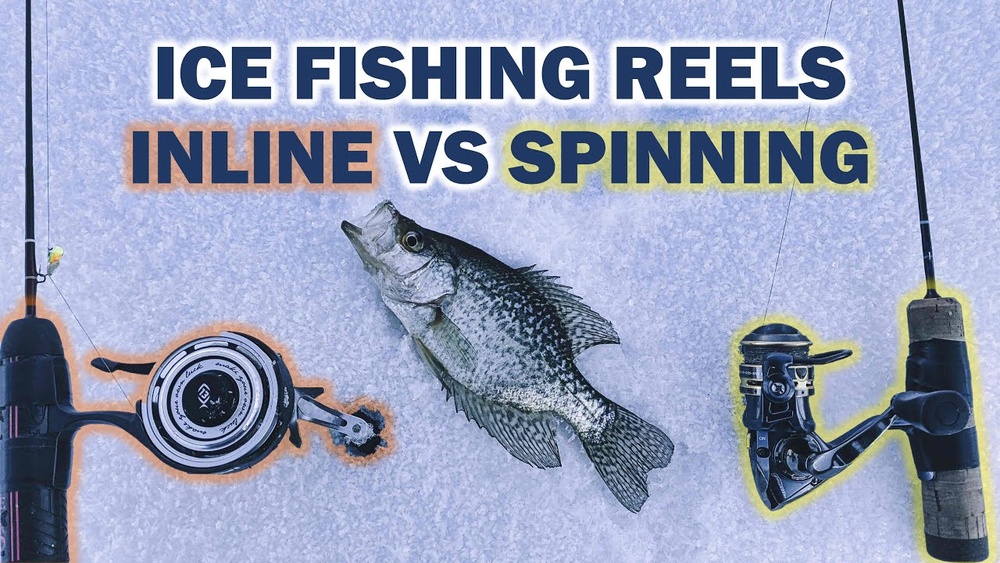
Ice fishing is a unique sport with its own set of gear, skills, and challenges. Among the most debated choices for ice anglers is the type of reel to use: inline or spinning. Both reels have passionate supporters and unique strengths. If you’re new to ice fishing, or even if you’ve been dropping lines through the ice for years, knowing which reel fits your style and target species can make a big difference in your results.
Let’s explore what makes inline and spinning reels different, the pros and cons of each, and how to choose the best reel for your next ice fishing trip.
Understanding Ice Fishing Reels
Ice fishing is not just regular fishing on a frozen lake. The gear you use must perform well in extreme cold, be easy to handle with gloves, and help you detect even the lightest bites. The reel is one of the most important parts of your setup because it controls your line and helps you land fish efficiently.
The two main types of reels used for ice fishing today are inline reels and spinning reels. Each has a different design, function, and place in the world of ice fishing.
What Is An Inline Reel?
An inline reel is designed so the line comes straight off the spool in line with the rod guides, reducing twist and memory. Inline reels look similar to small fly reels and are mounted below the rod. They are popular for light line presentations, especially for panfish like bluegill, crappie, and perch.
What Is A Spinning Reel?
A spinning reel is the classic open-face reel many anglers use for open water fishing. The spool sits parallel to the rod, and a bail arm wraps the line onto the spool. Spinning reels are versatile, easy to use, and found in many ice fishing setups, from ultralight to heavy action.
Inline Reel Ice Fishing: Deep Dive
Inline reels are often seen as a modern solution to old ice fishing problems. Their design is simple, but the benefits can be huge for certain techniques.
Key Advantages Of Inline Reels
- Reduced Line Twist: Inline reels release line straight down, which means little to no twist. This is important because twisted line can make your lure spin unnaturally, causing fish to lose interest.
- Improved Lure Presentation: Because the line comes off the spool smoothly, jigs and lures drop naturally. This is especially useful for small jigs that might spin or tangle with a spinning reel.
- Better Bite Detection: Inline reels let you feel bites more directly since there’s less drag from the reel and line. This helps when fish are finicky and only nibble.
- Less Line Memory: Monofilament and fluorocarbon lines can “remember” the shape of the spool, causing coils and tangles. Inline reels greatly reduce this problem, especially in freezing weather.
Disadvantages Of Inline Reels
- Limited Drag Systems: Most inline reels use simple drag systems. They might not have the fine adjustments needed for bigger or stronger fish.
- Lower Line Capacity: The spools are usually small. This limits how much line you can use, making them less useful for deep water or large fish.
- Learning Curve: If you’re used to spinning reels, inline reels feel different. Dropping and retrieving line takes some practice.
- Slower Retrieve Speeds: Inline reels don’t bring in line as fast as spinning reels, which can be a downside if you need to reel up quickly for active fish.
When Inline Reels Work Best
- Ultralight jigs for panfish
- Shallow to moderate water depths (less than 25 feet)
- Clear or pressured water, where natural presentation matters
- Anglers who want to minimize line twist and memory
Inline Reel Innovations
Some brands have added features like magnetic or mechanical free-fall triggers, allowing for controlled drops. This gives anglers more control and helps avoid backlashes, even with light lines.
Spinning Reel Ice Fishing: Deep Dive
Spinning reels are the workhorses of fishing. They are everywhere, from summer bass lakes to frozen winter ponds. Their familiarity and versatility make them a strong choice for many ice anglers.
Key Advantages Of Spinning Reels
- Versatility: Spinning reels can handle everything from tiny jigs to heavy spoons. You can target panfish, walleye, trout, or even pike with the right size reel.
- Fast Line Retrieve: Spinning reels pick up line quickly, which is helpful when you need to check baits, move spots, or bring in active fish.
- Reliable Drag Systems: Good spinning reels have smooth, adjustable drag. This is important for fighting larger fish or using light lines.
- Larger Line Capacity: Spools can hold more line, allowing you to fish deeper and handle bigger fish.
Disadvantages Of Spinning Reels
- Line Twist Problems: Every time you turn the handle, spinning reels add a bit of twist to your line. Over time, this can cause tangles, coils, and spinning lures.
- More Line Memory: Especially with monofilament, spinning reels can create coils and loops, making bite detection harder.
- Heavier and Bulkier: Spinning reels are usually larger and heavier than inline reels, which can matter when you’re holding a rod all day in the cold.
- Awkward Handling With Gloves: The bail arm and small knobs can be tricky to use with thick gloves or mittens.
When Spinning Reels Work Best
- Deeper water (over 25 feet)
- Larger target species (walleye, pike, trout)
- Aggressive fishing styles that need quick line retrieve
- Situations where you need to use heavier lines or lures
Advances In Spinning Reels
Some newer spinning reels are designed specifically for ice fishing. They are smaller, lighter, and use cold-resistant grease in their gears. This keeps them smooth even in sub-zero temperatures.
Inline Vs Spinning Reel: Feature Comparison
Understanding the real differences between inline and spinning reels for ice fishing can help you make the right choice. The following table highlights the most important features side-by-side.
| Feature | Inline Reel | Spinning Reel |
|---|---|---|
| Line Twist | Very Low | Medium to High |
| Lure Presentation | Natural, less spinning | Sometimes unnatural spin |
| Retrieve Speed | Slow | Fast |
| Line Capacity | Low | High |
| Drag System | Basic | Advanced, adjustable |
| Weight | Light | Medium to Heavy |
| Best For | Panfish, shallow water | All species, deeper water |
| Ease of Use | Learning curve | Beginner-friendly |
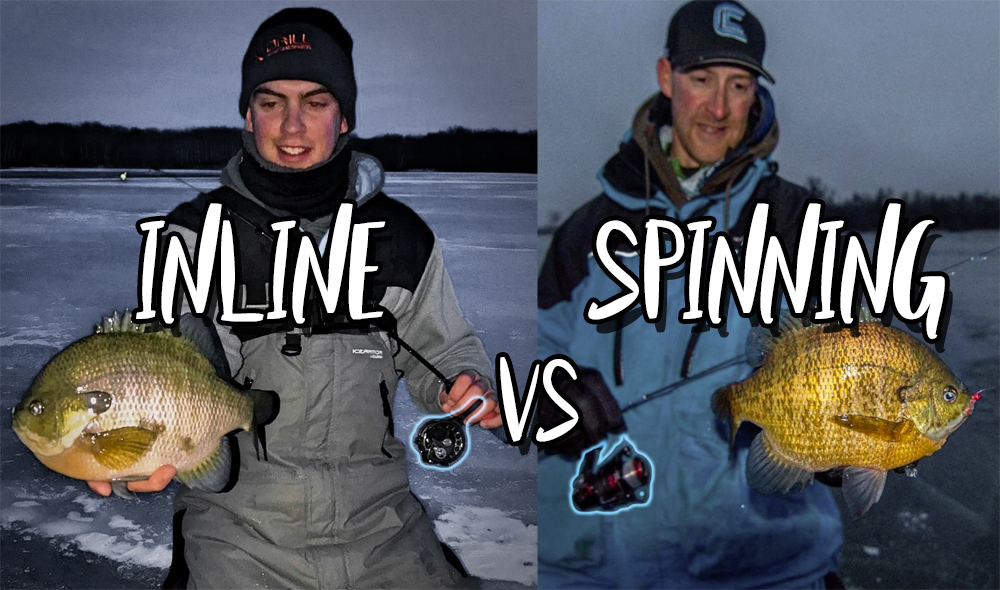
Credit: targetwalleye.com
Choosing The Right Reel For Your Ice Fishing Style
Not every angler fishes the same way. Your choice between inline and spinning reels should match your goals, target fish, and how you like to fish.
Inline Reels: Who Should Use Them?
If you love chasing panfish in shallow to mid-depth water, and you want the most natural lure action, inline reels are worth trying. They are also great if you’re tired of fighting line twist and want to feel every bite.
Spinning Reels: Who Should Use Them?
If you want a do-everything setup that can handle big fish, deep water, and changing conditions, spinning reels are a solid choice. They are familiar, reliable, and available in many sizes and price points.
Species And Reel Choice
Certain fish and techniques match better with one reel type. Here’s a practical guide:
- Bluegill/Crappie/Perch: Inline reels shine for these small, line-shy fish.
- Walleye/Trout: Spinning reels offer more strength and line capacity.
- Pike: Spinning reels are usually preferred for their power and drag.
Real-world Example
Imagine you’re jigging for bluegill in 12 feet of water with a 1/32 oz jig. An inline reel lets your jig drop straight down, avoids line twist, and makes it easy to detect soft bites. Now, picture targeting walleye in 30 feet.
A spinning reel helps you get your bait down quickly and gives you the drag control needed for a big fight.
Practical Pros And Cons: Inline Vs Spinning Reel Ice Fishing
Both reel types have their place in an ice angler’s sled. Here’s a closer look at the practical ups and downs of each.
Inline Reel Pros
- Superior line management for light lures
- Minimal line twist, which means less frustration and better lure action
- Direct feel for subtle bites
- Lightweight for all-day comfort
Inline Reel Cons
- Limited to shallow/medium depths
- Not ideal for large fish due to basic drag
- Can freeze up if water gets inside the reel
Spinning Reel Pros
- Handles a wide range of fish
- Fast to retrieve line when moving holes
- Good drag systems for fighting big fish
- Easy to find, with many models and prices
Spinning Reel Cons
- Line twist is a constant problem
- More line coils and memory, especially in cold weather
- Heavier than inline reels
- Not as sensitive for detecting soft bites
Common Mistakes When Choosing A Reel
Many beginners make the same errors when picking an ice fishing reel. Knowing what to avoid can save you time and money.
- Ignoring Line Twist: Some anglers don’t realize how much line twist can affect their success, especially with small jigs.
- Buying Too Big: A large spinning reel is heavy and awkward on the ice. Choose reels designed for ice fishing.
- Overlooking Drag Quality: Cheap reels often have sticky or weak drag systems. This can cost you fish.
- Not Matching Reel to Rod: Pairing a heavy reel with an ultralight rod throws off balance and sensitivity.
- Skipping Practice: Switching from spinning to inline reels takes practice. Don’t wait until you’re on the ice to learn.
Price And Value: What To Expect
Both inline and spinning reels come in a wide price range. Entry-level inline reels start around $25, but higher-end models with better bearings and drag can cost $60–$100. Spinning reels for ice fishing are available from $20 for basic models to over $120 for top brands.
You don’t need to spend a fortune. For most anglers, a mid-range reel ($40–$70) balances quality and price. The most important thing is to pick a reel that fits your rod, line, and fishing style.
Maintenance And Durability In Cold Conditions
Ice fishing is tough on reels. Freezing temps, slush, and water can cause problems for both types.
Inline Reels
- Simple construction means fewer moving parts to freeze.
- Keep the reel dry, and avoid dunking it in slush.
- Lubricate gears lightly with cold-weather grease.
Spinning Reels
- Wipe down after each outing to prevent ice buildup.
- Use only cold-resistant lubricants on gears and bearings.
- Check the bail arm for smooth operation—ice can cause it to stick.
A non-obvious tip: If you store your reels inside your ice shelter or a heated vehicle between spots, condensation can form and freeze. Let reels adjust to outside temperature before fishing.
Popular Myths About Inline And Spinning Reels
Some beliefs about these reels are more myth than fact. Here are two that often confuse beginners:
- “Inline reels never tangle.” While they greatly reduce line twist, they can still backlash if not used correctly, especially with light lines.
- “Spinning reels are always better for big fish.” While spinning reels have better drag, a strong inline reel with the right line can also land large fish if you’re skilled.
Table: Best Use Cases For Each Reel Type
Here is a simple overview of which reel to use in different situations:
| Fishing Situation | Best Reel Type | Reason |
|---|---|---|
| Panfish in shallow water (under 20 ft) | Inline | Reduces line twist; natural jig action |
| Panfish in deep water (over 25 ft) | Spinning | More line capacity; faster drop |
| Walleye or trout (all depths) | Spinning | Stronger drag; holds more line |
| Pike, large predators | Spinning | Heavy line and drag needed |
| Super light jigs (< 1/32 oz) | Inline | Prevents lure spin; better control |
Tips For Getting The Most From Your Reel
Whether you choose inline or spinning, a few smart habits can help you fish better and avoid frustration.
- Use ice-specific line: Cold temps make regular line stiff and brittle. Ice fishing lines handle cold and reduce memory.
- Spool line properly: For spinning reels, load line off the filler spool so it matches the reel’s direction. This cuts down on twist.
- Check for ice buildup: Both reels can freeze up. Knock off ice often, especially around the line guide and spool.
- Test your drag: Before fishing, pull line off the reel to check drag smoothness. Adjust as needed for your target fish.
- Keep reels dry: Water inside the reel can freeze and damage gears. Dry your reels after each trip.
A mistake many miss: Failing to replace line after a season. Old line, especially on spinning reels, holds more twist and memory. Fresh line makes a big difference.
Credit: targetwalleye.com
Inline Vs Spinning Reel: Which Is More Beginner-friendly?
For most new ice anglers, spinning reels are easier to use. They are familiar to anyone who has fished open water and are more forgiving of mistakes. Inline reels, while great for serious panfish anglers, take time to master. If you’re starting out, a spinning reel is a safe bet.
But as your skills grow, trying an inline reel can help you catch more and have more fun.
Notable Brands And Models
Some trusted brands dominate the ice fishing market for both reel types.
Inline Reels:
- 13 Fishing Black Betty series
- Clam Gravity series
- Piscifun ICX Precision
Spinning Reels:
- Shimano Sienna FG Ice
- Pflueger President XT Ice
- Daiwa QZ750
These brands are known for quality, reliability, and good service. For more details on reel types and fishing techniques, you can check the Wikipedia page on fishing reels.

Credit: www.rapala.ca
Frequently Asked Questions
What Is The Biggest Advantage Of Inline Reels For Ice Fishing?
The main benefit is minimal line twist. This keeps your jigs from spinning and helps you present lures naturally, which is critical for finicky panfish.
Can I Use A Regular Spinning Reel For Ice Fishing?
Yes, but it’s better to use ice-specific spinning reels. They are lighter, have cold-resistant grease, and fit better on short ice rods.
Do Inline Reels Work For Big Fish Like Walleye Or Pike?
Most inline reels are designed for panfish and light lines. Some heavy-duty models can handle bigger fish, but spinning reels are usually safer for strong fights and deep water.
Why Does My Spinning Reel Cause Line Twist When Ice Fishing?
Spinning reels naturally twist the line as you retrieve. Cold weather and heavy jigs can make it worse. Using line swivels and spooling your line correctly can help reduce twist.
Should I Buy Both Types Of Reels For Ice Fishing?
If you fish often and target different species, owning both inline and spinning reels lets you adapt to any situation. Many experienced anglers carry both on the ice.
Choosing between inline and spinning reels for ice fishing is a personal decision, shaped by your target fish, style, and experience. Each reel has its own place in the ice angler’s arsenal. By understanding their strengths, weaknesses, and when to use each, you’ll catch more fish and enjoy your time on the ice even more.