
Tuna fishing in Massachusetts is more than just a popular summer activity—it’s a tradition, a business, and for many, a passion. Each year, anglers and commercial fishers wait eagerly for the season to open, hoping for a chance at the prized bluefin tuna.
But how long does the tuna fishing season actually last in Massachusetts? The answer is more complex than many people realize, with regulations, weather, and fish behavior all playing important roles. If you’re planning to join the action or just want to understand how it all works, this guide gives you the full picture.
Why Tuna Fishing Season Matters
The tuna fishing season in Massachusetts is not just about fun or sport. It’s tightly linked to the health of the fish population, the success of local businesses, and the culture of coastal communities. A well-managed season helps protect Atlantic bluefin tuna stocks, supports the livelihoods of charter captains, and brings excitement to thousands of recreational anglers. But regulations can change yearly, and knowing the details makes the difference between a legal catch and a costly mistake.
Many first-time anglers think the season is open all summer or that anyone can just go out and fish at any time. In reality, the rules are strict, and understanding them is key to having a successful and lawful experience.
Tuna Species Found In Massachusetts Waters
You might be surprised to learn that Massachusetts waters are home to several types of tuna, not just one. Each species has its own season, size limits, and regulations.
- Atlantic Bluefin Tuna: The most sought-after species, known for its size and value.
- Yellowfin Tuna: Smaller but popular for both sport and eating.
- Bigeye Tuna: Less common, but sometimes caught offshore.
- Albacore Tuna: More common in southern New England waters but occasionally found near Massachusetts.
Most recreational and commercial fishing in Massachusetts targets Atlantic bluefin tuna. This species is strictly regulated due to its declining population worldwide. Seasons for yellowfin and albacore are less tightly controlled, but bluefin rules are especially important.

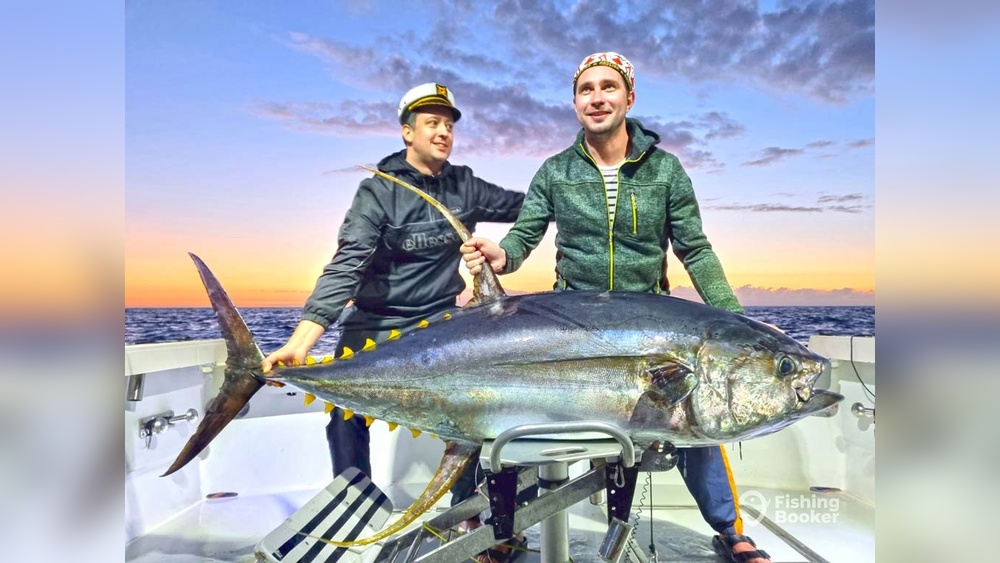
Credit: fishingbooker.com
When Is Tuna Season In Massachusetts?
The tuna fishing season in Massachusetts is set each year by the National Oceanic and Atmospheric Administration (NOAA). The dates can change based on the health of the tuna stock and international agreements.
2024 Tuna Fishing Season Dates
In 2024, the main bluefin tuna season for recreational and commercial anglers in Massachusetts is expected to run from:
- June 1 through November 30
But this window is not always open for every size of tuna or type of permit. Sometimes, NOAA will close the season early if the yearly catch quota is reached.
How The Season Is Decided
NOAA reviews stock assessments, fishing reports, and international quotas before setting the official season. They may adjust the start or end dates with little notice. For example, if too many large bluefin are caught early in the year, the season for that size class may close weeks before November.
How Long Is The Season, Really?
While the official season can last up to six months, the actual time you can fish depends on:
- Your permit type (commercial or recreational)
- Tuna size class (school, large school, giant)
- Quota status (how many fish have been caught)
There are years when the quota for large bluefin is met in July or August, closing that fishery for the rest of the year.
Tuna Season By Permit Type
Understanding your permit type is essential. Massachusetts distinguishes between recreational and commercial tuna fishing, and the season can be different for each.
Recreational Tuna Fishing
Recreational anglers make up a large group of Massachusetts tuna fishers. The season for them is generally the same as the official season, but with some restrictions.
- Season: Usually June 1 – November 30
- Permit Required: Highly Migratory Species (HMS) Angling Permit
- Size Limits: Only certain sizes can be kept (see below)
- Bag Limits: Strict daily and annual limits
Recreational fishers must report their catch online and follow all federal and state rules. Sometimes, the season for giant bluefin (over 73 inches) will close early for recreational anglers if quotas are met.
Commercial Tuna Fishing
Commercial tuna fishing is more regulated and can be more complex.
- Season: Varies by permit, usually June – November
- Permit Required: HMS Commercial Category Permit (General, Harpoon, Purse Seine, or Trap)
- Size Limits: Only fish over 73 inches can be sold commercially
- Quota-Based: Once the quota is met, the season closes, sometimes with only a few days’ notice
Commercial fishers must use special reporting and often face stricter rules. The season can close quickly for certain gear types or size classes.
Tuna Size Classes And Regulations
Not all tuna are the same, and regulations depend on the size of the fish you catch. The bluefin tuna is divided into size classes:
- School: 27 to <47 inches
- Large School: 47 to <73 inches
- Giant: 73 inches and above
Each class has its own quota, and the season for each can close separately.
Example: Size Class Closures
If too many giant bluefin are caught in July, NOAA may close the giant category, but school and large school classes may remain open. This approach helps protect different age groups of fish and spreads out fishing pressure.
Tuna Fishing Season By Month
The best months for tuna fishing in Massachusetts are usually June through October. The weather is calmer, the water is warmer, and the tuna migrate closer to shore. Here’s a breakdown of what you can expect by month:
| Month | Season Status | Common Tuna Size | Notes |
|---|---|---|---|
| June | Open | School/Large School | Tuna arrive offshore, water warming |
| July | Open | School/Large School/Giant | Peak for offshore trips, quota can fill fast |
| August | Open (may close for giants) | Large School/Giant | Warmest waters, best chance for big fish |
| September | Open | Large School/Giant | Excellent fishing, weather can turn rough |
| October | Open (some closures possible) | Large School | Fish move south, season winding down |
| November | Open (few fish left) | School/Large School | Colder, fewer boats, season ends |
Key Regulations Affecting Season Length
The tuna fishing season is shaped by several important rules. Missing these can lead to fines or loss of your permit. Here are the rules that matter most:
- Quota Closures: When the yearly quota for a size class is filled, the season for that class closes immediately.
- Daily Catch Limits: Recreational anglers can only keep a small number of tuna per day.
- Mandatory Reporting: All catches must be reported to NOAA within 24 hours.
- Gear Restrictions: Only certain types of gear (like rod and reel, harpoon) are allowed during specific times.
- Area Closures: Sometimes, NOAA will close certain areas to protect spawning tuna.
These regulations are designed to protect the tuna population and make sure the fishery is sustainable for future generations.
Comparing Massachusetts With Other States
How does Massachusetts compare to other East Coast states when it comes to tuna season?
| State | Typical Season Length | Main Species | Notes |
|---|---|---|---|
| Massachusetts | June–November (6 months max) | Bluefin, Yellowfin | Heavily regulated, quota-based |
| Maine | July–October (4 months) | Bluefin | Shorter season, cooler water |
| New Jersey | June–November (6 months) | Bluefin, Yellowfin, Bigeye | Similar rules, slightly warmer water |
| North Carolina | December–May (winter fishery) | Bluefin | Main season is winter, different migration |
Massachusetts has one of the longest and most active tuna fishing seasons in the Northeast, but it’s also the most closely watched by regulators.
Common Mistakes And How To Avoid Them
Many anglers new to Massachusetts tuna fishing make mistakes that can ruin their trip—or even cost them their permit. Here are some mistakes to watch out for:
- Not Checking for Updates: Season dates and quotas can change quickly. Always check the latest NOAA bulletins before heading out.
- Ignoring Size Limits: You can’t keep every tuna you catch. Measure carefully and release undersized fish.
- Forgetting to Report: Failing to report your catch can lead to big fines.
- Fishing in Closed Areas: Some areas may be off-limits during certain times. Know where you’re allowed to fish.
- Assuming the Season is Always Open: Just because it’s summer doesn’t mean the season is open for all size classes.
Weather And Environmental Factors
The official season is only part of the story. Weather and sea conditions often decide when you can actually get out on the water.
Summer Vs. Fall
- Summer: Calmer seas, warmer water, more tuna close to shore. But storms and fog can appear suddenly.
- Fall: Bigger fish move closer, but storms are more common, and days get shorter.
Water Temperature And Tuna Migration
Tuna follow warm currents. If the water warms up late, the season may start slow. In cold years, tuna leave earlier, shortening the practical season.
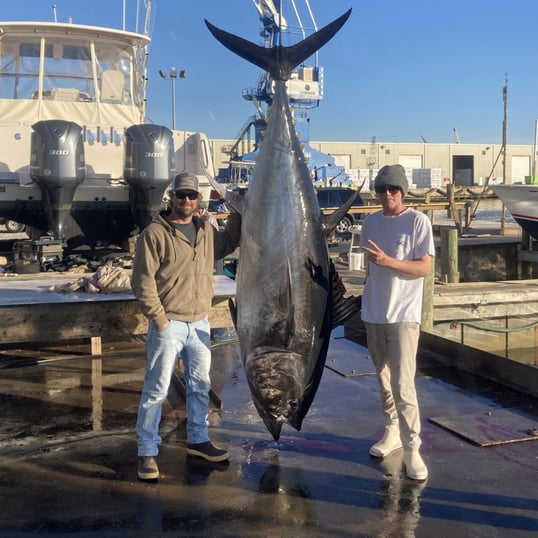
Credit: captainexperiences.com
Best Times And Locations For Tuna Fishing
The best time to fish for tuna in Massachusetts is usually mid-July through September. That’s when the largest numbers and biggest fish are present. Some of the best-known fishing spots include:
- Cape Cod Bay: Easy access, lots of school-size tuna in summer.
- Stellwagen Bank: Famous for giant bluefin, deep waters.
- Georges Bank: Offshore, best for experienced anglers and big boats.
- South of Martha’s Vineyard: Productive for both yellowfin and bluefin.
Each area has its own peak times, so local knowledge is very valuable.
How To Stay Informed About Season Updates
Because the tuna season can change fast, staying updated is essential. Here are the best ways to keep informed:
- NOAA Website: The official source for tuna regulations and season closures.
- Email Alerts: Sign up for notifications from NOAA’s Highly Migratory Species Division.
- Local Bait Shops and Marinas: They often have the latest news.
- Fishing Forums and Social Media: Real-time reports from other anglers.
- Charter Boat Captains: They rely on up-to-date information for their business.
Licensing And Permits For Tuna Fishing
You cannot fish for tuna in Massachusetts without the correct permit.
Recreational Permits
- Highly Migratory Species (HMS) Angling Permit
- Apply online through NOAA
- Costs about $26 annually (2024 rate)
- Covers the boat, not just one person
Commercial Permits
- HMS Commercial Category Permit
- Different categories for different gear types
- More expensive and require additional reporting
Fishing without a permit is illegal and can lead to heavy penalties.
Conservation And Sustainable Fishing
The reason for strict seasons and quotas is to protect the Atlantic bluefin tuna population. Overfishing in the past led to dramatic declines, and it’s only through careful management that the population is now showing signs of recovery.
- Catch and Release: Many anglers now release large fish to help conservation efforts.
- Tagging Programs: Some groups tag tuna to study their migration and behavior.
- International Cooperation: The U.S. works with other Atlantic nations to set quotas and share data.
Fishing responsibly helps make sure there will be tuna for future generations.
Economic And Cultural Importance
The tuna fishing season is a major part of Massachusetts’ coastal economy. It supports:
- Charter boat businesses
- Local marinas and bait shops
- Restaurants and seafood markets
- Tourism: Many people travel to the state just for a chance to catch a bluefin.
Some towns, like Gloucester, have built their identity around tuna fishing. The TV show “Wicked Tuna” has also made Massachusetts famous for big bluefin.
Tuna Season And Local Events
Several events and tournaments happen during the tuna season, including:
- Bluefin Blowout (Gloucester, August): One of the largest tuna tournaments in the Northeast.
- Cape Cod Bay Tuna Fest: A newer event, growing in popularity.
- Local Charity Tournaments: Many benefit local causes and attract both amateurs and pros.
These events help raise awareness about sustainable fishing and bring communities together.
Gear And Preparation For The Season
Being ready for the tuna season means more than just getting your permit. You need the right gear, safety equipment, and knowledge.
- Rods and Reels: Heavy-duty, able to handle large fish
- Tackle: Special lures and bait for bluefin tuna
- Safety Gear: Life jackets, emergency beacons, first aid kit
- Boat Preparation: Tuna fishing often means going far offshore, so a seaworthy boat is essential
Many beginners underestimate the challenge—fighting a giant bluefin can take hours and requires teamwork.
The Experience: Why People Love Tuna Season
For many, the tuna fishing season is the highlight of the year. The excitement of seeing a giant fish hit the line, the teamwork needed to land it, and the stories told at the dock make it special. Even on days without a catch, being on the water during tuna season is an adventure.
Non-obvious Insights About Tuna Season
- Early Closures Can Surprise Even Experts: Some years, the giant bluefin quota is reached in just a few weeks. If you wait until August or September, you may miss your chance to catch a giant legally.
- Reporting Helps Keep the Season Open: The more accurate and timely the reports from anglers, the better the data for managing the fishery. Poor reporting can lead to early closures or tighter future quotas.
How To Make The Most Of The Season
If you want a good shot at landing a tuna in Massachusetts, follow these tips:
- Plan Early: Book charters or permits before the season starts.
- Fish Mid-Week: Fewer boats and less pressure on busy weekends.
- Watch the Weather: Safe trips mean watching forecasts closely.
- Network with Other Anglers: Sharing tips and news helps everyone.
- Practice Catch and Release: Helps conserve the resource and may even be required if you catch an out-of-season fish.
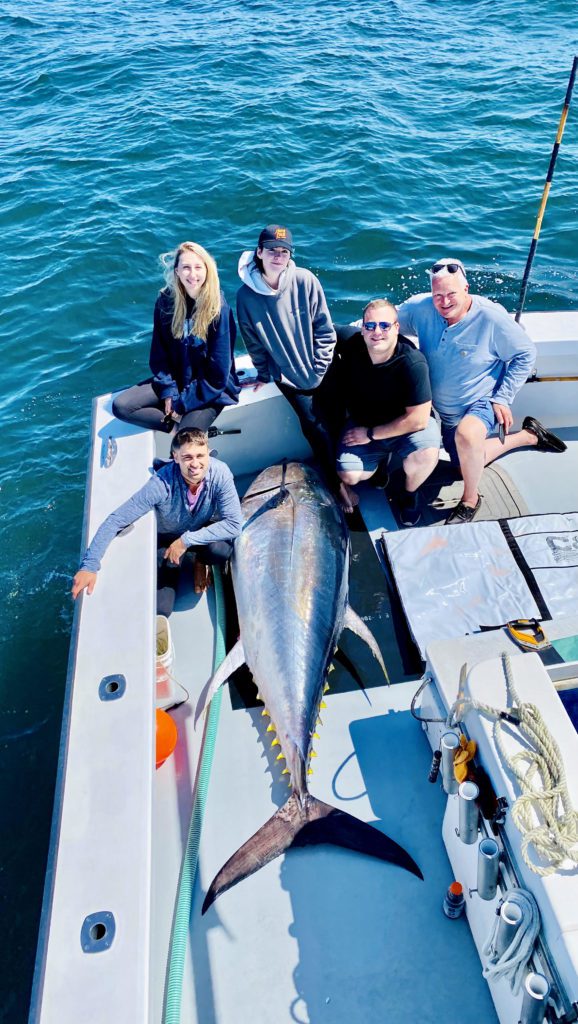
Credit: karenlynncharters.com
Additional Resources
For the most reliable and updated information on regulations, closures, and permits, always check the NOAA Fisheries website before planning your trip.
Frequently Asked Questions
How Do I Get A Permit To Fish For Tuna In Massachusetts?
You need a Highly Migratory Species (HMS) Angling Permit for recreational fishing or an HMS Commercial Category Permit for commercial fishing. Both are available online from NOAA. The permit covers your boat and everyone aboard.
Can I Keep Every Tuna I Catch During The Season?
No, you can only keep tuna that meet the legal size and bag limits for your permit type. Undersized fish must be released, and you must follow quota closures for each size class.
What Happens If The Season Closes Early?
If NOAA announces a quota closure, it is illegal to keep tuna from that size class until the season reopens. Always check for updates before your trip.
Is Charter Fishing Allowed During Tuna Season?
Yes, charter boats are very popular during the season. They must have the correct permits and follow all regulations. Many charters provide gear and help with reporting your catch.
What Is The Best Time Of Year To Catch A Giant Bluefin Tuna In Massachusetts?
The peak time for giant bluefin tuna is usually July through September, but early closures can happen if quotas are met. Plan your trip early in the season for the best chance.
The Massachusetts tuna fishing season offers excitement, challenge, and a chance to connect with nature. By understanding the rules, preparing properly, and respecting the resource, you can make the most of this unique season—whether you’re a local angler or traveling for the adventure.