
Daiwa Vs Shimano Fishing Reels Comparison
Choosing the right fishing reel can change your whole fishing experience. If you ask anglers around the world which brands they trust most, you will often hear two names: Daiwa and Shimano. Both companies have been at the top of the fishing reel industry for decades. They produce high-quality spinning, baitcasting, and specialized reels for every type of angler. But which one is better for you? This question is not simple. Each brand has its own technology, feel, and price range. If you want to make a smart choice, you need to look deeper than just brand reputation.
Let’s dive into the details, comparing Daiwa and Shimano reels across technology, performance, price, durability, and more. Whether you are a beginner, a casual weekend angler, or a serious tournament fisherman, this guide will help you understand the important differences.
You will learn about not just specs and features, but also real-world experiences and tips that many new anglers miss. By the end, you’ll feel confident choosing your next fishing reel.
Brand Backgrounds
Understanding the history and reputation of Daiwa and Shimano helps explain why so many anglers are loyal to these brands.
Daiwa was founded in Japan in 1958. They quickly became known for innovation, being the first to use graphite in reels. Over the years, Daiwa has released famous technologies like Magsealed bearings and Air Rotor systems, focusing on smooth operation and lightweight design.
Shimano started in Japan in 1921. They first made bicycle parts, but entered fishing in 1970. Shimano reels became famous for their reliability, precise engineering, and advanced gear systems like Hagane and X-Ship. Shimano is well-loved for both saltwater and freshwater reels.
Both brands have factories in Japan and abroad. Many anglers believe the Japanese-made reels from both companies are their best, but both also have high-quality products made in other countries.
Types Of Fishing Reels Offered
Both Daiwa and Shimano offer a wide range of reels, but their lineups have some unique strengths.
Daiwa Reel Types
- Spinning Reels: Popular series include Exist, Certate, Ballistic, and BG. Known for light weight and smoothness.
- Baitcasting Reels: Tatula, Zillion, and Steez are famous for precise casting and comfort.
- Specialty Reels: Saltiga for saltwater, and Emblem for surf fishing.
Shimano Reel Types
- Spinning Reels: Stella, Stradic, Vanford, and Sedona are top sellers. Strong, reliable, and smooth.
- Baitcasting Reels: Curado, Metanium, and SLX are favorites for their gear strength and distance.
- Specialty Reels: Twin Power for saltwater, and Tranx for heavy-duty fishing.
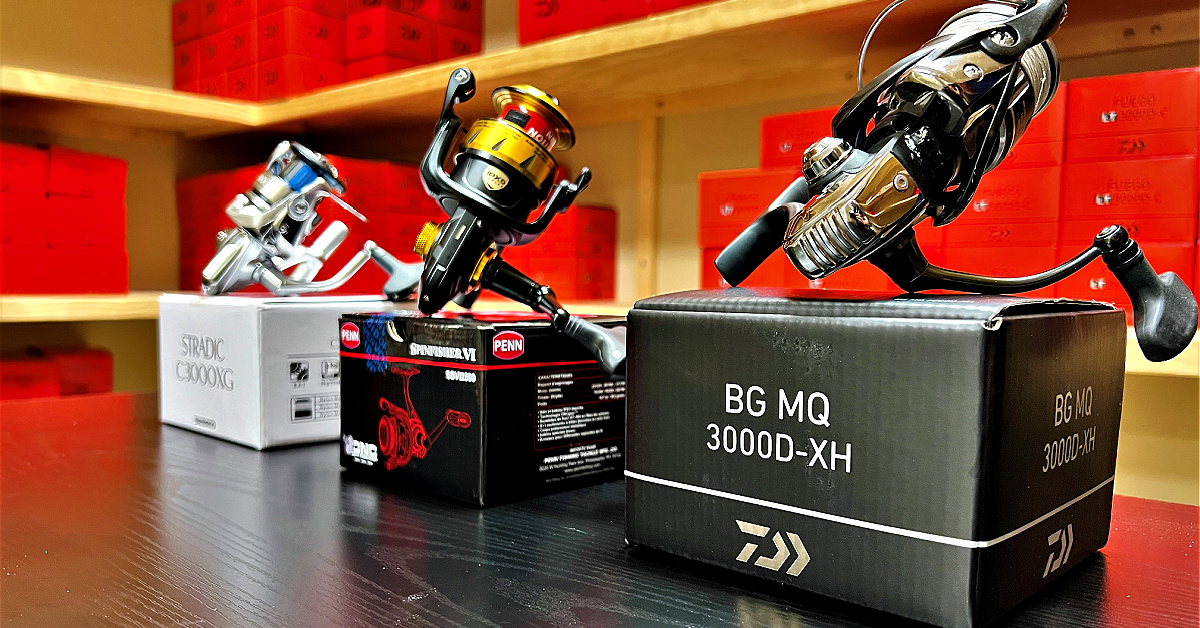
While both brands cover all main reel types, Daiwa is seen as a leader in lightweight designs and saltwater technology, while Shimano is famous for strong gears and all-round reliability.
Credit: www.saltstrong.com
Key Technologies Compared
The heart of each reel is its technology. Daiwa and Shimano both invest heavily in research, but their focus is different.
Daiwa Technologies
- Magsealed Bearings: Uses magnetic oil to keep water and dirt out. Increases reel life.
- Air Rotor: Reduces weight while keeping strength. Improves balance.
- Zaion Body: Special carbon material, lighter than aluminum but strong.
- ATD Drag System: Smooth drag under pressure, with no jerks.
- Digigear: Computer-designed gears for better fit and efficiency.
Shimano Technologies
- Hagane Gear: Cold-forged aluminum, very strong and durable.
- X-Ship: Supports the pinion gear with bearings for smoother reeling.
- CoreProtect: Shields key parts from water without adding heavy seals.
- MicroModule Gear: Smaller gear teeth for more contact and less vibration.
- G Free Body: Moves the reel’s center of gravity closer to the rod for comfort.
Technology Comparison Table
Here’s a simple overview of the main technologies:
| Feature | Daiwa | Shimano |
|---|---|---|
| Sealing | Magsealed | CoreProtect |
| Gear Material | Digigear (Alloy/Brass) | Hagane (Cold-Forged Aluminum) |
| Drag System | ATD | Cross Carbon Drag |
| Weight Reduction | Air Rotor, Zaion Body | G Free Body |
Both brands have impressive technology, but they use different methods. Daiwa focuses more on lightness and advanced seals, while Shimano focuses on gear strength and long-term smoothness.
Performance In Real-world Fishing
When you take a reel to the water, technology must perform. Let’s see how Daiwa and Shimano compare in real use.
Smoothness
Both Daiwa and Shimano reels are famous for their smooth action. Daiwa’s Magsealed bearings and Air Rotor make reeling almost effortless, especially in high-end models. Shimano’s MicroModule and X-Ship systems give a buttery, silent rotation. Most anglers agree that, in the top models, there is little difference.
If you test reels side by side, Shimano’s gears feel a bit more solid, while Daiwa feels lighter and “faster”.
Casting Distance
Daiwa’s lightweight rotors and precise spools help achieve long casts with less fatigue. Shimano’s slow oscillation spools lay line evenly, reducing tangles and improving distance. In practice, both brands perform well, but Daiwa reels are often picked for surf fishing, where casting distance matters most.
Drag Power
Drag is the system that controls line tension when a fish runs. Daiwa’s ATD drag is famous for starting smooth and staying smooth, even when fighting big fish. Shimano’s Cross Carbon Drag is also strong, but in lower models, some users feel a slight “start-up” jerk.
In high-end reels from both brands, drag performance is excellent.
Durability
Shimano’s Hagane gears are hard to beat for long-term strength, especially if you fish in saltwater. Daiwa’s Magsealed system protects internal parts from salt and dirt, which is great if you fish in harsh places. Both brands are reliable, but Shimano has a slight edge in gear life, while Daiwa is better at keeping water out.
Unique Insights
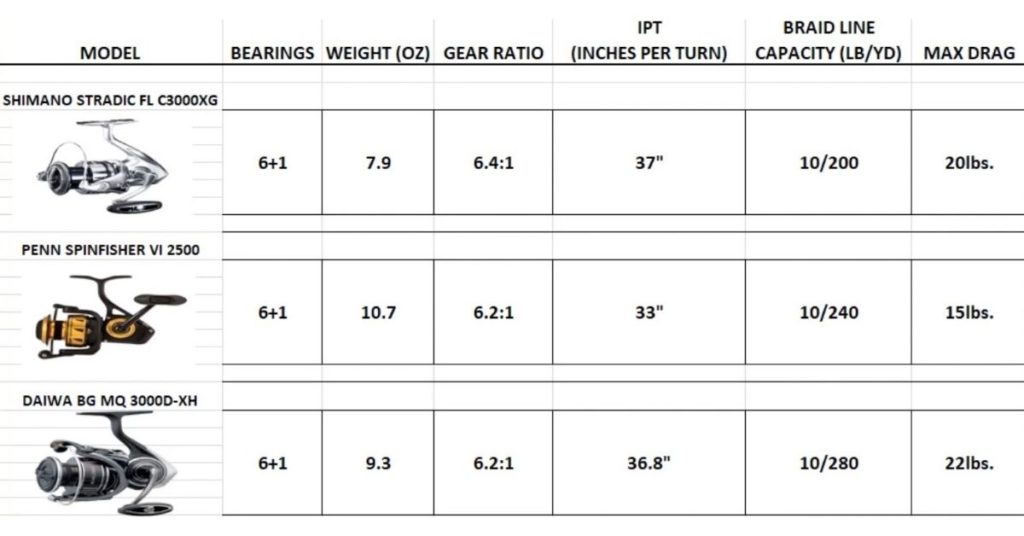
Many beginners do not realize that reel maintenance plays a huge role in durability. Even with Magsealed or CoreProtect, you must rinse and dry your reel after saltwater use. Another overlooked detail: the way you set drag and spool tension can affect both casting distance and reel life. Always adjust these before fishing.
Credit: www.saltstrong.com
Price Range And Value For Money
Let’s face it: price matters. Daiwa and Shimano offer reels from budget to luxury, but their value points are different.
Entry Level
Daiwa’s entry-level reels like the Revros and Legalis are often lighter and smoother than Shimano’s cheapest models. Shimano’s Sienna and FX are reliable but feel less refined.
Mid Range
This is where competition heats up. Daiwa BG and Fuego reels compete with Shimano’s Nasci and Sahara. Daiwa’s reels in this range are often more corrosion-resistant, while Shimano’s feel tougher and have better gears.
High End
Shimano’s Stella and Daiwa’s Exist are both ultra-premium. These reels cost hundreds of dollars but are packed with the best technology. Most pros agree that Shimano Stella is the “gold standard” for smoothness, but Daiwa Exist is lighter and has better seals.
Price Comparison Table
Here’s a simple side-by-side for popular models:
| Model | Daiwa | Shimano | Approx. Price (USD) |
|---|---|---|---|
| Entry-Level Spinning | Revros | Sienna | $30–$50 |
| Mid-Range Spinning | BG | Nasci | $90–$120 |
| High-End Spinning | Exist | Stella | $700–$900 |
| Mid-Range Baitcaster | Tatula | Curado | $150–$180 |
Note: Prices may change by region and year.
Value Tips
Do not just buy the most expensive reel you can afford. Sometimes, a mid-range Daiwa or Shimano will last almost as long as a top model if you care for it. Also, check for after-sales service and parts availability in your area.
Durability And Maintenance
Long-term use is where good reels prove their value. Daiwa and Shimano both score high, but their maintenance needs differ.
Daiwa Durability
Thanks to Magsealed and high-quality coatings, Daiwa reels need less frequent oiling of critical parts. However, if you drop the reel or damage the seal, repairs can be costly. Their lightness sometimes means more care is needed to avoid cracks or dents.
Shimano Durability
Shimano reels are known for their solid feel. Even with less sealing, their cold-forged gears and thick bodies resist wear. Maintenance is simple: regular oiling and cleaning is enough. Shimano reels can survive rough handling better, but are not as protected from saltwater if not cleaned.
Practical Maintenance Advice
- Rinse reels with fresh water after every saltwater trip.
- Dry completely before storage.
- Oil moving parts as per the manual.
- For Magsealed Daiwa reels, avoid opening the body yourself.
- For Shimano, check drag washers and gears yearly.
Many new anglers ignore these tips and blame the reel when it fails. Good maintenance extends any reel’s life, no matter the brand.
Popular Models Head-to-head
Let’s compare some of the most popular Daiwa and Shimano reels in both spinning and baitcasting categories.
Spinning Reels
Daiwa BG vs. Shimano Nasci
- Daiwa BG is famous for saltwater resistance, strong drag, and smoothness at a mid-level price.
- Shimano Nasci is lighter and has X-Ship, making it very smooth, but it’s less corrosion-resistant.
Daiwa Exist vs. Shimano Stella
- Both are flagship models, made in Japan, and offer the smoothest action you can buy.
- Stella is heavier but feels unbreakable; Exist is lighter and better sealed.
Baitcasting Reels
Daiwa Tatula vs. Shimano Curado
- Tatula’s T-Wing System reduces line friction, helping with casting distance.
- Curado is famous for reliability and gear strength, used by many tournament anglers.
Daiwa Steez vs. Shimano Metanium
- Steez is ultra-light, designed for finesse fishing.
- Metanium is strong, versatile, and handles heavier lines well.
Quick Comparison Table
| Category | Daiwa Model | Shimano Model | Main Strength |
|---|---|---|---|
| Spinning | BG | Nasci | Saltwater resistance vs. light weight |
| Baitcasting | Tatula | Curado | Casting distance vs. gear strength |
| Premium Spinning | Exist | Stella | Light weight vs. durability |
These are just a few examples. Both brands offer many models for every style and budget.
User Experience And Feel
The “feel” of a reel is personal. Some anglers prefer Daiwa’s lighter, faster touch, while others trust Shimano’s heavier, solid build.
Daiwa Feel
Daiwa reels often feel “airy” and responsive, especially in the hand. Their lightweight design means less fatigue after a long day. Many finesse anglers (those who use light lines and lures) prefer Daiwa for this reason.
Shimano Feel
Shimano reels feel more “planted” and strong. When you fight a big fish, the reel does not flex or creak. Many anglers say this gives them more confidence, especially in saltwater or heavy-duty fishing.
Unique Insights
One thing many beginners miss: try holding the reel on your own rod before buying. Balance is critical. Sometimes, a light Daiwa reel makes your setup tip-heavy, or a heavy Shimano feels perfect with a long rod. Always test with your own gear if possible.
Customer Service And Warranty
Both Daiwa and Shimano offer good warranties, but there are some differences depending on where you live.
- Shimano: Usually offers 1–10 years warranty (model dependent). They have strong service networks in North America, Europe, and Asia.
- Daiwa: Warranty is usually 1–5 years. Service is good in most regions, but some rare models may be hard to repair outside Japan.
Always check local service options before buying a top-end reel. Availability of spare parts can be as important as the reel’s features.
Common Mistakes When Choosing
- Ignoring Reel Size: Many new anglers pick a reel too big or small for their rod. Match your reel size (e.g., 2500, 4000) to your rod and target fish.
- Not Considering Water Type: Saltwater requires better sealing (Daiwa’s Magsealed or Shimano’s CoreProtect).
- Overbuying: Expensive reels are nice, but you may not need a $700 reel for pond fishing.
- Skipping Real-World Tests: Always try the reel if you can, or check trusted reviews with real fishing reports.
- Neglecting Maintenance: Even the best reel fails without care.
Which Should You Choose?
There is no single answer. If you want light weight, sealed design, and long casting, Daiwa often wins. If you want strong gears, all-round durability, and a solid feel, Shimano is hard to beat.
For beginners, a mid-range Daiwa BG or Shimano Nasci is a great start. For advanced anglers, choose based on your style: finesse and saltwater, try Daiwa; heavy-duty and big fish, try Shimano.
Remember, there is no “bad” choice between these brands. Both offer quality, value, and a wide range to fit any angler’s needs.
Frequently Asked Questions
Which Brand Is Better For Saltwater Fishing?
Both Daiwa and Shimano make excellent saltwater reels. Daiwa’s Magsealed technology gives extra protection against salt, making models like the BG and Saltiga favorites for surf and boat fishing. Shimano’s Twin Power and Stella reels also perform very well, especially with CoreProtect and Hagane gears.
The choice depends on your budget and whether you want lighter weight (Daiwa) or maximum gear strength (Shimano).
Are Daiwa And Shimano Reels Made In Japan?
Some top models from both brands are made in Japan. For Daiwa, reels like Exist, Certate, and Saltiga are Japanese-made. For Shimano, Stella and Twin Power are also made in Japan. Lower-priced models are often made in Malaysia, Thailand, or China, but still follow strict quality control.
Always check the box or manual for country of origin if this matters to you.
How Often Should I Service My Daiwa Or Shimano Reel?
For most casual anglers, servicing once a year is enough. If you fish in saltwater often, rinse your reel after every trip and have it professionally serviced every 6–12 months. For Daiwa’s Magsealed reels, avoid opening the body yourself; special equipment is needed.
Shimano reels can be serviced at home, but check the manual for details.
Which Reels Are Best For Beginners?
For spinning reels, Daiwa’s Revros or BG and Shimano’s Sienna or Nasci are top choices. For baitcasters, Daiwa’s Tatula or Shimano’s SLX are easy to use and reliable. Choose a size that matches your rod and fishing style, and do not overspend at first.
Where Can I Find More Detailed Reviews And Specs?
For the latest specs, reviews, and user reports, visit official brand websites or trusted sources like TackleTour. They offer in-depth, unbiased testing of most Daiwa and Shimano models.
Daiwa and Shimano both offer legendary quality and innovation. The best reel for you depends on your fishing style, water conditions, and budget. Take your time, test different models if possible, and you will find the reel that feels just right in your hands.
With either brand, you can expect years of reliable fishing fun.
Credit: www.youtube.com