
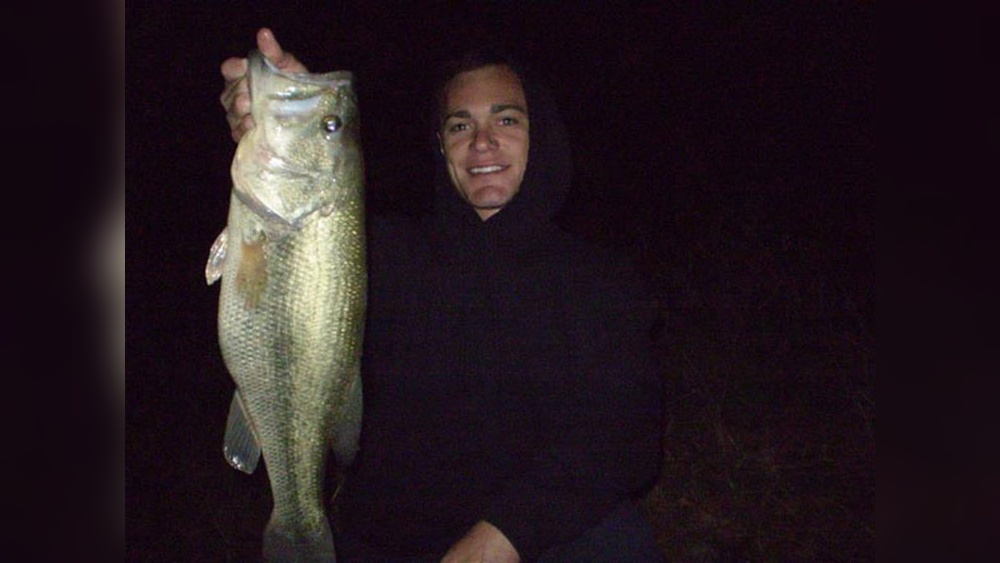
Fishing at night has always held a special kind of magic. The quiet darkness, the cool air, and the sense of adventure can make nighttime fishing feel almost like a secret world. But beyond the atmosphere, many anglers ask a simple question: Is fishing at night good? The answer depends on what you’re looking for, your fishing style, and the species you’re hoping to catch. In this article, we’ll explore the science, strategies, and practical realities of night fishing. You’ll learn why it can be highly productive, when it might not be, and how to make the most of your next after-dark fishing trip.
Why Do People Fish At Night?
Night fishing isn’t just about peace and quiet. Many experienced anglers believe it can give them an edge. Here’s why:
- Fish Behavior: Many freshwater and saltwater fish become more active at night. Predators like catfish, walleye, and striped bass often hunt in the dark to surprise their prey.
- Lower Temperatures: Hot days can drive fish deep or into hiding. At night, cooler water draws them back into shallows to feed.
- Less Competition: Popular lakes, piers, and rivers are quieter at night. Fewer anglers mean less pressure on fish and more freedom for you.
- Avoiding Sunburn and Heat: Night fishing lets you escape intense sun and high daytime temperatures, making long sessions more comfortable.
But there’s more to the story. Let’s dive deeper into what really happens underwater after sunset.
How Fish Behave At Night
Many fish species change their habits after dark. Understanding these shifts is key to success.
Feeding Patterns
Fish are not all the same. Some are diurnal (active by day), while others are nocturnal (active at night) or crepuscular (feeding most at dawn and dusk).
- Catfish are classic night feeders, using their strong sense of smell and taste to hunt in muddy, dark water.
- Bass often become more aggressive at night, especially in summer, as prey like minnows move into the shallows.
- Walleye have eyes adapted for low light, letting them hunt more effectively when it’s dark.
These changes aren’t random; they are driven by biology and survival needs.
Sight And Senses
Fish use more than just their eyes. At night, many rely on their lateral line (a sensory organ that detects vibrations) and sense of smell.
This means lures or baits that vibrate, rattle, or give off scent are often more effective after dark. Bright colors matter less than sound, movement, and smell.
Table: Night Activity Levels Of Common Species
Here’s a look at how active popular freshwater fish are at night.
| Fish Species | Night Activity Level | Best Night Baits |
|---|---|---|
| Catfish | Very High | Stink bait, cut bait |
| Walleye | High | Jigs, live minnows |
| Largemouth Bass | Medium-High | Topwater lures, plastic worms |
| Trout | Low-Medium | Small minnows, nightcrawlers |
| Crappie | Medium | Jigs, minnows |
Advantages Of Fishing At Night
Night fishing isn’t just a change of scenery. It offers several real benefits.
Less Pressure On Fish
Daytime crowds often spook fish. At night, with fewer boats and anglers, fish are less cautious and more likely to bite.
Cooler Temperatures
Summer heat can make fish sluggish. Night brings cooler water and air, making fish more comfortable and more likely to feed.
Bigger Fish
Larger, older fish often become more active at night when they can hunt without being seen. Anglers often catch their personal bests after dark.
Unique Experiences
Night fishing is about more than catching fish. Watching stars, hearing frogs, and feeling the stillness create memories that daytime can’t match.
Disadvantages And Challenges
While night fishing can be productive, it isn’t always easy. Here are the main challenges:
Safety Concerns
- Limited visibility can lead to accidents on boats, piers, or riverbanks.
- Navigating at night is more difficult, especially in unfamiliar waters.
- Wildlife risks such as snakes, insects, or even alligators (in some regions) are higher at night.
Gear And Lighting
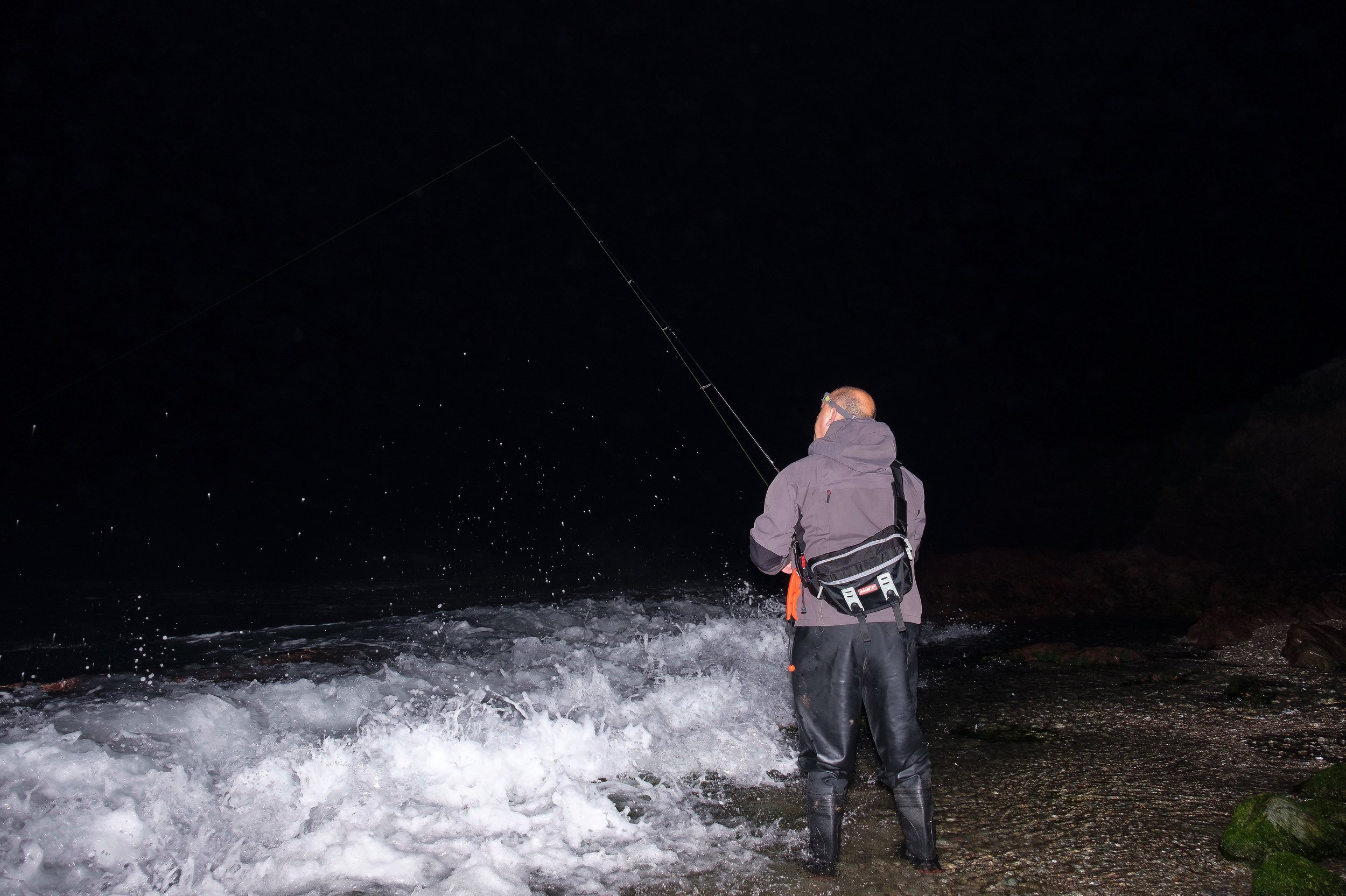
You’ll need special gear, like headlamps, lanterns, and reflective clothing. Setting up, tying knots, or handling fish in the dark is harder.
Local Rules And Restrictions
Some waters have night fishing bans or require special permits. Always check local regulations before you go.

Credit: en.wikipedia.org
Comparing Day Vs. Night Fishing
To see if night fishing is truly “good,” let’s compare it to daytime fishing in several key ways.
| Aspect | Day Fishing | Night Fishing |
|---|---|---|
| Fish Activity | Species-specific, often lower in heat | Many species more active |
| Comfort | Hot, risk of sunburn | Cooler, more comfortable |
| Safety | High visibility, fewer hazards | Low visibility, more risks |
| Gear Needed | Standard | Extra lighting, safety gear |
| Crowds | Often crowded | Usually quiet and empty |
| Chance for Big Fish | Lower | Higher |
The Science Behind Night Fishing Success
Why do so many fish feed at night? Science provides some answers.
Light And Temperature
Fish are sensitive to water temperature and light levels. When the sun goes down, water near the surface cools. Many baitfish move into shallower water to feed, followed by bigger predators.
Predator-prey Dynamics
At night, predators have an advantage. They use senses other than sight—like vibration and smell—to find prey. Prey fish, confused in the dark, are easier targets.
Moon Phase Effects
The moon phase can affect both fishing and fish behavior. Bright full moons can make fish more cautious, while new moons (dark nights) often boost activity.
Weather Patterns
Stable weather and warm nights are best. Sudden cold fronts or strong winds can shut down the bite—even at night.
Best Species For Night Fishing
Not all fish are worth chasing after dark. Here are the top picks:
- Catfish: The kings of night fishing. They hunt by smell and are most active between sunset and midnight.
- Walleye: Their eyes work well in low light. Nighttime is prime time, especially in clear lakes.
- Striped Bass: In rivers and reservoirs, they chase baitfish into shallow water at night.
- Largemouth Bass: Hot summer nights often bring bass close to shore, making them easier to catch.
- Crappie: These fish gather around lights at night, especially near docks and bridges.
Other species like bluefish, snook, and tarpon are also popular night targets in saltwater.
Essential Gear For Night Fishing
Success at night requires the right gear. Here’s what you should bring:
- Headlamp or hands-free flashlight: Vital for tying knots, baiting hooks, and handling fish.
- Lantern or camp light: For your main area. LED models are bright and energy-efficient.
- Reflective tape or clothing: Makes you visible to others, especially if fishing from a boat.
- Glow-in-the-dark lures or bobbers: Attracts fish and helps you track your line.
- Bug spray: Mosquitoes and other insects are more active at night.
- First aid kit: Always good, but especially important at night.
- Backup batteries: For all your lights and electronics.
Table: Recommended Night Fishing Gear
| Item | Why You Need It |
|---|---|
| Headlamp | Hands-free lighting for all tasks |
| Lantern | Lights up the fishing area |
| Glow lures/bobbers | Attracts fish, helps tracking |
| Reflective tape/clothing | Increases safety, especially in boats |
| Bug spray | Prevents bites and discomfort |
| First aid kit | For emergencies in low light |
Best Techniques And Tips For Night Fishing
Fishing at night isn’t just about using a flashlight. Here are proven techniques for more success:
Use Scent And Vibration
Fish rely more on smell and vibrations in the dark. Use scented baits, soft plastics, or lures with rattles. For catfish, try chicken liver, shrimp, or commercial stink baits.
Slow Down Your Retrieve
Fish are less likely to chase fast-moving prey at night. Use a slower, steady retrieve to mimic easy targets.
Fish Structure And Lighted Areas
Fish gather near structure—like docks, fallen trees, or weed lines—at night. Lighted docks or bridges draw in baitfish, which attract predators.
Stay Quiet
Sound travels farther over water at night. Avoid slamming hatches, dropping gear, or loud talking.
Watch The Moon And Weather
Plan trips around the new moon for darker nights. If you must fish a full moon, target shadowy areas.
Safety First
Always tell someone your plans, bring a phone, and wear a life jacket if you’re on a boat. Avoid unfamiliar waters until you know them well.
Common Mistakes In Night Fishing
Even experienced anglers make errors at night. Here are pitfalls to avoid:
- Ignoring Safety: Not bringing enough lighting or a spare battery can ruin a trip—or worse.
- Fishing Too Fast: Many people use the same fast retrieves as during the day, but this often fails after dark.
- Wrong Lure Choice: Bright colors matter less than action and scent. Choose lures that rattle or glow.
- No Bug Protection: Insects can make your night miserable if you’re not prepared.
- Not Checking Regulations: Some lakes and rivers ban night fishing or require special permits.
- Overlooking Structure: Fish hug cover at night. Casting randomly in open water rarely works.

Credit: en.wikipedia.org
Non-obvious Insights For Night Fishing
Some things about night fishing aren’t obvious to beginners:
- Thermal Layers Change: On hot days, the upper water cools at night, drawing fish up from deeper areas. This means fish that ignored your bait at noon might bite after sunset.
- Your Eyes Adjust Slowly: Bright white lights can ruin your night vision. Use red or green lights for most tasks—this helps your eyes adjust and lets you see more in the dark.
- Sound Is Amplified: At night, small noises are much louder to fish. Even walking on a dock or dropping something in the boat can spook them.
Is Night Fishing Good For Beginners?
Night fishing can be rewarding, but it’s not the best starting point for absolute beginners. Here’s why:
- Safety concerns are greater, and it’s easier to get lost or hurt in the dark.
- Learning to read water and structure is harder at night.
- Tying knots, handling gear, and unhooking fish all become more challenging.
If you’re new, try fishing with a friend who has night experience. Start at a familiar, safe spot like a lighted pier, and keep your first trip short.
Credit: www.henry-gilbey.com
Legal And Ethical Considerations
Night fishing comes with rules and responsibilities:
- Check local laws: Some places restrict night fishing to protect fish populations or wildlife.
- Respect quiet hours: Noise carries at night, so avoid disturbing nearby homes or campers.
- Leave no trace: Bring all your trash home, especially since it’s easy to lose things in the dark.
For the latest rules, visit official sites like your state’s wildlife agency or US Fish & Wildlife Service.
When Is Night Fishing Not Good?
Night fishing isn’t always the best choice. Here are situations where it’s better to fish by day:
- Cold Weather: Fish become less active when water is cold, making night fishing less productive.
- After a Storm: Sudden weather changes can shut down the bite.
- During the Spawn: Some species spawn by day and rest at night.
- In Unfamiliar or Dangerous Areas: Stick to daylight until you know the water well.
Making The Most Of Your Night Fishing Trip
To sum up, night fishing can offer amazing experiences and bigger catches, but it requires extra planning. Know your target species, bring the right gear, and always put safety first. Try fishing with an experienced buddy, and don’t be afraid to experiment with lures, locations, and techniques.
Whether you’re after catfish or bass, the quiet of the night might just bring you the best fish story you’ve ever told.
Frequently Asked Questions
Is Night Fishing Better Than Day Fishing?
Night fishing can be better for certain species, especially catfish, walleye, and striped bass. These fish feed more actively in the dark. Crowds are smaller and conditions are often cooler. However, safety risks are higher, and some species bite better during the day.
It depends on your goals and local conditions.