
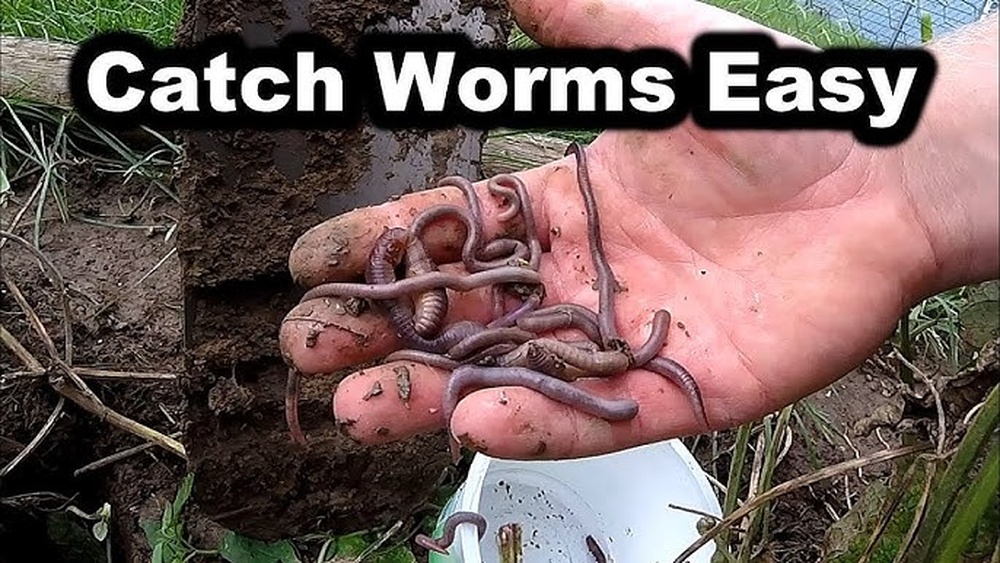
Fishing is one of those hobbies where a little preparation goes a long way. If you’ve ever stood by a riverbank or sat in a small boat, you know that live bait often makes all the difference. Among all bait choices, worms are a favorite for both beginners and experienced anglers. They attract a wide range of fish, are easy to handle, and are usually free—if you know where and how to find them. Yet, many people struggle to locate good worms or end up paying for something they could easily collect themselves. Let’s dive into practical, step-by-step methods for finding worms for fishing, along with tips that even some seasoned anglers overlook.
Why Worms Are So Effective For Fishing
Worms are popular bait for a reason. Earthworms, nightcrawlers, and red wigglers all contain natural scents and movements that fish can’t resist. Their soft bodies make them easy for fish to bite, and they’re durable enough to stay on the hook. Some fish, like trout, bass, and catfish, are especially attracted to worms. In fact, a study by the U.S. Fish & Wildlife Service found that live bait increases catch rates by 25–40% compared to artificial lures, especially in freshwater environments.
Worms are also versatile. You can use them whole or in pieces, and they work in rivers, ponds, and lakes. Because worms are naturally found near water, fish have evolved to recognize them as food.
Where To Find Worms In Nature
If you want to save money and collect fresh bait, nature offers plenty of opportunities. The trick is knowing where and when to look.
Best Locations For Worm Hunting
1. Gardens And Flower Beds
Moist, rich soil in gardens is a natural home for worms. Dig around the base of plants, especially after rain.
2. Compost Piles
Worms love decaying organic matter. Check compost heaps, especially at the bottom where it stays damp.
3. Under Logs And Rocks
Flip over old logs, large stones, or fallen branches. Worms often hide underneath to avoid sunlight.
4. Near Water Sources
The banks of streams, ponds, and rivers are worm hotspots, especially in shaded or grassy areas.
5. Leaf Piles And Mulch
Thick layers of leaves or mulch keep the ground moist, which worms enjoy.
Timing Matters: When Worms Are Most Active
Worms come out when the ground is moist and the air is cool. The best times to find worms are:
- After Rain: Rain forces worms to the surface so they don’t drown. This is the easiest time to collect them.
- Early Morning or Late Evening: Worms avoid the heat and sunlight. Look when it’s cool and damp.
- At Night: Nightcrawlers, a larger worm species, emerge in the dark. Bring a flashlight and look for them on lawns.
Gear And Preparation
You don’t need fancy tools, but a few items can make worm hunting easier:
- Small shovel or trowel: For digging.
- Bucket or container: To hold worms. Add some moist soil to keep them alive.
- Gloves: Optional, but helpful if you don’t like touching dirt.
- Flashlight: Needed for night hunting.
How To Collect Worms Without Harm
Being gentle with worms helps keep them alive and healthy for fishing. When you dig, use slow, careful movements. If you break a worm, it can still work as bait, but whole worms are more attractive to fish.
If you find worms under a log or rock, lift the object slowly and pick up the worms by hand. Place them in your container quickly so they don’t dry out or get eaten by birds. Adding a little bit of the soil they came from helps reduce stress.
Two Non-obvious Tips For Beginners
- Water the Ground the Night Before: If rain is not in the forecast, water your lawn or garden in the evening. By morning, worms will often come closer to the surface.
- Use Vibration: Worms are sensitive to vibrations. Some anglers stick a wooden stake in the ground and rub it with a metal rod or saw. The vibrations make worms come up, thinking a mole is nearby.
Collecting Worms After Rain: Step-by-step
- Wait for a steady rain (not a heavy downpour).
- Once the rain stops, go outside right away.
- Walk slowly and look for worms stretched out on sidewalks, driveways, or short grass.
- Use your hands or a small trowel to pick up worms gently.
- Place them in your container with some damp soil.
- Avoid stepping on worms—they’re easy to miss when moving quickly.
This method can help you gather dozens of worms in less than an hour after a good rainstorm.
Finding Worms At Night: Nightcrawler Hunting
Nightcrawlers are a favorite for catching larger fish. They’re bigger and more active than common earthworms, but require a bit more patience to catch.
What You Need
- Red-filtered flashlight: Regular white light scares worms. Cover your flashlight with red cellophane or use a red LED.
- Quiet shoes: Soft-soled shoes help you walk quietly.
- Bucket with moist soil: To keep your catches healthy.
How To Catch Nightcrawlers
- Go out after dark, preferably after a rainy day or after watering your lawn.
- Walk slowly and shine your red light on the ground.
- Spot nightcrawlers stretched out on the surface, feeding or moving.
- Pinch the worm gently as close to the entrance hole as possible.
- Pull slowly but firmly. If you pull too hard, the worm may break or slip back underground.
- Place caught worms in your container.
Pro Tip
Move slowly and avoid sudden movements. Nightcrawlers are sensitive to vibrations and light. Many beginners make the mistake of rushing, which sends worms back into their holes.
How To Store Worms For Fishing
Keeping your worms alive and active is important. Fish are less interested in limp or dead worms. Here’s how to store them properly:
Short-term Storage (up To 24 Hours)
- Use a small container with air holes.
- Add a layer of moist soil or damp newspaper.
- Keep the container cool and out of direct sunlight.
Long-term Storage (several Days To Weeks)
- Use a larger container or a worm box.
- Fill it with clean, moist soil or peat moss.
- Add a bit of vegetable scraps (lettuce, potato peels).
- Store in a cool place (ideally between 50–60°F / 10–16°C).
- Check moisture daily. If the soil dries out, add a little water (never soak it).
Worm Storage Comparison
Here’s a quick comparison of storage options for different time frames:
| Storage Method | Best For | Pros | Cons |
|---|---|---|---|
| Small container with moist soil | Up to 24 hours | Portable, easy | Dries out quickly |
| Worm box with peat moss | Several days | Keeps worms healthy | Needs regular checks |
| Refrigerator storage | Up to 2 weeks | Slows worm activity | Too cold can kill worms |

Credit: www.youtube.com
Buying Worms Vs. Collecting Your Own
You can always buy worms at bait shops or online, but collecting your own has several benefits:
- Cost savings: Free worms are better for your wallet.
- Freshness: Just-collected worms are more active.
- Control: You know exactly where your bait comes from.
However, there are times when buying makes sense:
- If you need a large quantity fast.
- If the ground is too dry or frozen to dig.
- If you’re traveling and can’t bring live bait.
Key Differences
| Source | Cost | Availability | Suitability |
|---|---|---|---|
| Collected | Free | Seasonal, local | Any size, species |
| Bought | $3–$5 per dozen | Year-round | Usually only common types |
Worm Species: Which Are Best For Fishing?
Not all worms are created equal. The best type depends on the fish you’re targeting and your local environment.
Common Types Of Fishing Worms
1. Earthworms:
Also called garden worms, these are small and easy to find. Great for panfish and trout.
2. Nightcrawlers:
Larger, more active, and a favorite for bass and catfish.
3. Red Wigglers:
Smaller but very lively. Perfect for trout and sunfish.
4. Manure Worms:
Found in manure-rich soils, these are good for small fish but less durable on the hook.
Choosing The Right Worm
- For large fish: Nightcrawlers are best.
- For small or shy fish: Use earthworms or red wigglers, sometimes cut in half.
- For fast-moving water: Larger, tougher worms stay on the hook better.
Worm Size Comparison
| Worm Type | Average Length (inches) | Best For |
|---|---|---|
| Earthworm | 2–4 | Trout, bluegill |
| Nightcrawler | 6–10 | Bass, catfish |
| Red Wiggler | 1–3 | Panfish, perch |

Credit: www.youtube.com
How To Start Your Own Worm Farm
If you fish often or want a steady supply of worms, consider building a simple worm farm. This is easier than most people think and can be done with basic materials.
What You Need
- A plastic or wooden box (with a lid)
- Air holes for ventilation
- Moist soil or peat moss
- Kitchen scraps (vegetable peels, coffee grounds)
- Starter worms (collected or purchased)
Setting Up Your Worm Farm
- Fill the box halfway with moist soil or peat moss.
- Add a handful of kitchen scraps (avoid meat, dairy, or salty foods).
- Add your worms and cover with more soil.
- Place the box in a cool, shady spot.
- Add scraps once a week and check moisture levels.
Maintenance Tips
- Never let the soil dry out completely.
- Remove any uneaten food that starts to rot.
- Harvest worms by gently digging through the soil before a fishing trip.
Extra Insight: Avoid Overfeeding
Many beginners make the mistake of adding too much food. Worms only eat small amounts at a time. Overfeeding can cause odors and attract pests.
Legal And Environmental Considerations
Before you start collecting worms, check your local regulations. Some areas restrict bait collection in protected parks or waterways to protect local species. Always gather worms responsibly—don’t strip an entire area, and replace logs or rocks you’ve moved.
Also, never release unused worms into the wild far from where you found them. Non-native worms can harm ecosystems by changing the soil and outcompeting local species. If you have leftover worms, compost them or keep them for your next fishing trip.
Two Advanced Methods For Finding Worms
These methods are less common but can be very effective.
Using Mustard Solution
Mix one tablespoon of dry mustard powder with one gallon of water. Pour the solution slowly over a small patch of lawn or soil. In a few minutes, worms will come to the surface to escape the irritation. Collect them quickly and rinse them in clean water before placing in your container.
Electrofishing (for Experts Only)
Some professionals use special devices to send a mild electric current through the ground, causing worms to surface. This method is not recommended for beginners and may be illegal in some areas. Always check local laws before using any electrical devices outdoors.
Common Mistakes To Avoid
- Overdigging: Digging up too much soil at once can harm the environment and make worms harder to find next time.
- Letting worms dry out: Worms need moisture. Always keep them in damp soil.
- Using pesticides: Avoid collecting worms from areas treated with pesticides or chemicals, as these can kill worms and harm fish.
- Not replacing habitat: Always put rocks and logs back after searching underneath.
Practical Tips For Keeping Worms Alive Longer
- Use a cooler with ice packs (not direct ice) if fishing on a hot day.
- Cover your worm container with a damp cloth to keep in moisture.
- If you buy worms, transfer them to better bedding as soon as possible—store-bought containers dry out quickly.
- If you fish in saltwater, never expose your worms to saltwater until you put them on the hook; salt kills freshwater worms.
Two Insights Most Beginners Miss
- Worms Breathe Through Their Skin: If your container runs out of oxygen or the bedding gets too wet, worms can suffocate or drown. Keep bedding loose and moist, not soggy.
- Worms Can Escape: Always use a container with a secure lid and air holes. Worms are surprisingly good at crawling out, especially at night or in warm weather.

Credit: memesworms.com
Frequently Asked Questions
What Is The Best Time Of Year To Find Worms For Fishing?
The best times are spring and fall when the ground is moist, and temperatures are mild. In summer, worms go deeper to escape heat, and in winter, they may be less active. After rainfall in any season, your chances improve greatly.
Can I Use Worms From My Backyard For Fishing?
Yes, as long as you collect them from clean soil without pesticides or chemicals. Backyard worms are often just as effective as those from bait shops, especially for local fish species.
How Do I Keep Worms From Dying Before My Fishing Trip?
Keep them in a cool, moist environment with fresh soil or bedding. Avoid direct sunlight and check moisture daily. If you need to store them