Jigs fishing is a fascinating method that has captured the attention of anglers around the world. Whether you fish in freshwater lakes or the open ocean, understanding how jigs work can transform your fishing results. This article will take you deep into the world of jigs fishing—what it is, how jigs are designed, the types available, how to fish them successfully, and mistakes to avoid. Along the way, you’ll find data, practical tips, and answers to common questions. If you’re ready to improve your fishing game or simply understand what makes jigs so effective, this guide is for you.
What Are Jigs In Fishing?
A jig is a type of fishing lure that has a weighted head and a hook. The weighted head is usually made of metal, and the body can be dressed with soft plastic, feathers, hair, or other materials. Jigs are designed to move in a way that mimics the movement of prey, such as small fish or insects.
Unlike other lures, jigs are worked with an up-and-down motion. This action, called “jigging,” makes the lure bounce or dart in the water, catching the attention of fish. Jigs can be used in both saltwater and freshwater, making them one of the most versatile tools in any angler’s tackle box.
The main reason jigs are effective is their ability to reach different depths quickly. Their weight allows anglers to present the lure exactly where the fish are—whether near the bottom, in the middle, or even closer to the surface.
The Anatomy Of A Jig
Understanding the parts of a jig will help you choose and use them more effectively. Here are the key components:
- Jig Head: The weighted part, usually made from lead, tungsten, or other metals. It comes in different shapes—round, football, bullet, or even fish-shaped. The head determines how the jig moves through the water.
- Hook: Attached to the jig head. The size and strength of the hook must match the target species.
- Body/Skirt: The material that covers the hook and adds movement. It can be made from plastic, rubber, hair, or feathers. Some jigs have a skirt for extra attraction.
- Keeper: A small barb or wire near the jig head to hold soft plastic trailers in place.
- Eyelet: Where the fishing line is tied. Its position affects how the jig sits and moves in the water.
Here’s a quick comparison of common jig head shapes and their uses:
| Jig Head Shape | Best Use | Key Advantage |
|---|---|---|
| Round | General fishing, vertical jigging | Versatile movement |
| Football | Rocky bottoms | Reduces snagging |
| Bullet | Weed beds, heavy cover | Slides through vegetation |
| Swimbait | Imitating baitfish | Natural swimming action |
Types Of Fishing Jigs
There are many different types of fishing jigs, each with unique features and best uses. Here are some of the most popular:
1. Bass Jigs
Bass jigs are heavy and often have a weed guard to prevent snagging on plants. They are a favorite for catching largemouth and smallmouth bass. The skirt adds bulk and movement, making them look like crayfish or other prey.
2. Swim Jigs
Swim jigs are made to move through water with a steady, smooth action. Anglers use them with a constant retrieve, so they mimic a swimming baitfish. They work well around grass, wood, and open water.
3. Flipping And Pitching Jigs
These jigs are designed for short, accurate casts into heavy cover like bushes, docks, and fallen trees. They are strong and have a compact profile to punch through thick vegetation.
4. Football Jigs
Football jigs have a wide, football-shaped head, making them perfect for rocky bottoms. They don’t tip over easily and are great for dragging along the bottom to imitate crawfish.
5. Finesse Jigs
Finesse jigs are smaller and lighter. They are used when fish are not biting aggressively, such as in cold water or pressured lakes. Their subtle action can tempt wary fish.
6. Hair Jigs
Hair jigs are made with natural or synthetic hair instead of plastic. They have a lifelike movement, especially in cold water. Walleye and smallmouth bass anglers often use them.
7. Saltwater Jigs
Saltwater jigs are heavier and built to withstand strong fish like tuna, snapper, and grouper. They include bucktail jigs, vertical jigs, and metal jigs, each with a specific purpose for ocean fishing.
8. Ice Fishing Jigs
These are small, compact jigs used for fishing through holes in the ice. They are highly sensitive, allowing anglers to detect even the lightest bite in cold conditions.
How Jigs Catch Fish
The effectiveness of jigs comes from how they are worked and their natural appearance in the water. When you lift and drop a jig, it mimics the erratic movement of a wounded baitfish or crawling creature. Fish see this as an easy meal and strike.
Jigs can be fished in many ways:
- Vertical jigging: Dropping the jig straight down and bouncing it off the bottom.
- Swimming: Retrieving the jig steadily to imitate a swimming bait.
- Hopping: Lifting the rod tip to make the jig jump along the bottom.
- Dragging: Slowly pulling the jig to mimic slow-moving prey.
The weight of the jig allows you to reach the desired depth quickly. This is especially useful when targeting fish that are holding near the bottom or in deep water.
Why Anglers Choose Jigs
Jigs are favored by many anglers for several reasons:
- Versatility: They work in both freshwater and saltwater, for many species.
- Depth Control: You can fish at any depth by choosing the right jig weight.
- Cost-Effective: Jigs are often cheaper than other lures.
- Customizable: Anglers can add different trailers, colors, and skirts to match local prey.
- Effective All Year: Jigs work in every season, even winter under ice.
In a survey by the American Sportfishing Association, jigs ranked among the top three lures used by US anglers. Their adaptability and effectiveness make them a must-have.
How To Choose The Right Jig
Selecting the right jig depends on several factors:
1. Target Species
Different fish prefer different sizes, shapes, and colors. For bass, a bulky, skirted jig works well. For crappie, a small hair jig is better. Saltwater species often need heavy metal jigs.
2. Water Depth
Deeper water requires heavier jigs to reach the bottom quickly. Shallow water allows for lighter jigs, which move more naturally.
3. Water Clarity
In clear water, natural colors and subtle presentations work best. In stained or muddy water, brighter colors or rattles can help fish locate your jig.
4. Cover And Structure
Fishing in weeds or heavy cover? Use jigs with weed guards and streamlined heads. For rocky bottoms, a football jig will avoid snags.
5. Season And Temperature
In cold water, smaller, slower-moving jigs are effective. In warmer months, more aggressive jigging and larger profiles attract active fish.
Here’s a quick comparison of jig weights and their ideal uses:
| Jig Weight | Best For | Common Uses |
|---|---|---|
| 1/16 oz – 1/8 oz | Shallow water, slow fall | Panfish, finesse bass |
| 1/4 oz – 1/2 oz | Medium depth, moderate cover | Bass, walleye |
| 3/4 oz – 1 oz+ | Deep water, heavy cover | Saltwater, deep bass |
Jig Fishing Techniques
Mastering jig fishing takes practice. Here are some proven techniques:
1. Casting And Retrieving
Cast your jig out and let it sink to the desired depth. Use a “lift and drop” motion with your rod. The jig should move up and down as you retrieve it, imitating a fleeing baitfish.
2. Flipping And Pitching
Used for close-range targets, especially in heavy cover. Hold the jig in one hand, load the rod tip, and gently swing the jig into tight spots. Keep your movements quiet to avoid spooking fish.
3. Vertical Jigging
Drop the jig straight down, often from a boat. Use short, sharp movements to make the jig bounce near the bottom. This technique is excellent for deep water or when fish are holding tight to structure.
4. Swimming
Steady retrieve is key. Use swim jigs or jigs with paddle-tail trailers. Try varying your speed until you find what the fish like.
5. Dragging And Hopping
Slowly drag the jig along the bottom or make small hops with your rod tip. This mimics crawfish or bottom-dwelling prey.
Practical Tips
- Match your jig color to the water and local bait. In clear water, use natural colors like green or brown. In muddy water, try black, blue, or chartreuse.
- Use a scent or attractant on your jig for extra appeal, especially in tough conditions.
- Pay attention to bites on the fall—many fish strike as the jig drops.
Jig Trailers: Enhancing Your Presentation
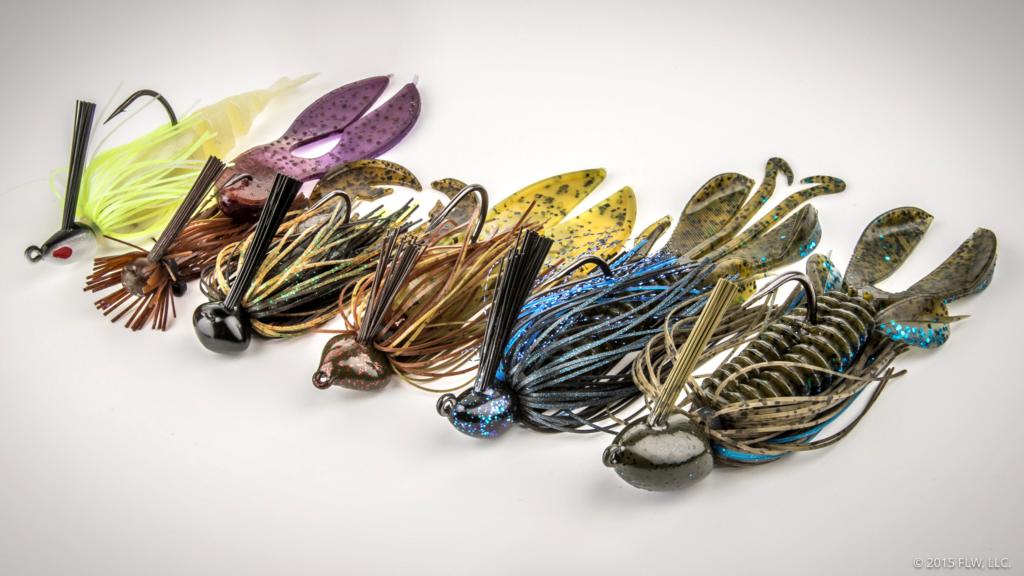
A jig trailer is an additional soft plastic or natural bait added to the hook. Trailers give your jig more action, scent, or bulk. Here are common types:
- Craw-style trailers: Mimic crayfish with flapping claws.
- Grub trailers: Offer a curly tail for extra movement.
- Swimbait trailers: Imitate small fish.
Choosing the right trailer can make a big difference. For example, a bulky trailer helps your jig fall slowly, which is great in cold water. A slim trailer allows for a faster fall, useful when fish are active.
Credit: majorleaguefishing.com
Common Mistakes In Jig Fishing
Even experienced anglers can make errors with jigs. Here are some to avoid:
- Using the Wrong Weight: Too heavy, and your jig falls too fast; too light, and it doesn’t reach the fish.
- Ignoring Line Type: Heavy braid is good for thick cover, but in clear water, use fluorocarbon for stealth.
- Not Matching the Hatch: Choose colors and sizes that match the natural prey in your area.
- Fishing Too Fast: Many beginners work jigs too quickly. Slower movements often produce more bites.
- Neglecting the Trailer: A plain jig may not be enough—adding a trailer often increases success.
Jig Fishing Gear
While you can fish jigs with any rod and reel, specialized gear improves results.
- Rods: Medium-heavy to heavy power, fast action. This allows you to set the hook firmly, especially in thick cover.
- Reels: High-speed baitcasting reels help you pick up slack quickly.
- Line: 12–20 lb fluorocarbon or braid for strength and sensitivity.
Here’s a quick gear comparison:
| Gear Type | Best For | Why It Matters |
|---|---|---|
| Baitcasting combo | Bass, heavy cover | Strong hooksets, control |
| Spinning combo | Light jigs, finesse | Cast light lures easily |
| Braided line | Weeds, thick cover | Less stretch, durability |
| Fluorocarbon line | Clear water | Low visibility, sensitivity |

Credit: 1source.basspro.com
Advanced Jig Fishing Insights
Many anglers stop at the basics, but a few extra details can make you stand out:
- Adjust Your Fall Rate: The speed your jig sinks is critical. Small changes in trailer size or jig weight can trigger more bites.
- Watch Your Line: Sometimes, fish bite as the jig falls. If your line jumps or stops suddenly, set the hook immediately.
- Use Color Change: If one color isn’t working, change it. Fish can be picky, especially in pressured waters.
- Try Skipping Jigs: With practice, you can skip a jig under docks or overhanging trees, reaching spots other anglers miss.
- Fish Vertical Structure: Bridges, pilings, and steep drop-offs are prime jig spots. Drop your jig straight down and watch for bites.
Conservation And Safety
It’s important to use jigs responsibly to protect fish populations and the environment. Here are some tips:
- Use lead-free jigs where possible to reduce environmental impact.
- Practice catch and release with proper fish handling.
- Dispose of old line and plastic trailers properly.
- Respect local fishing regulations and size limits.
Frequently Asked Questions
What Is The Main Difference Between A Jig And Other Lures?
A jig has a weighted head and is designed to be moved with an up-and-down motion, or “jigged,” which gives it a unique, lifelike action. Most other lures, like crankbaits or spinners, are retrieved steadily and do not bounce along the bottom in the same way.
Can Jigs Be Used For Both Freshwater And Saltwater Fishing?
Yes, jigs are one of the few lures effective in both environments. For saltwater, choose heavier, corrosion-resistant jigs designed for strong fish. For