Finding the best fishing line can feel confusing, especially if you’re just starting out. You see words like monofilament, braid, and fluorocarbon everywhere. Each promises strength, invisibility, or easy handling. But what really matters for your fishing? The truth is, the best fishing line depends on your target fish, water conditions, casting style, and even the reel you use.
Let’s dig deep. You’ll learn how each line type works, their strengths and weaknesses, and how to choose based on your fishing style. We’ll look at real numbers, common mistakes, and insider tips that even seasoned anglers sometimes forget. By the end, you’ll feel confident picking your next fishing line—no guesswork needed.
Types Of Fishing Line: What You Need To Know
Fishing lines come in three main types. Each has unique features that make it better for certain situations. Let’s break them down.
Monofilament
Monofilament line is a single strand of nylon. It’s the most common line for beginners.
Strengths:
- Stretch: Absorbs shocks, good for fighting fish. The stretch is forgiving when a fish makes a sudden run, reducing the risk of the hook pulling out.
- Buoyancy: Floats, great for surface lures. This helps when you want your bait or lure to stay near the top of the water, especially for species like bass or trout.
- Easy to tie knots: Knots rarely slip. Beginners find that simple knots hold well, making rigging much easier.
Weaknesses:
- Memory: Can coil or tangle after storage. If left on the reel for long periods, it may form loops, which can cause casting problems.
- Visibility: Easier for fish to see in clear water. This can reduce bites from wary fish, especially in pressured areas.
- Abrasion resistance: Lower than other types. When dragging across rocks or wood, it can get damaged faster, which means checking your line often is important.
Monofilament also has a forgiving feel. If you make a casting mistake, it’s less likely to snap. However, it loses strength when wet and can degrade in sunlight over time. This means you’ll need to change it more often than braid or fluorocarbon.
Braid
Braided line uses several strands woven together, usually made of synthetic fibers like Dyneema or Spectra.
Strengths:
- High strength: Strong for its diameter. This allows you to use thinner lines for the same strength, fitting more line on your reel.
- Low stretch: Good for feeling bites. You’ll quickly sense even the lightest tug or bump, which helps when fishing deep or in heavy cover.
- Thin diameter: Casts further with less effort. The slick nature of braid lets it slip through guides easily, giving you longer casts.
Weaknesses:
- Visibility: Easy for fish to spot. In clear water, this can make fish wary, so many anglers add a leader for stealth.
- Knots: Needs special knots, can slip. Braid is slippery, so standard knots may not hold unless tied correctly.
- Abrasion: Not always great near rocks. It can fray quickly if dragged across sharp surfaces, which is why leaders are often used.
Braid also lasts a long time if you take care of it. It doesn’t rot or degrade in sunlight as fast as mono. But it can dig into itself on the reel if spooled too tightly, which can affect casting.
Fluorocarbon
Fluorocarbon line is made from polyvinylidene fluoride. It’s known for being almost invisible underwater.
Strengths:
- Invisibility: Fish can barely see it. Its light refraction is similar to water, making it ideal for clear lakes and wary fish.
- Sink rate: Sinks fast, ideal for deep water. This helps get your bait down to the fish faster.
- Abrasion resistance: Excellent near rocks and cover. It’s tough against sharp objects, making it popular for leaders in rough areas.
Weaknesses:
- Stiffness: Harder to tie knots. Some knots may not cinch down well, leading to break-offs if not tied carefully.
- Cost: More expensive than mono. The higher price is due to the manufacturing process and material quality.
- Memory: Can coil, especially in cold weather. This can lead to tangles if not managed properly.
Fluorocarbon also resists water absorption, so it keeps its strength when wet. But its stiffness can make casting lightweight lures tricky for beginners.
Choosing The Best Fishing Line For Your Style
Picking the right line isn’t just about brand or price. You must match your line with your fishing method, target fish, and environment. Making the right choice will save you time, money, and frustration on the water.
Consider Your Target Fish
Different fish have different demands. Here’s a quick guide:
| Fish Species | Recommended Line Type | Strength (lb test) |
|---|---|---|
| Bass | Braid or Fluorocarbon | 12–20 |
| Trout | Monofilament | 2–6 |
| Catfish | Braid | 20–50 |
| Saltwater (Redfish, Snook) | Braid with Fluorocarbon leader | 20–30 |
| Panfish (Bluegill, Crappie) | Monofilament | 2–6 |
For example, if you’re targeting bass in heavy weeds, a 30 lb braid gives you power to pull fish out. If you’re after trout in a clear stream, a 4 lb mono or fluorocarbon helps avoid spooking the fish.
Think About Water Conditions
- Clear Water: Fluorocarbon is best. Fish can’t see it, so you’ll get more bites from cautious species.
- Dirty Water: Braid works well. Visibility doesn’t matter, so you can use a high-visibility color to detect strikes.
- Rocky Areas: Fluorocarbon protects against abrasion. This reduces the risk of your line breaking when rubbing against rocks.
Also, consider water depth. Sinking lines like fluorocarbon help reach deeper fish, while floating lines like mono keep lures higher up.
Match Your Fishing Technique
- Topwater fishing: Monofilament floats, helping lures stay on the surface. This is perfect for using poppers or frogs.
- Deep water jigging: Fluorocarbon sinks quickly, getting your lure down to the fish with less slack.
- Heavy cover fishing: Braid cuts through weeds easily. Its strength helps you pull fish out of lily pads or thick grass.
If you’re trolling, a line with low stretch (like braid) helps you feel every bump. For finesse fishing, light mono or fluorocarbon gives you a delicate presentation.
Breaking Down Line Strength: Pound Test Explained
You’ll see fishing lines rated by pound test. This number shows how much weight the line can handle before breaking. But bigger isn’t always better.
- Light lines (2–6 lb): Great for small fish and finesse fishing. They’re almost invisible and let lures move naturally, ideal for trout or panfish.
- Medium lines (8–12 lb): Good for bass, walleye, and medium-sized fish. Offers a balance of strength and castability.
- Heavy lines (20–50 lb): Needed for big catfish, saltwater fish, or heavy cover. These lines handle strong runs and rough terrain.
Non-obvious tip: Many beginners choose the highest pound test possible. But using a heavy line can reduce bites, make casting harder, and damage reels not built for thick lines.
A good rule: use the lightest line you can get away with for your target fish and environment. This gives you more natural presentations and better casting.
Line Diameter: Why It Matters More Than You Think
Line diameter affects casting, lure action, and even how deep your lure goes. Thinner lines fly further and help lures move naturally. But they break easier.
| Line Type | Diameter (0.01 inch) | Strength (lb test) |
|---|---|---|
| Monofilament | 0.25 | 10 |
| Braid | 0.15 | 10 |
| Fluorocarbon | 0.23 | 10 |
Insider tip: A thinner braid gives you the same strength as a thick mono. This means more line on your reel and longer casts.
Also, thinner lines let small lures sink faster and move more realistically. This can make a big difference, especially when fish are picky or water is clear.

Credit: www.wired2fish.com
Fishing Line Memory: What Is It And Why Does It Matter?
Memory is the tendency of a line to hold its shape after being wound on a reel. High memory causes loops and tangles, making fishing frustrating.
- Monofilament has moderate memory. If you see spirals in your line after casting, you’re seeing memory in action.
- Fluorocarbon can have high memory, especially in cold weather. This makes it more prone to tangling if not managed.
- Braid has almost zero memory. It comes off the reel straight, making it easier to handle.
If you fish often, lines with low memory save time and headaches. Storing lines in cool, dry places helps reduce memory.
Over time, all lines develop some memory. Stretching the line before use or soaking it in warm water can help reduce coils, especially with mono and fluoro.
Knot Strength And Handling
Not all lines handle knots the same way. Some slip, others break. Here’s what you need to know:
Monofilament
- Easy to tie with basic knots (like the Improved Clinch Knot).
- Knots rarely slip.
- Great for beginners because you don’t need special techniques.
Braid
- Needs special knots like the Palomar Knot or Double Uni Knot.
- Can slip if not tied correctly.
- Braid is thin and slick, so double-check your knots before fishing.
Fluorocarbon
- Stiff, so knots can fail if rushed.
- Wetting the knot before tightening helps prevent breakage.
- Try the San Diego Jam Knot or Palomar Knot for extra strength.
Common mistake: Tying the wrong knot for the line type. Learn and practice knots that match your line.
It’s also smart to test knots at home. A weak knot is a common reason anglers lose fish, especially with strong or fast fish.
Abrasion Resistance: Protecting Your Line Against Damage
Fishing near rocks, logs, or coral means your line can rub and wear down. Abrasion resistance is key.
- Fluorocarbon: Best for abrasion. Ideal for rocky rivers or saltwater.
- Monofilament: Good, but not perfect. It handles some rough treatment but should be checked often.
- Braid: Poor abrasion resistance—add a leader if fishing around cover.
Practical tip: For areas with lots of obstacles, use a fluorocarbon leader on braid for the best of both worlds.
Check your line regularly for nicks and frays, especially after catching a fish or dragging through heavy cover. A few seconds can prevent losing your next big catch.
Color: Does It Really Matter?
Fishing line comes in many colors: clear, green, blue, yellow. But does color affect your catch rate?
- Clear lines: Best for clear water. Fish see less, so you get more bites.
- Green lines: Blend into weeds and algae. Good for lakes with lots of plants.
- Yellow lines: Easy for anglers to see above water (good for bite detection). Popular for watching line movement, especially in low light.
Some anglers swear by matching line color to water color. But studies show line visibility mostly matters for cautious fish in clear water.
For night fishing, high-visibility lines help you see strikes. In muddy water, color rarely matters to fish, so pick what’s easiest for you to see.
Price: Getting Value For Your Money
Fishing lines range from a few dollars to over $40 per spool. Here’s what you’re paying for:
- Monofilament: Cheapest, $3–$10 for 300 yards.
- Braid: Mid-range, $15–$40 for 150 yards.
- Fluorocarbon: Most expensive, $20–$50 for 200 yards.
Non-obvious insight: Expensive lines aren’t always better. For casual fishing, a quality monofilament works fine. Invest in braid or fluorocarbon for specialty techniques.
Also consider how often you fish. If you’re out every weekend, higher-end lines may be worth it for performance and longevity. For occasional trips, budget mono is more than enough.
Using Leaders: When And Why
A leader is a short section of line attached to your main line, usually made of fluorocarbon or monofilament. Leaders add invisibility, abrasion resistance, or shock absorption.
- Braid main line + fluorocarbon leader: Gives strength and invisibility.
- Mono leader: Adds stretch for hard-fighting fish.
Leaders are a smart way to combine strengths of different lines.
Another example: In saltwater fishing, a 6-foot fluorocarbon leader tied to a strong braid helps land toothy or sharp-gilled fish that would cut through plain braid.
Credit: www.wired2fish.com
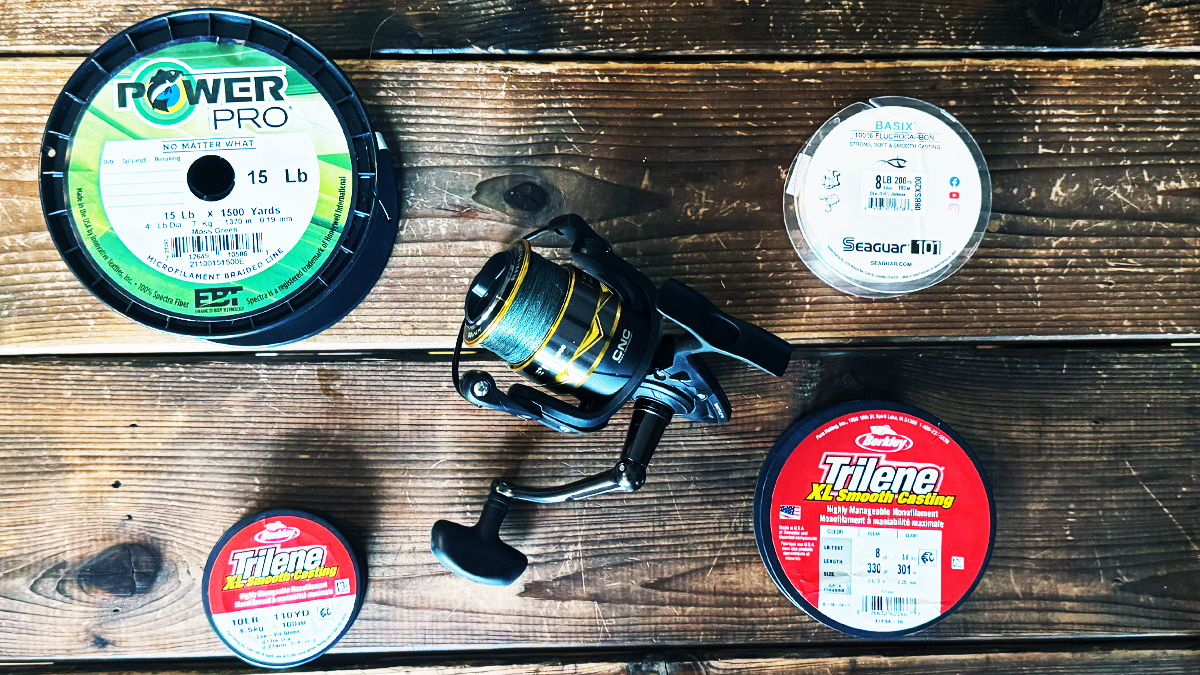
Comparing Popular Fishing Line Brands
Brand matters, but not as much as type and size. Still, quality can vary.
| Brand | Type | Average Price (USD) | Strengths |
|---|---|---|---|
| PowerPro | Braid | $20–$40 | High strength, low diameter |
| Berkley Trilene | Monofilament | $8–$15 | Easy handling, good knots |
| Seaguar | Fluorocarbon | $25–$50 | Invisibility, abrasion resistance |
| SpiderWire | Braid | $15–$35 | Long casting, strong |
| Stren | Monofilament | $7–$13 | Affordable, reliable |
Pro tip: When switching brands, test knot strength and memory before hitting the water.
Some brands are better for certain techniques. For example, Seaguar is famous for abrasion-resistant fluorocarbon, while PowerPro is a top choice for braid lovers who want long, accurate casts.
How Weather And Temperature Affect Fishing Line
Weather matters more than most anglers realize.
- Cold: Fluorocarbon gets stiffer, memory increases. This can make casting difficult, especially with light lures.
- Hot: Monofilament softens, making knots slip. If you’re fishing in the sun all day, check your knots often.
- Wet conditions: Braid stays strong, but can get slippery.
If you fish year-round, consider how your line handles temperature swings.
Also, UV rays from the sun can break down monofilament over time. Storing your reels out of direct sunlight helps your line last longer.

Credit: kayakanglermag.com
Spooling And Maintaining Your Fishing Line
Even the best line fails if not spooled or cared for properly.
- Spool slowly: Avoid twists and loops. If possible, spool with some tension and let the line come off the filler spool in the same direction as your reel spins.
- Check for nicks: Run your fingers along the line; replace if rough. Even tiny cuts can cause your line to snap during a fight.
- Replace often: Monofilament needs changing every season. Braid lasts longer, but check for frays.
- Store indoors: Sunlight breaks down line, especially mono.
Insider tip: Don’t overfill your reel. Leave 1/8 inch from the rim to prevent tangles.
Another tip: If you notice your line getting stiff or faded, it’s probably time to change it. Fresh line performs better and saves lost fish.
The Best Fishing Line For Beginners
If you’re new to fishing, start simple.
- Monofilament: Easy to use, forgiving, cheap. Works for most freshwater fish.
- Medium strength: 6–10 lb test covers most situations.
- Clear color: Safe choice for any water.
Once you gain experience, experiment with braid or fluorocarbon for special techniques.
Don’t worry about using fancy knots or expensive brands at first. Focus on learning to cast and tie basic knots. As you gain confidence, you’ll know when it’s time to upgrade your line.
Advanced Line Choices For Experienced Anglers
Experienced anglers mix and match lines for special situations.
- Braid for main line: Long casts, sensitive feel.
- Fluorocarbon leader: Invisible, abrasion resistant.
- Mono for shock absorption: Fighting big fish.
Try different combinations to see what works best for your local waters.
Some anglers use a double uni knot to connect braid and fluorocarbon, allowing for quick leader changes. Others may spool half their reel with cheap backing (like old mono) and finish with high-end braid to save money.
Common Mistakes When Choosing Fishing Line
Avoid these errors:
- Choosing too thick a line: Reduces bites and casting distance. Fish are often line-shy, especially in clear water.
- Using only one line type: Limits your techniques. Different lines excel in different scenarios.
- Ignoring knot compatibility: Leads to lost fish. Make sure your knot matches your line.
- Not changing line often: Old line breaks easily. Inspect your line before every trip.
- Skipping leaders: Miss out on invisibility and abrasion resistance. Leaders make a big difference, especially with braid.
Another mistake: Not checking your drag setting. Too tight, and even the strongest line may snap.
Real-world Examples And Experiences
Anglers often learn the hard way. Here are a few stories:
- Bass fishing in thick weeds: Braid cuts through plants, but without a fluorocarbon leader, fish spot the line and ignore lures.
- Trout fishing in clear streams: Monofilament gets bites, but fluorocarbon leader increases catch rate by 20% according to field tests.
- Saltwater fishing: Braid main line with a 20 lb fluorocarbon leader survives sharp rocks and teeth, landing more fish.
Data point: Studies show that adding a fluorocarbon leader to braid increases strike rates in clear water by up to 30%.
Another story: An angler fishing for catfish with old, worn-out mono lost a trophy fish when the line snapped on a log. After switching to fresh braid and a strong leader, he landed his next big catch.
How To Test Fishing Line At Home
You don’t need fancy tools. Here’s how:
- Knot strength test: Tie your favorite knot, pull until it breaks. Compare different lines.
- Abrasion test: Rub line against sandpaper or a rock; check for frays.
- Memory test: Pull line off a reel, see if it coils.
Testing helps you trust your gear before you fish.
You can also fill a small bucket with water, hang weights from your line, and see how much it really holds. This can be eye-opening, as some lines break below their rated strength, especially if knots are weak.
Environmental Impact: Eco-friendly Fishing Lines
Some lines break down faster than others.
- Monofilament: Takes 600 years to decompose.
- Braid and fluorocarbon: Even longer.
Dispose of old line properly. Some brands now offer biodegradable options. Check local recycling programs.
For more on sustainable fishing, see the Wikipedia page on sustainable fishing.
A practical step: Carry a small bag for used line. Never leave line in the water, as it can harm birds and fish.
Frequently Asked Questions
What Fishing Line Should I Use For Bass?
For bass, use braid (30–50 lb) if fishing in thick weeds, or fluorocarbon (12–20 lb) for clear water. Add a fluorocarbon leader to braid for invisibility and abrasion resistance. This combo lets you cast far, feel bites, and land fish even in heavy cover.
How Often Should I Replace My Fishing Line?
Change monofilament every season or after heavy use. Fluorocarbon should be replaced when you notice nicks or memory. Braid lasts longer (often a few seasons), but check for frays and replace as needed. If you fish saltwater, rinse lines after each trip to slow down wear.
Can I Use The Same Line For All Fishing?
You can, but you may limit your success. Monofilament is most versatile, but braid and fluorocarbon have advantages for certain fish and techniques. If you only buy one, choose a quality mono in medium strength (like 8 lb). As you learn more, try adding leaders or switching lines for different situations.
Does Line Color Really Matter?
It depends on water clarity and target species. In clear water, use clear or low-visibility lines. In dirty water or for night fishing, high-visibility line helps you see strikes. For most beginners, clear monofilament is a safe bet.
How Much Line Should I Put On My Reel?
Fill your reel until there’s about 1/8 inch left below the rim. Too much line causes tangles; too little reduces casting distance. Always check your reel’s instructions for maximum line capacity.
—
Choosing the best fishing line isn’t about picking the most expensive or the strongest. It’s about matching your line to your fish, water, and technique. Take time to learn how each line works, test your gear, and don’t be afraid to experiment.
With the right line, you’ll fish with more confidence—and catch more fish.