Fishing is one of those timeless activities that connects people with nature. It can be peaceful, exciting, and sometimes even a little bit competitive. But whether you fish from a quiet riverbank or a busy ocean pier, one big question always comes up: What is the best season for fishing? The answer is not simple. Different fish species, weather patterns, and even water types play a role. To help you understand when to fish for the best results, let’s dive into the seasons, factors, and secrets that make fishing successful year-round.
How Seasons Affect Fishing
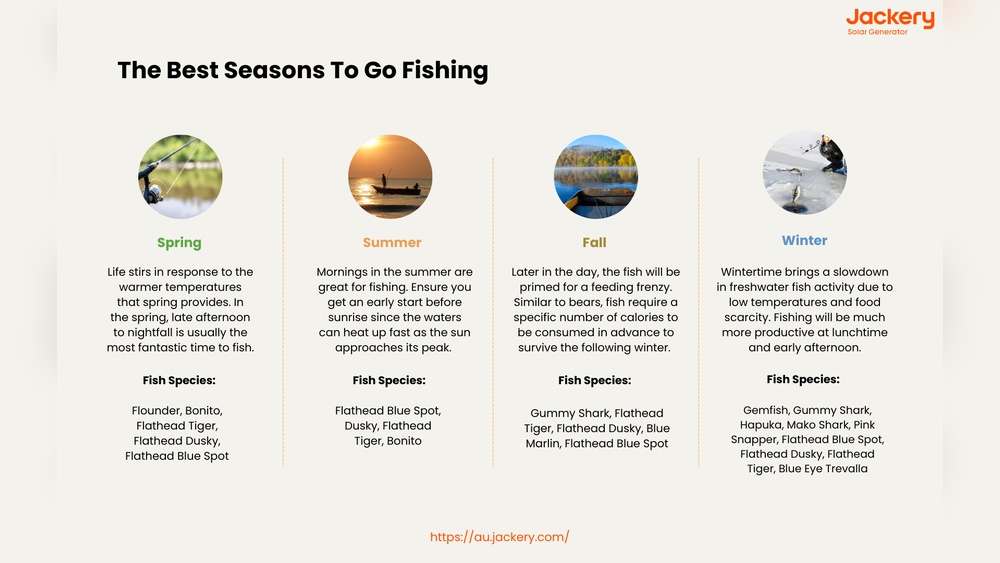
The four main seasons—spring, summer, fall, and winter—each bring unique conditions to lakes, rivers, and oceans. Fish are cold-blooded, which means their body temperature and activity level change with the temperature of the water. This has a huge impact on how, when, and where they feed.
Seasonal Water Temperature Changes
Fish metabolism speeds up in warm water and slows in cold water. In spring and fall, when water temperatures are moderate, most fish are more active. In summer, the water can get too warm in shallow areas, making fish move deeper.
In winter, most fish slow down and feed less, but some species are still catchable.
| Season | Typical Water Temp (°F) | Fish Activity Level |
|---|---|---|
| Spring | 50–65 | High |
| Summer | 65–80+ | Varies (High to Low) |
| Fall | 50–65 | High |
| Winter | 32–45 | Low |
Spring: A Season Of Activity
After a long, cold winter, water starts to warm up in spring. This triggers fish to become more active, especially as they prepare for spawning.
Why Spring Is Great For Fishing
Most freshwater fish, like bass, crappie, and trout, begin to feed more as the water reaches 50°F or higher. Spring is famous for the pre-spawn and spawning periods, when fish move into shallow areas to lay eggs. Because they need extra energy, they eat more during this time.
- Fish are easier to find in shallow waters.
- Many species, especially bass and panfish, are aggressive and hungry.
- Water is often clear, making it easier to spot fish.
Tips For Spring Fishing
- Target Shallow Areas: Look for fish near shorelines, rocks, or submerged wood.
- Use Natural Bait: Worms and insects are common food in spring.
- Fish Slow: The water is still cool, so fish may not chase fast-moving lures.
Example: Bass Spawning
In most of the U. S. , largemouth bass begin spawning when water hits 60–70°F. This usually happens between March and May, depending on the region. During spawning, male bass guard nests, making them more likely to strike at lures or bait near their eggs.

Credit: www.wikihow.com
Summer: Hot Weather Challenges
When summer arrives, fishing can become both easier and harder. Warm water increases fish metabolism, so they feed more often, but high temperatures and bright sunlight can push fish deeper or into cover.
The Good Side Of Summer Fishing
- Some species, like catfish and bluegill, are very active in warm water.
- Early morning and late evening provide great fishing, as fish come into shallow water to feed.
- Night fishing becomes popular, especially for species like catfish.
Summer Fishing Challenges
- Midday sun and heat can make fish sluggish.
- Algae blooms can reduce water clarity and oxygen, making fish harder to find.
- Fish may move to deeper, cooler water.
Summer Strategies
- Fish Early or Late: Sunrise and sunset are prime times.
- Go Deep: Use deep-diving lures or weighted baits to reach cooler water.
- Find Shade: Look for fish under docks, trees, or vegetation.
| Time of Day | Fish Activity | Best Species to Target |
|---|---|---|
| Early Morning | High | Bass, Trout, Panfish |
| Midday | Low | Catfish (deep), Carp |
| Evening | High | Bass, Walleye, Catfish |
| Night | Medium | Catfish, Eel |
Not-so-obvious Summer Insight
Many beginners overlook the importance of oxygen levels. Warm water holds less oxygen, especially in ponds and lakes. Fish gather near inflows, waterfalls, or where wind stirs up the water—places with more oxygen.
Fall: Feeding Frenzy Before Winter
As temperatures drop in autumn, fish sense that winter is coming. Many species feed aggressively to build up fat reserves.
Why Fall Fishing Can Be Fantastic
- Cooling water triggers fish to move back into shallows.
- Fish are often less cautious, making them easier to catch.
- Fewer people fish in fall, so there’s less competition.
Fall Fishing Tactics
- Follow the Baitfish: Predators like bass and walleye chase schools of small fish near shore.
- Use Moving Lures: Fish are more willing to chase fast-moving baits.
- Change Depths: Some fish stay deep until the water cools more, then move shallow.
Real-world Example: Walleye In The Midwest
Walleye fishing peaks in fall in states like Minnesota and Wisconsin. As water drops below 60°F, walleye move along rocky shorelines and chase minnows. Anglers use jigs and crankbaits to mimic fleeing baitfish.

Credit: www.wikihow.com
Winter: Cold Water And Ice Fishing
Winter is the slowest time for most fishing. Cold water makes fish sluggish, but for those willing to brave the elements, winter fishing offers unique rewards.
What Makes Winter Fishing Special
- Ice fishing allows access to deeper parts of lakes.
- Some species, like perch, pike, and crappie, stay active under the ice.
- With less boat traffic, fish are not as easily spooked.
Winter Fishing Tips
- Fish Slowly: Use small baits and gentle movements.
- Drill Multiple Holes: In ice fishing, moving around helps find active fish.
- Safety First: Always check ice thickness and bring safety gear.
Less-known Winter Insight
Some anglers believe fish do not feed in winter, but studies show that many species eat small meals throughout the season. Look for places where streams enter lakes, as these bring slightly warmer water and attract fish.
Comparing The Seasons For Different Fish Species
Different fish have different preferences. Here’s a closer look at how each season matches with popular targets.
| Fish Species | Spring | Summer | Fall | Winter |
|---|---|---|---|---|
| Bass | Excellent (Spawning) | Good (Early/Late) | Excellent | Poor |
| Trout | Good | Fair (Cool Streams) | Excellent | Fair |
| Walleye | Good | Good (Deep Water) | Excellent | Fair |
| Catfish | Good | Excellent | Good | Fair |
| Panfish | Excellent | Good | Good | Fair (Ice Fishing) |
Saltwater Vs. Freshwater: Does Season Matter?
While seasons affect both saltwater and freshwater fishing, the details are different.
Freshwater Fishing
Most lakes and rivers have dramatic temperature changes each season. Fish move between shallow and deep areas as conditions change. For example, in spring and fall, bass and panfish are close to shore. In summer, they go deeper.
Saltwater Fishing
The ocean changes temperature more slowly, but seasons still matter. Many saltwater fish, such as striped bass, redfish, and mackerel, migrate along the coast with the seasons. Spring and fall are famous for big runs of fish close to shore.
- In warmer climates, some saltwater fishing is good year-round.
- Tides and moon phases are especially important in saltwater.
Factors That Influence The Best Fishing Season
While the season is a major factor, it’s not the only one. Local weather, water type, and even fishing pressure can make a big difference.
Weather Patterns
Sudden cold fronts or storms can shut down fishing, even during a “good” season. Fish may become less active or hide until conditions stabilize.
Water Clarity
Rain or melting snow in spring can muddy the water, making it hard for fish to see bait. In summer, algae blooms can also reduce visibility.
Fishing Pressure
In popular spots, fish become wary after being caught and released many times, especially during peak season. Try less-crowded locations or fish at off-peak times.
Example: Rain’s Impact In Spring
A heavy rainstorm in April can raise water levels and muddy rivers. Fish may move to calmer or clearer water. Adjust your tactics by using brightly colored lures or natural-scented baits.
Regional Differences In Fishing Seasons
The best season for fishing can change dramatically depending on where you live.
Northern Vs. Southern States
In northern states, lakes freeze in winter, so ice fishing is popular. In the south, winter can be the best time to fish, as summer heat makes fish sluggish.
- In Florida, winter and spring are peak seasons for bass and saltwater fishing.
- In Minnesota, spring and fall are best for walleye, and ice fishing is common in winter.
Coastal Vs. Inland Areas
On the coasts, fish migrate with the seasons, so timing is everything. Inland, local weather and water levels play a bigger role.
The Best Season By Fishing Type
Different styles of fishing are better in certain seasons.
Fly Fishing
Spring and fall are top seasons for fly fishing in rivers and streams. Trout and salmon are more active, and insect hatches make for exciting action.
Ice Fishing
Only possible in winter, ice fishing is popular in the northern U. S. and Canada. Species like perch, pike, and crappie are common targets.
Deep Sea Fishing
Summer and early fall are peak seasons for offshore fishing, as many large fish species come closer to shore.

Credit: cooperlandingfishingguide.com
Common Mistakes When Choosing A Fishing Season
Even experienced anglers sometimes make mistakes about when to fish. Here are two common errors beginners often miss:
- Ignoring Local Conditions: Just because it’s spring does not mean fishing will be great everywhere. Local floods, droughts, or unusual weather can change everything.
- Focusing Only on Temperature: Other factors like spawning cycles, food sources, and fishing pressure can be just as important as temperature.
Choosing The Best Season For You
So, what is the best season for fishing? The answer depends on your target species, where you live, and your personal preferences. Here are a few questions to help you decide:
- What fish do you want to catch?
- Do you prefer warm or cool weather?
- Are you fishing from shore, boat, or ice?
- How crowded are your local spots in each season?
It can help to keep a fishing journal, recording your catches, weather, and water conditions. Over time, you’ll see patterns that reveal your own personal “best season. ”
Frequently Asked Questions
What Is The Best Season For Bass Fishing?
The best season for bass fishing is usually spring, especially during the spawning period when water temperatures reach 60–70°F. Bass are more aggressive, feed often, and stay in shallow waters, making them easier to catch.
Is Fishing Better In The Morning Or Evening?
Both morning and evening are good times, but early morning is often best. Fish feed near the surface when the sun is low and water is cooler. In summer, evening can also be productive, especially as temperatures drop.
Can You Fish Successfully In Winter?
Yes, but it’s more challenging. Some species, like perch, crappie, and pike, stay active and can be caught through ice fishing. Use small, slow-moving baits and target deeper water where fish gather for warmth.
How Do Tides And Moon Phases Affect Saltwater Fishing?
Tides and moon phases play a big role in saltwater fishing. Many species feed actively during rising and falling tides, and moon phases can affect spawning and feeding. Check local tide charts for the best times.
Where Can I Learn More About Fish Behavior In Different Seasons?
A great resource is the Wikipedia page on fishing seasons, which explains how seasons, temperature, and other factors influence fish activity.
Fishing is a lifelong journey of learning and discovery. No matter which season you choose, remember that patience, observation, and a willingness to adapt are the real keys to success. Try fishing in each season, pay attention to nature, and you’ll find your own best time to fish—and maybe even discover a new favorite season along the way.