
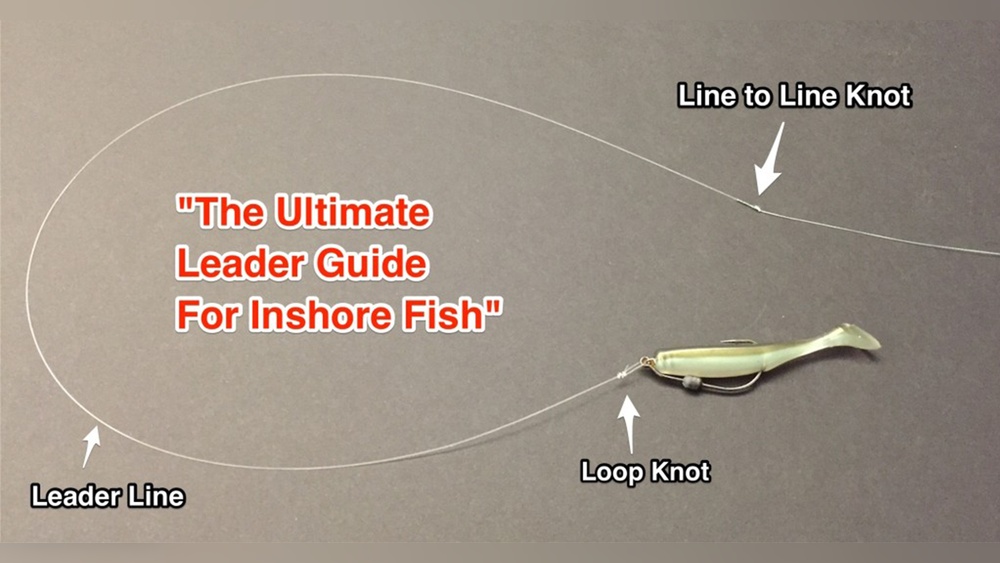
Learning how to make a fishing leader is a skill every angler should master. A leader is a section of fishing line that connects your main line to the hook, lure, or bait. It might seem like a simple piece of gear, but a well-made leader can make a big difference in your fishing success.
Leaders improve the strength of your setup, help prevent fish from seeing your line, and protect against sharp teeth or rough surfaces underwater. Whether you’re after small freshwater fish or powerful saltwater species, understanding leaders will boost your chances of landing more fish—and losing fewer lures.
Many beginners skip learning about leaders, thinking they’re only for pros or special situations. In reality, leaders are useful in almost every type of fishing. Making your own is not only cost-effective but also lets you customize your rig for different fish, water conditions, and fishing styles.
It’s much easier than it looks, and you don’t need fancy tools—just a few basic materials and some simple knots.
This guide will walk you through everything you need to know about fishing leaders. You’ll learn what they are, why they matter, the types available, how to choose materials, step-by-step instructions for tying them, and tips that even seasoned anglers sometimes overlook.
By the end, you’ll be confident in making strong, reliable leaders for any fishing trip.
What Is A Fishing Leader?
A fishing leader is a short length of line that goes between your main fishing line and the hook, lure, or bait. Its main jobs are:
- Protection: Shields your main line from sharp fish teeth, rocks, or debris.
- Stealth: Reduces visibility to fish, especially with clear leader material.
- Strength: Adds extra power to your rig, especially with heavy or toothy fish.
Some fish, like pike or mackerel, have teeth sharp enough to cut through regular fishing line. Others, like trout, are easily spooked by visible line. In both cases, a leader helps you catch more fish and lose less gear.
Why Use A Fishing Leader?
Many anglers wonder if a leader is always needed. The answer depends on your target fish, water clarity, and fishing method. Here’s why a leader can make a big difference:
1. Teeth And Abrasion Protection
Fish like pike, barracuda, or bluefish have sharp teeth that will slice through standard monofilament. Rocky bottoms and oyster beds can also wear down your line. A tough leader prevents break-offs.
2. Reducing Visibility
Fish often avoid thick, visible lines. A thin, clear leader—especially fluorocarbon—is almost invisible underwater, helping you fool wary fish.
3. Improved Lure Action
Leaders can allow lures to move more naturally. Some lines are stiff, which affects how a lure swims. The right leader can make your bait look more lifelike.
4. Better Knot Strength
Using a leader means you can use a strong, reliable knot close to your hook, even if your main line is a different material.
5. Easier Rig Changes
Swapping leaders is faster than changing your whole setup. You can pre-tie different leaders for different situations and switch quickly.
Types Of Fishing Leaders
Not all leaders are the same. There are several types, each with its own benefits. The main types are:
Monofilament Leaders
Monofilament, or “mono,” is a single strand of plastic line. It’s affordable, easy to tie knots with, and stretches a bit under pressure. This stretch helps absorb shock, which is useful when fighting strong fish.
Best for:
- General freshwater fishing
- Fish without sharp teeth
Downside:
- Not as invisible underwater as fluorocarbon
- Can be damaged by teeth or sharp rocks
Fluorocarbon Leaders
Fluorocarbon is a dense, clear material that’s almost invisible in water. It’s harder and more abrasion-resistant than mono. Fluorocarbon sinks faster, making it good for deep-water fishing.
Best for:
- Clear water
- Spooky fish (trout, bass, snook)
- Saltwater flats
Downside:
- More expensive
- Stiffer, which can affect lure action
Wire Leaders
Wire leaders are made from stainless steel or titanium. They’re essential for fish with razor-sharp teeth, like pike or barracuda. Wire leaders are much tougher and last longer than mono or fluorocarbon.
Best for:
- Tooth-heavy fish
- Saltwater predators
Downside:
- Highly visible to fish
- Can reduce lure movement
Knotted Vs. Crimped Leaders
Some leaders are tied with fishing knots; others use crimp sleeves for a mechanical connection. Knots are simple and quick, while crimps provide extra strength for heavy leaders, especially in saltwater.
Choosing The Right Leader Material
The right leader depends on what you’re fishing for and where. Here are the main things to consider:
1. Target Species
Big, toothy fish need thicker, tougher leaders. Small, shy fish need thinner, clearer leaders.
2. Water Clarity
In clear water, use fluorocarbon for its invisibility. In muddy water, mono is fine.
3. Fishing Method
For bait fishing, use a longer, softer leader. For lures, a shorter, stiffer leader may work better.
4. Main Line Type
If your main line is braid (which is highly visible and not abrasion-resistant), a leader is almost always needed.
Here’s a quick comparison of leader materials:
| Material | Visibility | Strength | Best Use |
|---|---|---|---|
| Monofilament | Medium | Good | Freshwater, general use |
| Fluorocarbon | Low (almost invisible) | Excellent | Clear water, wary fish |
| Wire | High | Excellent (tooth-proof) | Toothy fish, saltwater |
Essential Tools And Materials
You don’t need a lot of gear to make a fishing leader. Here’s what you’ll need:
- Leader material (mono, fluorocarbon, or wire)
- Sharp scissors or line cutters
- Swivels (optional, for easy attachment)
- Snaps (optional, for quick lure changes)
- Crimp sleeves and crimping tool (for heavy or wire leaders)
- Pliers (for tightening knots or crimps)
Most beginners start with monofilament or fluorocarbon and basic knots. Crimps are usually for advanced or heavy-duty leaders.
Step-by-step: How To Make A Basic Monofilament Or Fluorocarbon Leader
Let’s start with the most common leader: a single-strand mono or fluorocarbon leader for freshwater or light saltwater fishing. This method works for most situations.
1. Cut Your Leader Material
Decide how long you want your leader. For most freshwater fishing, 18 to 24 inches (45–60 cm) is enough. For shy fish or clear water, use a longer leader (up to 36 inches/90 cm).
Use sharp scissors or line cutters to avoid fraying the ends.
2. Attach A Swivel (optional)
A swivel helps prevent line twist, especially if you’re using spinning lures or bait. To attach:
- Thread the end of the leader through the swivel’s eye.
- Tie a Palomar knot or Improved Clinch knot.
- Pull tight and trim the excess.
3. Tie On Your Hook Or Lure
At the other end, tie your hook, lure, or snap. The Improved Clinch knot is reliable and easy:
- Pass the leader through the hook eye.
- Wrap the tag end around the main line 5–7 times.
- Thread the tag end back through the loop near the hook.
- Moisten and pull tight.
Trim any extra line close to the knot.
4. Attach The Leader To Your Main Line
There are two main ways:
- Direct knot: Tie the leader to the main line with a Double Uni knot or Albright knot.
- Swivel: If you used a swivel, tie your main line to the other end of the swivel.
Both methods are strong and secure.
Example Leader Setup
Let’s say you’re fishing for bass with 15 lb braided line. You might use a 2-foot section of 12 lb fluorocarbon leader, tied with a swivel and an improved clinch knot to your lure.
How To Make A Wire Leader
Wire leaders are essential for toothy fish like pike or bluefish. They require a slightly different approach.
1. Choose The Right Wire
Wire comes in single-strand and multi-strand forms. Multi-strand is more flexible and easier to work with. Choose 20–40 lb test for most freshwater toothy fish; go heavier for big saltwater species.
2. Cut Your Wire
Use wire cutters to cut a length of 10–18 inches (25–45 cm), depending on the fish and water clarity.
3. Add Crimp Sleeves
Slide a crimp sleeve onto one end of the wire. Pass the wire through the eye of your hook or snap, then back through the crimp sleeve to make a loop.
4. Crimp Securely
Use a crimping tool to press the sleeve flat. Make sure the loop is just big enough for the hook or snap to move freely.
5. Repeat At The Other End
Add another sleeve and swivel (if needed) on the other end, then crimp.
Wire Leader Example
Fishing for pike? Use a 30 lb multi-strand wire leader, 12 inches long, with crimps and a strong snap for quick lure changes.
Common Knots For Leaders
Strong knots are critical. Some of the best knots for leaders are:
- Improved Clinch Knot: Easy, reliable, works for mono and fluorocarbon.
- Palomar Knot: Very strong, great for braided or fluorocarbon leaders.
- Albright Knot: Best for joining different types of line.
- Double Uni Knot: Another strong way to connect lines of different materials.
Here’s a quick comparison of knot strength and use:
| Knot | Best For | Strength (%) | Difficulty |
|---|---|---|---|
| Improved Clinch | Hooks, lures | 85–90 | Easy |
| Palomar | Hooks, swivels | 95+ | Easy |
| Albright | Line-to-line | 85–90 | Medium |
| Double Uni | Line-to-line | 90+ | Medium |

Credit: www.wikihow.com
Advanced Leader Setups
As you gain experience, you may want to try more complex leader rigs for special fishing situations.
Shock Leaders
When casting heavy weights or targeting powerful fish (like surf fishing for sharks), a shock leader absorbs the force. It’s a thick section of mono or fluorocarbon, sometimes 2–3 times the breaking strength of your main line.
Tapered Leaders
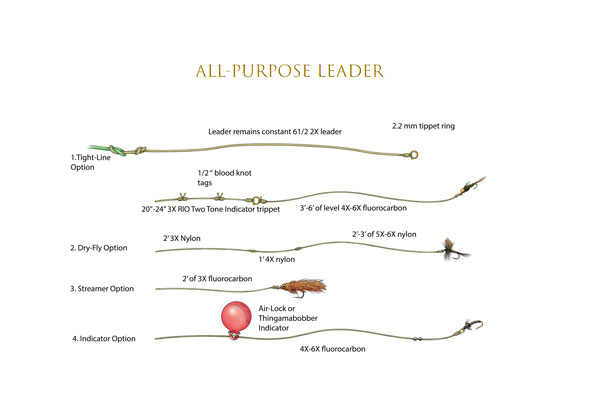
Fly fishing often uses tapered leaders—lines that get thinner toward the end. This helps present flies gently and avoid spooking fish.
Double Or Loop Leaders
Some rigs use two leaders in parallel for extra abrasion resistance, or a loop at the end for quick lure changes.
Mistakes Beginners Make With Leaders
Even experienced anglers sometimes make these errors:
1. Using Too Heavy A Leader
Thicker isn’t always better. If your leader is much heavier than your main line, you risk breaking your main line on a strong fish.
2. Weak Knots
Rushing your knots or failing to wet them before tightening can lead to weak spots.
3. Leaders That Are Too Short Or Too Long
Short leaders don’t protect enough. Long leaders can tangle or reduce casting distance.
4. Ignoring Water Conditions
Using visible leaders in clear water scares fish. Always match your leader to the environment.
5. Old Or Damaged Leader Material
Sunlight, salt, and heat damage fishing line. Replace leaders often.
Credit: www.flyfisherman.com
Non-obvious Insights For Better Leaders
Many anglers overlook these key tips:
- Test Knot Strength at Home: Before heading out, tie your knots and pull hard—many knots fail due to small mistakes.
- Pre-Tie Leaders: Make several leaders ahead of time and keep them in small bags or on a leader wheel. This saves time on the water and keeps your focus on fishing.
- Mix Materials for Special Rigs: Sometimes, using a short section of wire at the end of a long fluorocarbon leader gives you both invisibility and tooth protection.
- Pay Attention to Taper: In fly fishing, the thickness and stiffness of each section matter for a natural presentation.
Practical Examples: Matching Leaders To Fishing Situations
Understanding how to adapt your leader setup makes a real difference. Here are a few real-world scenarios:
- Trout in Clear Streams: Use a 3-foot, 4–6 lb fluorocarbon leader for near invisibility.
- Bass in Heavy Cover: Try a 2-foot, 12–20 lb monofilament leader for abrasion resistance.
- Saltwater Flats for Snook: Use a 30-inch, 20–30 lb fluorocarbon leader to handle sharp gill plates and oyster beds.
- Northern Pike: Go with a 12-inch, 30–40 lb wire leader to survive those teeth.
Leader Length And Strength Guidelines
Choosing the right length and strength is crucial. Here’s a basic guide:
- Small freshwater fish (trout, panfish): 18–36 in (45–90 cm), 4–8 lb test
- Bass or walleye: 18–24 in (45–60 cm), 10–20 lb test
- Pike, musky: 10–18 in (25–45 cm), 30–40 lb wire
- Saltwater inshore: 24–36 in (60–90 cm), 20–40 lb test
- Surf casting: 36–60 in (90–150 cm), 40–80 lb mono (shock leader)
Cost Savings And Customization
Making your own leaders is much cheaper than buying pre-made ones. A spool of quality leader material can make dozens of leaders for the price of a few pre-packaged rigs. Plus, you can customize length, strength, and hardware to match your exact needs.

Credit: www.youtube.com
Environmental And Ethical Considerations
Leaders can be a source of plastic waste if lost in water. Use the shortest, lightest leader needed for the job, and always retrieve lost gear when possible. Consider using biodegradable leader materials if available. Ethical anglers also check local regulations—some areas restrict leader types or lengths to protect fish.
Useful Resources For Further Learning
If you want to master more knots or see detailed videos, the Animated Knots website is a trusted source for anglers worldwide.
Frequently Asked Questions
How Long Should My Fishing Leader Be?
The right leader length depends on your fishing situation. In general, 18–24 inches (45–60 cm) works for most freshwater fishing. In clear water or for shy fish, use a longer leader—up to 36 inches (90 cm). For surf casting or shock leaders, you may need 3–5 feet (90–150 cm).
Adjust based on fish species, water clarity, and cover.
What Is The Best Knot For Connecting Leader To Main Line?
The Double Uni knot and Albright knot are both strong and reliable for joining leader to main line, especially if using different types of line (like braid to fluorocarbon). Practice both and choose the one you find easiest to tie well.
Can I Use Regular Fishing Line As A Leader?
Yes, you can use standard monofilament or fluorocarbon fishing line as leader material. However, special “leader” spools are sometimes tougher and more abrasion-resistant than regular line. For toothy fish, you need a true wire leader.
How Often Should I Change My Fishing Leader?
Change your leader whenever it shows signs of abrasion, nicks, or damage. In saltwater or sunny conditions, leaders break down faster and should be replaced more often. Many anglers change leaders every trip or after catching a big fish.
Do I Always Need A Leader For Fishing?
Not always. If your main line is strong enough, you’re fishing in murky water, and targeting fish without sharp teeth, you may not need a separate leader. However, leaders are almost always helpful for stealth, protection, and knot strength in most fishing situations.
Mastering how to make a fishing leader is a simple skill that can make your fishing trips more successful, less costly, and more enjoyable. With the right leader, you’ll land more fish and spend less time dealing with broken lines or lost lures.
Try making your own leaders before your next trip—you’ll quickly see the difference in your results.