
Surf fishing is one of the most exciting ways to connect with the ocean. You stand on the beach, feel the waves at your feet, and cast your line beyond the breakers. But if you want to catch fish, you need the right bait.
Choosing the best bait for surf fishing is more than just picking something that looks good. The right bait can make the difference between a great day and going home empty-handed. Many beginners don’t realize how much the choice of bait changes depending on where you fish, the season, and what you hope to catch.
Let’s dive into everything you need to know about bait for surf fishing, so you can confidently plan your next trip and increase your chances of success.
Understanding Surf Fishing Bait
Surf fishing bait falls into two main categories: natural bait and artificial lures. Natural bait is real food that fish eat in their environment, while artificial lures are man-made and designed to imitate the look or movement of prey. Both have advantages, and your choice often depends on the type of fish you target and the local conditions.
Why Bait Matters
Fish are selective. They look for food that matches what they usually eat. If you use the wrong bait, you might wait hours with no bite. The right bait appeals to a fish’s sense of smell, taste, and sight. Many surf fish, like striped bass, bluefish, and red drum, rely on scent and movement to find food in the surf.
Factors That Affect Bait Choice
Several factors influence your bait choice:
- Target species: Different fish like different foods.
- Local regulations: Some areas ban certain live baits.
- Season: What fish eat changes through the year.
- Water conditions: Clear or murky water affects visibility and scent.
- Availability: Some baits are hard to find in certain regions.
Top Natural Baits For Surf Fishing
Natural baits are the most reliable choice for many surf fishers. Here are the most effective options, what they attract, and how to use them.
1. Sand Fleas (mole Crabs)
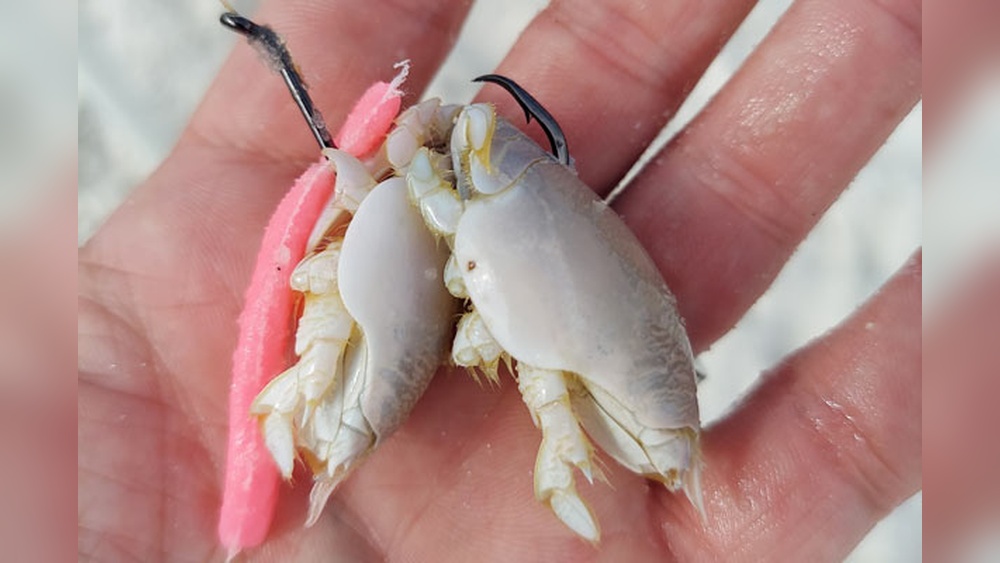
Sand fleas are a top choice for surf fishing, especially in warmer regions. These small crustaceans live at the edge of the surf and are a favorite food for pompano, whiting, and red drum. You can collect them yourself by digging in the wet sand, or buy them at bait shops.
To use, hook the sand flea through the shell without crushing it. Cast just beyond the breaking waves where fish feed. One insight many miss: sand fleas are most effective after rough surf or storms, when they’re washed out and fish expect to find them.
2. Shrimp
Shrimp work almost anywhere and attract many species, from flounder to sea trout and snook. Fresh, live shrimp are best, but frozen shrimp also work. Hook them through the tail or head, depending on your rig.
Shrimp release a strong scent, drawing fish even in murky water. A common mistake is to use shrimp that’s too large for local fish—match the shrimp size to your target species.
3. Clams And Mussels
Clams and mussels are natural surf foods for fish like striped bass and croaker. They are best used fresh, but can be tricky to keep on the hook. Wrap them in mesh or thread to keep them secure.
A tip many overlook: slightly crush the shell before casting. This releases more scent and attracts fish faster.
4. Squid
Squid is a go-to bait for bluefish, striped bass, and sharks. It’s tough, stays on the hook, and can be cut into strips. The scent lasts long in the water.
Use squid when fishing deeper holes or channels. Mix it with other baits (like a piece of clam) for extra appeal.
5. Cut Bait (fish Chunks)
Cut bait means using pieces of fish, such as mullet, menhaden, or herring. This is especially effective for big predators like sharks and red drum.
A fresh, oily chunk works best. Hook it so the skin faces out, making it more visible and durable. Remember: always use fresh cut bait—old, dry pieces lose their scent quickly.
6. Live Baitfish
Live baitfish—such as mullet, spot, or pilchards—attract large, aggressive species. Use a live bait rig and a steady cast. Keep the fish lively, as struggling bait draws attention.
Fish live bait just outside the breakers or near structures like jetties. It’s important to match your hook size to the baitfish to avoid killing it before casting.
7. Bloodworms And Sandworms
These marine worms are top picks for striped bass, flounder, and perch. They are available at most coastal tackle shops. Bloodworms are especially effective in spring and fall.
Hook the worm through the head and let it dangle. Wear gloves—bloodworms can bite! Many beginners use too large a piece; use smaller segments to avoid bait-stealing crabs.
8. Crabs
Crabs (whole or in pieces) work well for black drum, redfish, and sheepshead. Peel off the shell and break the crab into chunks. Use a strong hook, as crab pieces can be heavy.
Present crab near rocky areas or piers, where these fish hunt for crustaceans.
9. Fish Eggs (roe)
Fish eggs are less common but can be powerful, especially for surfperch and some trout species. Roe is fragile—wrap it in mesh or cheesecloth for better durability.
10. Other Shellfish
Oysters and scallops can be used where legal. Their scent is strong, attracting bottom feeders. Use small pieces and secure them tightly to the hook.

Credit: www.youtube.com
Artificial Lures For Surf Fishing
Artificial lures are useful when natural bait is not available, or when you want to cover more water quickly. They imitate the look or movement of prey and can trigger aggressive strikes.
Types Of Effective Lures
| Lure Type | Best For | Advantages |
|---|---|---|
| Spoons | Bluefish, Striped Bass | Long casting, flashes in sunlight |
| Soft Plastics | Red Drum, Flounder | Lifelike action, many shapes |
| Jigs | Sea Trout, Pompano | Versatile, can be tipped with bait |
| Topwater Plugs | Snook, Bluefish | Exciting strikes, visible action |
| Swimbaits | Striped Bass, Jack Crevalle | Imitates baitfish, covers water fast |
When To Use Lures
Use lures when fish are actively hunting or when the surf is too rough for natural bait to stay on the hook. Lures work best in clear water, as fish rely more on sight than smell. Some lures, like jigs, can be “tipped” with a small piece of shrimp or squid for added scent.
Choosing The Right Lure
Pick lure color based on water clarity:
- Clear water: Use natural or silver colors.
- Murky water: Use bright or fluorescent colors.
Match lure size to the baitfish present. Many beginners use lures that are too big, scaring off smaller fish.
Matching Bait To Target Species
Each fish species has its own preferences. Here’s a quick guide to which bait works best for common surf fishing targets.
| Fish Species | Best Natural Bait | Best Lure Type |
|---|---|---|
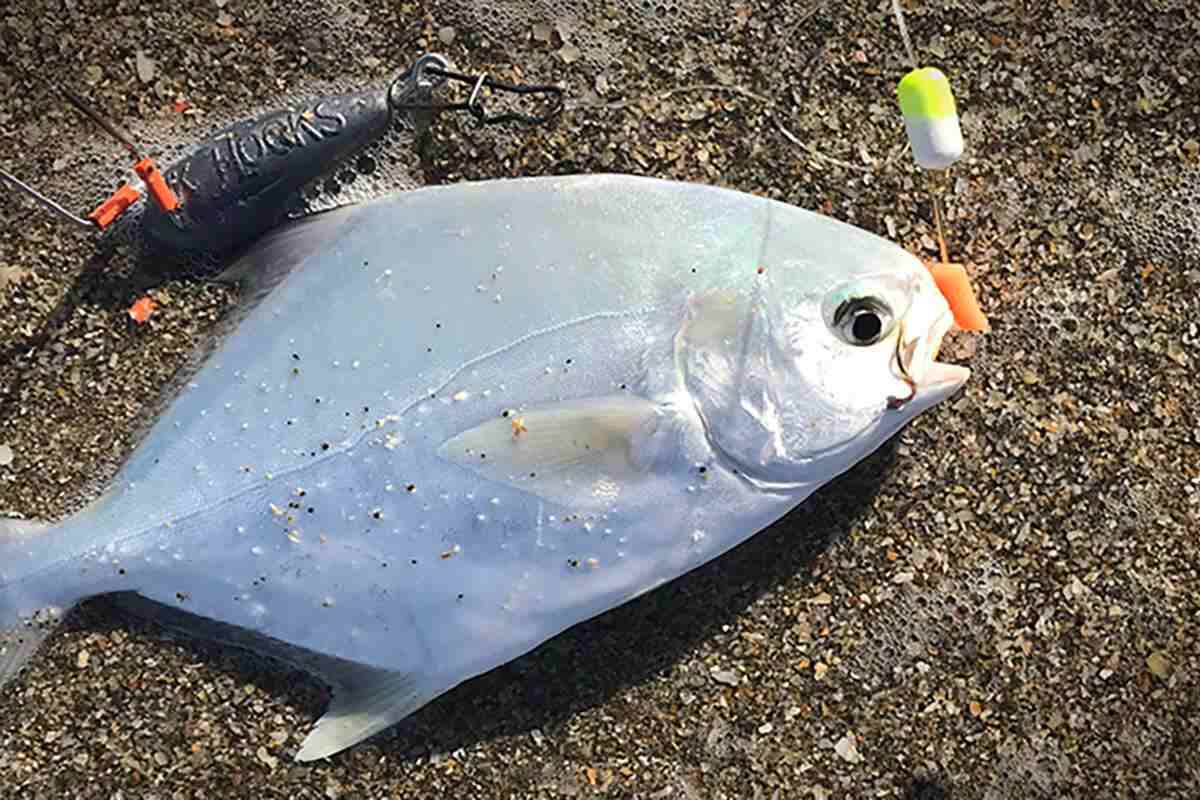
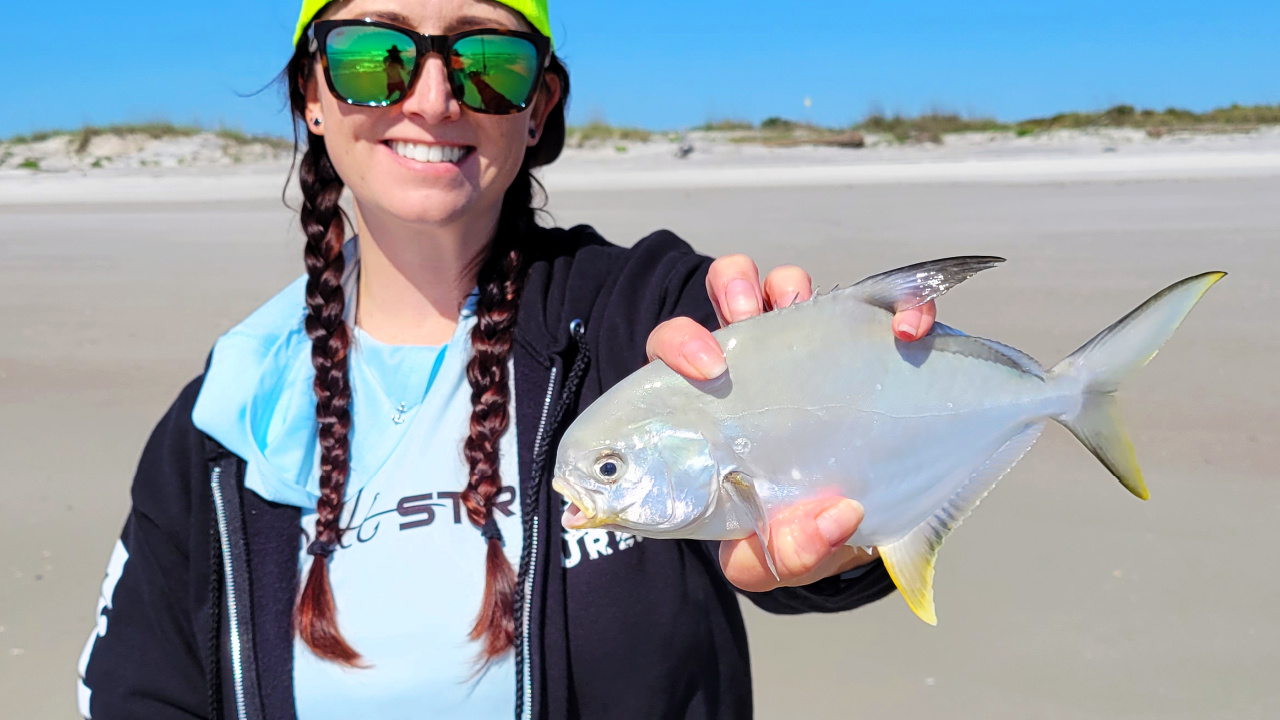
| Pompano | Sand Fleas, Shrimp | Small Jigs |
| Striped Bass | Clams, Bloodworms, Cut Bait | Spoons, Swimbaits |
| Red Drum | Crab, Shrimp, Cut Mullet | Soft Plastics |
| Bluefish | Cut Bait, Squid | Spoons, Topwater |
| Flounder | Shrimp, Minnows | Jigs, Soft Plastics |
| Whiting | Sand Fleas, Shrimp | Small Jigs |
An insight many miss: sometimes fish ignore their usual favorites. If you aren’t getting bites, switch baits or lures until you find what works that day.
Fresh Vs. Frozen Bait: Does It Matter?
Many anglers wonder if fresh bait is always better than frozen. The answer is: usually, but not always. Fresh bait has a stronger scent and more natural movement, which attracts more fish. However, high-quality frozen bait can still catch fish, especially if it was flash-frozen soon after being caught.
Frozen bait is more convenient and lasts longer. If you use frozen, thaw it slowly and keep it cool to preserve scent and texture.
How To Collect And Store Surf Fishing Bait
Collecting Your Own Bait
Many surf anglers collect bait right at the beach. This can save money and often works better than store-bought bait because it’s fresh and matches the local food.
- Sand fleas: Dig at the water’s edge with a sand flea rake.
- Clams and mussels: Look for beds at low tide.
- Baitfish: Use a cast net in shallow surf.
- Crabs: Turn over rocks or use small traps.
Always check regulations before collecting your own bait.
Storing Bait
Keep bait cool and moist. Use a cooler with ice packs, but don’t let bait sit in water, or it will get mushy. For live bait, use an aerated bucket. Change water often to keep bait lively.
Best Rigs And Hooks For Surf Fishing Bait
The way you present bait matters as much as the bait itself. Use the right rig to keep your bait visible, natural-looking, and in the strike zone.
Common Surf Fishing Rigs
- Fish Finder Rig: Good for cut bait or live baitfish. Lets bait move naturally.
- Pompano Rig: Holds small baits like sand fleas or shrimp above the bottom. Great for whiting and pompano.
- Carolina Rig: Allows bait to move with the current, effective for flounder and red drum.
Hook Selection
Match hook size to bait and target fish. Too large a hook can scare off fish; too small may not hold the bait securely. For most surf species, size 1/0 to 4/0 hooks work well.
Seasonality: When To Use Which Bait
Fish feeding habits change through the year. In warmer months, shrimp, sand fleas, and live baitfish are more active and attract more fish. In cooler months, clams, bloodworms, and cut bait can be more effective.
After storms, the surf churns up natural food, making live or fresh bait especially attractive. Early morning and evening are usually the best times to fish, as fish come closer to shore to feed.
Credit: www.floridasportsman.com
Common Mistakes And How To Avoid Them
Many beginners make simple errors that cost them fish.
- Using the wrong size bait: Too big and small fish ignore it; too small and it only attracts bait thieves.
- Improper bait storage: Letting bait get warm or dry reduces its appeal.
- Not matching bait to local food: Fish are more likely to bite what they’re used to seeing.
- Overlooking scent: Some fish rely more on smell than sight. Fresh, oily baits work best for these.
- Rigging bait incorrectly: If bait spins or falls off, fish will ignore it. Learn proper hooking techniques for each bait type.
Pros And Cons Of Different Baits
Every bait type has advantages and disadvantages. Here’s a simple comparison.
| Bait Type | Pros | Cons |
|---|---|---|
| Sand Fleas | Natural, easy to collect, top choice for pompano | Seasonal, can be hard to find |
| Shrimp | Widely available, strong scent | Falls off hook easily, attracts small fish |
| Cut Bait | Great for big fish, strong scent | Messy, attracts sharks |
| Artificial Lures | Reusable, covers water quickly | Less scent, may not work in murky water |
| Bloodworms | Effective for many species | Expensive, delicate |
Advanced Tips For Surf Fishing Bait
- Mix and match: Combine baits, like a piece of shrimp on a jig, to increase attraction.
- Use bait scent enhancers: Gels or sprays can make artificial lures more appealing.
- Observe the beach: Watch for bird activity or fish splashing—this shows where baitfish are, and where predators follow.
- Change bait often: Don’t leave old, chewed-up bait on your hook. Replace it every 20–30 minutes for best results.
- Try night fishing: Some species feed more at night; use oily, strong-scented baits for best results.
Ethical And Legal Considerations
Always follow local regulations. Some areas restrict certain baits to protect native species or prevent disease. Collect bait only where legal, and never leave unused bait or packaging on the beach.
Protect the environment: avoid dumping leftover bait in the water, as it can harm local ecosystems.
For a deeper dive into surf fishing techniques and ethics, check out the U.S. Fish & Wildlife Service.
Credit: www.saltstrong.com
Frequently Asked Questions
What Is The Best All-around Bait For Surf Fishing?
Shrimp is often considered the best all-around bait. It attracts a wide range of fish, is easy to use, and is available almost everywhere. Fresh shrimp is preferred, but frozen works if necessary.
Can I Use Leftover Bait From A Previous Trip?
You can use leftover frozen bait, but its scent and texture may be weaker than fresh bait. Always store leftover bait properly, keeping it frozen until you need it.
Do Artificial Lures Work As Well As Natural Bait In The Surf?
Artificial lures can be just as effective as natural bait, especially when fish are actively feeding. However, in tough conditions or when fish rely more on scent, natural bait usually outperforms lures.
How Do I Keep Bait On The Hook In Heavy Surf?
Use bait thread or mesh to secure soft baits like clam or shrimp. Choose tougher baits (like squid) in rough water, and use hooks with barbs to help hold bait in place.
Is It Legal To Collect My Own Bait From The Beach?
Regulations vary. In many places, you can collect small amounts of sand fleas, clams, or baitfish for personal use, but always check local laws before collecting or using live bait.
Surf fishing is a rewarding way to enjoy the coast, but your bait choice is key. By understanding what works for your target species, keeping bait fresh, and adjusting to local conditions, you can greatly increase your chances of a great catch.
Whether you choose live bait, fresh cut bait, or artificial lures, success comes from matching your approach to the fish and the environment. Next time you head to the surf, use these tips and see how the right bait can transform your fishing experience.