Surf fishing is a thrilling experience that brings anglers face-to-face with the raw power of the ocean. The sound of crashing waves, the smell of salt in the air, and the anticipation of what might be lurking beneath the surface make surf fishing unique. But success on the beach often comes down to the right tackle and rigs. One question that pops up often: Is a Carolina rig good for surf fishing? You might have seen it used in freshwater or for bass, but can it really handle the challenges of the surf? Let’s explore everything you need to know about using a Carolina rig in the surf—its strengths, weaknesses, setup, and pro tips, so you can decide if it should be part of your beach arsenal.
Understanding The Carolina Rig
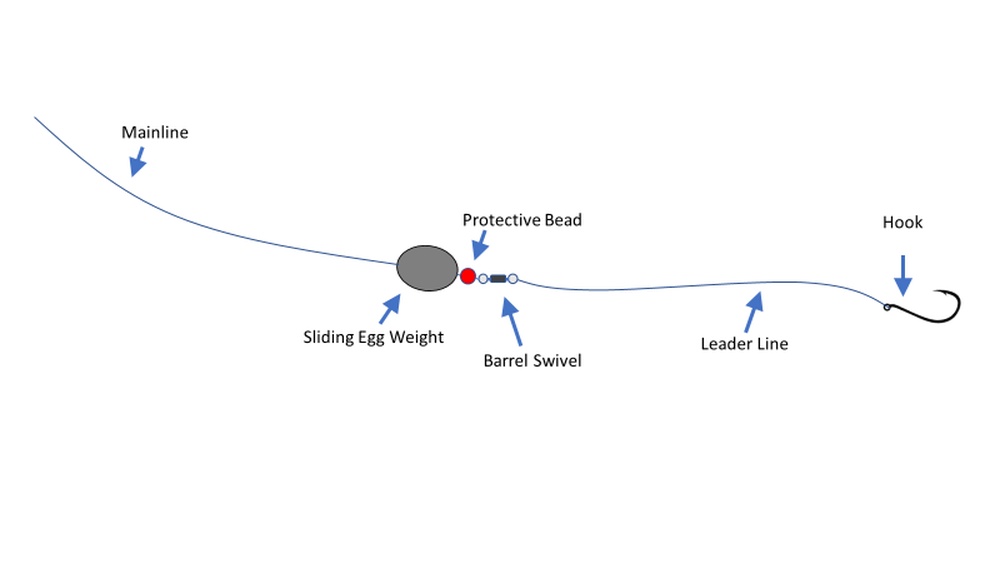
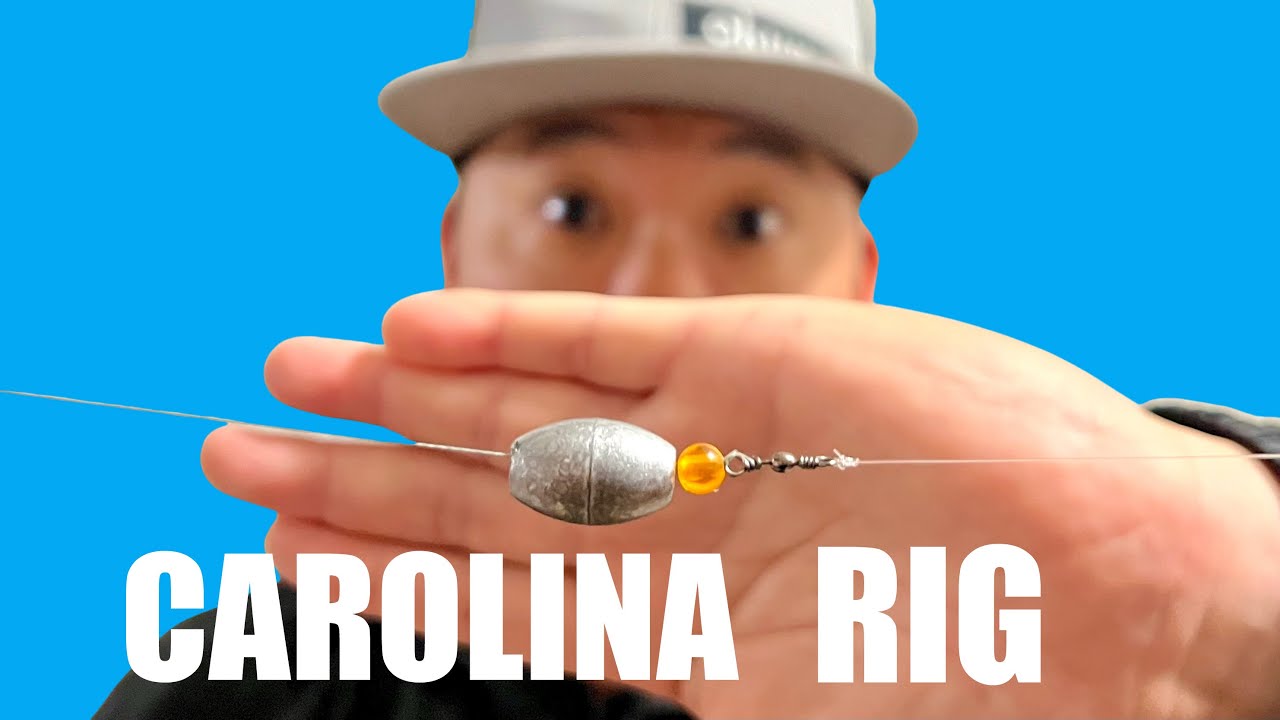
The Carolina rig is a flexible fishing setup, originally popularized for freshwater fishing. At its core, it consists of a sliding sinker, a bead, a swivel, a leader line, and a hook. The design allows bait to move more freely, separated from the weight. This mobility helps present the bait naturally, even in moving water.
In surf fishing, the Carolina rig is often adapted with heavier sinkers and stronger lines to handle waves, currents, and larger fish. Its sliding weight system is especially interesting because it lets fish take the bait with less resistance. This can be a big advantage when targeting species that are sensitive or “shy” when feeding.
How The Carolina Rig Works In Surf Conditions
The main idea behind the Carolina rig is to keep the bait near the bottom while allowing some natural movement. Here’s how it plays out in the surf:
- The sliding sinker sits above a bead and swivel. When you cast, the sinker pulls your baited hook out into the surf.
- The leader line—usually between 18 and 36 inches—keeps your bait separated from the heavy weight. This lets the bait float, drift, or wiggle with the current.
- As waves and current move the bait, it appears more lifelike, attracting fish that are hunting for food near the sand.
This setup is especially useful in the surf because many target species—like pompano, whiting, red drum, and flounder—feed close to the bottom, searching for crustaceans, worms, and small fish.
Setting Up A Carolina Rig For Surf Fishing
A proper setup is key to getting the most from your Carolina rig in the surf. Let’s break down the components and step-by-step assembly:
- Main Line: Use a sturdy monofilament or braided line, usually 15–30 lb test for surf fishing.
- Sliding Sinker: Choose an egg or bullet sinker, typically 1–4 ounces depending on surf conditions. Heavier surf may require more weight.
- Bead: Place a small plastic bead after the sinker to protect your knot from the weight.
- Swivel: Attach a barrel swivel to prevent line twist and keep your rig tangle-free.
- Leader Line: Use a fluorocarbon or strong monofilament leader, 18–36 inches long, 15–25 lb test.
- Hook: Select a size 1 to 2/0 circle or kahle hook, depending on your target species and bait size.
Assembly steps:
- Slide the sinker onto your main line, followed by the bead.
- Tie the main line to one end of the swivel.
- Tie your leader to the other end of the swivel.
- Attach the hook to the end of the leader.
This simple setup can be adjusted in seconds—swap sinkers, change leader length, or try different hook sizes. That’s why many anglers love it for surf fishing.
Comparing Carolina Rig To Other Surf Fishing Rigs
How does the Carolina rig stack up against classic surf rigs like the fish-finder rig and the high-low rig? Here’s a comparison to help you understand the differences and when to use each.
| Rig Type | Main Strength | Best Use | Weakness |
|---|---|---|---|
| Carolina Rig | Natural bait movement; low resistance | Finicky or bottom-feeding fish | Not ideal for rough surf; fewer hooks |
| Fish-Finder Rig | Good for big fish; bait anchored well | Heavy surf or strong current | Bait less mobile; more resistance |
| High-Low Rig | Multiple baits; covers more water | Schools of fish; variety | More tangles; less bait action |
The Carolina rig stands out for its ability to offer a natural bait presentation, making it a strong choice when fish are cautious or when you want your bait to look as lifelike as possible.
Pros Of Using A Carolina Rig For Surf Fishing
Let’s dive into the specific reasons why the Carolina rig works well on the beach.
1. Natural Bait Presentation
The sliding sinker design means your bait can float, drift, and move with the waves. This is crucial because many surf species are looking for natural movement—static bait can be ignored. Especially when using live or cut bait, the Carolina rig lets the scent and action attract hungry fish.
2. Sensitive Bite Detection
Because the weight is not fixed to the hook, fish can grab the bait and swim a little before feeling resistance. This results in more hook-ups, especially with cautious feeders. You’ll notice subtle bites more easily, which is a big advantage in the surf.
3. Versatility In Bait Choice
The Carolina rig can handle almost any bait—shrimp, sand fleas, worms, cut bait, even soft plastics. Changing baits is simple, and the same rig can be used for different species without major adjustments.
4. Easy To Cast
The streamlined design and sliding sinker make it easier to cast long distances—an important factor when you need to reach deeper troughs or sandbars where fish are feeding.
5. Quick Rig Changes
If you want to switch tactics, it’s easy to change the weight, leader length, or hook size without rebuilding your entire rig. This flexibility saves time and lets you adapt to changing surf conditions.
Cons And Limitations Of The Carolina Rig In Surf
No rig is perfect, and the Carolina rig has a few drawbacks you should know.
1. Not Ideal For Rough Or Heavy Surf
The main weakness is in rough conditions. The sliding sinker can roll or drag in strong waves, causing your bait to move too much or even wash back to shore. In heavy surf, a fish-finder rig with a pyramid sinker or a fixed weight may keep your bait in place better.
2. Only One Hook
Unlike high-low rigs, the Carolina rig has a single hook. This means you can’t present multiple baits at different depths. When fish are spread out or you want to target different species at once, this can be a downside.
3. Leader Can Tangle
In heavy current or with aggressive casting, the leader section can tangle or wrap around the main line. Using a stiffer leader or slightly shorter length can help, but it’s still a risk.
4. Limited For Very Large Species
If you are after very large surf species like sharks or big rays, the Carolina rig may not be strong enough unless you upsize every component. Even then, specialized rigs may be safer and more effective for true giants.
Best Situations For Using A Carolina Rig In The Surf
Knowing when to use the Carolina rig is half the battle. Here are scenarios where it really shines:
- Calm to Moderate Surf: The rig works best when the waves are not too powerful, letting your bait move naturally but not get swept away.
- Targeting Bottom Feeders: Species like whiting, pompano, flounder, and smaller red drum are ideal targets. These fish hug the bottom and respond well to bait that looks alive.
- Clear Water or Light Current: When the water is not too murky and the current is manageable, the Carolina rig’s natural presentation is at its best.
- When Fish Are Shy: If you notice light bites or fish that spit out the bait quickly, switching to a Carolina rig can result in more hook-ups because fish don’t feel the weight right away.
Choosing The Right Tackle For Carolina Rigs In Surf Fishing
Picking the right gear is essential for success. Here’s what to consider for each component:
Rod And Reel
- Rod: A medium-heavy, 9–12 foot surf rod gives you casting distance and control.
- Reel: Use a spinning reel in the 4000–6000 size range, spooled with enough line for long casts and big runs.
Line
- Main Line: 15–30 lb braided or monofilament, depending on the species and surf conditions.
- Leader: 15–25 lb fluorocarbon or mono for most surf species. Go heavier if targeting larger fish or fishing near rocks.
Sinker
- Egg or bullet sinkers are standard. In moderate surf, 2–3 ounces usually works. For heavier surf, go up to 4 ounces.
Hook
- Use a circle hook for easier catch-and-release and better hookups. Sizes 1 to 2/0 cover most surf species.
Bead And Swivel
- Use a small plastic bead for knot protection. Barrel swivels in the 50–100 lb class prevent line twist and withstand strong fish.

Credit: comunicar.org
Practical Bait Choices For Carolina Rig Surf Fishing
The Carolina rig’s flexibility lets you use a wide range of baits. Here are the most effective options:
- Shrimp: Both live and cut shrimp are irresistible to most surf fish.
- Sand Fleas (Mole Crabs): Especially effective for pompano and whiting.
- Cut Bait: Small pieces of mullet, squid, or other local baitfish attract larger predators.
- Worms: Bloodworms and sandworms are classic surf baits for a variety of species.
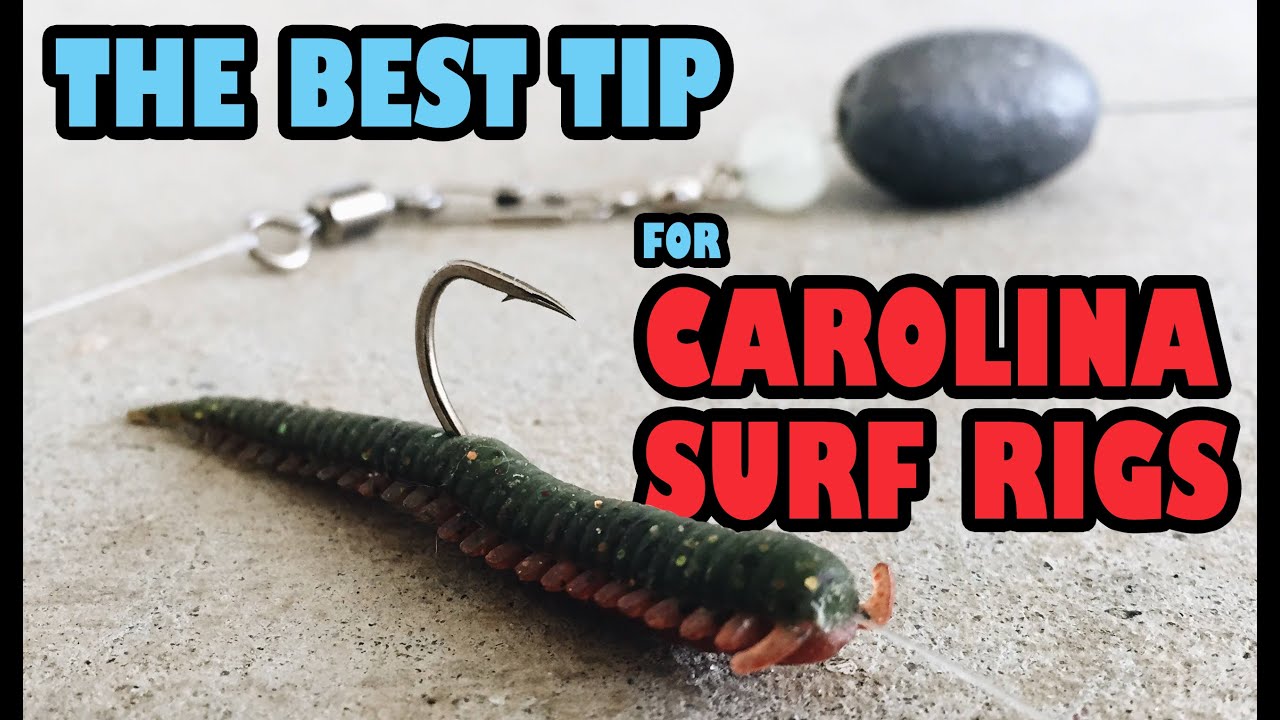
- Artificial Baits: Soft plastics and scented baits can be used when live bait is unavailable or prohibited.
Non-obvious tip: For clearer water, use lighter leaders and smaller hooks to avoid spooking fish. In murky water, upsize your bait and hook for better visibility and scent dispersion.
How To Fish The Carolina Rig From The Beach
Getting the most from your Carolina rig means understanding not just how to set it up, but how to use it on the beach.
Locating Productive Spots
Look for gut channels, troughs, and sandbars—these are natural highways for fish. Cast beyond the breakers if possible, or into deeper pockets close to shore.
Casting And Retrieval
- Cast beyond the first set of waves, aiming for deeper water.
- Allow the bait to settle, then let it sit. The natural movement from the waves will work the bait.
- Occasionally, slowly drag the rig a few feet to stir up the sand and attract attention. This mimics a fleeing crab or shrimp.
Detecting Bites
Watch your rod tip or line closely. The Carolina rig transmits even light bites, so be ready to set the hook with a smooth, steady pull.
Pro insight: Sometimes, fish will pick up the bait and move toward you, causing slack in the line. Reel in quickly to maintain tension and avoid missing the bite.
Adjusting The Carolina Rig For Local Conditions
A key advantage of the Carolina rig is its adaptability. Here’s how to tweak it for different surf scenarios:
| Condition | Recommended Adjustment |
|---|---|
| Heavy Current | Increase sinker weight; shorten leader to 12–18 inches |
| Clear Water | Use fluorocarbon leader; smaller hook and bait |
| Murky Water | Use larger bait; add scent attractant; heavier leader |
| Targeting Large Fish | Upgrade all tackle sizes; use larger hooks and bait |
Experimenting with these adjustments will help you dial in the rig for your local beach.
Common Mistakes To Avoid When Using A Carolina Rig
Even experienced anglers make mistakes with the Carolina rig. Here’s what to watch out for:
- Using Too Light a Weight: If your sinker is too light, the rig will not stay in place. Always match the weight to the surf conditions.
- Too Long of a Leader: While a longer leader offers more bait movement, it can tangle in heavy surf. Start with 18–24 inches and adjust as needed.
- Overlooking Knots: Saltwater fishing puts extra stress on knots. Use reliable knots like the Palomar or improved clinch and check them regularly.
- Ignoring Bait Placement: Make sure your bait is securely on the hook and presented naturally. Sloppy baiting will reduce bites.
- Not Checking Gear After Snags: Surf fishing often leads to snags. Always check for frayed line or damaged hooks after retrieving your rig.
When Should You Not Use A Carolina Rig In Surf Fishing?
While the Carolina rig is a powerful tool, there are times when it’s better to choose another rig.
- Very Rough Surf: If the waves are high and the current strong, use a fixed sinker rig to keep your bait anchored.
- Targeting Topwater Species: For fish feeding higher in the water column, use a float rig or a casting lure instead.
- When Multiple Baits Are Needed: If you want to maximize your chances with more than one bait, a high-low rig is the better option.
Real-world Example: Success With The Carolina Rig
Let’s say you’re on a mid-Atlantic beach in the early morning. The surf is calm, and you’re targeting pompano and whiting. You set up a Carolina rig with a 2-ounce egg sinker, 20 lb fluorocarbon leader, and a size 1 circle hook. You thread on a fresh sand flea and cast just beyond the first sandbar. In minutes, you feel a gentle tap—then a steady pull. You set the hook and reel in a nice whiting. Later, you switch to cut shrimp and catch a small red drum. This is a classic scenario where the Carolina rig shines: calm surf, bottom feeders, and light tackle.
Non-obvious insight: Even on busy beaches, the Carolina rig’s subtle presentation can outfish flashier rigs when fish are pressured or the bite is slow.
Credit: www.youtube.com
Frequently Asked Questions
What Is The Main Advantage Of A Carolina Rig In Surf Fishing?
The main advantage is its natural bait movement. The sliding sinker allows the bait to move freely, mimicking real prey. This attracts more bites from cautious or bottom-feeding fish, making it especially effective in calm to moderate surf conditions.
Credit: www.youtube.com
Can I Use Artificial Lures With A Carolina Rig In The Surf?
Yes, you can. While most anglers use live or cut bait, soft plastics and scented lures also work well. Paddle-tail grubs, scented worms, or artificial shrimp can be rigged and fished the same way as natural bait, especially when live bait is not available.
How Heavy Should The Sinker Be For Surf Fishing With A Carolina Rig?
Sinker weight depends on surf conditions. Start with a 2-ounce egg sinker for calm surf. Increase to 3 or 4 ounces in moderate waves. In heavy surf, you may need even more weight or consider a different rig to keep your bait in place.
Is The Carolina Rig Effective For Catching Big Fish From The Surf?
It can be, but you need to upsize your tackle. Use heavier lines, stronger leaders, and bigger hooks. For very large species like sharks or rays, specialized rigs are safer and more effective, but the Carolina rig can handle red drum, striped bass, and similar-sized fish if built properly.
How Does The Carolina Rig Compare To The Fish-finder Rig?
The main difference is bait movement. The Carolina rig allows more natural movement, making it better for finicky or bottom-feeding fish. The fish-finder rig anchors the bait more firmly, which is better in strong surf or when targeting larger predators. Each has its place, depending on the conditions and species you’re after.
For more detailed surf fishing rig comparisons, check out Surf Fishing on Wikipedia.
Surf fishing is all about adapting to changing conditions and reading the water. The Carolina rig is a valuable addition to your surf fishing toolkit—versatile, sensitive, and easy to use. While it’s not perfect for every situation, knowing when and how to use it can lead to more fish and more fun on the beach.
If you’re looking for a rig that offers natural presentation and adaptability, give the Carolina rig a try next time you hit the surf. You might be surprised at how effective it can be when conditions are right.