
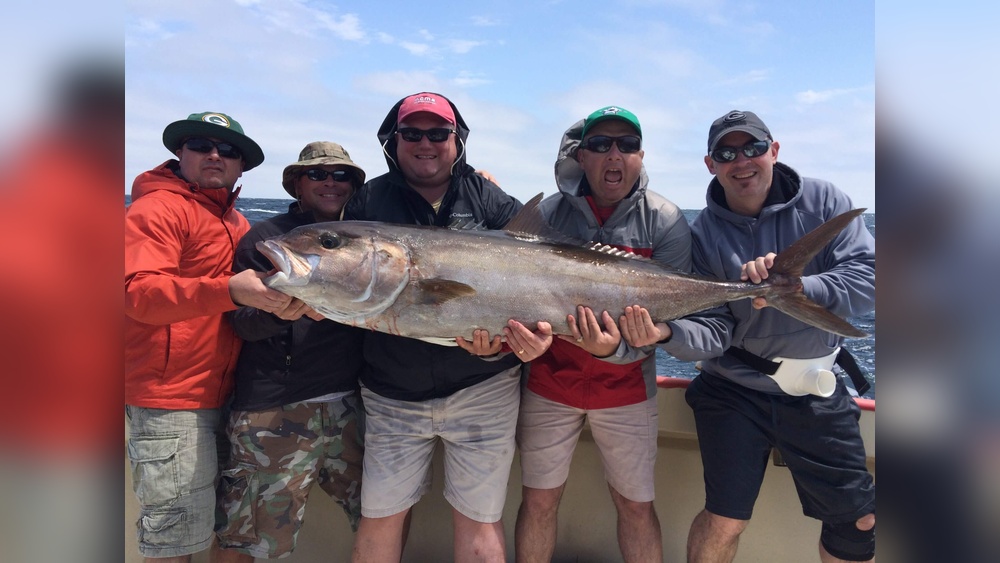
Going on a fishing charter is an adventure that promises excitement, relaxation, and the thrill of the catch. Whether you’re a first-timer or someone who’s spent years on the water, deciding what to wear on a fishing charter can be confusing. Clothes and gear can make the difference between a perfect day and one filled with discomfort or even danger. The right outfit protects you from the sun, wind, and sudden weather changes. It also helps you move freely and enjoy the experience. Many beginners focus only on fishing rods and bait, but smart anglers know that preparation starts with your wardrobe.
Fishing charters often take place in unpredictable conditions. The wind can be chilly early in the morning and scorching by noon. Rain can appear suddenly. Saltwater can damage regular clothes, and the sun’s reflection from the water is stronger than most people expect.
Many first-timers regret not wearing the correct shoes, forgetting sunglasses, or ignoring the importance of layers. Let’s break down everything you need to know, so you step on board ready for whatever the day brings.
Understanding The Conditions
Before choosing your outfit, it’s important to know where and when you’ll be fishing. Charters operate in many environments—ocean, lake, river—and in every season. Each setting demands different clothing.
Saltwater vs. freshwater: Saltwater trips are usually on the open ocean, with stronger sun, wind, and salt spray. Clothes need to block UV rays and dry quickly. Freshwater charters, like those on lakes or rivers, may have more shade and less wind, but can still surprise you with rain or bugs.
Time of year: Summer means hot sun, but also sunburn risk. Winter requires insulation and windproof layers. Early mornings and evenings are often cooler, even in tropical places.
Trip length: All-day trips mean you’ll face changing weather. Shorter trips might allow you to dress lighter but still require sun protection.
Boat size and style: Big boats offer more shelter and storage. Smaller boats expose you to the elements and have less space for extra gear.
Checking the weather forecast is smart, but remember: forecasts change, and the sea has its own rules. Always prepare for the unexpected.
Essential Clothing For A Fishing Charter
What you wear on a fishing charter isn’t about style—it’s about comfort, safety, and making the most of your trip. Here’s a complete guide to what you should consider, with detailed explanations for every layer.
1. Quick-dry Shirts
Moisture-wicking, long-sleeve shirts are a must. These shirts keep you dry by moving sweat away from your body. Long sleeves protect your arms from sunburn and insect bites. Look for lightweight, breathable fabrics like polyester blends. Many brands offer built-in UPF (Ultraviolet Protection Factor) for extra sun safety. Avoid cotton; it stays wet and cold.
Non-obvious Insight:
Many beginners choose T-shirts thinking they’re comfortable, but these absorb sweat and saltwater. On a windy boat, wet cotton can make you chilly, even in warm weather.
2. Layered Outerwear
Even in summer, mornings or evenings can be cold on the water. Layering is key. Start with a base layer (your quick-dry shirt), add a light fleece or pullover, and top with a windbreaker or rain jacket if needed. Choose jackets that are waterproof and easy to pack. Removable layers let you adjust as temperatures change.
Pro Tip:
A jacket with a hood gives extra protection from spray and unexpected showers.
3. Fishing Pants Or Shorts
Your choice between pants and shorts depends on the weather and location. Pants offer more protection against sun, wind, and fish hooks. Convertible pants (with zip-off legs) are flexible for changing conditions. Quick-dry fishing shorts are good in hot climates. Both should have secure pockets for holding gear and be made from fast-drying material.
Practical Example:
A pair of nylon fishing pants dries quickly and blocks UV rays. Avoid jeans or heavy materials—they get heavy when wet and take hours to dry.
4. Footwear
Non-marking, closed-toe shoes are essential. Boat decks can be slippery. Shoes should grip well and protect your feet from hooks or heavy objects. Rubber-soled sneakers, dedicated boat shoes, or deck sandals with covered toes work best.
Common Mistake:
Flip-flops are popular but dangerous. They slip easily, offer no protection, and can get caught on gear.
5. Hat
A wide-brimmed hat provides shade for your face, neck, and ears. Baseball caps are popular but offer less coverage. For maximum protection, choose hats with a dark under-brim to reduce glare and a chin strap so it won’t blow away.
Extra Tip:
Many fishing hats come with built-in vents for air flow.
6. Sunglasses
Polarized sunglasses are not just for style—they block glare from the water, making it easier to spot fish and protect your eyes. Polarized lenses reduce eye strain and help you see below the surface.
Non-obvious Insight:
Cheap sunglasses often lack true polarization. Invest in a reputable brand for real protection and clarity.
7. Neck Gaiter Or Buff
A neck gaiter or “buff” is a flexible tube of fabric that can be worn around your neck, pulled up over your mouth, or even as a headband. It shields you from sun, wind, and spray. Many are made with UPF fabric.
Example:
On a sunny charter, a buff can prevent a painful sunburn on the back of your neck—one of the most missed spots.
8. Rain Gear
Even if rain isn’t in the forecast, bring a waterproof jacket and pants. Sudden showers or ocean spray can soak you quickly. Packable rain gear is light and fits easily in a backpack.
Practical Tip:
Choose rain gear with sealed seams for true waterproofing.
9. Gloves
Fishing gloves protect your hands from line cuts, hooks, sunburn, and fish spines. Lightweight, fingerless gloves allow you to tie knots and handle gear. In cold weather, insulated gloves are vital.
Common Mistake:
Many beginners skip gloves and end up with painful blisters or sunburned hands.
10. Socks
Quick-dry, synthetic socks keep your feet comfortable. Cotton socks stay wet and can cause blisters. In colder weather, wool blend socks offer warmth even when damp.
Example:
On a full-day trip, bring a spare pair. Wet socks can ruin your mood and your focus.

Credit: www.guardiancharters.com
Comparing Clothing Materials For Fishing Charters
To help you choose, here’s a comparison of common clothing materials:
| Material | Pros | Cons | Best For |
|---|---|---|---|
| Polyester | Quick-dry, lightweight, durable | Can feel synthetic, less breathable than cotton | Shirts, pants, hats |
| Nylon | Strong, water-resistant, fast-drying | Less soft, can hold odors | Pants, jackets, outerwear |
| Cotton | Soft, comfortable | Absorbs water, dries slowly | Not recommended |
| Wool blend | Warm when wet, odor-resistant | Can be itchy, heavier | Socks, cold weather layers |
| Spandex blend | Stretchy, flexible | May not be as durable alone | Base layers, fitted clothing |
Accessories And Extras
Beyond clothing, smart anglers bring key accessories. These items boost comfort, safety, and enjoyment.
1. Sunblock
Water-resistant, broad-spectrum sunscreen is essential. Choose SPF 30 or higher. Apply before you board, and reapply every two hours, especially after sweating or getting wet.
Tip:
Don’t forget your ears, neck, and the tops of your feet if you wear sandals.
2. Lip Balm With Spf
Salt and sun dry out lips quickly. SPF lip balm prevents painful burns and chapping.
3. Packable Backpack
A small, waterproof backpack keeps your extra layers, snacks, and valuables dry. Choose one with several pockets for easy organization.
4. Towel Or Chamois
A microfiber towel or chamois dries quickly and takes up little space. Useful for wiping hands, cleaning gear, or drying off after spray.
5. Motion Sickness Remedies
If you’re not sure how you’ll handle the waves, bring motion sickness medication or wristbands. It’s better to have them and not need them than the other way around.
Real Example:
Many people feel fine at first, but seasickness can hit after hours on the water, ruining the trip.
6. Lightweight Rain Cover
If your backpack isn’t waterproof, a rain cover or even a large plastic bag keeps your gear dry.
7. Extra Sunglass Strap
Floating sunglass straps prevent expensive sunglasses from falling overboard.
8. Water Bottle
Staying hydrated is crucial. Bring a reusable water bottle and refill it as needed.
9. Personal Medications
Bring any medications you may need, especially for allergies, asthma, or diabetes. Store them in a waterproof pouch.
10. Camera Or Phone In Waterproof Case
Capture memories, but keep electronics safe in a waterproof case.
Clothing Choices By Season
Dressing for a charter trip changes by season. Here’s a quick overview:
| Season | Essential Clothing | Special Considerations |
|---|---|---|
| Spring | Layers, waterproof jacket, pants | Unpredictable rain, cool mornings |
| Summer | Lightweight, UPF shirts, shorts, hat | Strong sun, risk of sunburn |
| Fall | Layers, windbreaker, pants | Cooler weather, possible storms |
| Winter | Insulated layers, wool socks, gloves | Cold wind, hypothermia risk |
What To Avoid Wearing On A Fishing Charter
Some clothing choices can cause real problems on a fishing charter. Here’s what to leave at home:
- Heavy cotton clothing: Stays wet, gets cold, and dries slowly.
- Open-toed shoes: Offer no protection; slippery and unsafe.
- Flip-flops: Risky on wet decks, easy to lose.
- Jewelry or watches: Can catch on gear or be damaged by saltwater.
- Dark, non-breathable fabrics: Absorb heat, increase sweating.
- Baggy pants or oversized shirts: Can get caught on hooks or equipment.
- Perfume or scented lotions: Attract unwanted insects or fish.
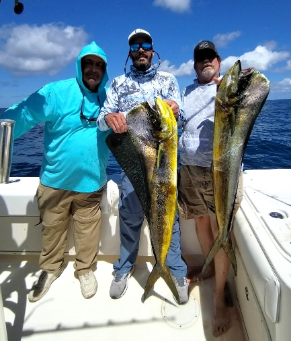
Credit: fishpanamatoday.com
Dressing For Special Types Of Fishing
Not all charters are the same. Some require special clothing choices.
Offshore (deep Sea) Charters
Out on the open ocean, you’ll face strong sun, wind, and spray. Wear long sleeves, sturdy pants, and bring waterproof gear. Non-slip shoes are mandatory.
Inshore Or Flats Charters
These trips are closer to land, often in shallower water. Lightweight clothing, shorts, and sandals (with straps) can work, but still avoid open toes.
Night Fishing Charters
Bring an extra layer for warmth, a headlamp, and reflective clothing or accessories for safety.
Fly Fishing Charters
Waders may be needed if you’ll be in the water. Bring polarized sunglasses for better visibility.
Sample Packing List For A Full-day Charter
Here’s a sample list to help you pack efficiently:
- Quick-dry, long-sleeve shirt
- Lightweight fishing pants or shorts
- Waterproof jacket and/or pants
- Wide-brimmed hat with chin strap
- Polarized sunglasses with strap
- Neck gaiter or buff
- Non-marking, closed-toe shoes
- Quick-dry socks (bring a spare)
- Fishing gloves
- Sunscreen (SPF 30+)
- Lip balm with SPF
- Reusable water bottle
- Snacks (high-protein bars, fruit)
- Motion sickness tablets or bands
- Small waterproof backpack
- Microfiber towel
- Personal medications
- Camera/phone in waterproof case
Weather Changes And Layering Strategy
One of the biggest challenges on a fishing charter is changing weather. The key is layering:
- Base layer: Moisture-wicking shirt.
- Mid-layer: Fleece or light pullover for warmth.
- Outer layer: Windproof, waterproof jacket.
- Bottoms: Quick-dry pants, shorts, or convertible pants.
- Accessories: Hat, sunglasses, gloves, neck gaiter.
Always have a backup layer. It’s easier to remove a jacket than wish you’d brought one.
Safety And Health Considerations
The right clothing is about more than comfort. It keeps you safe.
- Sun exposure: Long sleeves, pants, hat, and sunglasses lower your risk of sunburn, heat stroke, and long-term skin damage. The sun’s rays are stronger on the water due to reflection.
- Injury prevention: Closed-toe shoes and gloves protect against hooks, fish teeth, and sharp gear.
- Hypothermia: Even in warm climates, wind and wet clothes can lower body temperature quickly. Always bring a windproof layer.
According to the CDC, fishermen have higher rates of sun-related skin problems than the general population. Smart clothing is your first line of defense.
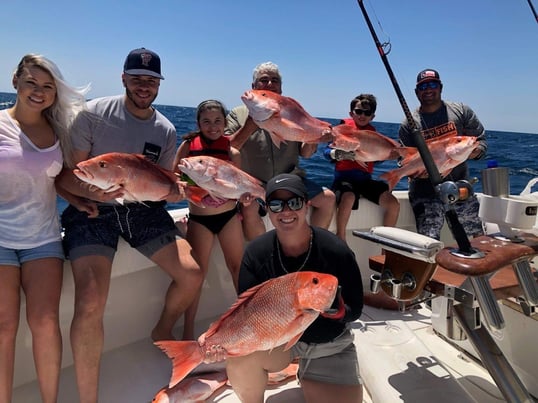
Credit: captainexperiences.com
Common Mistakes Beginners Make
- Underestimating the sun: Many think cloudy days are safe, but UV rays penetrate clouds and reflect off water.
- Forgetting rain gear: Sudden showers are common, especially in coastal areas.
- Wearing new shoes: Break in shoes before your trip to prevent blisters.
- Ignoring the wind: Even on hot days, wind can chill you quickly.
- Packing too much: Space is limited on most boats—choose multi-purpose items.
Why Guides And Pros Dress Differently
Experienced guides often wear long sleeves, pants, and hats, even in hot weather. This isn’t just habit—it’s practical. Over years, they’ve learned to protect against sun, insects, and sharp equipment. Their choices come from trial and error. Pay attention to what your captain wears; it’s a clue to what works best for the local environment.
Where To Find Quality Fishing Clothing
Look for outdoor or fishing specialty stores, or reputable online retailers. Quality brands often feature UPF-rated fabrics, reinforced seams, and thoughtful pocket placement. Don’t be tempted by fashion over function. Reviews from other anglers are helpful. For more details on fishing clothing technology, see the Fishing tackle entry on Wikipedia.
Frequently Asked Questions
What Should I Wear On A Fishing Charter In Hot Weather?
Choose lightweight, moisture-wicking clothes with UPF protection. Long sleeves and pants block sun without making you hotter. A wide-brimmed hat, polarized sunglasses, and a neck gaiter keep you cool and safe.
Are Jeans Okay For Fishing Charters?
Jeans aren’t recommended. They get heavy and uncomfortable when wet, take a long time to dry, and can cause chafing. Instead, wear quick-dry pants or shorts made from synthetic materials.
Do I Need Special Shoes For A Fishing Charter?
Yes. Wear closed-toe, non-marking shoes with good grip. Boat shoes, deck sneakers, or water shoes are best. Avoid flip-flops or sandals without straps—they’re unsafe on wet, moving decks.
Is Rain Gear Necessary If The Forecast Is Clear?
It’s wise to bring packable rain gear even if rain isn’t expected. Ocean weather can change quickly, and spray from waves can soak you. A waterproof jacket and pants take little space and add comfort.
Should I Bring My Own Life Jacket Or Pfd?
Most charters provide life jackets. If you have a special PFD (for kids or non-swimmers), ask your captain if you can bring it. Always wear the provided safety gear when instructed.
Going on a fishing charter is more enjoyable and safer with the right clothing and gear. The right choices keep you comfortable, focused, and ready to create great memories. Make your selections with care, pack wisely, and your time on the water will be a success—no matter what the weather brings.