
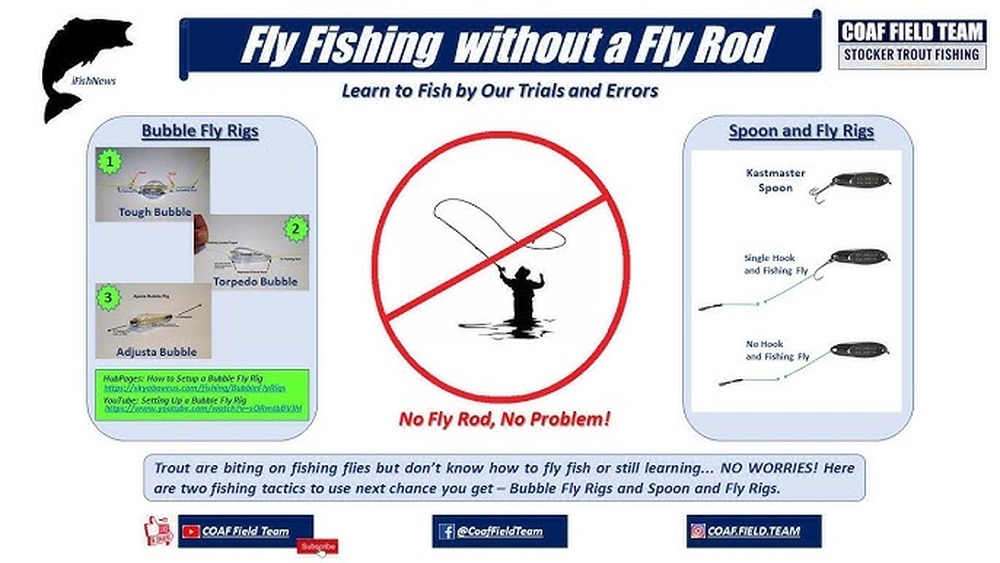
Can You Catch Trout Without Fly Fishing
Many people think of fly fishing when they picture trout fishing. The images are classic: a person standing in a river, casting a delicate fly line, trying to fool a clever fish with an artificial insect. But is fly fishing the only way to catch trout? Not at all. In fact, millions of anglers worldwide catch trout every year without using a fly rod or even knowing how to tie a fly. If you’re new to fishing, or just curious about other methods, you’ll be pleased to learn there are many ways to catch trout that don’t involve fly fishing at all.
This article explores alternative trout fishing methods, the gear you’ll need, the best baits and lures, and how to use them. We’ll also cover some common myths and mistakes, and help you understand which method might be best for you—whether you fish in lakes, rivers, or streams. If you want to enjoy trout fishing without learning the art of fly casting, you’re in the right place.
Why People Think Trout Fishing Means Fly Fishing
Before we look at other methods, let’s clear up a common idea: that trout can only be caught with a fly rod. Fly fishing is popular, especially in movies, books, and TV shows. It’s true that fly fishing is a classic and often effective way to catch trout, but it’s not the only way. In many parts of the world, especially outside North America and Europe, people rarely use fly rods. Instead, they use spinning rods, baitcasting gear, or even simple handlines.
The idea that fly fishing is the “real” way to fish for trout is mostly cultural. It’s popular because it can be challenging and skillful, and it’s connected to beautiful scenery and a sense of tradition. But if your goal is to catch trout and enjoy fishing, you have many other options—some are even easier and more effective for beginners.
Main Methods To Catch Trout Without Fly Fishing
Let’s explore the main ways people successfully catch trout without using a fly rod.
1. Spin Fishing
Spin fishing is probably the most popular alternative to fly fishing for trout. It uses a spinning rod and reel, which are easier for most beginners to learn than fly rods. The gear is widely available and often cheaper than fly fishing equipment.
With spin fishing, you use lures or live bait to attract trout. Cast your bait or lure into the water and reel it back, sometimes with a special action to mimic small fish or insects. You can fish from the bank, a boat, or wade into streams and rivers.
Advantages of spin fishing:
- Easier to learn than fly fishing
- Versatile for different environments (lakes, rivers, ponds)
- Works with many types of lures and baits
Common lures for trout: spinners, spoons, small crankbaits, soft plastics
Common baits: worms, corn, salmon eggs, minnows
2. Bait Fishing (still Fishing)
Bait fishing or still fishing means casting natural bait into the water and waiting for a trout to bite. You can use a spinning or baitcasting rod, and sometimes a simple stick with line and hook.
Bait fishing is especially popular in lakes and ponds, but you can also do it in rivers and streams. You can fish on the bottom (using a sinker), or suspend your bait below a bobber (float).
Popular natural baits:
- Nightcrawlers (earthworms)
- Salmon eggs
- PowerBait (scented dough bait)
- Corn kernels
Advantages:
- Very simple, great for beginners and children
- Can be very effective, especially when trout are stocked or not feeding aggressively
3. Trolling
Trolling means dragging lures or baits behind a moving boat. This method covers a lot of water and is often used in big lakes or reservoirs.
Trolling gear can be simple (a spinning rod and a spoon or crankbait) or more complex (downriggers, special trolling rods). The idea is to move your lure at a steady speed to attract trout.
Advantages:
- Good for finding active fish in large bodies of water
- Lets you fish at different depths
4. Float Fishing
Float fishing uses a bobber (float) to suspend bait or a lure at a set depth. This method is especially useful in rivers and streams, where you can let your bait drift with the current.
Floats come in many shapes and sizes. Some are sensitive enough to show even the smallest bite.
Advantages:
- Great for fishing in moving water
- Lets you target fish at specific depths
5. Jigging
Jigging uses a weighted lure called a jig, which you move up and down in the water. This can be done from a boat, pier, or the shore. Jigging can be very effective for trout, especially in deeper water or during the winter.
Advantages:
- Effective in both lakes and rivers
- Works well when trout are deep
6. Ice Fishing
In cold regions, ice fishing for trout is popular. You drill a hole in the ice, drop your bait or lure, and wait for a bite. Ice fishing gear is different—shorter rods, special reels, and safety equipment—but the basic principles are similar.
Popular ice fishing baits: live minnows, wax worms, salmon eggs, small jigs
Advantages:
- Allows fishing in winter when other options are not possible
- Unique and exciting experience

Credit: www.adirondackexplorer.org
Comparing Trout Fishing Methods (without Fly Fishing)
To help you see the differences, here’s a simple comparison of the main methods:
| Method | Best For | Ease for Beginners | Common Gear Needed | Water Types |
|---|---|---|---|---|
| Spin Fishing | Versatility, all trout waters | Very Easy | Spinning rod, reel, lures | Lakes, rivers, streams |
| Bait Fishing | Stocked trout, lakes/ponds | Very Easy | Rod, reel, hooks, bait | Lakes, rivers, ponds |
| Trolling | Large lakes, deep water | Moderate | Boat, rods, lures | Lakes, reservoirs |
| Float Fishing | Moving water, rivers | Easy | Rod, float, bait | Rivers, streams |
| Jigging | Deep water, winter | Easy/Moderate | Rod, jigs | Lakes, rivers |
| Ice Fishing | Frozen lakes | Moderate | Short rod, auger, bait | Lakes (winter) |
Essential Gear For Non-fly Trout Fishing
If you want to catch trout without fly fishing, you’ll need some specific gear. Here’s what matters most:
Rod And Reel
- Spinning rods and reels are the most common. Look for a light or ultralight rod about 5 to 7 feet long.
- For trolling or bigger lakes, a medium-action rod is better.
- Baitcasting rods can work, but are harder for beginners.
Fishing Line
- Monofilament line (4-8 lb test) is the usual choice for trout.
- For bigger fish or deep trolling, use 8-12 lb test.
- Fluorocarbon is less visible underwater, which can help in clear water.
Hooks, Weights, And Floats
- Small hooks (size 8-14) are best for trout.
- Use split shot weights to keep your bait down.
- Floats (bobbers) help suspend bait or show bites.
Lures And Baits
- Spinners (like Panther Martin, Mepps, Rooster Tail)
- Spoons (like Kastmaster, Little Cleo)
- Crankbaits (small Rapalas, Yo-Zuri)
- Soft plastics (small grubs, trout worms)
- Live bait (nightcrawlers, minnows)
- Artificial bait (PowerBait, salmon eggs)
Other Useful Gear
- Landing net (trout can slip off the hook at the bank)
- Pliers (for removing hooks)
- Tackle box (to organize gear)
- Polarized sunglasses (see fish and avoid glare)
- Waders (for fishing in streams)
Special Note: Regional Bait Laws
Some places have rules about which baits and lures you can use. Always check local fishing regulations before you go. Some trout streams are artificial lures only or catch and release.
Effective Natural Baits For Trout
Using natural bait is a classic, time-tested way to catch trout. Here are some of the best:
- Nightcrawlers and worms – Trout love them. Thread a small piece on a hook, let it drift naturally. Too big a worm can scare shy trout.
- Salmon eggs – Bright and smelly, perfect for stocked trout. Use a small hook and light line.
- Corn – Simple canned corn works, especially for stocked rainbow trout. Use just one or two kernels at a time.
- Minnows – Small live fish are irresistible for big trout, especially browns and lake trout.
- PowerBait – Specially made dough bait, comes in bright colors. Works well in lakes with stocked fish.
Non-obvious tip: In crystal clear streams, use the smallest hook possible and just a tiny piece of bait. Trout can be very wary of anything unnatural.
Best Artificial Lures For Trout (non-fly)
If you want to avoid live bait, artificial lures are a great choice. Here are some top options and how to use them:
- Spinners: Cast and retrieve, let the blade spin to create flash and vibration. Silver or gold colors work well in clear water. Try slower retrieves in cold water.
- Spoons: Cast and let them flutter as they sink, then reel in with short jerks. Imitate wounded baitfish.
- Small crankbaits: Use a steady or stop-and-go retrieve. Good for bigger trout or when they are feeding on minnows.
- Soft plastics: Put a small plastic worm or grub on a jig head. Bounce along the bottom or swim slowly.
- Trout magnets: Special soft lures that imitate small insects or fish. Work best with light line and a twitchy retrieve.
Non-obvious tip: Sometimes color matters a lot. Carry a few different colors and switch if you’re not getting bites. Also, smaller lures often catch more trout, even if you want a big one.

Credit: www.merrittherald.com
Where To Fish For Trout Without Fly Fishing
You don’t need a fly rod to catch trout in any of these places:
Lakes And Ponds
- Stocked lakes are great for beginners. Try PowerBait, worms, or spinners from the shore or a dock.
- Natural lakes require more searching. Troll with spoons or crankbaits, or cast from a boat near drop-offs.
Rivers And Streams
- Look for deeper pools, undercut banks, or shaded areas.
- Cast spinners or small lures upstream and reel back with the current.
- In fast water, use a split shot and a worm, let it drift naturally.
Reservoirs
- Trolling is best for covering a lot of water.
- Find inlets, outlets, and submerged structures.
Urban And Community Ponds
- Many towns stock trout in small ponds. Easy access, often crowded, but perfect for simple bait fishing.
How To Increase Your Chances: Practical Tips
- Fish during low light: Early morning and late evening are best. Trout feed more actively when the sun is low.
- Use light line: Trout have good eyesight. Heavier line scares fish, especially in clear water.
- Stay quiet and hidden: Avoid casting shadows or making noise near the water.
- Change depth: If you’re not getting bites, try fishing deeper or shallower.
- Keep moving: If you don’t get a bite in 15-20 minutes, move to a new spot.
- Match your bait to what trout eat: Insects, small fish, worms—check what’s in the water.
Bonus tip: After a rainstorm, trout often feed more aggressively. Streams can be muddy, but trout move into shallower water to chase food.
Common Mistakes Beginners Make
- Using too large hooks or lures: Trout have small mouths.
- Fishing at the wrong time: Trout avoid the hottest part of the day, especially in summer.
- Ignoring stealth: Standing too close to the water or making sudden movements scares fish.
- Fishing too deep or too shallow: Adjust your float or weight to match where trout are feeding.
- Not checking local rules: Bait or hook restrictions can lead to fines or lost gear.
Data: Trout Catch Rates By Method
Here’s an overview of average catch rates for different methods (based on several studies and angler reports):
| Fishing Method | Average Trout per Hour | Best Conditions | Common Species |
|---|---|---|---|
| Spin Fishing (lures) | 0.5 – 1.5 | Moving water, clear lakes | Rainbow, brown, brook |
| Bait Fishing | 1 – 3 | Stocked ponds, lakes | Rainbow, brook |
| Trolling | 0.2 – 1.2 | Large lakes, deep water | Lake trout, brown |
| Float Fishing | 0.8 – 2 | Rivers, streams | Rainbow, brown |
| Jigging | 0.4 – 1 | Deep pools, ice fishing | Lake trout, rainbow |
| Ice Fishing | 0.2 – 0.8 | Winter, frozen lakes | Lake trout, rainbow |
These numbers can change a lot depending on location, weather, and trout activity. For beginners, bait fishing often produces the most fish.
Picking The Best Method For You
Which method should you try? Here are a few things to consider:
- Are you fishing in a lake, river, or pond? Spin and bait fishing work everywhere; trolling is for lakes.
- Do you want to keep or release trout? Some places only allow artificial lures.
- Do you fish alone or with kids? Bait fishing is simple and fun for families.
- Are you after trophy trout or just want action? Bigger lures can catch bigger fish but sometimes mean fewer bites.
Non-obvious insight: Some of the biggest trout in lakes are caught by anglers trolling lures deep, far from shore, while beginners often catch more (but smaller) fish near the edges using bait.
Myths About Trout Fishing Without A Fly Rod
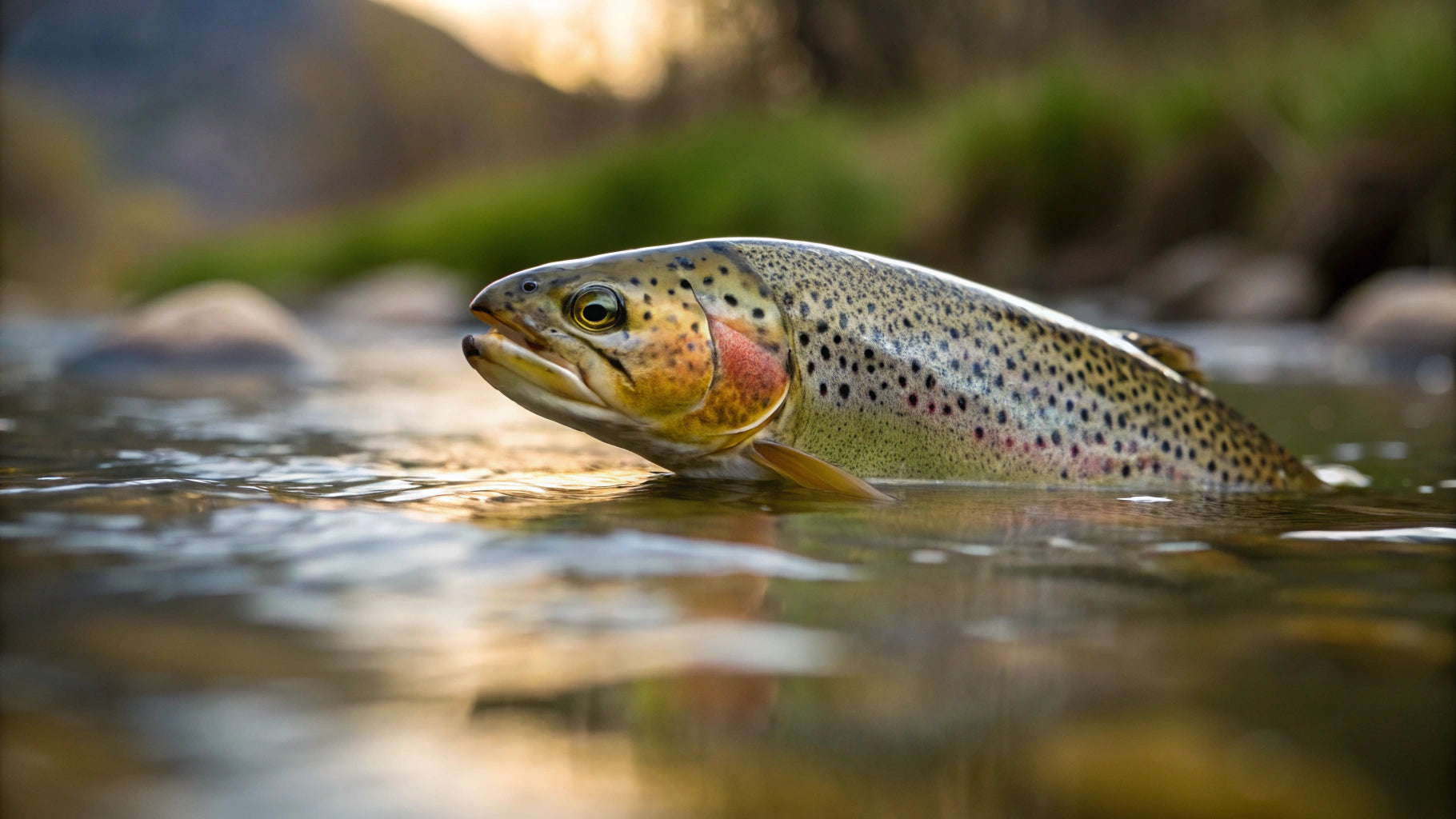
- “Trout won’t bite anything except flies.” False. Trout eat worms, insects, small fish, and many artificial lures.
- “Fly fishing always catches more fish.” Not true. In stocked lakes, bait often out-fishes flies.
- “You need expensive gear.” Many people catch trout with simple, cheap rods and reels.
- “Only experts can catch trout.” Trout fishing is beginner-friendly with the right approach.
Credit: www.battlbox.com
Learning From Experience
Many experienced anglers started with a simple spinning rod and a can of worms. Over time, they learned more techniques and maybe even tried fly fishing, but you don’t need years of practice to enjoy trout fishing. In fact, some of the most memorable catches happen on a quiet lake with basic gear and a bit of patience.
Non-obvious insight: If you’re struggling to catch trout, focus more on where you fish (shady spots, deep pools, near cover) than on the type of lure or bait. Location matters much more than many realize.
Resources For Further Learning
If you want to go deeper, check out the helpful guides at Take Me Fishing, a trusted site with tips for all types of fishing, not just fly fishing.
Frequently Asked Questions
Can I Catch Trout With A Regular Fishing Rod?
Yes, you can catch trout with a spinning rod or even a simple handline. You don’t need a fly rod. Use light line, small hooks, and baits like worms or PowerBait for best results.
What Is The Easiest Way For Beginners To Catch Trout?
Bait fishing with worms or PowerBait in stocked lakes or ponds is often the easiest. Use a small hook, light line, and a float or sinker to keep your bait in the right place.
Are There Any Special Rules For Trout Fishing?
Yes, many places have special regulations for trout fishing. These can include limits on bait, hook size, catch limits, and fishing seasons. Always check local rules before you go.
What Time Of Day Is Best For Trout Fishing Without Fly Gear?
Early morning and late evening are the best times. Trout avoid bright sunlight, especially in clear water. On cloudy days, fishing can be good all day.
Do I Need A Boat To Catch Trout Without Fly Fishing?
No, you can catch trout from the shore, a dock, or by wading. A boat helps cover more water in big lakes, but many anglers catch trout without one.
Fishing for trout without fly fishing is not only possible—it’s enjoyable, effective, and perfect for anglers of all skill levels. With the right gear, basic understanding, and some patience, you can have success in lakes, rivers, or ponds. Try different methods, pay attention to the water, and don’t be afraid to experiment.
The world of trout fishing is much bigger than just fly rods and fancy casts.