
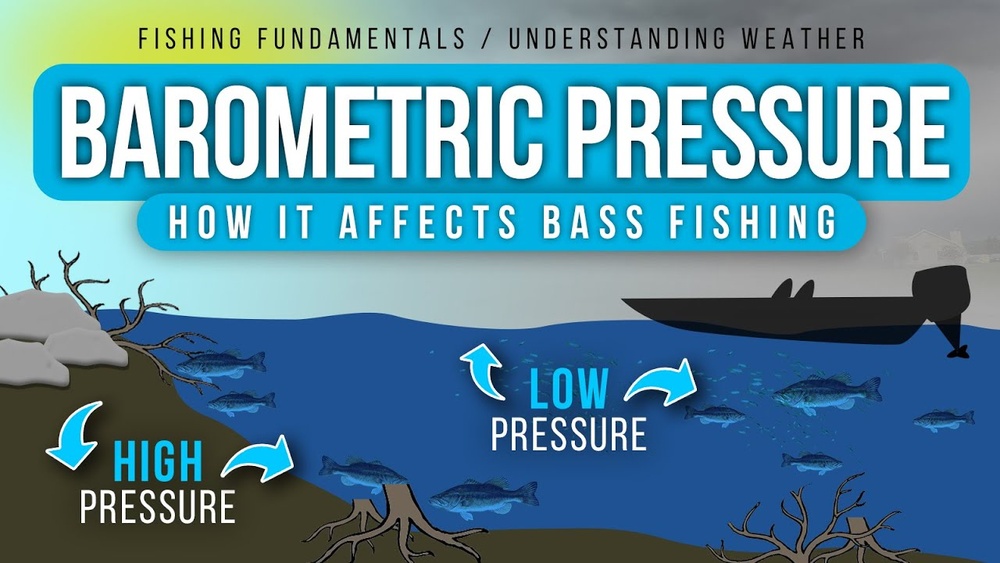
Is High Pressure Good For Fishing
There’s nothing quite like the anticipation before a day of fishing. You pack your gear, check your favorite spot, and then you wonder: will the fish be biting today? Many anglers believe weather plays a huge role in fishing success. Of all the weather factors, air pressure is often seen as one of the most important. But is high pressure really good for fishing? Or does it make things harder?
Let’s dive deep into the science, experience, and practical tips around fishing in high-pressure conditions. Whether you’re a beginner or experienced angler, understanding how pressure affects fish can help you catch more and enjoy your time on the water.
What Is High Pressure In Fishing?
Before we talk about whether high pressure is good or bad for fishing, it helps to understand what “high pressure” means. In weather terms, high pressure is a condition where the atmosphere presses down harder than average. It’s measured using a barometer. When the barometer shows a reading above 1013 millibars (mb) or 29.92 inches of mercury (inHg), it’s considered high.
High pressure usually means clear skies, light winds, and stable weather. Many sunny days with blue skies are thanks to high pressure systems. But what does this mean for fish underwater?
How Pressure Changes Affect Water And Fish
Fish are sensitive creatures. They have a special organ called the swim bladder which helps them control their depth in water. Changes in air pressure above the water can affect the pressure underwater too. When pressure rises, fish may feel it in their swim bladder. This can make them uncomfortable and change their behavior.
How High Pressure Affects Fish Behavior
Let’s get specific. When a high pressure system moves in, the weather becomes steady and calm. For humans, this might feel great. For fish, it’s a different story.
Reduced Feeding Activity
One of the most common beliefs among anglers is that fish become less active during high pressure. There’s some truth to this. After a rise in pressure, fish may:
- Move deeper into the water
- Become less aggressive
- Eat less often
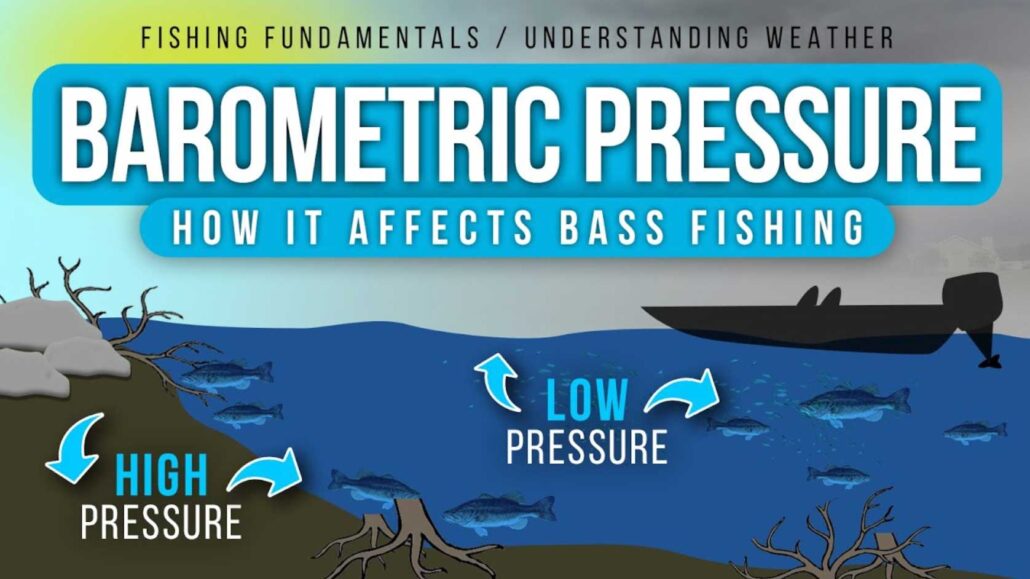
Why does this happen? When the pressure increases, fish feel the extra force on their bodies, especially in the swim bladder. Many species, like bass or crappie, may become sluggish and rest near the bottom or in shaded areas.
Clear Water And Brighter Light
High pressure usually brings clear skies and bright sunlight. This makes the water clearer and increases light penetration. In clear water, fish can see better—but so can their prey. This makes fish more cautious, especially during the day. They may avoid open water and hide in cover.
Example: Bass Fishing In High Pressure
Many bass anglers notice that after a cold front (which is often followed by high pressure), fishing gets tough. Bass become harder to catch. They hide under docks, in weeds, or near deep structures. Fast, noisy lures that work during low pressure days may suddenly fail.
You need to slow down your approach and target specific hiding spots.
Is High Pressure Always Bad For Fishing?
It’s easy to think high pressure is always bad for fishing. But the truth is more complex. Let’s break down some situations where high pressure can be good—or at least not as bad as you think.
Stable High Pressure Is Better Than Rising Pressure
When pressure rises quickly, fish react strongly. But if the high pressure stays steady for several days, fish get used to it. Their feeding patterns become more normal. So, if you fish on the second or third day of a stable high pressure system, you may find more active fish than right after the pressure spike.
Certain Species Handle High Pressure Better
Not all fish react the same way. Species like catfish or carp are less sensitive to pressure changes. They may continue to feed even when bass or trout become sluggish. If you target these species, high pressure can still offer good fishing.
Night Fishing Under High Pressure
Even in high pressure, fish often feed more actively during low light—early morning, late evening, or at night. The bright sun may push them to deeper or shaded spots during the day, but after sunset, they may come out to hunt.
Scientific Research On Pressure And Fishing
Science has tried to answer the question: does air pressure really change how fish behave? Some studies show a link, while others suggest other factors like temperature and light are more important.
A well-cited study in the journal “Transactions of the American Fisheries Society” found that largemouth bass often reduce their feeding after a sudden pressure rise. Another study showed that walleye were more active during falling or stable low pressure.
However, not all experts agree on how strong this effect is. Some researchers argue that the pressure changes felt by fish underwater are small compared to other influences like water temperature, dissolved oxygen, or food availability.
The real answer is that pressure is one of many factors. It’s not the only thing that determines your success, but it’s worth paying attention to—especially if you notice patterns over time.
Comparing Fishing Success: High Vs. Low Pressure
Here’s a clear comparison of fishing conditions under high and low pressure:
| Condition | High Pressure | Low Pressure |
|---|---|---|
| Fish Activity | Lower, sluggish | Higher, aggressive |
| Feeding Behavior | Reduced, cautious | Active, frequent |
| Water Clarity | Clear | Often murky |
| Best Fishing Times | Morning, evening, night | All day |
| Best Lures | Small, slow, natural colors | Loud, fast, bright colors |
As you can see, high pressure can make fishing more challenging, but it does not make it impossible.
Practical Tips For Fishing In High Pressure
Knowing the challenges of high pressure, what can you do to improve your chances? Here are some proven strategies:
1. Fish Deep And Slow
Fish often move deeper during high pressure. Use weighted lures or baits that reach the bottom. Work your lure slowly—give fish more time to react.
2. Target Cover And Shade
Bright light drives fish to places they feel safe. Fish near docks, weeds, logs, rocks, or any underwater structure. If you’re on a lake, look for drop-offs and ledges.
3. Use Smaller, Natural Baits
Fish are cautious when conditions are clear. Use smaller lures in natural colors. Live bait can also be effective, as it looks and smells real.
4. Fish Early Or Late
Go out before sunrise or after sunset. Fish are more likely to feed in low light. Even during the day, cloudy periods or wind can help.
5. Adjust Your Expectations
Don’t get frustrated if you catch fewer fish during high pressure. Focus on enjoying the challenge and learning new skills.
Example: Tactics For Bass In High Pressure
Suppose you’re targeting bass on a high-pressure summer day. Instead of using noisy topwater lures, switch to a soft plastic worm rigged weedless. Cast near a deep weed bed or under a dock. Let it sink, then move it very slowly.
Watch your line for subtle bites.

Credit: texaseliteangler.wordpress.com
Common Myths About High Pressure Fishing
Many anglers share stories about how pressure affects fishing, but not all are accurate. Let’s clear up a few misconceptions:
- Myth 1: You can’t catch fish in high pressure.
Not true. You can catch fish any day, but you may need to change your tactics and be more patient.
- Myth 2: Fish always go deep in high pressure.
While many do, some species stay shallow if there is enough cover or food.
- Myth 3: Only pressure matters.
Many other factors—like water temperature, wind, and time of day—also play big roles. Pressure is just one piece of the puzzle.
When Is High Pressure Good For Fishing?
There are times when high pressure can actually be good for fishing, depending on your goals and the species you target.
Family And Beginner Fishing
High pressure days often bring calm water and sunny weather. These are great conditions for beginners or family trips. Even if the bite is slow, you can enjoy a peaceful day outdoors.
Sight Fishing
Clear water and bright skies let you see fish, structure, and cover more easily. If you enjoy sight fishing—spotting fish before casting—high pressure can be a big help.
Targeting Sunfish, Carp, Or Catfish
Some species do not care much about pressure changes. Sunfish, carp, and catfish are often active in stable high pressure. Focus on natural baits and slow presentations.
Fly Fishing For Trout
On some rivers, high pressure creates steady water conditions. This can help with dry fly fishing, as insects hatch and float on the surface. Trout may rise to feed during the right times of day, especially if you match the hatch.
How To Read And Use A Barometer For Fishing
Many experienced anglers carry a barometer to track pressure changes. Here’s how to use one:
1. Learn The Readings
A reading above 1013 mb (29. 92 inHg) means high pressure. Falling pressure often signals better fishing, but steady high is not always bad.
2. Watch For Quick Changes
A fast rise or fall in pressure often triggers strong fish reactions. After a quick rise, expect slow fishing. After a drop, fish may feed more.
3. Record Your Results
Keep a fishing log with pressure readings and results. Over time, you’ll see patterns for your favorite spots.
4. Combine With Other Weather Data
Pressure is just one factor. Also track wind, temperature, cloud cover, and recent rainfall.
Example Barometer Readings And Fishing Predictions
| Barometer Reading | Pressure Trend | Fishing Outlook |
|---|---|---|
| 30.2 inHg | Rising | Slow bite, fish deep and slow |
| 29.8 inHg | Falling | Good bite, fish more active |
| 29.92 inHg | Stable | Normal bite, use standard tactics |
Non-obvious Insights About High Pressure Fishing
Many beginners overlook these two key points:
1. Micro-locations Matter More Than Ever
During high pressure, fish may not leave the area completely—they just become more selective about where they rest and feed. Focus on very specific spots: the shady side of a log, a deep pocket in a weed bed, or the shadow under a dock. These micro-locations can hold more fish than the open water around them.
2. Pressure Effects Are Delayed Underwater
When the pressure changes, fish don’t always react instantly. There can be a delay of several hours, especially in deep lakes or slow-moving rivers. If you notice the pressure rising, you might still have a short window where fish are active before they settle down.
Use this time well.

Credit: www.youtube.com
Mistakes To Avoid When Fishing In High Pressure
Even experienced anglers make errors when conditions are tough. Here are some common mistakes:
- Fishing Too Fast
In clear, bright conditions, fast-moving lures often scare fish. Slow down your retrieve and use subtle movements.
- Ignoring Structure
Open water rarely holds fish during high pressure. Always target areas with cover or depth changes.
- Using Bright Lures in Clear Water
Bright colors can look unnatural in clear water. Stick to greens, browns, and natural patterns.
- Fishing Only During Midday
Fish are least active during the brightest part of the day. Plan your trip for dawn or dusk if possible.
Real-world Example: High Pressure Fishing Day
Let’s say you’re at your local lake after a cold front. The sky is clear, the sun is bright, and the barometer reads 30. 3 inHg. You start with your favorite topwater lure, but after an hour, you have no bites.
What do you do?
You switch to a small soft plastic, cast near a deep brush pile, and move it slowly. After 15 minutes, you feel a soft tap—fish on! You repeat this approach, fishing near cover and slowing down your presentation. By the end of the day, you catch several nice fish, even in tough conditions.
The key here is adapting to the conditions and not giving up when things seem slow.
Weather Apps And Tools For Tracking Pressure
Today’s anglers have access to great technology for tracking weather and pressure. Popular fishing apps and smart watches show live barometer readings. Some even send alerts when pressure changes rapidly.
Top tools include:
- Weather Underground: Tracks pressure, wind, and forecasts.
- Fishbrain: Logs catches and weather for each trip.
- Garmin Smartwatches: Many models include built-in barometers.
Using these tools helps you plan your trips and adjust your tactics for success. For more on weather’s impact on fishing, check out this resource from the National Weather Service.
Frequently Asked Questions
What Is Considered High Pressure For Fishing?
High pressure usually means a barometer reading above 1013 millibars (29.92 inHg). Readings over 1020 mb (30.12 inHg) are often called very high. During these times, the weather is clear, calm, and sunny.
Why Do Fish Stop Biting During High Pressure?
Fish often slow down and hide when pressure rises quickly. Their swim bladder feels more compressed, making them less comfortable. This, plus brighter light and clear water, makes them less likely to chase food.
Can You Catch Fish During High Pressure Days?
Yes, you can still catch fish. The key is to fish deeper, slow down your presentation, and target places with cover or shade. You may catch fewer fish, but patience and the right tactics pay off.
Do All Fish Species React The Same Way To High Pressure?
No. Some species like catfish, carp, and sunfish are less sensitive to pressure changes. Others, like bass and walleye, may become much less active during high pressure.
Is It Better To Fish Before Or After A High Pressure System?
Fishing is usually best before a high pressure system moves in, when the pressure is falling or stable. After a high pressure system arrives, fish often need time to adjust and may feed less. But after a few days of stable high pressure, their activity may return to normal.
Credit: spacefish.com
Final Thoughts
Fishing in high pressure isn’t always easy. The fish may hide, the sun is bright, and bites can be slow. But with the right knowledge and tactics, you can still find success. Remember to slow down, target deep or shady spots, and use natural baits.
Pay attention to how different species react, and use weather tools to track pressure changes. Over time, you’ll learn to read the water—and the sky—for the best fishing days. Even when conditions are tough, the challenge makes every catch more rewarding.