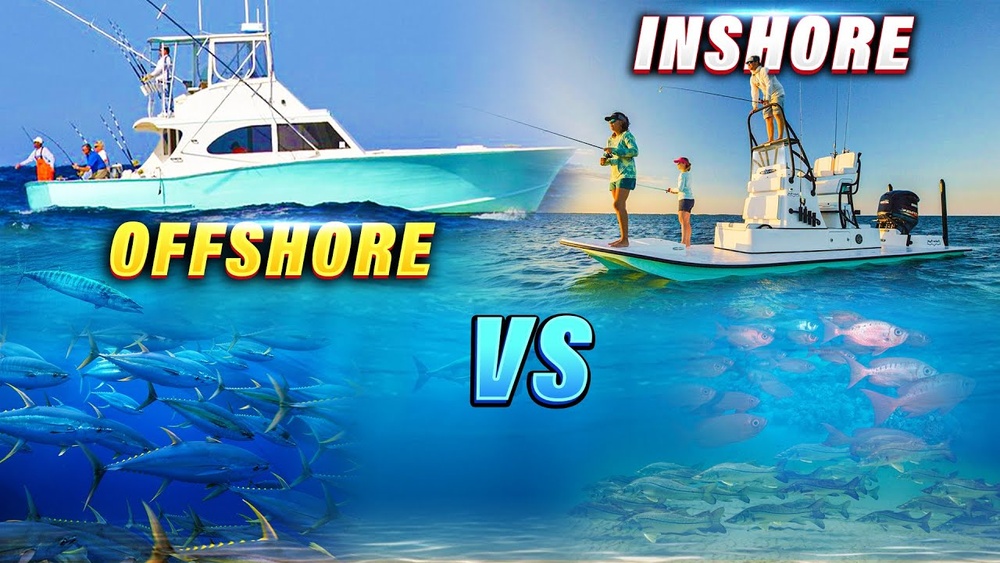
Inshore Vs Offshore Fishing: A Complete Guide For Anglers
Fishing is one of the world’s most rewarding outdoor activities. Whether you are new to fishing or have years of experience, you’ll often hear people talk about inshore and offshore fishing. These two types of fishing offer very different experiences, challenges, and rewards. Choosing between them can shape your entire fishing trip—from the fish you catch to the equipment you use and even the stories you tell.
Understanding the differences between inshore and offshore fishing is more than just knowing where you’ll fish. It’s about matching your skills, goals, and resources with the right type of adventure. This guide dives deep into what makes each style unique, the equipment required, safety issues, costs, and practical tips for getting the most out of your time on the water.
If you want to make a smart choice for your next fishing adventure, keep reading.
What Is Inshore Fishing?
Inshore fishing refers to angling in shallow waters, usually less than 9 miles from shore and in water depths under 30 meters (about 100 feet). It’s popular because it’s accessible, affordable, and suitable for all experience levels.
Typical Inshore Locations
- Bays: Calm areas with lots of smaller fish and sometimes bigger predators.
- Estuaries: Where rivers meet the sea. Great for diverse species.
- Mangroves: Shallow areas with roots and hiding spots for fish.
- Flats: Sandy or grassy areas with less water depth.
Inshore fishing is often possible from small boats, kayaks, or even by standing on the shore or wading in the water. This makes it easy for families, kids, and beginners.
Common Inshore Fish Species
Some of the most popular inshore fish include:
- Redfish (Red Drum)
- Snook
- Speckled Trout
- Flounder
- Tarpon
- Black Drum
- Sheepshead
Most of these species are found in warmer coastal areas, but the specific fish will depend on your location and the season.
Inshore Fishing Techniques
Inshore fishing uses lighter tackle and simpler techniques compared to offshore:
- Casting lures or live bait near structures
- Sight fishing in clear, shallow water
- Drift fishing along flats or channels
Because the water is shallow, you often see the fish you’re targeting. This makes inshore fishing interactive and exciting, especially when you spot a fish and watch it chase your bait.
What Is Offshore Fishing?
Offshore fishing, sometimes called deep sea fishing, takes place in waters more than 9 miles from shore and in depths often exceeding 30 meters (100 feet). These trips usually involve longer travel times and specialized boats.
Typical Offshore Locations
- Continental shelf edges: Where the sea floor drops steeply.
- Reefs and wrecks: Underwater structures that attract big fish.
- Open ocean: Far from land, sometimes 20 miles or more out.
Offshore fishing is more physically demanding and often requires a knowledgeable crew. The ocean can be unpredictable, so preparation is key.
Common Offshore Fish Species
Some of the most sought-after offshore fish are:
- Tuna (Yellowfin, Bluefin, Albacore)
- Mahi-Mahi (Dorado)
- Marlin (Blue, White, Striped)
- Sailfish
- Wahoo
- Grouper
- Snapper
- Shark
These fish are usually larger, faster, and stronger than their inshore cousins. Catching them often creates stories you’ll tell for years.
Offshore Fishing Techniques
Because the environment is challenging, offshore fishing involves:
- Trolling: Pulling baits or lures behind a moving boat.
- Bottom fishing: Dropping heavy baits to the seafloor.
- Chumming: Using fish parts to attract big predators.
- Jigging: Moving lures vertically to mimic wounded prey.
The gear is heavier, the lines are stronger, and the battles with fish can last a long time.
Main Differences: Inshore Vs Offshore Fishing
To make things clear, here’s a direct comparison of the key factors.
| Factor | Inshore Fishing | Offshore Fishing |
|---|---|---|
| Distance from Shore | 0–9 miles | 9+ miles |
| Water Depth | 1–30 meters | 30+ meters |
| Typical Boat Size | 15–25 feet | 30–60+ feet |
| Fish Size | Small to medium (1–20 lbs) | Medium to very large (20–500+ lbs) |
| Trip Length | 2–6 hours | 6–24 hours |
| Cost | Lower | Higher |
| Skill Level | Beginner to advanced | Intermediate to expert |
| Weather Risk | Lower | Higher |
Understanding these differences can help you decide which style suits you best.
Equipment Comparison: Inshore Vs Offshore
The gear you use can make or break your fishing day. Here’s a side-by-side look at what you’ll need for each:
| Item | Inshore Fishing | Offshore Fishing |
|---|---|---|
| Rod & Reel | Light to medium spinning/casting | Heavy-duty trolling/conventional |
| Line Strength | 8–20 lb test | 30–100+ lb test |
| Lures/Bait | Soft plastics, live shrimp, small plugs | Large lures, live/dead baitfish |
| Boat Electronics | Basic GPS, fish finder | Advanced sonar, radar, VHF radio |
| Safety Gear | Life jackets | EPIRB, flares, life raft |
Non-obvious Insights
- Boat insurance: Offshore fishing often requires higher insurance due to distance and risk. Many beginners overlook this cost.
- Tackle storage: Offshore trips need more backup gear. Salt spray and heavy use can damage equipment fast, so proper storage is critical.

Credit: www.youtube.com
Pros And Cons Of Inshore Fishing
Inshore fishing has many advantages, but also some limits.
Pros
- Easier access: You don’t need a big boat or long travel.
- Lower cost: Less fuel, cheaper gear, and smaller group sizes.
- Shorter trips: Great for families or people with limited time.
- More flexible: Easier to reschedule if weather changes.
- Beginners welcome: Easy to learn, less intimidating.
Cons
- Smaller fish: Trophy catches are less common.
- Crowds: Popular spots can get busy.
- Limited adventure: Less dramatic scenery and action.
Experience-based Tip
Some of the best inshore fishing happens at sunrise or sunset, when fish come close to feed. Many new anglers only fish during the day and miss these prime times.
Pros And Cons Of Offshore Fishing
Offshore fishing brings excitement but also challenges.
Pros
- Bigger fish: Chance to catch true giants.
- Epic stories: Battles with marlin or tuna are unforgettable.
- Less crowded: Fewer boats in the open ocean.
- More species: Greater variety, especially in tropical seas.
Cons
- Higher cost: Fuel, boat, and crew all add up.
- Long trips: Can mean overnight or all-day adventures.
- Weather risk: Storms and rough seas are real dangers.
- Physical demands: Fighting big fish takes strength and stamina.
Calm Expert Insight
Many first-timers underestimate how exhausting offshore fishing can be. Seasickness and sun exposure are common. Always bring seasickness pills, sunblock, and extra water—even if you think you won’t need them.
Safety Considerations
Safety matters in all types of fishing, but offshore carries greater risks.
Inshore Safety
- Always wear a life jacket.
- Check the weather forecast before going.
- Tell someone your plan and return time.
- Stay clear of fast-moving boats in busy channels.
Offshore Safety
- Carry an EPIRB (Emergency Position Indicating Radio Beacon).
- Make sure everyone knows where the life raft and flares are.
- Double-check fuel and engine before leaving.
- Have a VHF radio to call for help.
- Never fish offshore alone.
Non-obvious Safety Tip
In offshore fishing, always bring a satellite phone if you go far from shore. Cell signals often disappear just a few miles out, and quick communication can save lives.
Cost Breakdown: Inshore Vs Offshore
Fishing can be as affordable or as expensive as you make it. Here’s a breakdown of typical costs.
Inshore Fishing Costs
- Boat rental/charter: $200–$500 for half a day.
- Gear rental: $20–$50 per person.
- Bait and tackle: $10–$30.
- Fuel: $20–$50.
Total for a basic trip: $250–$600.
Offshore Fishing Costs
- Boat charter: $800–$2,500 for a full day.
- Crew tips: 15–20% of the charter fee.
- Gear rental: $50–$100.
- Bait and tackle: $50–$200.
- Fuel: $100–$500+.
Total for a standard trip: $1,000–$3,500.
Common Mistake
Many beginners forget to factor in tipping the crew on offshore charters. It’s expected and a big part of the crew’s income.
Choosing The Right Trip For You
Deciding between inshore and offshore isn’t just about money or fish size. Consider these questions:
- Experience level: Are you comfortable on big boats and open seas?
- Fitness: Offshore fishing is more demanding.
- Budget: Can you afford the higher cost?
- Time available: Do you want a short or long adventure?
- Group size: Inshore is better for small groups or families.
Practical Advisor Suggestion
If you’re new to saltwater fishing, start with an inshore trip. You’ll learn the basics, build confidence, and avoid seasickness. Later, you can try offshore with a group or a guide.
Common Mistakes In Each Type
Inshore Fishing Mistakes
- Not checking the tide schedule. Fish often feed during moving tides.
- Using gear that’s too heavy. Light tackle gives better results.
- Ignoring local regulations. Some areas have strict limits and protected species.
Offshore Fishing Mistakes
- Not preparing for seasickness. Even experienced anglers can get sick.
- Underestimating the weather. Offshore storms can develop fast.
- Bringing too little water or food. Offshore trips can last much longer than planned.
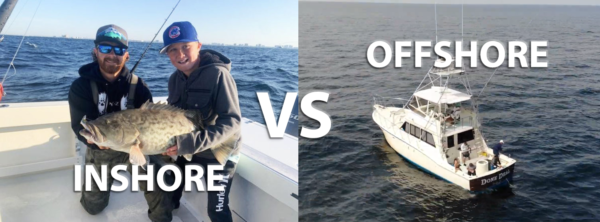
Credit: destininshorefishing.com
Planning Your First Trip
Whether you choose inshore or offshore, good planning makes a difference.
Steps For A Successful Trip
- Research local guides: Read reviews and check licenses.
- Choose the right season: Some fish are only available at certain times.
- Pack wisely: Bring sunblock, hats, snacks, and water.
- Check regulations: Get the right fishing license and know the rules.
- Be flexible: Weather and fish activity can change. Listen to your captain or guide.
Experience-based Guide Tip
Bring polarized sunglasses. They let you see fish and underwater structures that are invisible with regular glasses. This is true for both inshore and offshore trips.
Environmental Impact
Both types of fishing can affect the environment.
Inshore Concerns
- Habitat damage: Walking in seagrass or mangroves can harm young fish.
- Overfishing: Popular inshore species can be depleted if everyone keeps their catch.
- Litter: Lost lures and lines can harm wildlife.
Offshore Concerns
- Bycatch: Sometimes, other species get caught accidentally.
- Fuel pollution: Bigger boats use more fuel, adding to ocean pollution.
- Discarded gear: Lost nets or lines can drift for years.
Responsible Angler Advice
Catch and release is important, especially for rare or breeding fish. Use barbless hooks and handle fish carefully to improve survival.

Credit: stpetersburgfishingcharters.com
Weather And Seasonal Factors
Weather and season change everything in fishing.
- Inshore: Wind and tide matter most. Storms can make shallow water dangerous, but you can often find shelter.
- Offshore: Calm seas are essential. Storms can be deadly. Fish species change with water temperature and currents.
Check the forecast days before your trip and again the morning you leave. Never ignore a captain’s advice about bad weather.
Which Is More Beginner-friendly?
Inshore fishing is usually easier for beginners. Here’s why:
- Shorter travel means less time on the water if you get seasick.
- Easier gear to learn and handle.
- Safer environment with less risk from waves and storms.
- More forgiving: Mistakes are less costly, and you can quickly return to shore.
Offshore fishing is best for those with some experience, or who are ready for a bigger challenge.
The Adventure Factor
If you want pure excitement and a sense of adventure, offshore wins. Chasing a marlin or tuna in the open ocean is unforgettable. But inshore fishing can be thrilling too, especially when you sight-cast to a big snook or redfish in shallow water.
Ultimately, the best type of fishing is the one that matches your goals, budget, and sense of adventure.
Real-world Example: Florida
Florida is famous for both inshore and offshore fishing.
- Inshore: Tampa Bay is known for snook, redfish, and trout. Most charters are half-day trips in shallow water.
- Offshore: Destin and Key West offer deep sea trips for tuna, mahi-mahi, and marlin. These trips often last all day and require larger boats.
If you visit Florida, you can easily try both types. Many anglers start with inshore, then move to offshore as they gain experience.
For more details on fishing locations and regulations, check the Florida Fish and Wildlife Conservation Commission.
Frequently Asked Questions
What Is The Main Difference Between Inshore And Offshore Fishing?
The main difference is distance from shore and water depth. Inshore fishing happens close to land, usually in water less than 30 meters deep. Offshore fishing is far from shore, in much deeper water, and usually targets bigger fish.
Which Type Of Fishing Is Better For Families Or Kids?
Inshore fishing is better for families and kids. It’s safer, trips are shorter, and the fish are usually easier to catch. You can also fish from shore or a small boat, making it less stressful for beginners.
Can You Catch Big Fish Inshore?
Yes, you can catch some big fish inshore, like tarpon or bull redfish. But most of the really large species, such as marlin or big tuna, live in offshore waters.
Do You Need A Special License For Offshore Fishing?
In most places, you need a saltwater fishing license for both inshore and offshore fishing. However, some offshore charters provide a license for all passengers. Always check local laws before your trip.
How Do I Avoid Seasickness On An Offshore Trip?
To avoid seasickness, take motion sickness medicine before boarding, eat a light meal, and stay hydrated. Look at the horizon and stay in fresh air. If you feel sick, tell your captain or crew—they can help you recover.
Fishing is an adventure that can be as simple or as wild as you want. Whether you choose the calm of inshore waters or the thrill of the deep sea, understanding the differences helps you make the most of every moment on the water.