
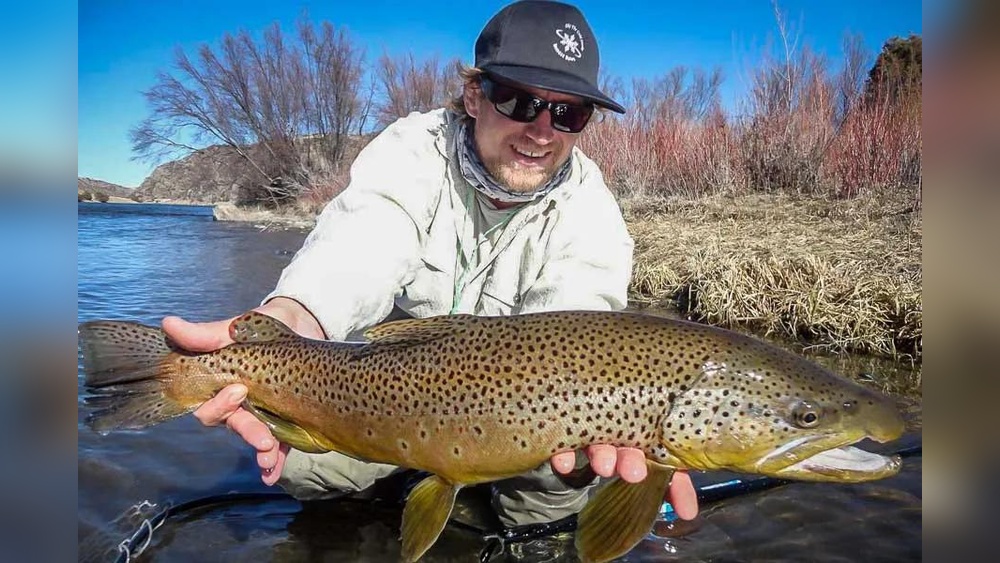
Montana is a dream for trout fishing. Imagine clear rivers, mountain views, and more wild trout than almost anywhere in the United States. People travel from all over the world to cast their lines here. But with hundreds of rivers, streams, and lakes, it can be hard to choose the best spot.
Whether you want to catch your first rainbow trout or land a trophy brown, Montana offers something for every angler. This guide will help you find the best trout fishing in Montana, explain what makes each place special, and give expert tips you might not find in most articles.
Why Montana Is A Top Trout Fishing Destination
Montana is famous for wild trout. Unlike many places, most trout here are born in the rivers and streams, not stocked by humans. This makes the fishing more natural and often more challenging. The state has over 56,000 miles of rivers, many of them with clean, cold water—perfect for trout. Three main species attract anglers: rainbow trout, brown trout, and cutthroat trout.
Montana’s fishing laws also help keep the rivers healthy. Many popular spots are catch-and-release, and there are strict rules about when and how you can fish. This means the trout population stays strong year after year.
The Best Trout Rivers In Montana
Some rivers in Montana are known around the world. Each has a unique character, from wide, powerful water to small, quiet streams. Here are the top places for trout fishing.
1. Madison River
The Madison River is often called the “50 Mile Riffle” because of its long, productive stretches. It flows from Yellowstone National Park through the Madison Valley and into Ennis Lake. The upper river, near the park, is full of fast water and beautiful scenery.
You’ll find lots of rainbow and brown trout, many in the 12-20 inch range. The summer months are busy, but spring and fall offer quieter fishing. The Madison is also famous for the salmonfly hatch in late June, when big bugs bring hungry trout to the surface. Wading is possible in many areas, and drift boats are popular for covering more water.
2. Yellowstone River
The Yellowstone River is the longest free-flowing river in the U.S. and a classic trout fishery. It starts in Yellowstone National Park and runs 692 miles to North Dakota. The upper part, near Livingston, is especially popular for trout.
Rainbow, brown, and cutthroat trout all live here. The river changes character as it flows, offering everything from gentle runs to fast whitewater. July and August are peak times because of the stonefly hatch. The river is big and powerful, so many anglers hire local guides or use drift boats. Access is good thanks to Montana’s stream access laws.
3. Bighorn River
Below Yellowtail Dam, the Bighorn River is a year-round fishery with clear, cold water. It’s often ranked among the top tailwater fisheries in the country. The section near Fort Smith is best known, with thousands of trout per mile.
Rainbow trout are the main catch, but brown trout are also present. Winter fishing is possible here because of the steady water temperature. Bighorn trout are famous for being strong fighters, even if they’re not always huge. The river can get crowded in summer, so early spring and fall are quieter.
4. Missouri River (below Holter Dam)
The Missouri River below Holter Dam, near Craig, is a favorite for fly anglers. This section is wide and gentle, with long riffles and deep runs. It holds one of the highest trout densities in Montana, with estimates of 3,000–5,000 trout per mile.
Both rainbow and brown trout are common, and fish over 20 inches are caught regularly. The Missouri is known for technical fishing—trout can be picky, especially during summer hatches. Drift boats are the best way to fish most of this water.
5. Gallatin River
The Gallatin River flows from Yellowstone National Park through the Gallatin Valley. It’s popular because of its easy access along Highway 191. The river is smaller than some others, but it’s packed with rainbow, brown, and cutthroat trout.
This river is best for wading, especially in the canyon section. Summer is good for dry flies, but winter fishing can also be productive thanks to stable water temperatures. The upper stretches are often less crowded.
6. Smith River
The Smith River is famous not just for fishing, but for its scenery. The river winds through canyons and cottonwood forests. Only a limited number of float permits are issued each year, so it’s a special trip.
Brown and rainbow trout are the main targets, and the fishing can be very good in spring and early summer. Because access is limited, the fish see less pressure than on other rivers. A float trip here is a true Montana adventure, lasting four to five days.
7. Rock Creek
Rock Creek is a smaller stream near Missoula, but it’s packed with trout. It’s especially popular during the salmonfly hatch in June, when big brown trout chase large insects.
This creek is easy to wade and has many public access points. You’ll find rainbow, brown, and cutthroat trout, as well as mountain whitefish. Rock Creek’s smaller size makes it good for beginners and experienced anglers alike.
8. Bitterroot River
The Bitterroot River flows through a wide valley lined with mountains. It’s well-known for its early season skwala stonefly hatch in March and April, when hungry trout rise to the surface.
Rainbow, brown, and cutthroat trout all live here. The river has many braids and side channels, offering different types of water. Floating is popular, but there are also good places to wade.
9. Blackfoot River
The Blackfoot River became famous from the book and movie “A River Runs Through It.” But it’s more than just a film location—it’s an excellent trout stream.
The river is home to native westslope cutthroat trout, as well as rainbow and brown trout. The best fishing is in late spring and early summer, during the salmonfly and golden stonefly hatches. The Blackfoot is a great place for both float and wade fishing.
10. Beaverhead River
The Beaverhead River is a classic tailwater, flowing clear and cold below Clark Canyon Dam. It’s narrow and deep, perfect for big brown trout.
This river has some of the highest trout densities in the state, with many fish over 18 inches. The water is often crowded with boats in summer, but early mornings or late evenings can be quieter. The Beaverhead requires precise casts and small flies, making it challenging but rewarding.
11. Big Hole River
The Big Hole River is known for its wild character and variety. It’s one of the last places in Montana to catch native Arctic grayling. The river also holds brown, rainbow, and cutthroat trout.
The Big Hole changes as it flows—wide meadows, tight canyons, and braided channels. Fishing is best in spring and early summer, before low water and warm temperatures arrive. The river is famous for its caddis and salmonfly hatches.
12. Clark Fork River
The Clark Fork River starts as a small stream near Butte and grows into a big river near Missoula. It’s home to rainbow and brown trout, plus some cutthroat.
The best fishing is in the upper and middle sections, especially in spring and fall. The Clark Fork is less crowded than other famous rivers, so it’s a good choice if you want space. Large brown trout are possible here, especially near Missoula.
Comparing Montana’s Top Trout Rivers
It helps to see how these rivers compare for size, trout species, and best fishing times.
| River Name | Main Trout Species | Best Months | Access Type |
|---|---|---|---|
| Madison | Rainbow, Brown | June-August | Wade, Float |
| Yellowstone | Rainbow, Brown, Cutthroat | July-September | Float |
| Bighorn | Rainbow, Brown | Year-round | Wade, Float |
| Missouri | Rainbow, Brown | May-September | Float |
| Gallatin | Rainbow, Brown, Cutthroat | May-September | Wade |
| Smith | Brown, Rainbow | May-June | Float (Permit) |
| Rock Creek | Rainbow, Brown, Cutthroat | June-July | Wade |
| Bitterroot | Rainbow, Brown, Cutthroat | March-June | Wade, Float |
| Blackfoot | Cutthroat, Rainbow, Brown | June-July | Wade, Float |
| Beaverhead | Brown, Rainbow | June-August | Float |
| Big Hole | Grayling, Rainbow, Brown, Cutthroat | May-June | Wade, Float |
| Clark Fork | Rainbow, Brown, Cutthroat | April-June, Sept-Oct | Wade, Float |
Montana’s Best Trout Lakes
While rivers get most of the attention, Montana’s lakes are also great for trout fishing. Here are some top choices.
1. Hebgen Lake
Near West Yellowstone, Hebgen Lake is famous for its “gulpers”—trout that rise to eat mayflies in the summer. Rainbow and brown trout are common, with fish often over 18 inches.
Boat and float tube fishing are popular, especially in July and August. Early mornings are best for spotting rising trout. The lake is also a good winter ice fishing spot.
2. Georgetown Lake
Georgetown Lake is near Philipsburg and is known for its rainbow and brook trout. It’s productive almost all year, with ice fishing in winter.
The lake is shallow, so it warms quickly in spring. Fly anglers use nymphs and dry flies, while spin anglers do well with spinners and bait. Brook trout are especially active in fall.
3. Flathead Lake
The largest natural freshwater lake in the West, Flathead Lake offers deep, clear water. It’s mostly known for lake trout (mackinaw), but there are also cutthroat trout.
Fishing is best by boat, as the lake is big and can get windy. The lake trout here can be very large—some over 30 pounds. Trolling is the most common method.
4. Ennis Lake
At the end of the Madison River, Ennis Lake is shallow and full of aquatic insects. This makes it a great spot for dry fly fishing, especially in July and August.
Rainbow and brown trout are the main catch. The lake can be windy, but mornings and evenings are often calm.
5. Quake Lake
Quake Lake was formed by an earthquake in 1959. It’s a narrow, deep lake with good trout fishing. The Madison River flows in and out, bringing in fresh fish.
Rainbow and brown trout are common, and fly fishing from shore or boat is popular. The lake is scenic, with dead trees rising from the water.

Credit: grizzlyhackle.com
Key Factors For Choosing The Best Trout Fishing Spot
Choosing the right river or lake depends on several things. Here’s what matters most:
- Location: Some rivers are close to big towns, others are remote. Decide if you want easy access or a wilder experience.
- Fishing pressure: Popular rivers can get crowded in summer. Lakes and smaller streams may offer more solitude.
- Trout species: Not every river has all types of trout. If you want to catch a specific species (like native cutthroat or Arctic grayling), do your research.
- Access rules: Some places require permits (like the Smith River) or have special regulations. Always check before you go.
- Fishing method: Drift boats are best for big rivers, while wading works well on creeks and small rivers.
Here’s a quick side-by-side comparison of river and lake fishing:
| Type | Best For | Access | Common Species |
|---|---|---|---|
| River | Fly fishing, Drift boats | Good road access, Some permit areas | Rainbow, Brown, Cutthroat, Grayling |
| Lake | Boat fishing, Ice fishing | Boat ramps, Some shore access | Rainbow, Brown, Brook, Lake trout |
When To Go Trout Fishing In Montana
Timing matters. The best months for trout fishing are generally May through September, but each river has its own season:
- Spring (April–June): Rivers are high from snowmelt, but fishing is good on tailwaters (like the Bighorn and Missouri).
- Summer (July–August): Most rivers have lower water and lots of insect hatches. This is the busiest time.
- Fall (September–October): Brown trout spawn, and rivers are quieter. Fishing can be excellent.
- Winter (November–March): Some tailwaters are fishable, and lakes offer ice fishing.
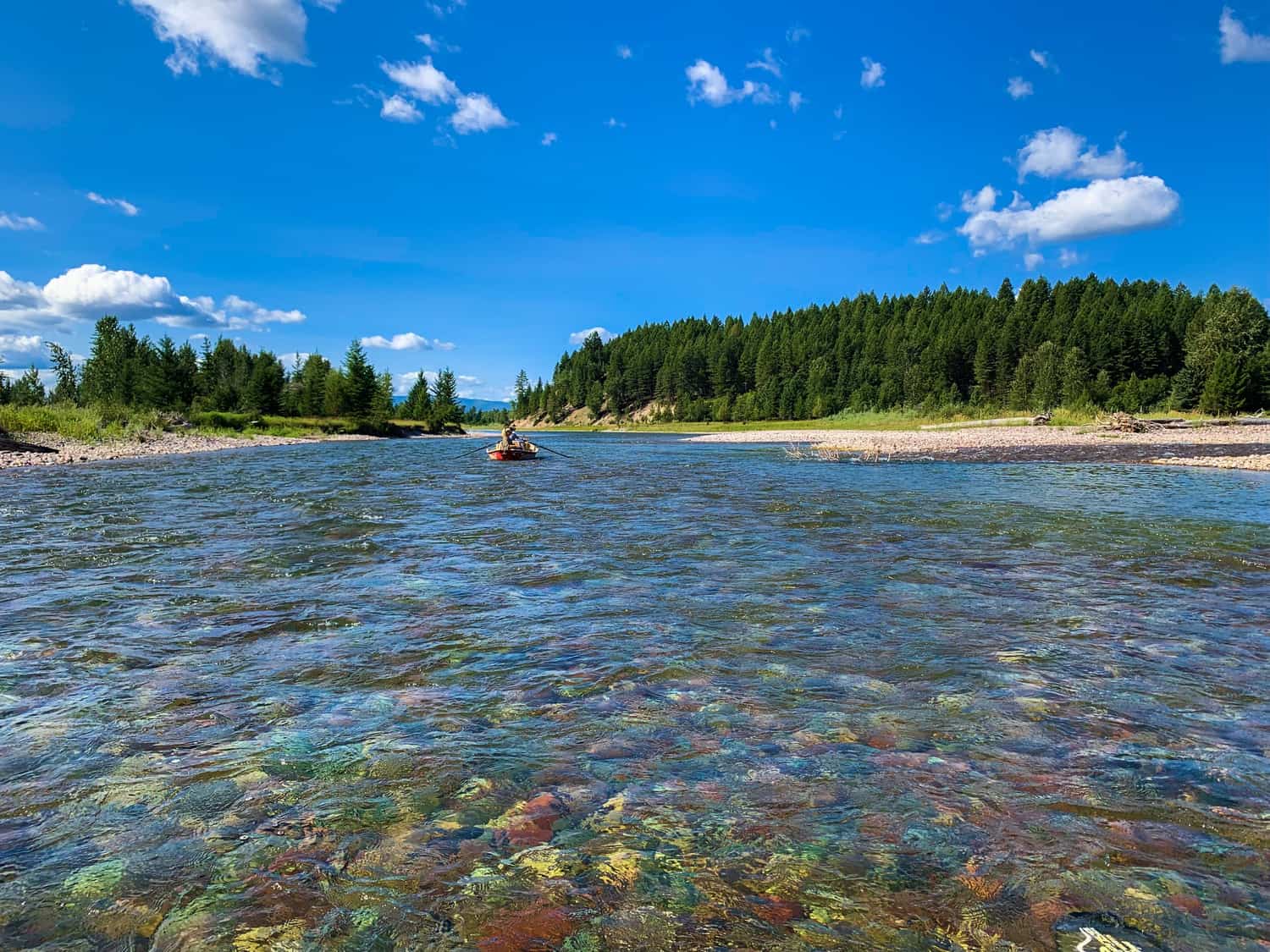
One non-obvious tip: Some rivers, like the Madison and Bighorn, fish well even in winter because their water comes from the bottom of a dam, keeping it warmer and stable.
Credit: montanafishingguides.com
Local Regulations And Conservation
Montana has special laws for fishing, especially on famous rivers. Catch-and-release is common, and there are limits on the number and size of fish you can keep. Some rivers close during spawning season to protect trout.
Check the latest rules before you fish. The Montana Fish, Wildlife & Parks website has current regulations and updates.
A beginner mistake is not cleaning gear between rivers. This can spread invasive species like whirling disease or aquatic weeds. Always rinse boots, waders, and boats before moving to another waterway.
Gear And Techniques For Montana Trout
Most trout fishing in Montana is done with a fly rod (usually 4–6 weight), but spinning gear is also allowed on most waters. Here are some must-have items:
- Waders and boots: Many rivers are cold, even in summer.
- Flies: Match the hatch—stoneflies, caddis, mayflies, and streamers are all important at different times.
- Polarized sunglasses: These help spot fish and protect your eyes.
- Landing net: Helps safely release fish, especially in catch-and-release rivers.
Technique matters. In clear water, trout can be spooky. Use lighter lines and longer leaders. In deep or fast water, try nymphs or streamers. Dry flies work best during hatches.
A common beginner mistake: using flies that are too big. Montana trout often prefer smaller patterns, especially on busy rivers.
Credit: mttroutguides.com
Hiring A Guide Vs. Diy Fishing
Many anglers hire local guides for their first trip. Guides know the best spots, current hatches, and safe ways to float the river. They provide gear and teach local techniques. This can make your trip much more successful, especially on big rivers.
But do-it-yourself fishing is also possible. Montana’s stream access law allows you to fish from bridges and public land, and many rivers have well-marked access points. Always respect private property.
Staying Safe And Respectful On Montana Rivers
Montana rivers can be powerful and cold. Always wear a life jacket when floating. Watch for changing weather—storms can come quickly in the mountains.
Be respectful of other anglers. Don’t crowd someone who’s already fishing a spot, and keep noise to a minimum. Pack out all trash, and release fish carefully.
If you’re camping, use only marked sites and follow fire restrictions. Many river valleys are home to wildlife, including bears. Carry bear spray and make noise when hiking.
A Quick Look At Montana Trout Species
Here’s a fast guide to the main trout you’ll find in Montana:
| Species | Appearance | Where to Find | Average Size |
|---|---|---|---|
| Rainbow Trout | Pink stripe, spots | Most rivers, lakes | 12–20 inches |
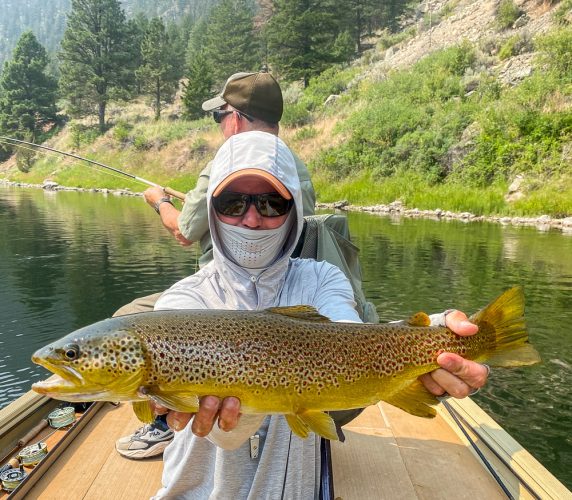
| Brown Trout | Golden, black spots | Larger rivers, lakes | 14–24 inches |
| Cutthroat Trout | Red slash under jaw | Mountain streams, Blackfoot, Yellowstone | 10–18 inches |
| Brook Trout | White fin edges, spots | High mountain lakes | 8–14 inches |
| Arctic Grayling | Large dorsal fin | Big Hole River | 8–16 inches |
| Lake Trout | Forked tail, pale spots | Flathead Lake, Swan Lake | 20–36 inches |
Non-obvious Tips For Trout Fishing In Montana
- Watch the weather. Sudden rain can muddy rivers and turn off the bite, especially in spring. After storms, try tailwaters (like the Missouri or Beaverhead) where water stays clear.
- Try early mornings or late evenings. Many famous rivers get busy at midday. Dawn and dusk not only have fewer people but also more active trout, especially in summer heat.
- Fish small streams. While everyone talks about big rivers, Montana is full of unnamed creeks. These can hold surprising numbers of wild trout and see little fishing pressure.
- Bring a thermometer. Trout stop feeding when water gets too warm (over 68°F/20°C). If the river feels warm, consider fishing early or move to a higher, colder stream.
Frequently Asked Questions
Where Can I Catch Trophy-sized Trout In Montana?
The Madison, Missouri, and Bighorn rivers are top choices for trophy trout. These rivers have a good food supply and produce fish over 20 inches regularly. For the biggest lake trout, try Flathead Lake.
Do I Need A Special Permit To Fish In Montana Rivers?
You need a Montana fishing license for all public waters. Some places, like the Smith River, require a special float permit, which is awarded by lottery. Most rivers are open to all with a regular license, but always check current regulations.
When Is The Best Time To Fish For Trout In Montana?
The best time is usually June through September, when water levels are stable and insect hatches are strong. Spring and fall can be good on certain rivers, especially tailwaters. Winter fishing is possible on a few rivers, but it’s more challenging.
Are There Good Places For Beginners To Fish?
Yes, rivers like Rock Creek and the Gallatin River offer easy access and wade-friendly water. Many lakes, like Hebgen or Georgetown, are also good for beginners, especially with a guide or local advice.
Where Can I Find More Information About Montana Fishing Regulations?
The best source is the Montana Fish, Wildlife & Parks website. They have up-to-date rules, maps, and special notices about closures or restrictions.
Montana’s trout fishing is famous for a reason. With so many rivers and lakes to choose from, every angler can find their perfect spot. Whether you want a quiet mountain stream or a wide, powerful river, Montana delivers wild trout, beautiful scenery, and true adventure.
Remember to respect the water, follow local rules, and enjoy every moment on the river.