
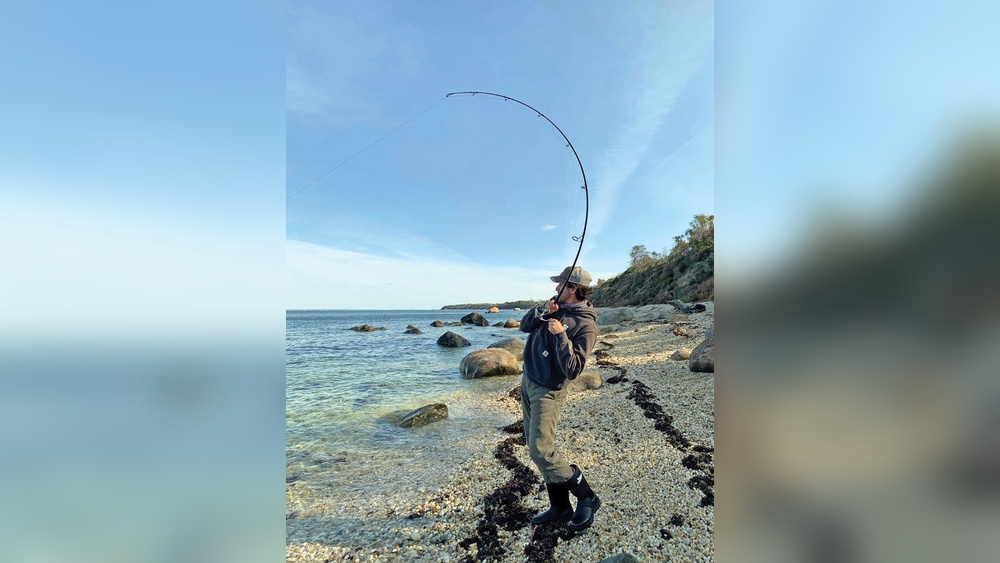
Many anglers wonder if a 7 foot rod is suitable for surf fishing. Walk any busy beach, and you’ll see rods in all shapes and sizes. Most surf fishers carry long rods—often 9 to 12 feet. But is the classic advice about long rods always right?
Or can a 7 foot rod do the job, too? The answer isn’t as simple as “yes” or “no. ” It depends on your fishing style, target species, beach conditions, and even your own comfort.
Let’s explore in detail whether you can use a 7 foot rod for surf fishing. We’ll look at how rod length affects performance, what challenges you might face, and seven key aspects you should consider before heading to the shore with a shorter rod.
By the end, you’ll know exactly when and how a 7 foot rod might be the right tool for surf fishing—and when it’s not.
Why Rod Length Matters In Surf Fishing
Rod length is more than just a number. In surf fishing, it influences how far you can cast, how well you handle waves, and even your ability to fight big fish. Most surf rods range from 8 to 12 feet.
The extra length helps you cast heavy weights and reach beyond breaking waves, where many fish hunt.
Shorter rods, like a 7 foot rod, are usually designed for close-quarters fishing or lighter tackle. Using one on the beach is possible, but it comes with limits. Understanding these limits is the first step to making a smart choice.
1. Casting Distance: How Far Can You Really Go?
The main reason surf rods are long is casting distance. Longer rods act like levers, allowing you to whip heavy baits much farther. In surf fishing, reaching deeper water is often the key to finding fish.
With a 7 foot rod, your casting range is limited. For example, an average angler using a 10 foot rod can cast a 3-4 ounce sinker up to 80-100 yards. With a 7 foot rod, the same angler might only reach 40-60 yards with the same sinker.
| Rod Length | Average Casting Distance | Best Use Case |
|---|---|---|
| 7 feet | 40-60 yards | Close-in fish, calm surf |
| 9 feet | 60-80 yards | Medium surf, general use |
| 12 feet | 80-120 yards | Heavy surf, long distance |
Non-obvious insight: Some species—like whiting, croaker, or small perch—feed very close to the shore. In these cases, a 7 foot rod can work well. But for species that patrol deeper water, like stripers or bluefish, you’ll struggle to reach them with a short rod.
Practical tip: If the surf is gentle and the fish are feeding in the wash (the foamy water right at your feet), a 7 foot rod is not a disadvantage. But when the waves are big, or the fish are far out, you’ll wish for a longer rod.
2. Handling The Surf: Waves And Obstacles
Surf fishing is not just about distance—it’s about managing the surf zone. The surf zone is full of moving water, waves, and sometimes seaweed or debris. A longer rod helps you keep your line above the breaking waves and avoid snagging.
With a 7 foot rod, your line angle is lower. This means:
- The line sits in the water more, increasing drag.
- Waves can pull your bait around.
- There’s a higher risk of the line catching seaweed or rocks.
Example: Imagine casting into a rough surf with a 7 foot rod. The wave action pulls your line sideways, dragging your bait out of the strike zone or burying it in weeds. With a 10 foot rod, your line stays higher, reducing these problems.
Non-obvious insight: On beaches with steep drop-offs (where deep water is very close to shore), the need for a long rod drops. If you know your local beach has this structure, you might get away with a 7 foot rod.
3. Target Species: What Are You Fishing For?
Not all fish are equal. The species you chase determines if a 7 foot rod is smart or not.
Best Matches For A 7 Foot Rod
A 7 foot rod is ideal for:
- Pompano
- Whiting
- Croaker
- Small perch
- Juvenile drum
These fish often feed just beyond the first wave. Their bites are not strong, and they rarely run far.
Challenging Species
A short rod is not suited for:
- Striped bass
- Bluefish
- Big red drum
- Sharks
- Large snook
These fish are strong, often far from shore, and require power and reach.
Practical example: If you’re fishing a beach known for small panfish, a 7 foot rod is perfect. If you see anglers pulling in big stripers, you’re likely under-gunned.
4. Bait And Rig Weight: Can A 7 Foot Rod Handle It?
Surf fishing rigs are often heavy. Typical weights are 2 to 6 ounces, plus bait. Your rod must match the weight you want to cast.
Most 7 foot rods are rated for lighter weights—usually 1/4 to 1 ounce, sometimes up to 2 ounces. If you try to cast a 4-5 ounce sinker, you risk breaking the rod or hurting your shoulder.
| Rod Length | Recommended Weight Range | Ideal Bait Size |
|---|---|---|
| 7 feet | 1/4 – 2 oz | Small baits, cut shrimp |
| 10 feet | 2 – 5 oz | Chunk bait, big lures |
| 12 feet | 3 – 8 oz | Large live bait |
Non-obvious insight: If you try to overpower a light 7 foot rod with heavy surf rigs, you’ll lose accuracy and control. The tip might snap, and your cast will fall short.
Confident guidance: Always check the manufacturer’s weight rating. Don’t exceed it, even if you want more distance. Use lighter rigs and smaller baits with a 7 foot rod.
5. Line Control And Fish Fighting
Surf fishing often means battling waves, current, and strong fish. A longer rod gives you better line control and leverage, making it easier to steer fish out of the surf and away from obstacles.
With a 7 foot rod:
- You have less leverage during the fight.
- Fish can use the waves to their advantage.
- Landing a big fish becomes harder, especially if you must walk into the water to reach them.
Practical example: Imagine hooking a 10-pound bluefish in the surf. With a 7 foot rod, you’ll have less control if the fish charges left or right. You also must wade deeper to land it, increasing risk.
Non-obvious insight: A shorter rod can be an advantage if you fish from rocks or jetties, where space is tight. But on a sandy beach, the lack of reach is usually a disadvantage.
Tip: For kids or beginners, a 7 foot rod is easier to handle. The tradeoff is less power, but the simplicity can build confidence.
6. Comfort, Portability, And Ease Of Use
Not every angler wants—or needs—a 12 foot rod. Long rods are heavy and awkward to carry. A 7 foot rod is light, portable, and easy to transport.
When A 7 Foot Rod Makes Sense
- Travel: Fits in most cars and is easy to carry to remote beaches.
- Short sessions: Great for quick trips or when fishing with kids.
- Physical comfort: Easier for people with shoulder or back problems.
Non-obvious insight: Many casual anglers catch fish right at their feet. If you’re fishing for fun or food, and not after trophies, a 7 foot rod reduces fatigue and is less likely to cause injury.
Mistake to avoid: Don’t choose a 7 foot rod just because it’s easier to carry. Always balance comfort with the demands of your fishing spot and target species.
7. Local Conditions: Reading The Beach
Every beach is different. Sandbars, drop-offs, and currents all play a role.
Ideal Conditions For A 7 Foot Rod
- Narrow beaches: Where deep water is close.
- Small waves: Less line drag, easier control.
- Little seaweed: Fewer obstacles.
- Calm days: Less wind, less need for heavy sinkers.
When A Longer Rod Is Required
- Wide, shallow beaches: Fish are far out.
- Big surf: Need to keep line above waves.
- Strong current: Heavy sinkers required.
Practical guidance: Visit your beach at low tide to see the structure. If you can walk to waist-deep water quickly, a 7 foot rod might work. If you must walk far to reach deeper water, consider a longer rod.
Non-obvious insight: Ask local anglers or bait shop owners about common rod lengths in your area. They know what works best.
Credit: fishingsiestakey.com
Comparing 7 Foot Rods To Longer Surf Rods
To help you decide, here’s a direct comparison of 7 foot rods versus classic surf rods:
| Feature | 7 Foot Rod | 9-12 Foot Surf Rod |
|---|---|---|
| Casting Distance | Short (40-60 yards) | Medium to Long (60-120 yards) |
| Bait Weight | Light (1/4 – 2 oz) | Medium/Heavy (2 – 8 oz) |
| Line Control | Limited | Excellent |
| Handling Big Fish | Challenging | Effective |
| Portability | High | Low |
| Ease for Beginners | Very Easy | Moderate |
Real-world Scenarios: When A 7 Foot Rod Works
Let’s look at a few real beach situations to see when a 7 foot rod makes sense.
Scenario 1: Calm, Narrow Beach
You arrive at a small bay with a steep drop-off and calm water. You see small fish jumping close in. Here, a 7 foot rod is perfect. You can cast easily, avoid heavy rigs, and still catch fish.
Scenario 2: Family Outing
You’re fishing with your children. They want to catch any fish, not just big ones. A 7 foot rod is light and easy for them to use. Short casts are fine, and you can enjoy the day without worrying about distance.
Scenario 3: Targeting Close-in Species
You know the local whiting bite is hot, and they feed right in the wash. You don’t need to cast far. A 7 foot rod with a 1-ounce sinker and shrimp bait will catch plenty of fish.
When Not To Use A 7 Foot Rod
Scenario 1: Wide, Flat Beach
You’re at a classic surf beach with a gentle slope. Fish are feeding beyond the breakers, 80 yards out. A 7 foot rod can’t reach them. You’ll watch others catch fish while your bait stays in shallow water.
Scenario 2: Chasing Trophy Fish
You want to land a big striped bass or drum. These fish run hard and use the surf to their advantage. A 7 foot rod won’t give you the control you need to land them safely.
Scenario 3: Heavy Surf And Current
The waves are big, and the current is strong. You need a 5-ounce sinker to hold bottom. A 7 foot rod can’t cast this weight safely, and your line will drag through the waves.
Common Mistakes When Using A 7 Foot Rod For Surf Fishing
- Using too heavy a rig: Don’t overload the rod. Keep your rigs light.
- Expecting long casts: Know your range. Don’t try to outcast longer rods.
- Fishing rough surf: Stay on calm days or protected beaches.
- Ignoring the target species: Match your rod to your fish.
- Not checking local rules: Some beaches require certain gear for safety.
- Overfilling the reel: Don’t use heavy line on a light rod. It reduces casting distance.
- Standing too far from the water: Get close to the surf line for better results.
Tips For Success With A 7 Foot Rod
- Use small hooks and light rigs to maximize your casting distance.
- Fish at high tide, when fish come closer to shore.
- Look for cuts or troughs in the surf—these hold fish within reach.
- Use braided line for longer casts with less effort.
- Stay mobile. If you’re not getting bites, move along the beach.
Expert Advice: What Do Seasoned Anglers Say?
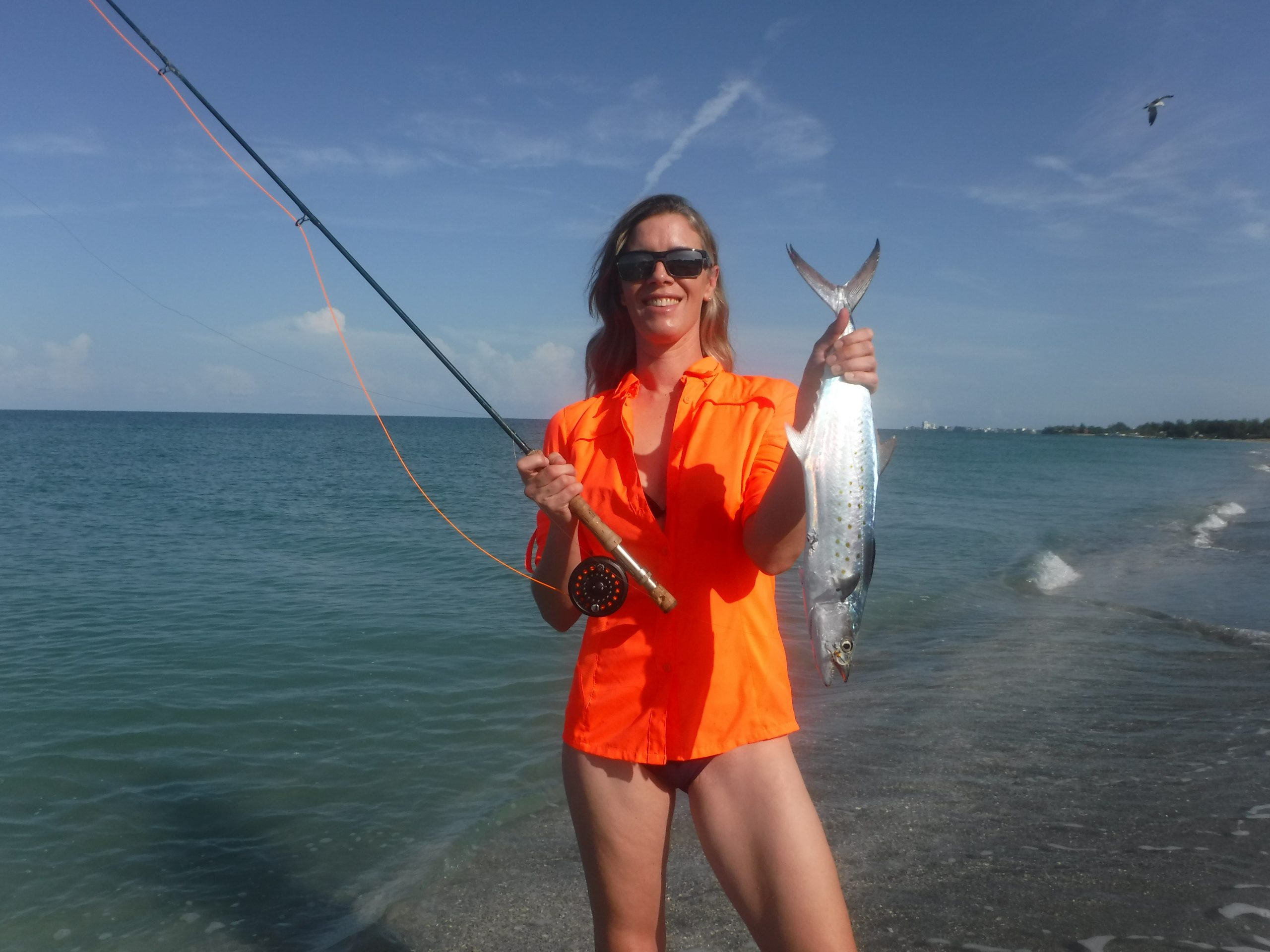
Experienced surf anglers agree: a 7 foot rod is not the best tool for most surf fishing. But it has its place, especially for beginners, families, or anglers targeting small, close-in species.
For more on surf rod selection, see this helpful guide on Wikipedia’s Surf Fishing page.

Credit: www.thefisherman.com
Frequently Asked Questions
Can You Catch Big Fish With A 7 Foot Rod In The Surf?
You can hook big fish with a 7 foot rod, but landing them is much harder. You’ll have less leverage, shorter casting distance, and less power to control the fight. If a large fish takes your bait, be prepared to move fast and manage the fight carefully.
For most big species, a longer rod is safer.
What Type Of Reel Should I Pair With A 7 Foot Surf Rod?
A spinning reel in the 3000-4000 size is usually ideal for a 7 foot rod. Match your reel to the rod’s line and lure weight ratings. Use a light, smooth reel with good drag. Don’t use heavy surf reels—they’ll make the setup unbalanced and hard to handle.
Is A 7 Foot Rod Good For Surf Fishing At Night?
Night surf fishing often means chasing bigger fish that feed close to shore. If you know the fish are in the wash, a 7 foot rod is fine. But if you must cast far, or the surf is rough, a longer rod gives you more control and safety.
Can A 7 Foot Rod Be Used For Lures In The Surf?
Yes, but only with small lures (1/4 to 1 ounce). Light spoons, jigs, and soft plastics work well. Don’t try to throw heavy plugs or metal lures—your rod could break. Always check the lure rating on the rod.
What Is The Best Line For A 7 Foot Surf Rod?
Use 8-15 lb braided line for maximum casting distance and sensitivity. Braided line is thin, strong, and casts farther than mono. If the beach is full of rocks or snags, use a short fluorocarbon leader.
Final Thoughts
A 7 foot rod can be used for surf fishing, but with clear limits. It’s best for calm days, close-in species, and easy access beaches. For long casts, heavy surf, or big fish, a longer rod is a must. Think about your local conditions, your target species, and your own comfort.
With the right approach, even a short rod can deliver fun and success on the beach. The key is matching your gear to the moment—and knowing when to reach for something longer.
Credit: www.youtube.com