
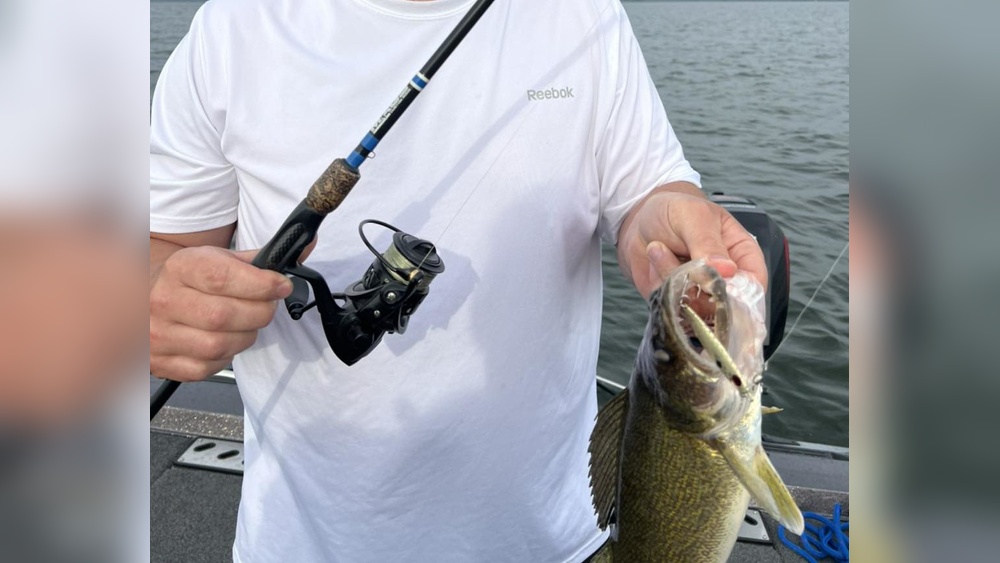
Walleye fishing holds a special place in the hearts of many anglers. The excitement of feeling a strong bite from a cunning walleye, especially during early morning or late evening, is hard to match. But if you want to increase your chances of landing more fish, you need the right gear. One of the most important parts of your setup is the reel size. Many beginners wonder, “What size reel for walleye is best?” The answer is not always simple. It depends on your fishing style, the waters you fish, and the techniques you prefer. In this article, you’ll discover everything you need to know about choosing the perfect reel size for walleye. You’ll also learn why size matters, and how it impacts your fishing experience.
Why Reel Size Matters For Walleye Fishing
When you select a reel, the size affects many things. It changes how your rod feels, how easy it is to cast, and how well you can fight a fish. For walleye, most anglers use light to medium gear, but the exact size can make a big difference.
A reel that’s too big can make your setup heavy and unbalanced. This can tire your arm during a long day on the water. On the other hand, a reel that’s too small might not hold enough line or offer enough drag power, especially if you hook a big fish or need to cast far.
Walleye are known for being smart and sometimes hard to catch. They often bite lightly, so you need gear that helps you feel even the smallest nibbles. The right reel size gives you better sensitivity and control, making it easier to set the hook at just the right moment.
Understanding Reel Sizes
Reel sizes are usually marked with numbers like 1000, 2000, 2500, 3000, or 4000. Some brands use a two-digit system (10, 20, 25), but the concept is similar. The higher the number, the larger the reel. Each size has a specific purpose.
- 1000-1500 sizes: Very small, best for ultralight fishing and tiny lures.
- 2000-2500 sizes: Good for light to medium fishing, common for walleye.
- 3000-4000 sizes: Heavier, used for bigger fish or when you need more line.
The right size depends on the conditions you face and your preferred techniques. Most anglers use spinning reels for walleye, but baitcasting reels are also popular, especially for trolling or heavy jigging.
The Best Reel Sizes For Walleye
For most walleye fishing, the sweet spot is usually a spinning reel in the 2000, 2500, or 3000 size range. Let’s break down each option:
2000 Size Reel
A 2000 size reel is very light and compact. It’s perfect for smaller rods (6’ to 6’6”), and works well with light lines (4-8 lb test). This size is great if you fish in small rivers or lakes, or use light jigs and live bait.
Pros:
- Very sensitive
- Lightweight and easy to handle all day
- Great for finesse techniques
Cons:
- Lower line capacity (not ideal for deep or fast-moving water)
- Less drag power
2500 Size Reel
The 2500 size is the most popular choice for walleye. It offers a balance between lightness and power. You can use it with lines from 6-10 lb test. It handles most walleye lures and techniques, from jigging to casting crankbaits.
Pros:
- Good all-around size for most conditions
- Enough line capacity for longer casts
- Stronger drag for bigger fish
Cons:
- A bit heavier than a 2000 reel, but still comfortable
3000 Size Reel
A 3000 size reel is heavier and holds more line. It’s a good choice if you fish in big lakes or rivers, where walleye might run deep or far. It pairs well with rods up to 7’ or more, and lines up to 12 lb test.
Pros:
- Higher line capacity
- Stronger drag for fighting large fish or dealing with current
- Useful for trolling
Cons:
- Heavier, which can cause fatigue
- Less sensitive for light-bite situations
Comparing Reel Sizes
To help you decide, here’s a comparison of the three most common sizes for walleye fishing:
| Reel Size | Best Rod Length | Line Capacity (Mono) | Drag Power | Best For |
|---|---|---|---|---|
| 2000 | 6’ – 6’6” | 4-8 lb / 100-150 yds | 7-10 lbs | Finesse, light jigs, small waters |
| 2500 | 6’6” – 7’ | 6-10 lb / 150-180 yds | 10-14 lbs | All-around, jigs, crankbaits, live bait |
| 3000 | 7’+ | 8-12 lb / 170-220 yds | 13-18 lbs | Deep water, trolling, big rivers |
Many experienced anglers find the 2500 size is ideal for most walleye fishing. It offers the best mix of sensitivity, power, and line capacity.
Matching Your Reel To Your Rod And Line
Choosing the right reel is not just about the number. It needs to match your rod and line for the best performance.
- Rod Length and Power: Short rods (under 6’6”) work best with smaller reels (2000-2500). Longer rods (7’ or more) need a bigger reel (2500-3000) for balance.
- Line Strength: Light lines (4-8 lb) pair well with 2000-2500 reels. Heavier lines (10-12 lb) need a 3000 reel.
- Fishing Technique: Jigging and finesse styles benefit from lighter reels. Trolling or casting large crankbaits require more power and line.
A mismatch can cause problems. A heavy reel on a light rod feels awkward and tiring. A small reel on a big rod can make casting difficult and reduce sensitivity.
Example Setup For Walleye
If you’re new to walleye fishing, here’s a proven combo:
- Rod: 6’6” medium-light spinning rod
- Reel: 2500 size spinning reel
- Line: 8 lb monofilament or 10 lb braided line
This setup handles most situations, from jigging to casting, and is comfortable for long hours.

Credit: bearsdenlodge.com
Drag System And Line Capacity: Why They Matter
Many beginners focus only on reel size, but two other features are also important: drag system and line capacity.
Drag System
The drag system controls how much pressure you can put on a fish before the line slips. A good drag lets you fight a strong walleye without breaking your line. Most walleye are 1–5 lbs, but trophy fish can reach 10 lbs or more.
Look for a reel with a smooth, adjustable drag. For walleye, a maximum drag of 10-14 lbs is usually enough. If you fish in heavy current or deep water, consider a higher drag power.
Line Capacity
Line capacity tells you how much line the reel can hold. If you use light line (6-8 lb), a smaller reel is fine. If you troll or fish deep, you need more line so the fish doesn’t “spool” you.
Check the reel’s specs for both monofilament and braided line capacities. Braided line is thinner, so you can fit more on the spool.
| Reel Size | Mono Capacity (6 lb) | Braid Capacity (10 lb) |
|---|---|---|
| 2000 | 110 yds | 140 yds |
| 2500 | 140 yds | 170 yds |
| 3000 | 180 yds | 210 yds |
Pro tip: It’s better to have extra line than not enough, especially if you’re trolling.
Spinning Vs Baitcasting Reels For Walleye
While spinning reels are most common for walleye, some anglers prefer baitcasting reels. Each has advantages and drawbacks.
Spinning Reels
- Easier to use for beginners
- Great for light lures and finesse fishing
- Less likely to tangle or “bird’s nest”
- Can cast light jigs and live bait with ease
Baitcasting Reels
- Better for heavier lures and trolling
- Offer more control for casting accuracy
- Higher line capacity and drag power
- Slight learning curve—prone to backlashes if not used correctly
For most walleye fishing, a 2500 spinning reel offers the best balance. If you troll with big crankbaits or fish in fast current, a small baitcaster (low-profile, size 100-200) can be useful.
Choosing The Right Reel For Different Walleye Techniques
Walleye are caught with many methods: jigging, live bait, trolling, casting, and slip bobbers. The best reel size may change depending on how you fish.
1. Jigging
- Reel size: 2000-2500
- Why: Light, sensitive, easy to hold for hours
- Tip: Use braided line for better feel
2. Live Bait Rigging
- Reel size: 2000-2500
- Why: Smooth drag and light weight help detect soft bites
3. Trolling
- Reel size: 3000 or small baitcasting reel
- Why: More line capacity needed for long runs and deep water
4. Casting Crankbaits
- Reel size: 2500-3000
- Why: Stronger drag for bigger lures, enough line for long casts
5. Slip Bobber Fishing
- Reel size: 2000-2500
- Why: Smooth drag, light line, and easy casting
Non-obvious insight: Many anglers use the same reel for all techniques, but having a dedicated setup for jigging and trolling can dramatically increase your success rate.
Walleye Reel Features To Look For
Reel size is the starting point, but other features can make a big difference. Here are some important things to consider:
- Weight: Lighter reels reduce fatigue, especially for jigging.
- Gear Ratio: For walleye, a medium gear ratio (5.2:1 to 6.2:1) is ideal. It gives you a good balance between speed and power.
- Ball Bearings: More ball bearings mean smoother operation. Look for at least 4–6 bearings.
- Anti-Reverse: Instant anti-reverse helps you set the hook quickly.
- Corrosion Resistance: If you fish in stained or weedy water, a corrosion-resistant reel will last longer.
Tip: Don’t overpay for features you won’t use. A simple, smooth, and reliable reel often outperforms high-end models with unnecessary extras.
Common Mistakes When Choosing A Walleye Reel
Many beginners make the same errors when picking a reel. Avoid these pitfalls:
- Choosing a reel that’s too big: Large reels feel heavy and unbalanced. They also reduce sensitivity.
- Going too small: Tiny reels may run out of line or lack the drag power for a big fish.
- Ignoring gear balance: Your rod, reel, and line should work together. Test them in-store if you can.
- Focusing only on price: Cheap reels often have poor drags or fewer bearings. However, you don’t need the most expensive one either. Look for value and reliability.
- Not considering your technique: Pick a reel that fits the way you fish most often, not just the biggest or most popular model.
Non-obvious insight: Try the reel in your hand before you buy. A reel that feels right in the store is more likely to feel good after hours of fishing.
Popular Reel Brands And Models For Walleye
There are many trusted reel brands. Some of the most popular for walleye include Shimano, Daiwa, Pflueger, Abu Garcia, and Okuma. Here are a few models that are favorites among experienced anglers:
- Shimano Stradic FL 2500: Smooth, durable, and well-balanced.
- Daiwa BG 2500: Excellent drag and line capacity.
- Pflueger President 2500: Reliable and affordable.
- Abu Garcia Revo X 2500: Lightweight, with a strong drag system.
- Okuma Ceymar C-30: Good value and smooth retrieve.
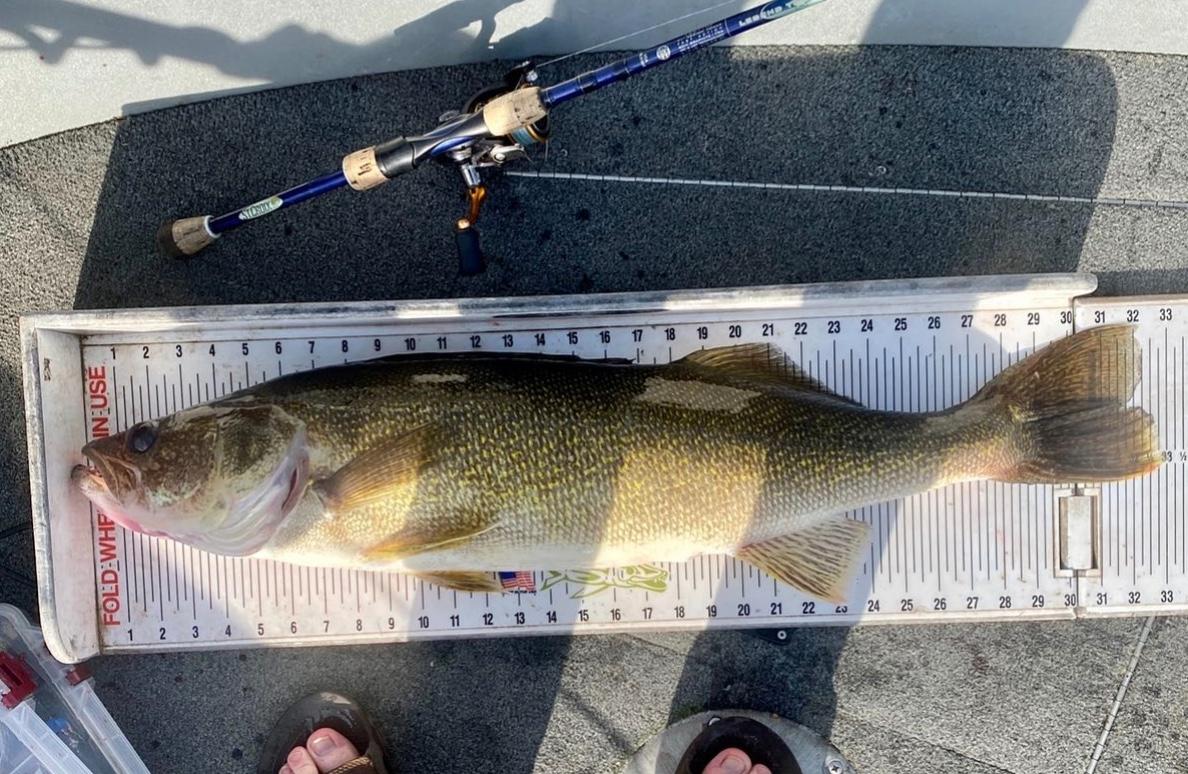
Before buying, check reviews and compare features to see which fits your style and budget.
Credit: targetwalleye.com
How Water Conditions Affect Reel Size
The best reel size can change with water conditions.
- Small lakes and ponds: Use a 2000 or 2500 reel with light line.
- Big rivers and reservoirs: Go for a 2500 or 3000 reel for more line and drag.
- Heavy current: Bigger reels help control fish and keep your line tight.
- Weedy or rocky areas: Stronger drag and heavier line are sometimes needed, so a 2500 or 3000 is best.
If you fish many types of water, a 2500 size reel is a safe, flexible choice.
Maintenance Tips For Your Walleye Reel
A well-maintained reel lasts longer and works better. Here’s how to keep your reel in top shape:
- Clean after each trip: Wipe the reel with a damp cloth, especially if you fish in dirty or stained water.
- Oil the bearings: Use reel oil every few trips, or whenever it feels rough.
- Check the drag: Test the drag before each trip to avoid surprises.
- Replace line often: Old or damaged line can break easily, costing you fish.
- Store reels dry: Keep them out of direct sun and away from moisture.
A little care goes a long way. Even a budget reel can last for years if maintained properly.
Cost Vs. Value: How Much Should You Spend?
Walleye reels come in a wide price range—from $30 to $300 or more. For most anglers, a reel in the $60–$120 range offers great value. These reels have smooth drags, solid construction, and enough features for most fishing situations.
- Below $50: Entry-level reels, often for beginners or as backups.
- $60–$120: Mid-range, best mix of price and quality.
- Above $150: Premium reels with advanced features, usually not needed for basic walleye fishing.
Pro tip: Invest in a good rod and reel combo if possible. Balanced gear makes a big difference in how much you enjoy fishing.
Real-world Example: Choosing The Right Reel Size
Let’s say you plan to fish a medium-sized lake where walleye average 2–4 lbs, but bigger fish are possible. You like to jig and sometimes cast crankbaits. Here’s a solid setup:
- Rod: 6’6” medium-light
- Reel: 2500 size spinning reel
- Line: 8 lb mono or 10 lb braid
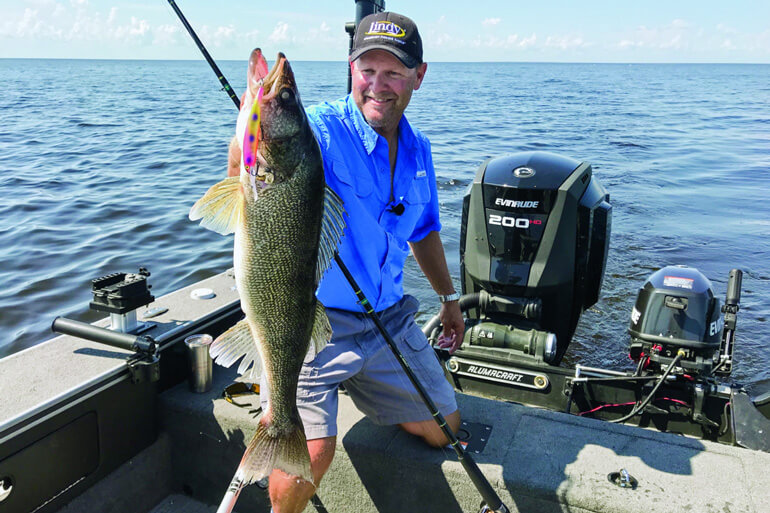
With this setup, you can handle most situations, and you won’t get tired from a heavy reel. If you move to a big river, you might switch to a 3000 reel and 12 lb line for more power.
Credit: www.in-fisherman.com
Expert Advice: When To Go Bigger Or Smaller
Sometimes you need to adjust your reel size. Here are two situations:
- Go bigger (3000 or baitcaster) if you regularly troll deep-diving crankbaits, fish in heavy current, or target trophy walleye.
- Go smaller (2000) if you use ultralight techniques, small jigs, or fish small, calm waters.
But for most people, the 2500 size will be the “goldilocks” choice—not too big, not too small.
Summary Table: Walleye Reel Size Guide
To make your choice easy, here’s a quick reference:
| Fishing Style | Recommended Reel Size | Line Strength | Notes |
|---|---|---|---|
| Jigging | 2000-2500 | 6-8 lb | High sensitivity, light setup |
| Live Bait | 2000-2500 | 6-10 lb | Smooth drag needed |
| Trolling | 3000 or baitcaster | 10-12 lb | More line & drag |
| Casting | 2500-3000 | 8-12 lb | Long casts, heavier lures |
| Slip Bobber | 2000-2500 | 6-8 lb | Easy casting, smooth drag |
The Bottom Line
Choosing the right reel size for walleye fishing is about matching your gear to your style, water, and target fish. For most anglers, a 2500 spinning reel is the best all-around choice. It gives you the sensitivity to detect light bites, the strength to handle big fish, and the comfort to fish all day.
Don’t get caught up in hype or marketing. Think about your local waters, the way you like to fish, and your own comfort. Test reels in your hand if possible, and invest in a quality setup that fits your needs.
If you keep your reel clean and balanced with your rod and line, you’ll enjoy more success—and more fun—every time you chase walleye.
For more details on reel sizes and fishing techniques, check out this helpful resource from In-Fisherman.
Frequently Asked Questions
What Is The Best Reel Size For Walleye Fishing?
For most walleye fishing, a 2500 size spinning reel is best. It balances sensitivity, line capacity, and drag power. This size works for jigging, casting, and live bait.
Can I Use A 3000 Reel For Walleye?
Yes, a 3000 size reel can be used, especially if you fish big water, troll, or use heavier lines. It may feel heavier and less sensitive for finesse techniques, but it offers more drag and line.
Is A Baitcasting Reel Good For Walleye?
Baitcasting reels are useful for trolling or casting big lures. They offer more power and control but have a learning curve. Most beginners prefer spinning reels for walleye.
What Line Should I Use With My Walleye Reel?
Use 6-10 lb monofilament or 10-12 lb braided line with a 2000 or 2500 reel. Braided line gives you more sensitivity, while mono is more forgiving for beginners.
How Important Is Drag Strength For Walleye Reels?
A smooth drag is very important. Most walleye are not huge, but a strong, smooth drag (10-14 lbs) helps you land bigger fish and protects your line from breaking.