
Many anglers wonder if they can mix different types of fishing gear for better results or out of convenience. One common question is: Can you put a baitcasting reel on a spinning rod? At first glance, it might seem like a good way to save money or try something new. But the truth is more complicated. Understanding the design and purpose of each type of rod and reel is essential before making a decision. This article will explore the technical details, pros and cons, real-life results, and expert advice on this topic. Whether you are a beginner or have some fishing experience, you will find clear answers and practical tips here.
Understanding Spinning Rods And Baitcasting Reels
Before you try to combine a baitcasting reel with a spinning rod, it helps to know how each is built and what makes them unique.
Spinning Rods
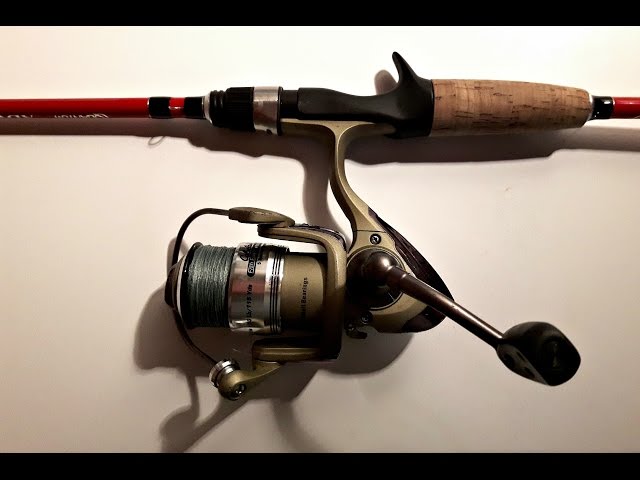
Spinning rods are designed for use with spinning reels. The guides (the loops that hold the fishing line) are larger near the handle and become smaller toward the tip. They are placed on the underside of the rod. This design helps the line come off the spinning reel smoothly. Spinning rods are usually more flexible and allow for easy casting of light lures. They are popular because they are easy to use, even for beginners.
Baitcasting Reels
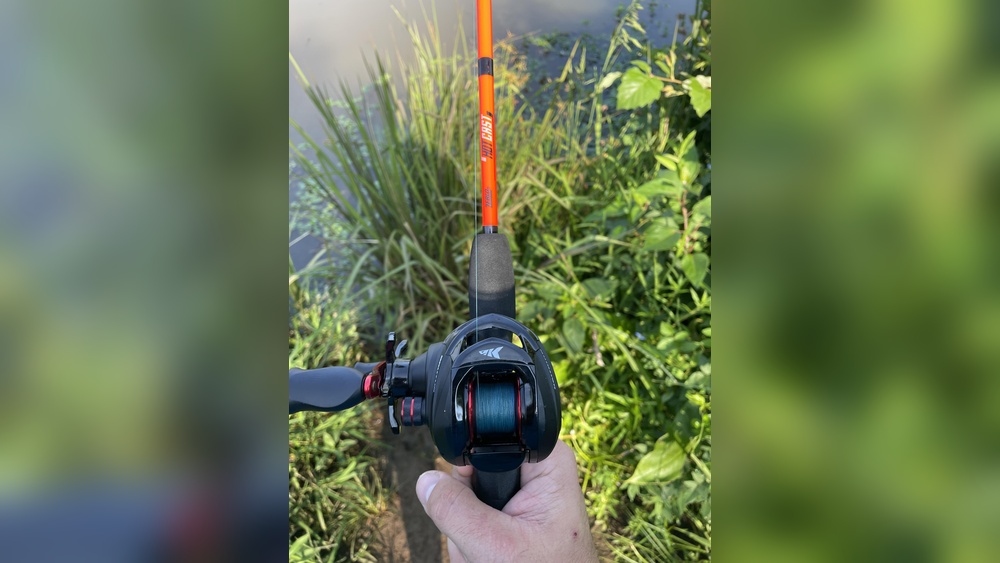
A baitcasting reel sits on top of the rod and is paired with a casting rod. The spool on a baitcaster turns as you cast, letting the line out directly in line with the guides. This gives you more control and accuracy, especially with heavier lures or when targeting bigger fish. However, baitcasters are harder to master. If not used correctly, you can get a backlash, which is a tangle of line on the spool.
Key Differences
- Guide Placement: Spinning rods have guides on the bottom; casting rods have guides on the top.
- Handle Design: Handles on spinning rods are shaped for under-rod grip, while casting rods are for overhand grip.
- Line Flow: The line comes off a spinning reel in loops, but from a baitcaster in a straight line.
Understanding these differences is the first step in deciding if mixing the two is a good idea.
Why Would Someone Want To Mix Them?
It might seem odd to put a baitcasting reel on a spinning rod, but anglers try this for several reasons:
- Budget Constraints: Buying a new rod and reel setup can be expensive. Some anglers want to use what they already have.
- Experimentation: Some people enjoy testing new combinations to see if they can gain any advantage.
- Limited Gear: When fishing trips are unexpected or far from home, you may only have limited equipment.
- Curiosity: People often try it simply to answer the question: “What happens if I do this?”
Although these reasons are understandable, it’s important to know what challenges you might face.
Technical Challenges Of Mixing A Baitcaster With A Spinning Rod
Combining a baitcasting reel with a spinning rod is not just a simple swap. There are several technical issues that make this combination less than ideal.
Guide Placement And Direction
The biggest problem is the direction of the guides. Spinning rods have guides underneath, while baitcasting reels are meant to be on top. If you attach a baitcaster to a spinning rod, the line will be forced against the guides from an unnatural direction. This can cause:
- Increased friction, which makes casting harder and can damage the line.
- Line slap against the blank (rod shaft), which reduces casting distance.
- Risk of guides breaking since they are designed to take force from below, not above.
Rod Blank Stress
The rod blank is built to bend in a certain way. With a spinning rod, the blank is designed to flex downward with pressure from below. If you use a baitcaster on top, the rod will flex upward, which can:
- Weaken the rod over time
- Cause the blank to break if you hook a big fish
- Make the rod action feel awkward and less sensitive
Reel Seat Compatibility
Most spinning rod reel seats are not designed to hold baitcasting reels securely. The reel may wobble or come loose, especially when fighting a fish.
Guide Size
Spinning rods have larger guides near the handle to handle the loops of line coming off a spinning reel. Baitcasting reels release line in a straight, tight pattern. Using a baitcaster with large guides can result in poor casting accuracy and more tangles.
Ergonomics
The way you hold and operate a spinning rod is different from a casting rod. Using a baitcaster on a spinning rod will often feel awkward and uncomfortable, especially during long fishing sessions.
Performance: What Really Happens If You Try It?
It’s one thing to talk about the technical problems, but what actually happens if you put a baitcasting reel on a spinning rod and go fishing?
Casting Distance And Accuracy
Because of the misaligned guides and added friction, you will likely notice a significant drop in casting distance. Your casts may also be less accurate, making it harder to place your lure where you want.
Increased Backlash
Since the guides are not aligned for a baitcaster’s straight line flow, you may get more backlashes (tangled line on the spool). This is frustrating and wastes time.
Fish Fighting Ability
If you hook a big fish, the rod may not handle the stress well. The rod could bend in the wrong direction, making it harder to control the fish and increasing the risk of breaking the rod.
Long-term Durability
Over time, using a setup in a way it was not designed for can cause wear and tear on both the rod and the reel. The rod guides may loosen or break, and the reel seat may get damaged.
Personal Experience Example
Anglers who have tried this setup usually report that it “works” in the sense that you can cast and catch fish, but the experience is much worse than using the right rod for the reel. Many say they only tried it once and decided never to do it again.
Credit: www.youtube.com
Data Table: Comparing Spinning Rods With Baitcasting Reels Vs. Matched Setups
Here is a side-by-side comparison of performance metrics from using a baitcaster on a spinning rod versus traditional pairings.
| Aspect | Baitcaster on Spinning Rod | Spinning Reel on Spinning Rod | Baitcaster on Casting Rod |
|---|---|---|---|
| Casting Distance | Poor | Good | Excellent |
| Casting Accuracy | Low | Moderate | High |
| Backlash Risk | High | Low | Moderate |
| Comfort & Ergonomics | Poor | Good | Excellent |
| Rod Strength | Compromised | Optimal | Optimal |
| Line Management | Problematic | Easy | Controlled |
Is It Ever Acceptable To Use A Baitcaster On A Spinning Rod?
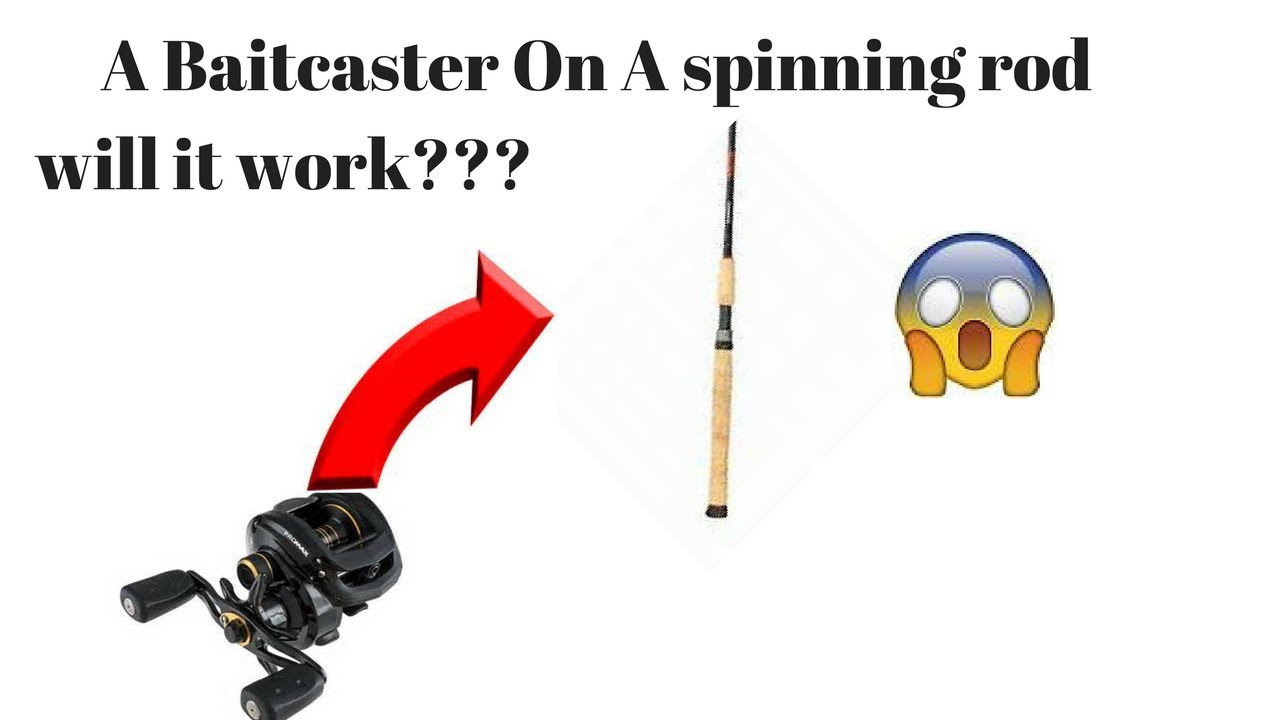
While it is technically possible to attach a baitcasting reel to a spinning rod, most experts advise against it. There are very few situations where this setup makes sense:
- Emergency Situations: If your main rod breaks and you only have a spinning rod and a baitcaster, you could use them together as a last resort.
- Very Light Fishing: For small fish and short casts, the risks are lower, but the downsides are still present.
- Temporary Use: If you are trying out a baitcaster for the first time and don’t want to buy a new rod yet, you might try this combination. But it is not recommended for long-term use.
Overall, the drawbacks outweigh the benefits for regular fishing.
Credit: www.youtube.com
What Happens To Your Gear?
One thing many beginners don’t realize is the long-term effect on their fishing gear. Putting a baitcaster on a spinning rod may seem harmless for a few trips, but over time, you risk:
- Guide Damage: Repeated stress in the wrong direction can break guides.
- Rod Blank Weakening: The rod may lose its strength and flexibility.
- Reel Seat Wear: The reel may not fit well, causing it to slip or damage the seat.
- Reduced Resale Value: Gear used improperly often shows more wear, making it harder to sell later.
These effects can add up, making it more expensive in the long run than simply buying the correct setup from the start.
Alternatives To Mixing Rods And Reels
If you want to try baitcasting but only have a spinning rod, consider these options before forcing a mismatched setup:
1. Buy An Entry-level Casting Rod
Many companies make affordable casting rods designed for beginners. These rods are built for use with baitcasting reels and will give you a much better experience.
2. Borrow Or Rent Gear
If you want to test a baitcaster, try borrowing from a friend or renting at a fishing shop. This lets you see if you like it before spending money.
3. Look For Combo Deals
Some brands sell rod and reel combos that are matched for you. These are often cheaper than buying pieces separately.
4. Sell Or Trade Old Gear
Many anglers have extra spinning rods or reels. Look for local groups where you can trade or sell your gear and get what you need for a proper baitcaster setup.
5. Learn More About Your Needs
Think about your fishing style and target species. If you mostly fish for small panfish, a spinning setup is often best. If you want more power or accuracy, investing in a baitcasting combo pays off.
Data Table: Guide Size And Placement Differences
The following table highlights the key design differences between spinning rods and casting rods, which directly impact performance when used with the wrong reel type.
| Rod Type | Guide Size (Near Handle) | Guide Placement | Designed Reel |
|---|---|---|---|
| Spinning Rod | Large | Under the rod | Spinning Reel |
| Casting Rod | Small | On top of the rod | Baitcasting Reel |
Two Insights Many Beginners Miss
Many new anglers think “if it fits, it works.” But there are two important things they often overlook:
- Rod bend direction matters: Fishing rods are made to flex a certain way. Reversing this flex not only weakens the rod but also makes fighting fish harder and riskier.
- Guide strength is directional: The guides on a spinning rod are built to handle force from below. Pulling from above, as with a baitcaster, can snap them off much more easily.
Ignoring these details can ruin your gear and your fishing day.
What About Universal Rods?
Some brands advertise “universal” rods that claim to work with both spinning and baitcasting reels. While these rods try to offer flexibility, they are usually a compromise. You lose the specialized benefits of either type. For serious anglers, a universal rod rarely matches the performance of a rod designed for a specific reel.
The Expert View
Fishing professionals and experienced anglers almost always recommend using the right rod for the right reel. For example, the American Sportfishing Association and many expert guides point out that matched gear is safer, more comfortable, and performs better. Even if you are just starting, investing in a matched setup saves money and frustration in the long run.
If you want to learn more about rod and reel matching from a trusted source, check out the Fishing rod Wikipedia page.
Common Myths About Mixing Fishing Gear
There are several myths about mixing baitcasting reels with spinning rods:
- “It makes you a better angler.” In reality, using mismatched gear usually makes things harder, not easier.
- “It’s just as good if you practice.” No amount of practice can overcome design flaws.
- “It saves money.” Replacing broken gear costs more than buying the correct rod and reel from the start.
- “Universal rods are perfect for all reels.” As explained earlier, universal rods are a compromise, not a solution.
Real-world Angler Stories
Anglers who tried this combination often regret it. Some report losing big fish due to rod breakage. Others find casting so difficult that they miss out on good fishing spots. While you might catch a few fish, most agree the experience is frustrating and not worth repeating.

Credit: www.shutterstock.com
Simple Guidelines For Choosing Rod And Reel Combos
To avoid problems, follow these tips:
- Always match rod and reel types (spinning with spinning, baitcasting with baitcasting).
- Check the rod’s action and power to make sure it fits your target species and fishing style.
- Inspect the guides and reel seat to ensure a secure fit.
- Ask for advice at your local tackle shop if you are unsure.
Frequently Asked Questions
What Happens If I Put A Baitcasting Reel On A Spinning Rod?
If you put a baitcasting reel on a spinning rod, you will likely face poor casting distance, more line tangles, and increased wear on your rod guides. The rod may also feel awkward, and you risk breaking the rod when fighting bigger fish.
Is It Ever Safe To Use This Combination?
It is only “safe” in an emergency when you have no other choice, and you are fishing for small fish. For regular use, it is not recommended because of the risk to your gear and the lower performance.
Will My Warranty Be Void If I Use Gear This Way?
Most rod and reel manufacturers specify that their products must be used as intended. Using a baitcaster on a spinning rod may void your warranty, as it is considered misuse.
Can I Modify A Spinning Rod To Work Better With A Baitcaster?
Technically, you could try to add new guides or change the reel seat, but this is expensive and difficult. The result is usually worse than buying the right rod for your reel.
What Setup Is Best For Beginners?
For beginners, it’s best to start with a spinning rod and spinning reel. This combination is easy to learn, less likely to tangle, and works for many types of fishing. Once you are comfortable, you can explore baitcasting gear with a proper casting rod.
Using the right rod and reel combination is one of the basics of successful fishing. While it may seem possible to mix a baitcasting reel with a spinning rod, the performance and long-term risks make it a poor choice. Save yourself trouble and get the correct gear for your next fishing trip.
Your fishing will be smoother, your gear will last longer, and you’ll enjoy your time on the water much more.