
Baitcaster Vs Conventional Reel: A Detailed Comparison For Anglers
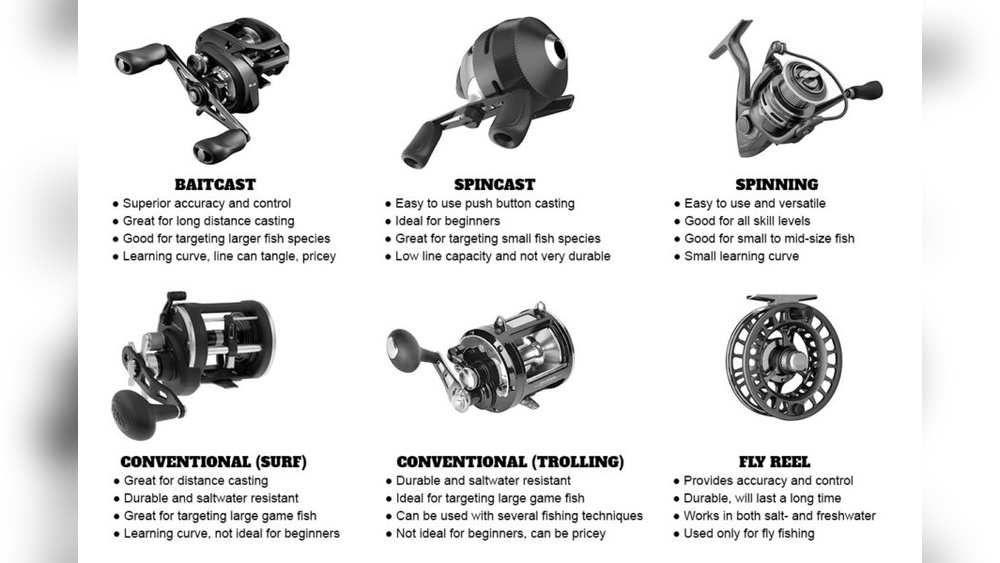
Choosing the right fishing reel can make a big difference in your angling experience. Whether you are a beginner or an experienced fisherman, understanding the baitcaster and conventional reel will help you make better decisions. Both reels have unique features, and each suits different fishing styles and environments. However, many anglers struggle to understand the real differences, especially if they are new to advanced fishing gear. Let’s dive into a full comparison, highlighting what sets these two reels apart, their advantages, and which one may be best for you.
What Is A Baitcaster Reel?
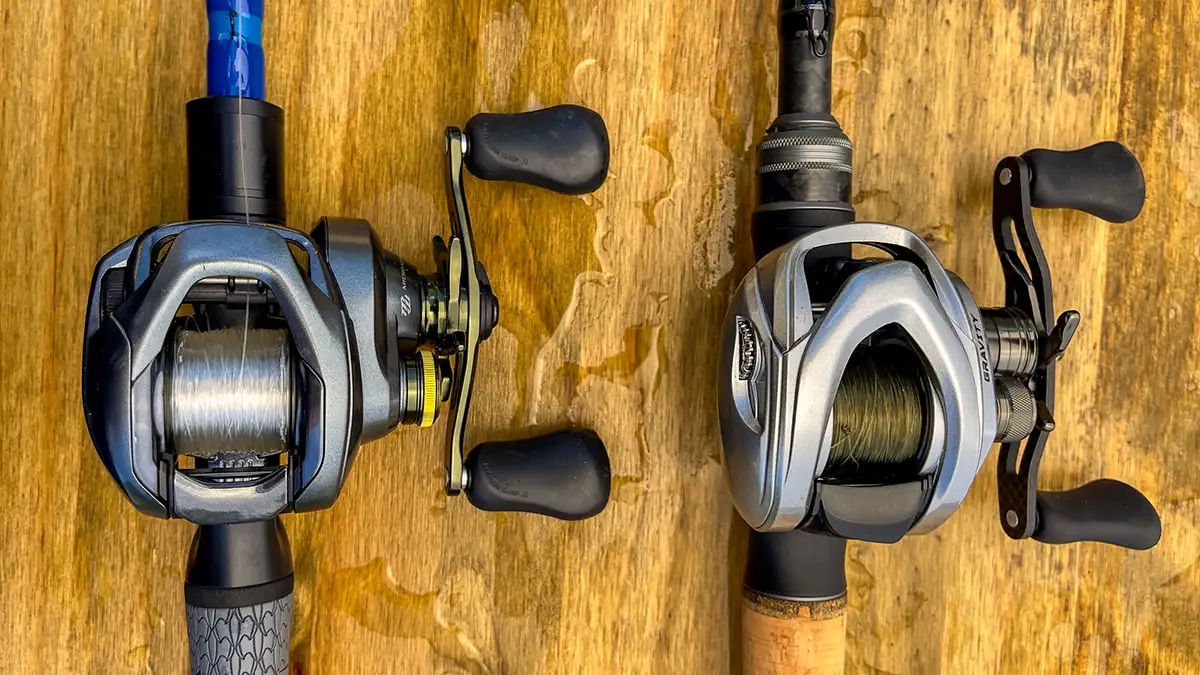
A baitcaster is a type of fishing reel where the spool sits on top of the rod. The spool rotates as you cast, allowing the line to flow smoothly. Baitcasters are popular among experienced anglers because they offer greater casting control and accuracy. Many bass fishermen prefer baitcasters, especially when using heavier lures.
The design allows you to use your thumb to control the spool during the cast. This control is excellent for precise casting, but it also means you need more skill. If you do not control the spool properly, you may get a “bird’s nest” or backlash, where the line tangles badly.
Most modern baitcasters have magnetic or centrifugal brakes to help reduce backlash.
Typical uses: Bass fishing, freshwater fishing, and situations where accuracy is key.
What Is A Conventional Reel?
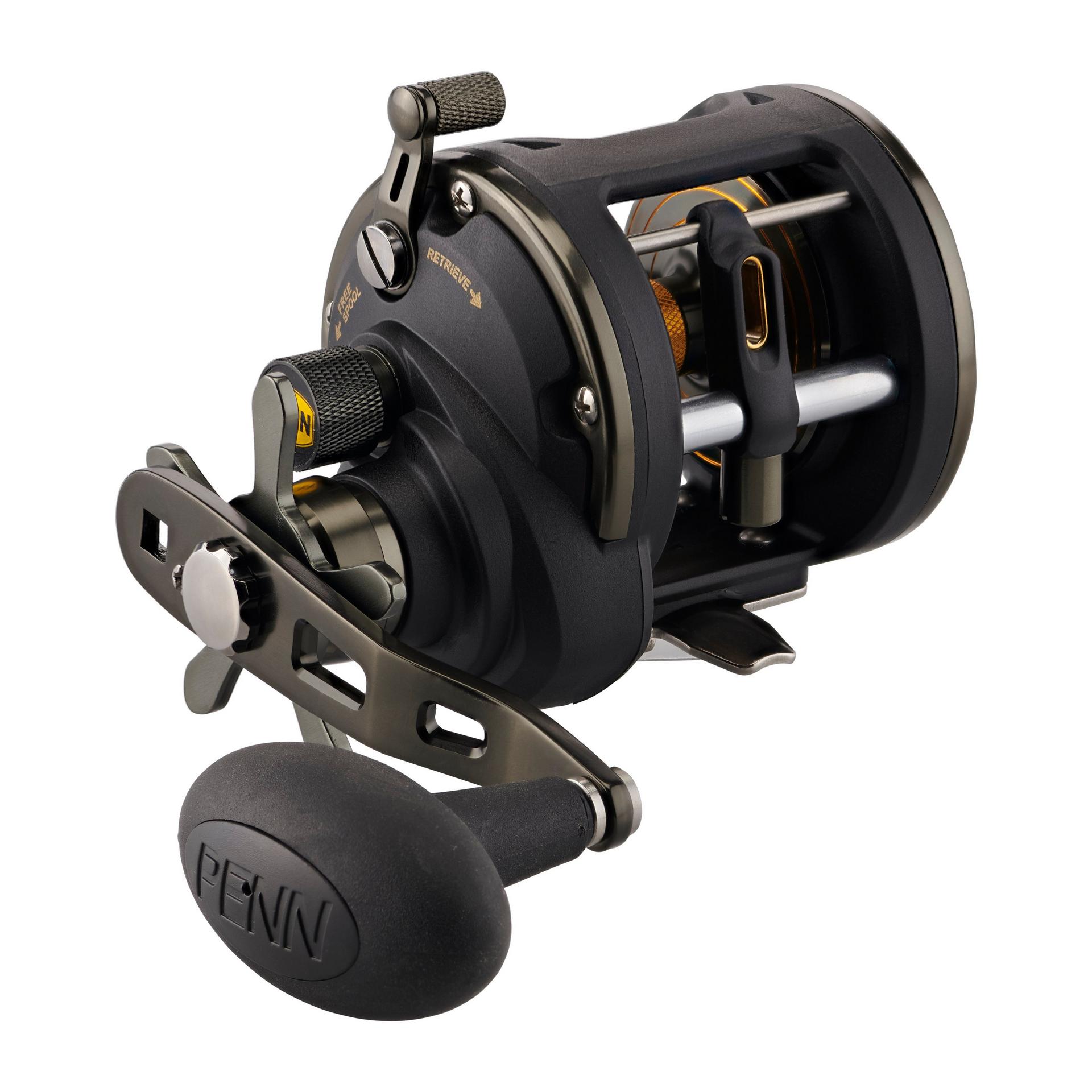
A conventional reel (sometimes called a trolling reel or multiplier) is usually mounted on the underside of the rod. The spool moves forward and backward during the retrieve, and the handle is often larger than a baitcaster’s. Conventional reels are designed for power and line capacity, making them the top choice for saltwater fishing and deep-sea fishing.
Unlike baitcasters, conventional reels are less about casting distance and more about fighting big fish and holding lots of heavy line. They are ideal for trolling, bottom fishing, and targeting large species like tuna or marlin.
Typical uses: Saltwater fishing, deep-sea fishing, and situations where strength is needed more than casting accuracy.
Key Design Differences
Understanding the physical differences between baitcaster and conventional reels helps you know why each is suited to different tasks.
| Feature | Baitcaster Reel | Conventional Reel |
|---|---|---|
| Spool Position | On top of rod | Below rod |
| Handle Location | Right or left side | Usually right side, sometimes left |
| Line Guide | Yes (oscillates) | Often fixed or manual |
| Drag System | Star drag or lever drag | Star drag, lever drag, or both |
| Typical Weight | Lighter | Heavier |
| Line Capacity | Lower | Higher |
Most beginners overlook the line guide difference. Baitcasters almost always have an automatic line guide, which moves back and forth to lay line evenly. Many conventional reels, especially larger models, need you to guide the line with your thumb.
Casting Performance
Baitcaster
One of the main reasons anglers choose a baitcaster is casting accuracy. The spool design allows for direct control over the line, so you can place your lure exactly where you want. This is especially helpful when fishing near structures or under branches. Baitcasters also handle heavier lures better, making them suitable for larger freshwater species.
However, the risk of backlash is high if you do not have the right technique. Most baitcasters have adjustable brakes and tension knobs to help, but you still need some practice.
Conventional Reel
Conventional reels are not designed for distance casting. Most are used for trolling, bottom fishing, or dropping baits straight down. Their shape and heavier weight make long casts difficult. Some smaller models can cast, but usually not as far or as accurately as baitcasters.
For beginners, conventional reels are easier to control since backlashes are rare. But you give up the ability to cast with precision.
Line Capacity And Power
Baitcaster
Baitcasters usually hold less line than conventional reels. The spool is smaller, and the frame is more compact. This is fine for freshwater fishing or inshore saltwater fishing, where you do not need to fight huge fish or use a lot of line. The drag system is strong enough for most bass, pike, or walleye.
Conventional Reel
This is where conventional reels shine. They can hold hundreds of yards of heavy line, including braided line and wire line for deep drops. The drag system is also more powerful, allowing you to fight big saltwater fish for a long time. Many deep-sea anglers prefer conventional reels because they do not overheat or fail under pressure.
A common mistake is using a baitcaster for big game fishing. The smaller spool and lighter gears can fail when a large fish makes a strong run. If you plan to target tuna, sharks, or marlin, a conventional reel is the safe choice.
Drag Systems
Both reels use either star drag or lever drag systems, but their quality and placement differ.
- Baitcasters often have a star drag system. It sits behind the handle, easy to adjust with your thumb.
- Conventional reels can have either star or lever drag. Lever drag reels allow for very smooth and strong adjustments, which are important when fighting large fish. Star drag is simpler but less precise.
Star drag is fine for most freshwater and light saltwater fishing. Lever drag is better for big game, where drag pressure must be changed quickly.
Credit: www.pennfishing.com
Target Species
Choosing between a baitcaster and a conventional reel depends a lot on the fish you want to catch.
Baitcaster is best for:
- Bass
- Pike
- Musky
- Catfish (smaller to medium size)
- Trout (with heavier lures)
- Inshore saltwater species like redfish, snook, or speckled trout
Conventional reel is best for:
- Tuna
- Marlin
- Sharks
- Snapper and grouper (deep drop)
- Salmon (when trolling)
- Large catfish (river fishing)
- Halibut
- Swordfish
If your fishing trips often involve big water and heavy fish, stick with a conventional reel.
Ease Of Use And Learning Curve
Baitcaster
Baitcasters have a steeper learning curve. You must learn to control the spool with your thumb, adjust brake settings, and avoid backlash. Many new anglers get frustrated because the line tangles easily, especially in windy conditions. But, with practice, you gain better casting control and can handle a wider range of lures.
One tip: start with heavier lines (at least 12-15 lb test) when learning. Thin lines make backlashes worse.
Conventional Reel
Conventional reels are more forgiving. They rarely backlash, even with little experience. The main challenge is guiding the line evenly on the spool when retrieving, especially on bigger models without a level wind. For deep-sea fishing, most of the work is fighting the fish rather than casting.
Credit: www.wired2fish.com
Versatility
Baitcaster
Baitcasters are very versatile within their range. You can use them for casting, pitching, flipping, and even some trolling. However, they are not designed for very heavy lines or deep-sea fishing.
Conventional Reel
Conventional reels are less versatile for casting, but they shine in trolling, bottom fishing, and fighting large fish. Some smaller models are designed for surf fishing and allow for longer casts, but most are for deep water or big game.
Maintenance And Durability
Baitcaster
Baitcasters require regular cleaning, especially if used in saltwater. The gears are more exposed, and small parts can corrode. Most baitcasters are lighter and have more moving parts, so they can wear out faster if not maintained.
Conventional Reel
Conventional reels are built for harsh conditions. They are usually sealed better against saltwater and sand. The gears are heavy-duty, and the bodies are often metal. These reels last a long time with basic cleaning and oiling.
One thing beginners often miss: a corroded baitcaster can quickly lose performance, while a conventional reel may keep working even with some rust.
Cost And Value
Both baitcasters and conventional reels come in a wide price range, from $50 to over $1000. However, the average price for a good baitcaster is lower than for a heavy-duty conventional reel.
- Baitcaster reels: $80–$250 for a reliable model
- Conventional reels: $120–$500 for quality, with big game models costing much more
If you only fish occasionally or for smaller species, a baitcaster offers great value. If you plan to fish offshore or target trophy fish, spending more on a conventional reel is an investment.
Common Mistakes When Choosing
- Ignoring target species: Many buy a baitcaster for offshore fishing, only to find it cannot handle the fish.
- Overestimating skill level: Baitcasters look cool, but require practice. Beginners often get frustrated with backlash.
- Choosing based on price alone: A cheap reel can fail in tough conditions. Match the reel to your needs, not just your budget.
- Not considering rod compatibility: Both reels need matching rods. A baitcaster rod is different from a conventional rod.
- Forgetting about line type: Some reels handle braided line better than others. Check before you buy.
Real-world Examples
- Tournament bass anglers almost always use baitcasters. They need to cast accurately near cover, docks, or vegetation.
- Charter boat captains for tuna or grouper use large conventional reels. They need strength and line capacity, not casting accuracy.
- Inshore saltwater guides often carry both. They use baitcasters for redfish and snook, but switch to conventional reels for tarpon or sharks.
Pros And Cons
To make things clearer, here’s a side-by-side look at the main pros and cons of each type.
| Baitcaster | Conventional Reel | |
|---|---|---|
| Pros |
|
|
| Cons |
|
|
Which Reel Should You Choose?
Your choice between baitcaster and conventional reel depends mainly on where you fish, what you fish for, and your own skill level.
- Choose a baitcaster if:
- You fish for bass, pike, or other freshwater species.
- You want high casting accuracy and control.
- You enjoy using a variety of lures and techniques.
- You are willing to learn and practice.
- Choose a conventional reel if:
- You fish in saltwater or for very large species.
- You need lots of line and power.
- You prefer trolling, bottom fishing, or deep-sea fishing.
- You want a reel that is simple and durable.
One thing many new anglers miss: you don’t have to pick just one. Many experienced fishermen own both and use them for different situations. If you are serious about fishing, consider building your gear collection over time.
Advanced Tips For Anglers
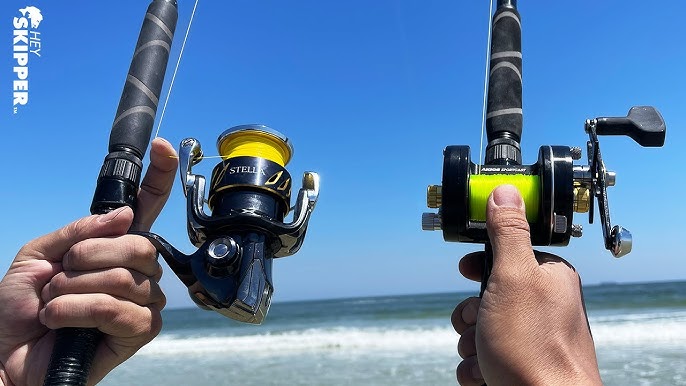
- Upgrade your line: Both reels perform better with quality line. For baitcasters, try fluorocarbon or braided line for less stretch. For conventional reels, high-strength braid allows you to fit more line on the spool.
- Match your rod: Using the wrong rod with your reel reduces performance. Baitcaster rods have small guides and a trigger grip. Conventional rods are heavier with larger guides and no trigger.
- Lubricate regularly: A drop of oil on the gears and bearings after each trip prevents rust and keeps the reel smooth.
- Practice casting: Even experienced anglers practice with a baitcaster to reduce backlashes. Start in an open area and use heavier weights.
- Check drag settings: Before fighting a big fish, set your drag properly. Too tight, and your line could break. Too loose, and you may lose the fish.
Credit: www.youtube.com
How Technology Is Changing Reels
Modern reels have advanced a lot. Some high-end baitcasters have digital braking systems that automatically adjust to reduce backlash. Conventional reels now come with carbon fiber drags and improved gear ratios for smoother operation. There are also hybrid reels that blend features of both types, but these are still less common.
A new angler may not need the latest technology, but it helps to know what is available. Always check manufacturer specs and reviews before buying.
Environmental Factors
Saltwater is tough on reels. Even the best baitcasters can corrode quickly if not rinsed after use. Conventional reels, especially those built for saltwater, are more resistant to corrosion but still need care. If you fish in both fresh and saltwater, look for reels with sealed bearings and corrosion-resistant materials.
Temperature also affects performance. Cold weather can stiffen reel grease, making it harder to cast or retrieve. Store your reels indoors when possible and check them before each trip.
Myths And Misunderstandings
Many anglers believe that baitcasters are only for experts, or that conventional reels are only for the ocean. In reality, both have models for beginners and for different environments. Modern braking systems have made baitcasters easier to use, and some small conventional reels work well in freshwater.
Another myth is that line capacity is all that matters for big fish. In truth, drag quality and gear strength are just as important.
When To Upgrade
As you gain experience, you may find your needs change. For example, you might start with a baitcaster for bass, then move to a conventional reel for offshore trips. Watch for these signs:
- You frequently hook fish that break your line or spool you.
- Your reel feels rough or noisy after big fights.
- You want to try new fishing techniques (like trolling or deep dropping).
Upgrading your reel can open up new fishing opportunities.
Environmental Impact
Both types of reels last a long time if well cared for, reducing waste. However, avoid cheap reels that break easily and end up in the trash. Some brands now use recycled materials or eco-friendly production methods. Check for these if you want to minimize your environmental footprint.
For more details on the history and types of fishing reels, you can visit the Wikipedia page on fishing reels.
Frequently Asked Questions
What Is The Main Difference Between A Baitcaster And A Conventional Reel?
The main difference is in their design and use. Baitcasters are built for casting accuracy and control, while conventional reels are designed for power, line capacity, and fighting big fish. Baitcasters sit on top of the rod, and conventional reels are usually below.
Is A Baitcaster Good For Saltwater Fishing?
Some baitcasters are designed for saltwater use, but they need extra care and cleaning. For big saltwater fish or deep-sea fishing, a conventional reel is usually better because of its strength and resistance to corrosion.
Can A Beginner Use A Baitcaster?
Beginners can use a baitcaster, but there is a learning curve. Expect some line tangles at first. Start with heavier line and practice in open areas. Many new anglers find spinning reels easier to learn before moving to baitcasters.
Which Reel Is Better For Trolling?
Conventional reels are the top choice for trolling because they can hold more line and have stronger drag systems. Baitcasters are not usually built for the long runs and heavy loads of trolling.
How Do I Prevent Backlash With A Baitcaster?
To prevent backlash, set your reel’s brake and tension knobs correctly, use heavier lures, and practice thumb control. Start slow and increase casting distance as you gain confidence. Modern baitcasters with magnetic or centrifugal brakes help reduce backlash.
Fishing is about matching your gear to your style and environment. Whether you choose a baitcaster or a conventional reel, understanding their strengths and limitations will help you enjoy your time on the water and catch more fish.