
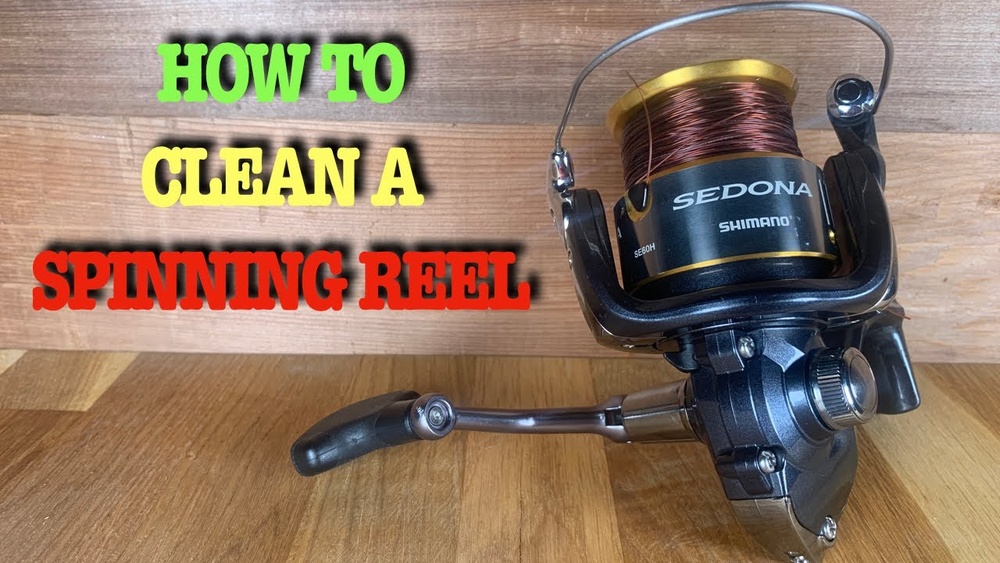
Fishing is more than just casting a line and waiting for a bite. It’s a hobby that connects people to nature, brings relaxation, and sometimes even puts food on the table. But few things are as frustrating as having your fishing reel jam or corrode during a great day on the water. Cleaning your fishing reel isn’t just about keeping it shiny; it’s key for smooth casting, longer gear life, and better performance. Many anglers, especially beginners, underestimate how much regular cleaning can prevent problems that cost time and money.
Knowing how to clean a fishing reel is a practical skill every angler should master. You don’t need fancy tools or advanced skills—just some patience and the right steps. Whether you fish saltwater, freshwater, or from the shore, a clean reel can mean the difference between landing a trophy catch or losing it to a stuck drag or rusty bearings.
In this guide, you’ll discover the complete process, from the tools you need to detailed cleaning instructions, common mistakes, and tips only experienced anglers know. Let’s dive in and make sure your reel is ready for your next adventure.
Why Cleaning Your Fishing Reel Matters
Neglect is the enemy of performance. Over time, sand, salt, dirt, and old grease build up inside your reel. This causes parts to wear down, drag systems to stick, and can even make your reel seize up at the worst moment. A poorly maintained reel is also more likely to corrode, especially in saltwater environments.
A clean reel:
- Casts farther and smoother
- Lasts longer with fewer repairs
- Maintains its value if you ever sell it
- Gives you confidence on the water
Many anglers only notice problems when it’s too late—like a grinding noise during a fight, or a handle that won’t turn. Regular cleaning prevents these surprises and keeps your gear reliable.
Types Of Fishing Reels And Their Cleaning Needs
Not all reels are the same. How you clean a spinning reel is different from a baitcasting or spincast reel. Here’s a quick comparison to help you understand what to expect:
| Reel Type | Cleaning Complexity | Common Problems | Best Cleaning Frequency |
|---|---|---|---|
| Spinning Reel | Moderate | Sand in bail, sticky drag | Every 5-6 trips |
| Baitcasting Reel | Advanced | Gritty bearings, slow spool | Every 3-4 trips |
| Spincast Reel | Easy | Line tangle, sticky push button | Every 6-8 trips |
Saltwater reels need more frequent cleaning, sometimes after every trip, due to the harsh effects of salt. Even a single outing in saltwater can start corrosion if not cleaned promptly.

Credit: kastking.com
Tools And Materials Needed
You don’t need a workshop to clean your reel. Most supplies are cheap and easy to find:
- Soft cloths or rags: For wiping parts and drying
- Small brushes: Old toothbrushes work well
- Toothpicks and cotton swabs: For tight spots
- Screwdrivers: Usually small Phillips or flathead
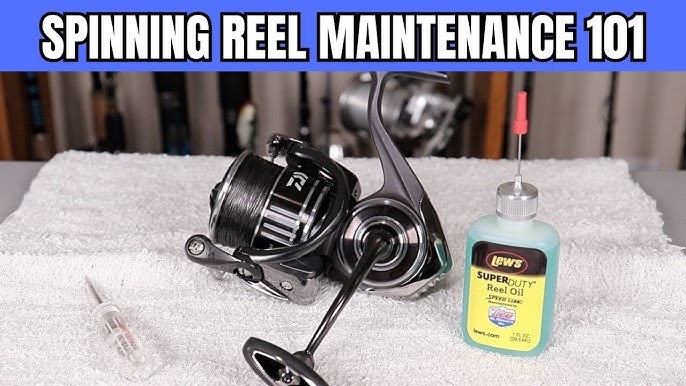
- Reel oil and grease: Specially made for fishing reels
- Mild dish soap: For cleaning dirt and grime
- Bowl or tray: To hold small parts (so you don’t lose them)
- Tweezers: For picking up springs or tiny washers
- Warm water: Not hot, to avoid damaging seals
- Optional: Compressed air for blowing out grit
Many beginners forget to keep a bowl for parts—losing a tiny spring can turn a simple cleaning into a frustrating puzzle.
Preparation Before Cleaning
Before you start, take time to set up your workspace. This prevents mistakes and helps you finish faster.
- Clear a flat surface with good lighting. Lay out a towel to catch small screws.
- Read your reel’s manual if you have it. Some reels have unique designs.
- Take photos with your phone as you take the reel apart. This makes reassembly much easier, especially for first-timers.
- Loosen the drag on your reel. This relieves tension on washers and extends their life.
- Remove the line if it’s dirty or old. If the line is still good, you can leave it on—but cover it with tape or a plastic bag to keep it dry.
A common mistake is rushing the preparation. Missing a step here leads to confusion or lost parts later.
Step-by-step Guide: How To Clean A Fishing Reel
The cleaning process is similar for most reels, but details may vary. Always go slow and never force any part.
1. Disassemble The Reel
- Remove the handle by unscrewing it.
- Take off the spool (for spinning reels, loosen and lift; for baitcasters, press the spool release).
- Set aside the side plate (for baitcasters) or cover (for spincast reels).
- Place screws and small parts in your bowl or tray. Arrange them in the order you removed them.
2. Clean The Exterior
- Wipe down the outside with a damp cloth to remove dirt and grime.
- Use a brush for stubborn spots, especially around the handle and drag knob.
- Pay attention to the reel foot (where it connects to the rod), as this area often collects salt and sand.
3. Wash Internal Parts
- Dip a cloth or brush in warm, soapy water. Gently clean the spool, handle, and inside of the body.
- For sticky grease or old oil, use a cotton swab or toothpick to remove buildup.
- Never soak the whole reel in water—this can push dirt deeper and damage the internal grease.
4. Rinse And Dry
- Rinse each part with a damp, clean cloth.
- Use a dry rag to remove all moisture. Water left inside can cause rust, especially on steel parts.
- Set everything out to air-dry for at least 30 minutes before moving on.
5. Lubricate Moving Parts
- Add a drop or two of reel oil to bearings, gears, and the handle knob.
- Apply a small amount of reel grease to the main gear and worm shaft (baitcasters).
- Don’t over-lubricate—extra oil or grease attracts dirt and can make things worse.
- Use only products made for fishing reels; other oils can break down rubber or plastic parts.
6. Reassemble The Reel
- Follow your photos in reverse order.
- Make sure all screws are snug but not over-tightened.
- Spin the handle and check that everything moves smoothly.
- Test the drag and bail (spinning reels) to confirm all functions work.
7. Final Wipe And Inspection
- Give the assembled reel a final wipe with a soft cloth.
- Inspect for leftover dirt, missed spots, or loose parts.
- Store your reel in a dry place, ideally in a reel bag or with a cover.
Advanced Tips For Deep Cleaning
Sometimes a basic cleaning isn’t enough. Maybe you dropped your reel in sand, or fished a saltwater tournament. Here’s how to handle a deep clean:
- Use compressed air to blow out fine sand or salt from tight spaces.
- Remove the side plate of baitcasting reels to access the main gear and bearings.
- Soak bearings (only if removable) in isopropyl alcohol, then dry and oil before replacing.
- For reels with carbon fiber drag washers, wipe with a dry cloth—never oil or soak these.
- If you notice rust, gently scrub with a brass brush and apply corrosion inhibitor.
A deep clean is best done once or twice a year, or after heavy use in harsh conditions. Don’t attempt full disassembly if you’re unsure—some reels have tiny springs and clips that are easy to lose.
How To Clean A Spinning Reel
Spinning reels are the most popular type for beginners and pros alike. Here’s how to clean them specifically:
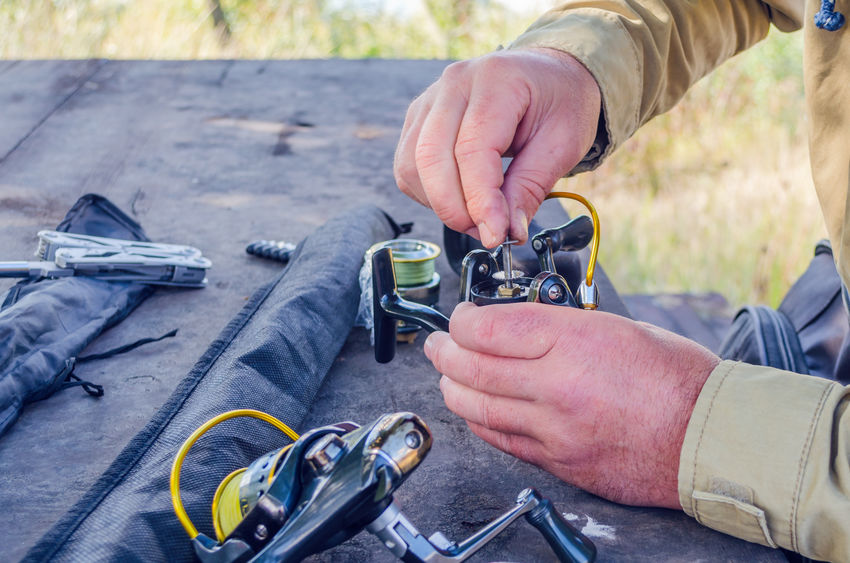
- Remove the spool and handle.
- Pay close attention to the bail arm—this area often gets sand and salt trapped inside.
- Use a brush to clean the line roller—a spot that’s easy to miss, but vital for smooth line retrieval.
- Add a drop of oil to the bail arm joints and line roller after cleaning.
- Make sure the anti-reverse switch is free of grime.
One non-obvious tip: if your spinning reel makes a clicking noise when reeling, check the line roller bearing. It often needs cleaning more than the main gear.
How To Clean A Baitcasting Reel
Baitcasters are more complex but offer great control and power. Cleaning them takes a bit more care:
- Remove the side plate to access the spool and main gear.
- Clean the worm gear thoroughly, as it collects old grease and dirt.
- Oil the spool bearings lightly—too much oil can slow the reel.
- Grease the main gear and clutch bar.
- Wipe down the braking system (magnetic or centrifugal), but never use oil here.
Many anglers forget to check the levelwind system—this is the part that guides the line back and forth. If it gets sticky, your line won’t lay evenly on the spool.
How To Clean A Spincast Reel
Spincast reels are simple and great for kids or beginners. Cleaning is straightforward:
- Remove the nose cone by unscrewing it.
- Pull out the spool and handle.
- Clean the push-button mechanism—dirt here causes jams.
- Wipe the pickup pins and add a drop of oil.
- Reassemble and test the button and drag.
One insight: the line inside spincast reels often traps water and dirt. Change the line regularly, especially if it looks cloudy or feels rough.
How Often Should You Clean Your Reel?
The right cleaning schedule depends on how and where you fish:
- Saltwater fishing: Rinse after every trip, full clean every 2-3 trips.
- Freshwater fishing: Clean every 4-6 trips, or after a muddy day.
- Heavy use or tournaments: Deep clean monthly.
If you hear grinding, feel roughness, or see rust, don’t wait—clean your reel right away. A little maintenance saves you from bigger repairs later.
Credit: www.lawrencebay.com
Common Mistakes To Avoid
Many anglers, even experienced ones, make simple mistakes that can damage a reel:
- Over-lubricating: Too much oil or grease attracts dirt and slows moving parts.
- Using harsh cleaners: Household cleaners can damage seals and plastic.
- Losing small parts: Always use a bowl or tray and work slowly.
- Skipping drag washers: These need gentle cleaning and sometimes a touch of special grease.
- Forgetting the handle knob: Sand or dirt here can make reeling uncomfortable.
- Soaking the entire reel: Water can push dirt inside, especially on sealed reels.
- Not testing before storage: Always spin the reel and check all functions before putting it away.
The most common error: not drying the reel fully after cleaning. Even a little trapped moisture can cause rust.
Caring For Your Reel After Cleaning
A clean reel needs proper storage and handling to stay that way:
- Store reels in a dry, cool place—never in a damp garage or basement.
- Use reel covers or bags to keep dust and insects away.
- Loosen the drag before storing to avoid flattening drag washers.
- If you won’t use the reel for months, remove the line to prevent memory or damage.
Some anglers add a silica gel packet to their reel bag to absorb moisture—an easy trick to prevent rust.
Credit: www.youtube.com
When To Seek Professional Service
Not every problem can be fixed at home. If you notice these issues, visit a tackle shop or service center:
- Grinding noises that don’t go away after cleaning
- Broken bail springs or anti-reverse systems
- Corrosion deep inside the reel body
- Loss of smoothness even after oiling and greasing
Professional service is also wise once a year for high-end reels or if you fish in tough conditions. They can replace worn parts and do a full teardown.
Real-world Example: Saltwater Vs. Freshwater Cleaning
Saltwater is much harsher on reels than freshwater. Here’s how cleaning routines compare:
| Environment | Rinse After Use | Full Clean Frequency | Common Issues |
|---|---|---|---|
| Saltwater | Every trip | Every 2-3 trips | Corrosion, salt buildup |
| Freshwater | Optional | Every 4-6 trips | Mud, algae, sand |
A reel that lasts for years in freshwater might only last a season in saltwater without proper care.
Two Insights Many Anglers Miss
- Drag washers wear out faster if you never loosen the drag after fishing. Always back off the drag before storage.
- Cleaning the line roller and levelwind system prevents most line twist and uneven spooling—two problems that ruin both reels and fishing days.
These small steps take just seconds but prevent big headaches later.
Choosing The Right Reel Oil And Grease
Not all lubricants are created equal. Always choose products made for fishing reels. Automotive grease or WD-40 might seem similar, but they can destroy seals and attract grit. Look for synthetic reel oil and waterproof grease from reputable brands.
A helpful resource for understanding reel maintenance products is this Penn Fishing reel maintenance guide.
Frequently Asked Questions
How Often Should I Clean My Fishing Reel?
For saltwater fishing, rinse after every trip and deep clean every 2-3 trips. For freshwater, clean every 4-6 trips or after especially dirty conditions.
What Kind Of Oil Or Grease Should I Use?
Use only reel-specific oil and grease. Regular household oils can damage your reel’s internal parts. Look for products made for fishing reels for best results.
Is It Okay To Use Wd-40 On My Fishing Reel?
No. WD-40 is not designed for fishing reels and can strip away good grease and harm plastic or rubber. Stick to reel maintenance products.
Can I Clean My Reel Without Taking It Apart?
You can do a quick surface clean by wiping and oiling accessible parts, but for best performance, you should remove the spool and handle at least. Full cleaning is best done with partial disassembly.
What Should I Do If My Reel Gets Submerged In Water?
If your reel falls in water—especially saltwater—rinse it immediately with fresh water, dry thoroughly, and do a full clean as soon as possible. Water inside the reel can cause fast corrosion and damage.
Keeping your fishing reel clean is one of the smartest investments you can make in your gear and your fishing experience. With the right steps, tools, and a little patience, you’ll enjoy smoother casts, fewer breakdowns, and more time on the water chasing your next big catch.