
Choosing the right fishing reel can make or break your experience on the water. Whether you’re an eager beginner or a seasoned angler, understanding the differences between spinning reels and conventional reels is essential. The choice isn’t just about preference—each reel type fits specific fishing styles, targets, and conditions. Some anglers stick with the gear they first learned, but a little knowledge can help you fish smarter and catch more.
Many people find the decision confusing. Both reels have their fans, and both can land big fish. But the wrong reel can lead to tangles, lost fish, or even a ruined trip. By the end of this article, you’ll have a clear idea of which reel suits your needs.
We’ll break down the key differences, strengths, weaknesses, and situations where each reel shines. You’ll find real-life examples, practical tips, and even a few insights that most beginners miss. Let’s dive in and help you make the best choice for your next adventure.
What Is A Spinning Reel?
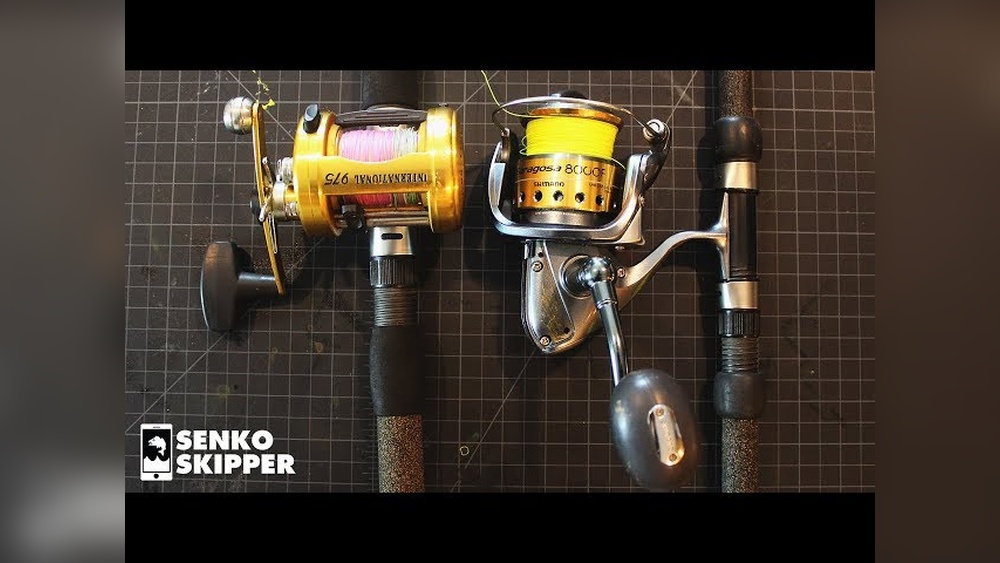
A spinning reel is one of the most common fishing reels worldwide. It sits under the rod, with a fixed spool that does not rotate during casting. Instead, the line peels off smoothly when you flip open the bail and cast. After casting, you close the bail and turn the handle to retrieve the line. Spinning reels are famous for their ease of use and versatility.
Key features:
- Open-faced design with a visible spool
- Bail arm controls line release and retrieval
- Mounted below the rod for balance
- Handle can often switch sides for left or right retrieval
Spinning reels are great for light to medium fishing, casting lighter lures, and targeting a wide range of freshwater and saltwater species. They’re especially good for those who want to avoid the learning curve of other reel types.
What Is A Conventional Reel?
A conventional reel (also called a baitcasting or overhead reel) is a classic choice for serious anglers. It sits on top of the rod and uses a rotating spool. When you cast, the spool turns, releasing line. You control the speed with your thumb or a braking system, which prevents backlash (a nasty tangle known as a bird’s nest).
Key features:
- Closed or partially closed design
- Spool rotates during casting and retrieval
- Mounted above the rod
- Often includes drag and braking adjustments
Conventional reels are built for power and control. They shine in situations where strength, accuracy, and heavy line are needed—like deep-sea fishing, trolling, or battling large fish.

Credit: www.youtube.com
Spinning Reel Vs Conventional Reel: Side-by-side Comparison
Let’s get practical. Here’s how spinning reels and conventional reels stack up on the things that matter most to anglers.
| Feature | Spinning Reel | Conventional Reel |
|---|---|---|
| Mount Position | Below Rod | Above Rod |
| Spool Movement | Fixed | Rotating |
| Ease of Use | Beginner-Friendly | Learning Curve |
| Casting Distance | Good with Light Lures | Excellent with Heavy Lures |
| Backlash Risk | Low | High (if not careful) |
| Line Capacity | Moderate | High |
| Power | Light to Medium Fish | Medium to Heavy Fish |
| Maintenance | Easy | Moderate to Difficult |
Pros And Cons Of Spinning Reels
Spinning reels are everywhere for a reason. But they’re not perfect for every situation. Here’s a closer look at their strengths and weaknesses.
Advantages
- Easy to Learn: Beginners pick up spinning reels quickly. You don’t need special thumb control to prevent line tangles.
- Versatile: They handle a wide range of fishing styles—freshwater, saltwater, lure, or bait.
- Great for Light Tackle: Spinning reels shine with light lures or live bait. You can cast small, lightweight rigs far and accurately.
- Less Backlash: The fixed spool design means the line rarely gets tangled during casting.
- Affordable Options: There’s a spinning reel for every budget, from basic models to high-end gear.
- Quick Line Changes: Swapping out spools or lines is usually fast and simple.
- Left/Right Handed Use: Many spinning reels let you easily switch the handle side.
Disadvantages
- Limited Power: Spinning reels aren’t ideal for very large fish or heavy lines. Their drag systems can be weaker.
- Line Twist: Frequent casting can cause the line to twist, which may lead to problems if not managed.
- Lower Line Capacity: Spinning reels hold less line than conventional reels of the same size.
- Less Accurate with Heavy Lures: For big, heavy lures or baits, spinning reels can lose casting accuracy.
- Bail Issues: The bail arm can wear out or break, especially on cheaper models.
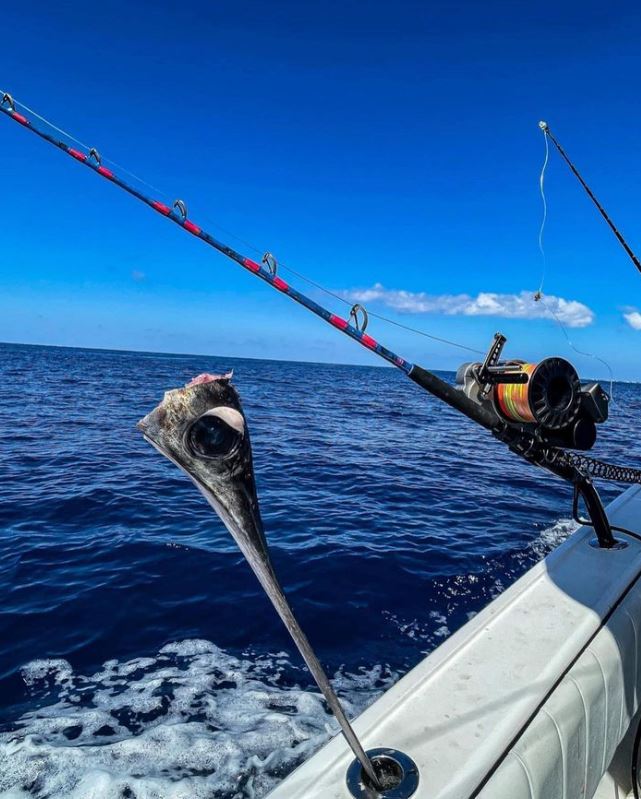
Credit: www.coastalfishing.com
Pros And Cons Of Conventional Reels
Conventional reels are the powerhouse of the fishing world. They’re not as easy to master, but they’re built for serious action.
Advantages
- Strong Drag Systems: Conventional reels can handle big fish and heavy lines with powerful drag.
- High Line Capacity: You can spool a lot more line, which is critical for deep-sea or offshore fishing.
- Casting Heavy Lures: These reels are excellent for throwing heavy lures or baits with precision.
- Durability: Built to last, especially models designed for saltwater and heavy use.
- Better Leverage: The position above the rod offers more control and power during a fight.
- Advanced Control: Features like star drags, lever drags, and braking systems give you fine-tuned control.
- Ideal for Trolling: Perfect for dragging lures behind a moving boat.
Disadvantages
- Steep Learning Curve: Beginners often struggle with backlash and thumb control.
- Higher Backlash Risk: Inexperienced anglers may end up with tangled messes, especially when casting into the wind.
- Heavier and Bulkier: Conventional reels are often larger and heavier than spinning reels.
- Not for Light Lures: They don’t cast small lures or baits as well as spinning reels.
- Maintenance: More parts mean more maintenance and potential for problems.
Best Situations To Use A Spinning Reel
Spinning reels work well in many fishing scenarios. Here are the top places where they outperform conventional reels:
- Light Tackle Fishing: When you need to cast small lures or light bait, spinning reels give you better distance and accuracy.
- Shore and Pier Fishing: Their casting ease makes them ideal for fishing from banks, docks, or piers.
- Freshwater Lakes and Rivers: Perfect for targeting bass, trout, perch, and other small to medium fish.
- Saltwater Inshore Fishing: Great for redfish, snook, or sea trout in shallow waters.
- Fishing in Windy Conditions: The fixed spool design handles wind better, with fewer line problems.
- Live Bait Fishing: Spinning reels are gentle on live bait, helping it stay alive and attractive to fish.
- Travel and Portability: Lightweight and compact, spinning reels are easy to pack for trips.
Best Situations To Use A Conventional Reel
Conventional reels dominate when power and control matter most. Their strengths are clear in these scenarios:
- Deep Sea and Offshore Fishing: Essential for bottom-dwelling species like grouper, snapper, and amberjack.
- Trolling: When dragging lures behind a boat, conventional reels keep control and prevent line twists.
- Targeting Large Game Fish: Tuna, marlin, or large catfish require the muscle and capacity of a conventional reel.
- Heavy Cover: Fishing in thick weeds, rocks, or structure is safer with the extra power and control.
- Surf Casting with Heavy Rigs: Casting big baits beyond the breakers is easier with a strong, high-capacity reel.
- Jigging in Deep Water: Precise line control and quick retrieval make conventional reels ideal.
- Long Fights: The strong drag systems reduce fatigue and help land stubborn fish.
Performance: Casting, Retrieval, And Accuracy
To choose the right reel, you should understand three critical performance areas: casting, retrieval, and accuracy.
Casting
Spinning reels are famous for easy, long casts, especially with light lures. You simply flip open the bail, swing the rod, and the line shoots out smoothly. There’s little risk of backlash, even for beginners.
Conventional reels can cast farther with heavy lures, but only if you master thumb control and braking. For example, surf anglers use conventional reels to reach distant fish, but the learning curve is steep.
Retrieval
Spinning reels offer smooth, steady retrieval with less effort. The line wraps evenly around the spool, making it easy to fight most fish.
Conventional reels provide more power during retrieval. This is important for pulling big fish out of heavy cover or deep water. Some models have a higher gear ratio, letting you bring in line quickly when needed.
Accuracy
Spinning reels are forgiving and accurate with light gear. However, conventional reels give skilled anglers pinpoint accuracy with heavy lures. This is why tournament bass anglers often choose conventional reels for pitching and flipping into tight spots.
Common Mistakes When Choosing A Reel
A lot of anglers make the same mistakes when picking between spinning and conventional reels. Avoid these traps to save time, money, and frustration.
- Choosing Based on Price Alone: The cheapest reel often leads to problems—broken parts, poor performance, or lost fish.
- Ignoring Target Species: A reel that’s perfect for panfish will fail against a 50-pound catfish.
- Not Considering Line Type and Strength: Spinning reels work best with lighter line, while conventional reels handle heavy braid or mono better.
- Overlooking Your Own Experience Level: Don’t buy a conventional reel if you’re not ready for the learning curve.
- Forgetting Maintenance Needs: Some reels need regular cleaning and oiling, especially in saltwater environments.
- Buying Based on Brand Hype: Popular brands aren’t always the right fit for your specific fishing goals.
- Not Testing Before Buying: If possible, handle the reel before purchasing. Comfort and balance matter more than many realize.
Cost And Value: What To Expect
Pricing varies widely. You can find spinning reels from $20 to $300+, and conventional reels from $40 to $500+.
- Entry-level spinning reels: $20–$60. Good for beginners and casual anglers.
- Mid-range spinning reels: $60–$150. Better materials and smoother drag.
- High-end spinning reels: $150–$300+. Best for serious anglers, more durable, corrosion-resistant.
- Entry-level conventional reels: $40–$100. Basic features, good for learning.
- Mid-range conventional reels: $100–$250. Stronger drag, higher capacity, smoother operation.
- High-end conventional reels: $250–$500+. Heavy-duty, advanced features, built for trophy fish.
Don’t overlook value for money. Sometimes, a $70 reel that matches your needs will outperform a $200 model that’s overkill for your fishing style.
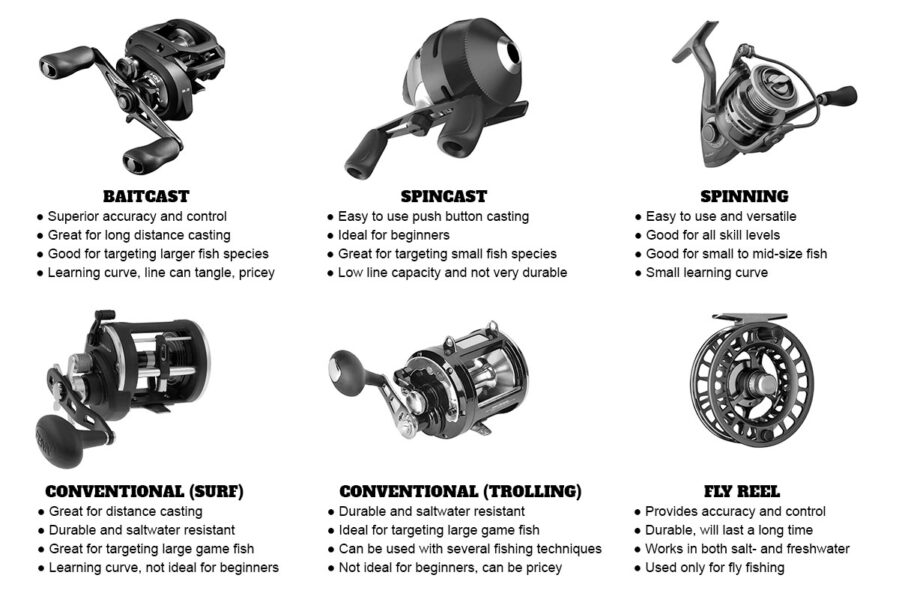
Credit: norrik.com
Durability And Maintenance
Spinning reels are generally easier to clean and maintain. Most have fewer moving parts, and you can rinse them after use, especially if fishing saltwater.
Conventional reels require more attention. Salt, sand, or neglect can cause problems. Regular cleaning, oiling, and sometimes professional servicing keep them in top shape. Some models are sealed and corrosion-resistant, but you still need to check them after every trip.
A tip many beginners miss: always loosen the drag when storing your reel. This simple step extends the life of both spinning and conventional reels by preventing drag washers from sticking or compressing.
Matching Reel To Rod And Line
The best reel is the one that balances with your rod and chosen line.
- Spinning reels work best with spinning rods (with large line guides and a reel seat below the rod).
- Conventional reels require casting rods (with smaller guides and a trigger grip).
Don’t try to mix and match. Using the wrong rod-reel combo throws off your casting, handling, and fighting power.
Also, match your line weight to the reel’s rating. Spinning reels handle lighter line (6–20 lb test) better, while conventional reels excel with heavier line (20–80 lb test or more).
Real-world Examples
Let’s say you’re fishing for bass in a small lake with light lures. A 2500-size spinning reel spooled with 8–12 lb mono is perfect. You’ll cast smoothly, avoid tangles, and enjoy the fight.
But if you’re heading offshore, chasing yellowfin tuna or grouper, you’ll want a heavy-duty conventional reel loaded with 50 lb braid. The extra power and capacity make the difference between landing a trophy or losing it.
Myths And Misconceptions
Some anglers believe spinning reels are only for beginners. Not true—plenty of pros use them for finesse techniques and lighter presentations.
Another myth: conventional reels are always harder to use. While they need skill at first, practice makes them manageable, even for young anglers.
And the idea that one reel does it all? Most serious fishermen own both types and switch depending on the situation.
Not-so-obvious Insights
- Spool Size Affects Casting: On spinning reels, a larger spool lets line flow off more smoothly, improving distance and reducing twist. Don’t always pick the smallest model.
- Line Lay Matters: Conventional reels need careful line laying during retrieval to avoid uneven spooling, which can lead to backlash or poor drag performance.
- Gear Ratio Isn’t Everything: High gear ratios retrieve line faster, but lower ratios give more power for fighting big fish. Match the ratio to your target species and fishing style.
Environmental And Ethical Considerations
Both reel types have environmental impacts. Cheaper reels often use low-quality materials that wear out and add to landfill waste. Investing in a quality, long-lasting reel is better for the environment.
Also, ethical anglers avoid fighting fish to exhaustion (especially with light gear), as this increases post-release mortality. Always match your gear to the fish’s size and strength for responsible catch-and-release.
Top Tips For Reel Longevity
- Rinse After Every Trip: Salt and sand are reel killers. Rinse with fresh water, then dry before storing.
- Regular Lubrication: Oil the bearings and moving parts as recommended by the manufacturer.
- Check for Wear: Replace worn line, bail springs, or drag washers before they fail.
- Store Properly: Keep reels in a dry, cool place, with the drag loosened.
How To Decide: Spinning Reel Or Conventional Reel?
Ask yourself these questions:
- Are you casting light lures or bait? Go with a spinning reel.
- Are you trolling or deep dropping for monsters? Choose a conventional reel.
- Are you a beginner? Spinning reels are less frustrating.
- Do you want raw power and control? Conventional reels win.
- Will you fish in saltwater? Make sure your reel is corrosion-resistant, regardless of type.
When in doubt, start with a spinning reel. As your skills and needs grow, you can add a conventional reel to your arsenal.
Frequently Asked Questions
What Is The Main Difference Between A Spinning Reel And A Conventional Reel?
The main difference is in the design and function. Spinning reels have a fixed spool and sit below the rod, making them easy for beginners and versatile for light fishing. Conventional reels have a rotating spool above the rod, offering more power and line capacity, but require more skill to use without tangling.
Can I Use The Same Rod For Both Reel Types?
No. Spinning reels are designed for spinning rods, and conventional reels fit casting or trolling rods. The guides, reel seats, and overall balance are different. Mixing the two can cause casting problems and even break your rod.
Which Reel Is Better For Saltwater Fishing?
Both can work, but conventional reels are preferred for deep-sea or big game fishing due to their strength and line capacity. For inshore or light saltwater fishing, a corrosion-resistant spinning reel is often easier and more versatile.
How Do I Avoid Line Twist With A Spinning Reel?
Use high-quality line, avoid overfilling the spool, and close the bail by hand after casting. Also, let your lure spin freely in the water occasionally to let the twists unwind. For more details, see the advice from Take Me Fishing.
Are Conventional Reels Only For Experts?
Not at all. While they take practice, many beginners learn conventional reels with patience and the right gear. Start with a model that has good brakes and try short casts until you build confidence.
Spinning and conventional reels both have their place in the angler’s toolbox. Knowing their strengths, weaknesses, and best uses empowers you to fish smarter and enjoy every trip. The right reel helps you focus on what matters—catching fish and making memories.
Happy fishing!