
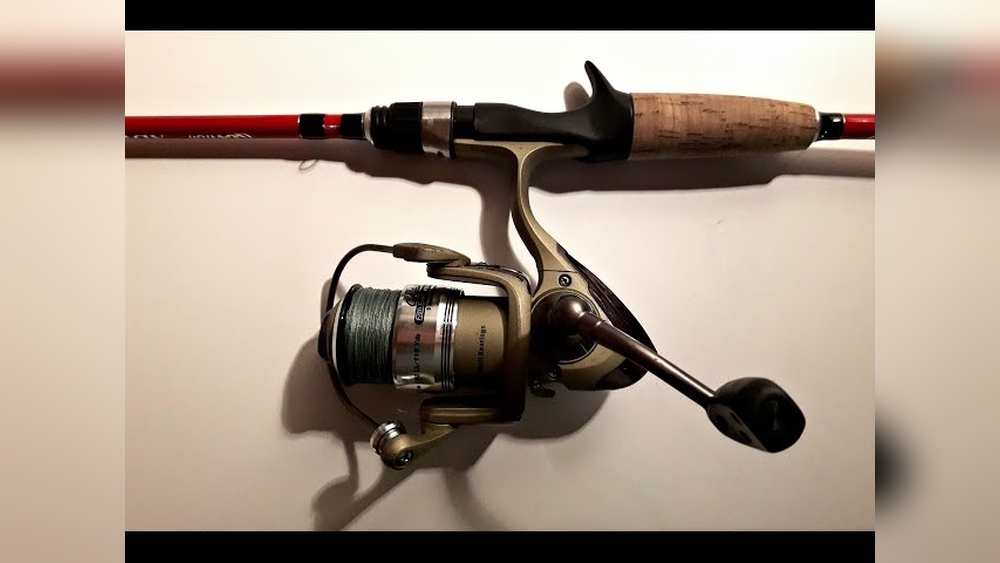
Standing at the edge of a quiet lake, you pick up your fishing rod. But something feels off. You look down and notice you have a spinning reel attached to a casting rod. Maybe you’re out of gear, or maybe you’re just curious—can you actually use a spinning reel on a casting rod? This is a question many new and even experienced anglers ask. Mixing fishing gear isn’t as simple as it seems. The answer involves understanding how each part of your equipment works, the risks, and whether this mix-and-match approach will affect your day out on the water.
In this article, you’ll learn everything you need to know about using a spinning reel on a casting rod. We’ll break down the differences between the gear, what happens when you combine them, the pros and cons, and what you should consider before making this choice.
You’ll also discover tips, real examples, and expert advice so you can make the best decision for your fishing needs.
Understanding Spinning Reels And Casting Rods
Before you try mixing fishing gear, it’s important to know what makes spinning reels and casting rods unique. Each has a design and purpose that affects how they work together—or don’t.
What Is A Spinning Reel?
A spinning reel hangs under the rod. You hold the rod above the reel, and the line comes off the spool in loops. This design makes it easy for beginners and experienced anglers alike. Spinning reels are especially good for:
- Casting light lures and baits
- Longer casts with less effort
- Avoiding backlash (knots or tangles on the spool)
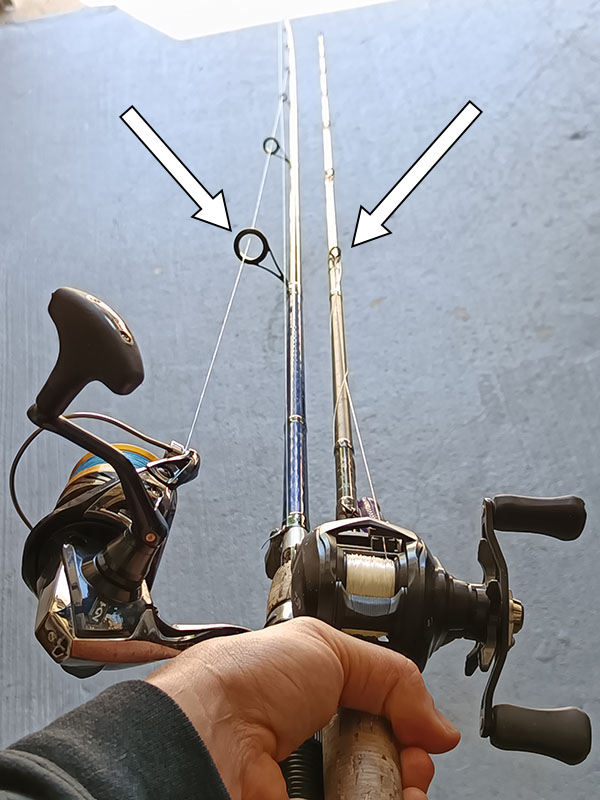
The line guides (the rings on the rod) are large near the handle to control the wide loops of line as they come off the reel. This setup helps prevent tangles and increases casting distance.
What Is A Casting Rod?
A casting rod is made for use with a baitcasting or spincasting reel. The reel sits on top of the rod, and the line comes off in a straight path. Casting rods have:
- Smaller line guides
- A “trigger” grip for better control
- Stronger backbone for fighting big fish
The smaller guides are closer to the rod, designed for the way line comes off a baitcasting reel.
Key Differences Between Spinning And Casting Setups
Let’s make the differences clear:
| Feature | Spinning Setup | Casting Setup |
|---|---|---|
| Reel Position | Below the rod | Above the rod |
| Line Guides | Large near handle, get smaller | Small, close to rod |
| Best For | Light lines, finesse | Heavy lures, big fish |
| Backlash Risk | Low | High (needs skill) |
| Common Use | General, beginners | Experienced anglers |
These differences show why spinning reels and casting rods are usually paired with their matching equipment.
Why Would Someone Use A Spinning Reel On A Casting Rod?
It might seem odd, but there are reasons people try this setup. Sometimes, you may not have the right rod or reel, or you want to test something new. Here are common reasons:
- Limited gear: Maybe you broke your spinning rod or left it at home.
- Experimenting: Some anglers want to see if they can improve their casting distance or accuracy.
- Budget constraints: You may not want to buy new gear just for a short trip.
- Lack of knowledge: Beginners sometimes don’t realize the difference until they’ve paired the gear.
This mix is not common for serious fishing, but many people try it at least once.

Credit: www.reddit.com
What Happens When You Combine A Spinning Reel With A Casting Rod?
Putting a spinning reel on a casting rod creates a mismatch. This can cause several problems and change how your fishing feels.
How The Reel Mounts
A spinning reel is made to hang under the rod. Casting rods have a seat for a reel on top. If you attach a spinning reel to a casting rod:
- The reel hangs below the rod, but the rod’s design expects weight on top.
- The grip and trigger might feel strange in your hand.
Line Flow And Guides
Casting rods have small guides. A spinning reel sends out wide loops of line. On a casting rod, the small guides can:
- Slow down the line and reduce casting distance
- Cause line slap (the line hits the rod), which wastes energy
- Lead to tangles, especially with light line
Rod Action And Balance
A rod’s action describes how it bends. Spinning rods bend differently from casting rods. Using the wrong reel can:
- Change the balance, making the rod feel tip-heavy or awkward
- Reduce sensitivity, so you miss light bites
- Make it harder to fight a fish, since the rod may not flex as designed
Real-world Example
Imagine using a spinning reel on a medium-heavy casting rod. Your first few casts go only half as far as usual. The line slaps the rod, and your arm gets tired quickly. It’s not impossible, but it doesn’t feel smooth or efficient.
Pros And Cons Of Using A Spinning Reel On A Casting Rod
Mixing gear comes with trade-offs. Here’s what you can expect:
Pros
- Saves money: No need to buy new rods if you already have a spinning reel.
- Flexibility: If you break a rod, you can keep fishing.
- Fun to experiment: Some anglers enjoy testing their gear’s limits.
Cons
- Reduced casting distance: Small guides slow your line.
- More tangles: The line can catch or slap against the rod.
- Awkward feel: The grip and trigger aren’t designed for spinning reels.
- Less control: Your accuracy and sensitivity may suffer.
- Possible rod damage: Over time, mismatched gear can wear out the guides or weaken the rod.
In most cases, the disadvantages outweigh the benefits—especially for serious fishing.

Credit: streetphotographersfoundation.com
Can You Actually Fish This Way?
Yes, you can use a spinning reel on a casting rod. The setup is not dangerous, and it won’t break immediately. You might even catch fish. But you will likely notice several problems:
- Your casts are shorter and less accurate.
- The rod feels unbalanced.
- Light bites are harder to detect.
For beginners, this can make fishing less enjoyable and more frustrating. For experienced anglers, it feels like using the wrong tool for the job.
When Might This Setup Work?
There are a few situations where this mix could be acceptable:
- Casual fishing: If you’re just having fun and not worried about performance.
- Emergency backup: If your main rod breaks, and you still want to fish.
- Heavier lures: With heavier line and lures, the problems are less noticeable.
- Kids or first-timers: For practice, it can help teach the basics of casting.
Still, you won’t get the best results. For regular fishing, it’s better to use gear the way it was designed.
Key Factors To Consider Before Trying This
If you’re thinking about using a spinning reel on a casting rod, consider these points:
1. Rod Power And Action
Heavy casting rods are less affected by line slap, but light or medium rods show more problems. If you must try this, use a rod with:
- Medium or heavy power
- Fast action (bends near the tip)
This helps reduce balance issues and keeps the rod from bending too much.
2. Line Weight And Type
Use heavier line (10 lb and up) to reduce tangles. Thicker line moves through small guides more easily than thin line. Braided line can help, but it’s more visible to fish in clear water.
3. Reel Size
A small spinning reel fits better on a casting rod. Large reels may be too heavy or awkward, and their wide line loops make the problem worse.
4. Grip And Comfort
Casting rods have a trigger grip. With a spinning reel, your hand may not fit comfortably. Hold the rod in your hand before heading out to see how it feels.
5. Target Fish
If you’re going after small panfish or trout, mismatched gear can make it harder to feel bites. For larger fish, the rod’s extra backbone can help, but only if the reel can handle the load.
Common Mistakes When Mixing Spinning Reels And Casting Rods
Many anglers make avoidable errors when trying this setup. Watch out for these pitfalls:
- Forcing the fit: Tightening a spinning reel too much on a casting seat can damage both parts.
- Using light line: Thin line is more likely to tangle in small guides.
- Ignoring balance: If the rod feels tip-heavy, casting and control suffer.
- Not checking the guides: Small guides can crack or chip from repeated line slap.
- Fishing in tough conditions: Windy days or long casts make the problems much worse.
How To Set Up A Spinning Reel On A Casting Rod (if You Must)
If you have no choice but to use this combination, here’s how to do it as smoothly as possible:
Step 1: Mount The Reel
- Place the spinning reel under the rod, even though the seat is designed for the top.
- Tighten the reel seat gently. Do not over-tighten, as this can damage the seat or reel foot.
Step 2: Spool The Line
- Use a heavier, stiffer line to help it pass through the small guides.
- Fill the spool to about 1/8 inch below the lip.
Step 3: Thread The Line
- Start at the largest guide, closest to the reel.
- Thread the line through each guide, making sure the line passes cleanly and does not rub against the frame.
Step 4: Adjust Your Grip
- Hold the rod as you would a spinning rod, with your fingers around the grip.
- The trigger grip may feel odd; try different hand positions for comfort.
Step 5: Test Cast
- Make a few short casts to check for tangles or line slap.
- If you notice problems, try a heavier lure or adjust your casting style.
Step 6: Fish Carefully
- Pay attention to the rod’s action and sensitivity.
- Stop if you feel unusual stress or hear cracking sounds—this means the rod or guides are under strain.
How Does This Setup Compare To Proper Gear?
Let’s look at a direct comparison between the two setups for common fishing tasks:
| Task | Spinning Reel + Spinning Rod | Spinning Reel + Casting Rod |
|---|---|---|
| Long Casting | Easy, smooth, long distance | Shorter, less smooth |
| Sensitivity | High (easy to feel bites) | Lower sensitivity |
| Fighting Fish | Balanced and strong | Unbalanced, can be awkward |
| Comfort | Natural grip | Uncomfortable grip |
| Line Management | Few tangles | More tangles |
This table shows why most anglers prefer matched gear.
Insights Beginners Often Miss
Most new anglers think all rods and reels are interchangeable. In reality, rod and reel design is specific. Here are two insights that often surprise beginners:
- Guide Size Matters More Than You Think: The size and shape of rod guides are matched to how line comes off the reel. Small guides on casting rods are not just about weight—they control line flow. When you use a spinning reel, wide loops jam against these guides, causing friction and lost energy.
- Rod Flex and Load: Spinning and casting rods flex in different ways under pressure. If you use a spinning reel on a casting rod, the load is not distributed as designed. This can lead to micro-cracks in the blank, which may not show up until the rod breaks under stress. That’s why rods sometimes “snap for no reason”—the wrong setup can be the cause.
What Do Experienced Anglers Say?
Most fishing guides and pros advise against mixing spinning reels and casting rods. They agree that:
- Matched gear increases your chances of success.
- Using mismatched gear is fine in emergencies, but not for regular fishing.
- New anglers learn faster with the right equipment.
On forums and fishing groups, some share stories of catching fish with mismatched gear—but all agree the experience is less fun and more work.
Alternatives If You Don’t Have The Right Gear
If you find yourself without the right rod or reel, consider these options:
- Borrow gear: Most anglers are happy to lend a rod if you ask.
- Buy a combo: Many stores sell affordable rod-and-reel combos designed to work together.
- Rent equipment: At popular fishing spots, you can rent matched rods and reels.
- Try spincasting: Spincast reels are easy to use and fit on casting rods, offering a middle ground.
Is It Ever Recommended?
Using a spinning reel on a casting rod is not recommended for regular fishing. The only times it makes sense are:
- As a temporary solution
- For casual, fun fishing where performance does not matter
- When you want to experiment and learn
For serious fishing, matched gear always works better.
Credit: www.lafishblog.com
How To Choose The Right Rod And Reel Combo
If you’re buying new gear, here are the most important factors to consider:
- Type of Fishing: Light spinning combos are best for small fish; heavy casting combos work for large species.
- Rod Power and Action: Match to your target fish and preferred lures.
- Line and Lure Weight: Check the rod’s rating for best results.
- Comfort and Fit: Test the grip and balance before you buy.
Never buy gear just because it looks cool or is on sale. The right combo will make your fishing much more enjoyable.
For more on fishing equipment basics, you can visit the Wikipedia page on fishing rods.
Frequently Asked Questions
Can You Put Any Reel On Any Rod?
No, not all reels fit all rods. Rods and reels are designed to work together. Spinning reels fit best on spinning rods, and casting reels fit best on casting rods. Using mismatched gear can cause problems with casting, balance, and comfort.
Will Using A Spinning Reel On A Casting Rod Damage My Rod?
Over time, yes. The wrong setup can put stress on the rod’s guides and blank. This increases the risk of cracks or breaks, especially if you use heavy lures or fight big fish.
Is It Easier To Cast With A Spinning Reel Or A Casting Reel?
For beginners, spinning reels are easier to cast. They have fewer tangles and require less skill. Casting reels offer more control and power, but they take more practice to master.
Can I Use A Casting Reel On A Spinning Rod?
This is also not recommended. Spinning rods have large guides for wide line loops, but casting reels release line in a straight path. This mismatch can lead to poor performance and possible rod damage.
What Should I Do If I Only Have A Spinning Reel And A Casting Rod?
You can use them together in an emergency or for practice. For best results, use heavier line and lures, and fish in calm conditions. But for regular fishing, try to use matched gear for better performance.
Final Thoughts
Mixing a spinning reel with a casting rod is possible, but it’s far from ideal. The design differences in rods and reels are not just for show—they affect every part of your fishing, from casting distance to comfort and control.
If you must use this combination, understand the downsides and adjust your expectations. For the best fishing experience, matched gear is always the right choice. But if you’re in a pinch, now you know how to make it work without ruining your trip.
Happy fishing!