
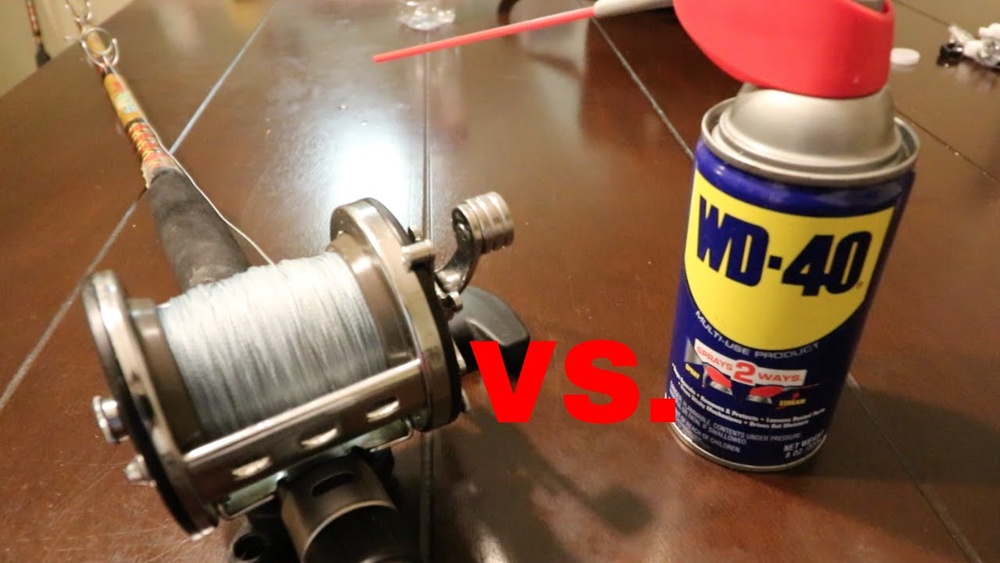
Can You Use Wd-40 On Fishing Reels?
Fishing reels are precision tools that require regular care to keep working smoothly. Many anglers have a can of WD-40 in their garage or tackle box, but is this popular spray actually good for your fishing gear? The debate is surprisingly strong, with some swearing by it and others warning against its use. If you want to protect your investment and enjoy hassle-free fishing trips, it’s essential to understand what WD-40 does, how it interacts with fishing reels, and what alternatives exist. This article will take a close look at whether you should use WD-40 on fishing reels, explore 40 key considerations, and give you expert advice to make the best choice for your gear.
What Is Wd-40 And How Does It Work?
WD-40 is a multi-purpose spray known for its ability to loosen stuck parts, stop squeaks, and prevent rust. The name stands for “Water Displacement, 40th formula.” It was first developed in 1953 to protect missiles from rust and corrosion. Today, it’s found in homes, workshops, and garages worldwide.
The main ingredients in WD-40 are:
- Mineral oil (for lubrication)
- Aliphatic hydrocarbons (as a solvent)
- Carbon dioxide (as a propellant)
It works by displacing moisture and creating a thin film over surfaces. While this can help in some cases, fishing reels have unique needs that may not match what WD-40 offers.
40 Key Things To Know About Using Wd-40 On Fishing Reels
To fully understand whether WD-40 is suitable for fishing reels, you need to consider many different factors. Here are 40 important points, each explained in detail, so you can make an informed decision.
1. Wd-40 Is Not A Dedicated Reel Lubricant
Fishing reels need specialized lubrication to perform well. WD-40 was not designed for fishing reels, and its lubrication properties are less effective compared to products made for reels.
2. It’s Primarily A Water Displacer
WD-40’s main job is to remove moisture. While this can help prevent rust, it doesn’t provide the long-term lubrication that fishing reels need to stay smooth.
3. Can Remove Old Grease And Dirt
The solvent in WD-40 can help clean off old grease, dirt, and grime. This can be useful when doing a full reel breakdown and cleaning before applying proper lubricants.
4. May Attract Dirt Over Time
The film left by WD-40 can collect dust and dirt. This buildup can make your reel feel gritty and may even cause wear over time.
5. Limited Longevity As A Lubricant
WD-40’s thin oil layer evaporates quickly and doesn’t last long. You’ll need to reapply often, which is not ideal for fishing reels.
6. Not Designed For High-pressure Parts
Fishing reels have gears and bearings that experience high pressure. WD-40 can’t handle the stress and may lead to increased friction or even damage if used as the main lubricant.
7. Can Damage Plastic Components
Some reels have plastic or rubber parts. The chemicals in WD-40 can make plastic brittle or cause it to break down over time.
8. May Affect Fishing Line
If WD-40 gets on your fishing line, especially monofilament, it can weaken it or change its properties. This can increase the chance of line breaks when fighting fish.
9. Not Saltwater Resistant
WD-40 offers some corrosion protection, but it’s not designed for the harsh saltwater environment. Salt can still get into your reel and cause problems.
10. Can Remove Essential Lubricants
If you spray WD-40 inside your reel, it may wash away the special grease and oil that manufacturers use. This leaves your reel unprotected.
11. May Void Reel Warranties
Many reel makers warn against using WD-40 and may void your warranty if they find it was used. Always check your reel’s manual before applying any product.
12. Easy To Overapply
WD-40 comes out as a spray, making it easy to apply too much. Excess product can seep into places you don’t want, making cleaning more difficult.
13. Can Mask Underlying Problems
Using WD-40 can make a sticky reel feel better for a short time. But this masks the real problem—like worn gears or bearings—without fixing it.
14. Creates A Temporary Fix
WD-40’s effects are short-lived. For lasting reel performance, you’ll need to use products designed for fishing equipment.
15. Not Biodegradable
WD-40 does not break down easily in the environment. If you fish near water, you should avoid using products that could harm aquatic life.
16. Risk Of Smell Transfer
Some anglers claim the smell of WD-40 can repel fish or transfer to bait. While scientific evidence is limited, the risk is not worth taking.
17. Can Cause Staining
WD-40 can leave stains on clothing, bags, or soft parts of your tackle box if not handled carefully.
18. May Affect Paint And Finishes
If sprayed on painted or anodized parts, WD-40 can sometimes dull or discolor the finish.
19. Not A Substitute For Grease
Reel gears need thick grease for smooth operation. WD-40 is much too thin and washes away easily, leaving gears exposed.
20. Can Be Used As A Cleaner (with Caution)
If you want to strip down a reel for maintenance, WD-40 can help remove old oil and dirt. Just be sure to follow up with proper reel-specific lubricants.
21. Not Safe For All Bearings
Some fishing reels use sealed or shielded bearings. WD-40 can wash out the protective grease inside, shortening their life.
22. Can Cause Squeaking
After the thin WD-40 layer evaporates, your reel may start squeaking or feel rough due to lack of real lubrication.
23. Not Effective Against Heavy Corrosion
If your reel has heavy rust, WD-40 alone won’t fix it. You’ll need specialized rust removers or possibly replacement parts.
24. May Interfere With Drag Systems
The drag on a reel is sensitive and needs special grease. WD-40 can contaminate drag washers, making them slip or grab unpredictably.
25. Not Ideal For Internal Parts
While you can use WD-40 outside to clean, it’s not recommended for inside the reel where precision parts work together.
26. Can Leave Residue
WD-40’s residue can build up over time, causing sticky spots or attracting more dirt.
27. Causes Extra Cleaning Steps
If you use WD-40, you’ll need to clean it off completely before applying proper reel oils and greases.
28. May Affect O-rings And Seals
Rubber O-rings and seals are used to keep water out. WD-40 can dry out or damage these soft parts, leading to leaks.
29. Not A Reel Oil Replacement
Reel oil is specially designed for lightweight, fast-moving parts. WD-40 is not a true substitute and can leave your reel feeling sluggish.
30. Can Deteriorate Foam Grips
If you have foam or EVA grips, WD-40 can cause them to break down, losing their texture and grip.
31. May Interact With Other Chemicals
If you use other cleaning products, WD-40 can sometimes react with them, creating sticky or cloudy deposits.
32. Not Suitable For All Reel Types
While some older metal reels might tolerate WD-40, modern reels with advanced materials and coatings can suffer damage.
33. Can Spread To Other Tackle
If you store your reels with other gear, WD-40 can transfer and affect hooks, lures, or even soft plastics.
34. Flammable Properties
WD-40 is highly flammable, so never use it near open flames, campfires, or while smoking.
35. May Cause Slipping
If WD-40 gets on your hands or reel handles, it can make them slippery and hard to grip, especially in wet conditions.
36. Not Recommended By Experts
Most professional reel technicians and tackle shops advise against using WD-40 for lubrication or protection of reels.
37. Possible Allergic Reactions
Some people experience skin irritation or allergic reactions when handling WD-40. Always use gloves and wash hands after use.
38. Can Affect Reel Performance
Over time, repeated use of WD-40 can make your reel feel rougher, reduce casting distance, or cause uneven drag.
39. Needs Proper Disposal
WD-40 is a chemical product. Dispose of used rags and empty cans responsibly, following local guidelines.
40. Superior Alternatives Exist
There are many reel-specific oils and greases designed just for fishing equipment. Using the right product will give you better results, longer reel life, and fewer problems.
Comparing Wd-40 To Reel-specific Products
To see the differences clearly, here’s a look at how WD-40 stacks up against products made for fishing reels:
| Feature | WD-40 | Reel Oil/Grease |
|---|---|---|
| Main Purpose | Water displacement, light lubrication | Long-lasting lubrication, rust prevention |
| Longevity | Short-term | Long-term |
| Compatibility | Can damage plastics, rubber | Safe for all reel materials |
| Residue | Leaves sticky film | Clean, non-sticky |
| Recommended Use | Emergency cleaner | Regular maintenance |
| Warranty Impact | May void warranty | Approved by manufacturers |
When Wd-40 Might Be Acceptable
Despite the risks, there are a few rare cases when WD-40 can be helpful for fishing reels:
- Emergency cleaning: If your reel is stuck and you have nothing else, a small amount of WD-40 can help free it up. Always clean and re-lubricate with proper products after.
- Removing old grease: When you want to do a complete overhaul, WD-40 can dissolve old, hard grease before you apply new reel grease and oil.
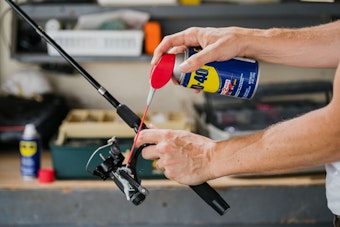
- Preventing rust on external metal parts: A light spray on the reel’s exterior can offer short-term rust protection, but avoid spraying near the line or drag.
Credit: www.wd40.com
The Best Way To Care For Your Fishing Reel
Instead of reaching for WD-40, here’s how to keep your reels in top shape:
- Rinse after every use: Especially after saltwater fishing, gently rinse your reel with fresh water.
- Dry completely: Use a soft cloth to remove water. Avoid forced air or heat.
- Clean regularly: Remove dirt, sand, and old grease with a reel-safe cleaner.
- Lubricate with reel oil and grease: Apply oil to bearings and shafts, and grease to gears.
- Inspect for damage: Check for corrosion, broken parts, or worn-out drag washers.
Popular Reel Lubricants Compared
Here’s a side-by-side comparison of some well-known reel lubricants and WD-40 for easy reference.
| Product | Lubrication Quality | Protection Against Saltwater | Safe for Plastics/Rubber | Typical Use |
|---|---|---|---|---|
| WD-40 | Low | Moderate | No | Cleaning, emergency |
| Penn Reel Oil | High | High | Yes | Bearings, shafts |
| Shimano Bantam Oil | High | High | Yes | Precision parts |
| Abu Garcia Reel Grease | Very High | High | Yes | Gears, drag systems |
Common Myths About Wd-40 And Fishing Reels
Many anglers repeat certain myths about WD-40. Here’s the truth behind some of the most common ones:
- “WD-40 is a great lubricant for reels.” In reality, it’s too thin and doesn’t last.
- “WD-40 prevents all rust.” It helps, but not as well as dedicated anti-corrosion products.
- “WD-40 makes your reel smoother.” Only for a short time; it washes out proper lubricants.
- “All old-timers use it, so it must be good.” Reels have changed; modern materials need modern care.
Risks And Hidden Problems Beginners Miss
Many beginners overlook two key dangers when using WD-40:
- Invisible damage to internal parts: The product can slowly break down plastics and rubber seals inside the reel, causing leaks and failures that aren’t obvious at first.
- Contamination of drag washers: If WD-40 gets onto drag washers, your reel may lose its stopping power, causing you to lose fish during a fight.
These issues might not show up immediately but can shorten your reel’s lifespan and hurt performance.

Credit: www.youtube.com
Practical Tips For Reel Maintenance
- Use the right tools: A small screwdriver set, soft brushes, and lint-free cloths will help you clean without damage.
- Apply lubricants sparingly: Too much oil or grease can attract dirt.
- Store reels properly: Keep them in a dry, cool place. Use reel bags or covers if possible.
- Schedule deep cleaning: Do a full breakdown once or twice per year, depending on use.
What To Do If You’ve Used Wd-40 Already
If you’ve already sprayed WD-40 on your reel, don’t panic. Here’s what to do:
- Disassemble the reel (if comfortable) or take it to a professional.
- Wipe away all WD-40 residue with a clean cloth.
- Use a reel-safe cleaner to remove any remaining product.
- Re-lubricate with proper oil and grease.
- Monitor for issues like squeaking, sticky drag, or roughness.
Expert Recommendations
Most experts agree: reserve WD-40 for emergencies or as a last resort cleaner, not as a regular lubricant. For the best performance, always use products made for fishing reels. This simple habit will keep your gear running smoothly and help you catch more fish.
For a detailed guide on fishing reel care, you can visit the PENN Reel Maintenance Guide.
Frequently Asked Questions
Is Wd-40 Safe For All Types Of Fishing Reels?
No, WD-40 is not safe for all fishing reels. It can damage plastic, rubber, and some modern coatings found in many reels. It’s best to stick with products made for your specific reel type.
Can Wd-40 Be Used To Clean Fishing Reels?
You can use WD-40 as a cleaner to remove stubborn dirt or old grease, but always follow up with a proper reel oil or grease. Do not use it as the main lubricant.
Will Wd-40 Help If My Reel Is Stuck?
In an emergency, WD-40 can help loosen a stuck part. However, clean off all residue and apply real reel lubricants as soon as possible to prevent damage.
Can Wd-40 Damage Fishing Line?
Yes, especially monofilament lines can be weakened by chemicals in WD-40. Avoid spraying near your spool or line to keep it strong and safe.
What’s The Best Alternative To Wd-40 For Reel Maintenance?
The best alternatives are reel-specific oils and greases made by trusted brands like Penn, Shimano, or Abu Garcia. These are designed to work safely and effectively with all reel components.
Taking good care of your fishing reel will save you money, improve your fishing experience, and help you land more fish. WD-40 is useful for many things, but your fishing reel is not one of them. Use the right products, and your gear will last for years.

Credit: wd40.co.uk