
Absolutely! Here’s a thoroughly expanded, publication-ready article comparing 3000 vs 4000 fishing reels, following your instructions to grow each section while preserving the structure and adding clarity, examples, and practical insights for real readers.
—
3000 Vs 4000 Reel: Which Size Should You Choose?
Choosing the right fishing reel can be confusing, especially when you see different numbers like 3000 and 4000. These numbers might seem small, but they have a big impact on your fishing experience. If you are new to fishing, or even if you have some experience, you might wonder: What’s the difference between a 3000 and a 4000 reel? Which one is better for you? Making the right choice can help you catch more fish, enjoy your time on the water, and avoid problems like tangled lines or tired arms. Let’s explore everything you need to know about 3000 vs 4000 reels so you can fish with confidence.
What Do The Numbers Mean?
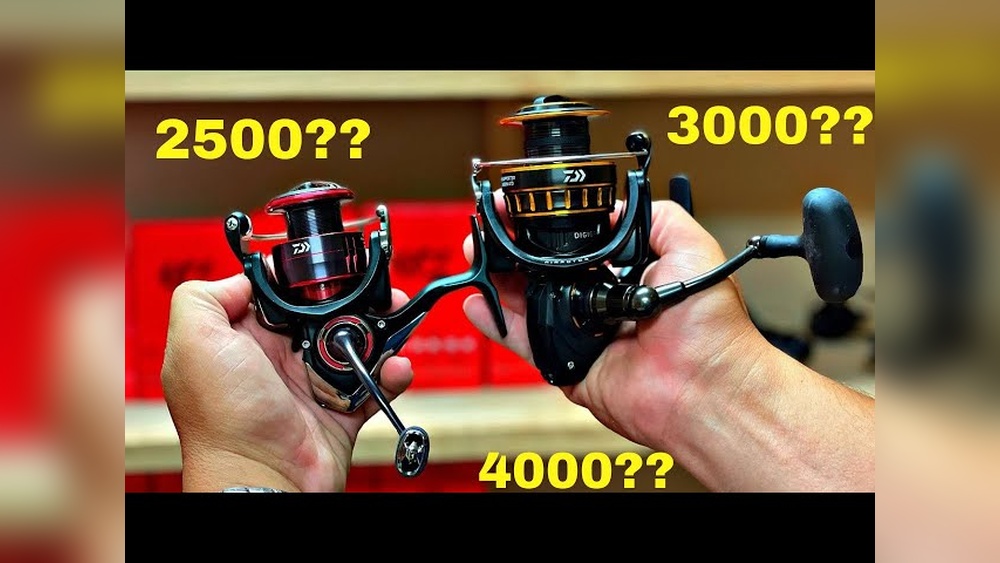
The numbers like 3000 and 4000 on a spinning reel are not just random. They show the size of the reel body and spool. This size affects how much fishing line you can use, how strong the reel is, and even what kind of fish you can catch.
In simple words, the higher the number, the bigger the reel. For example, a 4000 reel is a bit larger and stronger than a 3000 reel.
Let’s break down what these numbers mean in practice:
- Spool Size: A 4000 reel can hold more fishing line than a 3000 reel. This is important if you are fishing in deep water or for bigger, stronger fish that pull a lot of line.
- Drag Strength: The drag is the part of the reel that helps you control a fish when it pulls on your line. Bigger reels usually have a stronger drag system, which means you can fight bigger fish without breaking your line.
- Reel Body Size: The size of the reel also changes how it feels in your hand. A 3000 reel is smaller and lighter. It’s easier to use for a long time, especially if you are fishing for small to medium fish.
- Line Recovery Rate: This means how much line comes back onto the reel with each turn of the handle. Bigger reels often pick up more line per turn, which can help if you need to bring in your line quickly.
Important: These numbers are a general guide. Different brands may have slightly different sizes for their 3000 or 4000 reels. Always check the details from the reel maker if you want to be sure.
When To Choose A 3000 Reel
A 3000 reel is a popular size for many anglers. It’s often called the “all-rounder” because it works well for a wide range of fishing styles. Here’s when a 3000 reel is a smart choice:
1. Light To Medium Fishing
A 3000 reel is perfect for catching small to medium fish. This includes species like bass, trout, walleye, perch, and smaller redfish. If you like fishing in lakes, rivers, or close to the shore, a 3000 reel is usually big enough.
Example: If you like casting lures for bass or jigging for walleye, a 3000 size gives you enough line and power, but it’s not too heavy.
2. Easy To Handle
A 3000 reel is lighter and smaller than a 4000. If you fish for many hours, your arm and wrist won’t get as tired. This is great for kids, beginners, or anyone who likes to fish all day.
Tip: If you like casting a lot, a lighter reel makes it easier to keep going without getting sore.
3. Finesse Fishing
If you like using light lines or small lures, a 3000 reel is ideal. The smaller spool is perfect for thin fishing lines (like 6–10 lb mono or 10–20 lb braid). This helps you cast light lures farther and makes it less likely for your line to tangle.
4. Travel And Portability
Because it’s smaller, a 3000 reel is easier to pack for trips. If you travel to fish or want to keep your gear light, this size is a good choice.
5. Budget-friendly
Smaller reels often cost less than bigger ones. If you want good performance without spending too much, the 3000 size can be a smart buy.
Non-obvious Insight
Many new anglers think that bigger reels are always better, but that’s not true. Using a reel that’s too big for your rod or fishing style can actually make fishing harder. A 3000 reel often casts lighter lines much farther and with fewer problems than a larger reel.
When To Choose A 4000 Reel
A 4000 reel is a step up in size and power. It’s designed for anglers who need more strength, more line, or want to catch bigger fish. Here’s when a 4000 reel makes sense:
1. Bigger Fish, Tougher Fights
If you target large freshwater fish or small to medium saltwater fish, a 4000 reel is a better choice. It gives you more line and stronger drag, which helps when fighting fish like large catfish, striped bass, pike, or smaller saltwater species like snook and redfish.
Example: When fishing from a pier or jetty for big redfish or bluefish, a 4000 reel gives you the power and line you need to handle strong runs.
2. Heavier Lines And Lures
A 4000 reel can handle thicker fishing lines (like 10–14 lb mono or 20–30 lb braid). This is useful when you need extra strength, such as fishing in heavy cover or around rocks and docks.
3. Surf And Inshore Saltwater Fishing
If you fish at the beach (surf fishing) or in shallow sea waters, the 4000 size is often recommended. You can cast farther and have enough line to handle fish that swim away quickly.
4. Longer Casts And More Line Capacity
With a bigger spool, you can load more line onto a 4000 reel. This helps if you fish in deep water or need to cast very far. More line means you can let big fish run without worrying about running out.
5. Paired With Heavier Rods
A 4000 reel matches well with medium-heavy rods. If your rod is stiff and built for big fish, a 4000 reel will keep your setup balanced.
Non-obvious Insight
Many people buy a 4000 reel thinking they’ll always need the extra size. But if you use thin line or light lures with a big reel, your line may not lay correctly on the spool. This can cause wind knots or reduce casting distance.
Always match your line and lures to your reel size for best results.
Key Differences: 3000 Vs 4000 Reel
Let’s compare the two sizes side by side to make things clear.
| Feature | 3000 Reel | 4000 Reel |
|---|---|---|
| Spool Size | Smaller, less line | Larger, more line |
| Drag Strength | Lower (usually 10–15 lbs) | Higher (usually 15–20+ lbs) |
| Reel Weight | Lighter, easier to handle | Heavier, more robust |
| Best For | Small-medium fish, light setups | Medium-large fish, heavier setups |
| Line Capacity | 6–10 lb mono, 10–20 lb braid | 10–14 lb mono, 20–30 lb braid |
| Rod Match | Light-medium rods | Medium-heavy rods |
| Use Case | Freshwater, light saltwater | Inshore, surf, big freshwater |
| Typical Price | Slightly cheaper | Slightly more expensive |
Note: These numbers are averages. Always check your specific reel for exact specs.
Pros And Cons Of Each Size
Understanding the advantages and disadvantages can help you decide which reel fits your needs.
3000 Reel Pros
- Lightweight, easy to use for hours
- Great for casting small lures and light lines
- Perfect for beginners and kids
- Cheaper in many cases
- Packs easily for travel
3000 Reel Cons
- Less line capacity—limits you for deep water or big runs
- Lower drag power—may struggle with big, strong fish
- Not ideal for heavy rods or thick lines
4000 Reel Pros
- Holds more line for long casts and deep water
- Stronger drag system for tough fish
- Handles heavier lines and bigger lures
- Works well for saltwater and surf fishing
4000 Reel Cons
- Heavier, may cause fatigue if fishing all day
- Overkill for small fish or light rods
- Slightly more expensive
- Bulky for travel or finesse fishing
Practical Example
Let’s say you’re fishing for bass in a local pond. A 3000 reel is perfect—light, easy, and strong enough. But if you’re on the coast fishing for bluefish, a 4000 reel gives you the line and power you need for bigger, faster fish.
Matching Your Reel To Your Fishing Style
The best reel is the one that fits your fishing style and target fish. Here’s how you can match your choice:
Freshwater Fishing
- Small Lakes/Rivers: 3000 reel is usually enough.
- Big Lakes/Reservoirs: 4000 reel gives you extra line for deeper water and bigger fish.
Saltwater Fishing
- Inshore: If you catch small snook, trout, or flounder, a 3000 reel is fine. For bigger redfish or smaller tarpon, a 4000 is safer.
- Surf Fishing: 4000 reel is better. You need more line and power.
Travel And Portability
If you hike to fishing spots or fly with your gear, a 3000 reel saves space and weight.
Casting Distance
For long casts, especially in open water or surf, a 4000 reel’s bigger spool helps your line flow off smoothly.
Rod Pairing
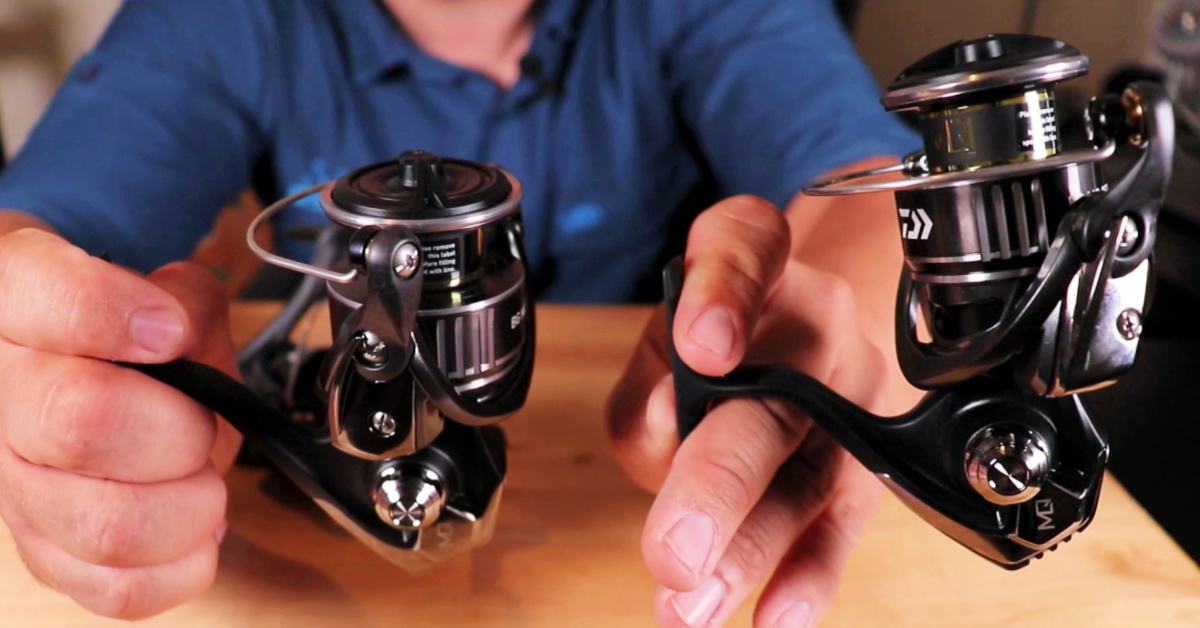
Don’t forget to match your reel with your rod. If you put a heavy 4000 reel on a light rod, it feels unbalanced and hard to cast. If you put a small 3000 reel on a heavy rod, you won’t get the full power of your setup.
Credit: www.saltstrong.com
Common Mistakes When Choosing Reel Size
Avoiding these mistakes can save you money and frustration:
- Buying Too Big: Many anglers think a bigger reel is always better. In fact, a big reel can feel heavy, make your rod unbalanced, and be hard to use for small fish.
- Ignoring Line Specs: Using very thin line on a 4000 reel can cause problems like wind knots or poor casting.
- Not Matching the Rod: A mismatch between rod and reel makes fishing awkward and less effective.
- Not Considering Target Fish: Don’t use a 3000 reel for big saltwater fish—it won’t have the power or line you need.
- Overlooking Weight: If you plan to cast a lot or fish all day, a heavier reel can tire you out.
How To Decide: A Step-by-step Guide
If you’re still unsure, here’s a simple process:
- What fish do you target most? For small to medium freshwater fish, choose 3000. For bigger fish or surf/inshore fishing, choose 4000.
- Where do you fish? Lakes and rivers = 3000. Deep lakes, surf, or saltwater = 4000.
- What rod do you use? Light to medium rod = 3000. Medium-heavy rod = 4000.
- What line and lure weight do you use? Light line/lures = 3000. Heavy line/lures = 4000.
- How long do you fish? If you fish for many hours, a lighter 3000 reel is easier on your arms.
If you are still unsure, most beginners do best with a 3000 reel. It covers many types of fishing and is easy to use.

Credit: www.stripersonline.com
Real-world Examples
Example 1: River Trout Fishing
You are fishing for trout in a small river. You use light lures and thin line. A 3000 reel is perfect. It’s light, casts well, and matches your target fish.
Example 2: Pier Saltwater Fishing
You want to fish from a pier for redfish and bluefish. These fish are bigger and stronger. You use 20–30 lb braid. A 4000 reel gives you the power and line you need.
Example 3: Traveling Angler
You travel a lot and want to carry just one setup. A 3000 reel is easier to pack and covers most situations, unless you specifically target big saltwater fish.
Example 4: Bass Tournament
You fish in bass tournaments and need to cast all day. A 3000 reel keeps your arms fresh and lets you cast small lures easily.
Maintenance Tips For Both Reels
No matter which reel you choose, taking care of it is important:
- Clean after each trip. Especially after saltwater fishing, rinse your reel with fresh water.
- Oil moving parts. Keep your reel spinning smoothly.
- Check the drag. Make sure it works well before every trip.
- Store dry. Avoid rust by drying your reel before storing.
A well-cared-for reel lasts longer and works better.

Credit: www.youtube.com
Final Thoughts: Which Reel Is Right For You?
The choice between a 3000 and 4000 reel depends on your fishing style, target fish, and personal comfort. There is no “one size fits all. ” If you mostly fish for small to medium fish in lakes or rivers, a 3000 reel is light, easy, and effective.
If you want more power, fish in saltwater, or target bigger species, a 4000 reel gives you extra strength and capacity.
Remember: Bigger is not always better. Choose the reel that fits your needs and you’ll enjoy fishing more.
For more about choosing fishing gear, you can check resources like [TakeMeFishing.org](https://www.takemefishing.org/).
—
With the right reel in your hand, fishing becomes easier, more fun, and more successful. Take the time to choose wisely, and your next fishing trip will be even better.