Fly fishing is a sport that takes you into rivers, streams, and lakes, where nature rules and water can be cold, muddy, or unpredictable. If you are new to fly fishing, you may think that the most important gear is the rod or the waders themselves.
But what you wear under your waders can make or break your whole experience. Comfort, warmth, and even safety depend on making the right choices. Wearing the wrong clothes under your waders can leave you cold, sweaty, or chafed, and it can even ruin your day on the water.
Let’s break down everything you need to know about what to wear under fly fishing waders, so you can stay comfortable, dry, and focused on landing your next catch.
Why What You Wear Under Waders Matters
Many new anglers don’t realize that waders alone don’t keep you warm. Most waders are simply waterproof shells—they block water, but they don’t add insulation. The temperature of the water can be much colder than the air, especially in spring or fall. If you are not dressed properly underneath, you can become cold very quickly, even in “breathable” waders.
Moisture is another big factor. As you walk, cast, and wade, your body sweats. If that sweat stays trapped, you get clammy, uncomfortable, and even chilled. The right layers help pull sweat off your skin and let it evaporate, while still keeping you warm. Choosing the right clothing under your waders will:
- Keep you warm in cold water
- Wick away sweat
- Prevent chafing
- Protect against sunburn or bites (in warm weather)
- Help you stay comfortable all day
Understanding Wader Types And Their Impact
Before you choose what to wear underneath, it’s important to know which type of wader you’re using. Most fly fishers use two main types:
- Breathable waders – Made from lightweight, waterproof, but air-permeable materials (like Gore-Tex or similar fabrics). These are comfortable in a wide range of temperatures but offer little insulation.
- Neoprene waders – Made from thick, stretchy rubbery material, similar to a wetsuit. These offer insulation and are best for very cold water.
Your under-wader clothing will depend on the wader type. For example, you might need fewer layers under thick neoprene, while breathable waders require smart layering.
Here’s a simple comparison:
| Wader Type | Main Benefit | Ideal Conditions | Layering Needs |
|---|---|---|---|
| Breathable | Comfort, versatility | Spring, summer, fall | Base + mid layers |
| Neoprene | Insulation, warmth | Winter, cold water | Light base layer |

Credit: guiderecommended.com
The Three-layer System Explained
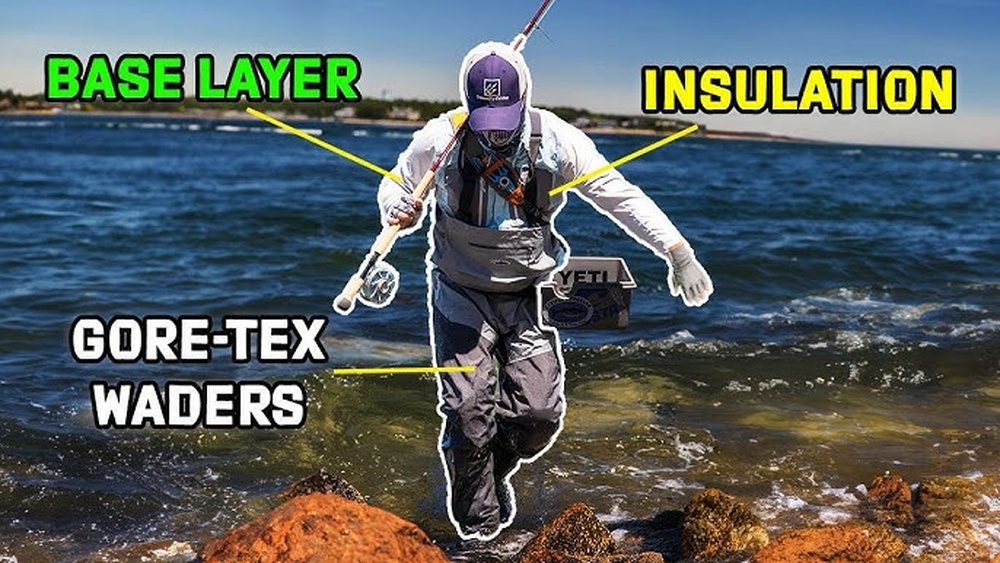
Outdoor experts often talk about the three-layer system when dressing for cold or wet activities. This works perfectly for fly fishing too. The system is:
- Base layer – Worn next to your skin. Its job is to wick sweat away.
- Mid layer – Adds insulation to keep you warm.
- Outer layer – In this case, your waders.
You do not need a “shell” since the waders are already waterproof. Instead, focus on the base and mid layers.
Base Layer: The Foundation
The base layer is the most important for managing moisture. It touches your skin and must dry quickly. Cotton is a poor choice because it soaks up sweat and stays wet, making you cold. Instead, go for:
- Synthetic fabrics (like polyester, polypropylene)
- Merino wool (soft, doesn’t itch, stays warm even when damp)
- Silk (lightweight, but not as durable)
Features to look for:
- Quick drying
- Snug fit, but not too tight
- Flat seams to prevent chafing
Practical tip: Even on warm days, a thin base layer will help prevent chafing from your waders and manage sweat.
Mid Layer: Insulation
The mid layer adds warmth by trapping air. For most fly fishers, this means:
- Fleece pants or leggings
- Synthetic insulated pants
- Thin down pants (for extreme cold)
The thickness of your mid layer depends on the weather and water temperature. On a chilly spring morning, thicker fleece is ideal. On a summer day, you may not need a mid layer at all.
Some anglers use softshell pants for added wind resistance. Avoid bulky layers that could bunch up under your waders.
Outer Layer: Waders
Your waders are the waterproof shell. Make sure they are not too tight—compression can reduce the insulation effect of your underlayers and cause discomfort. Waders should allow for your chosen layers without feeling restrictive.
Layering For Different Seasons
What you wear under your waders changes with the season, water temperature, and your own comfort level. Here’s how you can adjust your clothing for each condition.
Spring And Fall: Unpredictable Weather
These are favorite seasons for fly fishing, but the weather can shift quickly. Rivers are often cold, even if the air feels mild.
- Base layer: Midweight synthetic or merino wool
- Mid layer: Fleece pants or insulated leggings
- Consider thin wool socks for warmth
- Always pack a backup layer in your car or bag
Summer: Hot Air, Cool Water
In summer, you might be tempted to skip layers—but remember, water can still be cold and waders don’t breathe like shorts.
- Base layer: Lightweight, moisture-wicking (synthetic or thin merino)
- No mid layer needed on very hot days
- Avoid shorts—bare legs in waders cause chafing and sweat buildup
- Consider sun-protection pants (UPF-rated)
Winter: Extreme Cold
Winter fishing can be rewarding, but staying warm is a challenge. Hypothermia is a real risk.
- Base layer: Heavyweight merino wool or thermal synthetic
- Mid layer: Thick fleece or synthetic insulated pants
- Consider foot warmers or heated socks
- Always bring extra dry clothes for emergencies
A good practice in winter is to test your full setup at home or near your car, so you can adjust before heading into remote areas.
Choosing The Right Socks
Many beginners forget about socks, but they are crucial for warmth and comfort in waders. Most waders are “stockingfoot” style, meaning you need to wear your own socks and wading boots.
- Material: Wool or synthetic blend. Cotton socks get soggy and cold.
- Thickness: Medium-thick is best. Too thin and your feet get cold; too thick and boots become tight, reducing circulation.
- Length: Go for calf-length or higher. This prevents the sock from slipping underfoot.
Some anglers wear two layers: a thin liner sock (to wick moisture) and a thicker wool sock for warmth. This reduces blisters and keeps feet drier.
Sock Comparison Table
Here’s a quick look at different sock materials and their features:
| Sock Material | Warmth | Wicking Ability | Drying Speed |
|---|---|---|---|
| Merino Wool | Excellent | Very Good | Good |
| Synthetic Blend | Good | Excellent | Excellent |
| Cotton | Poor | Poor | Poor |
Underwear Choices: What To Wear Below The Base Layer
Underwear is often overlooked, but it’s your first line of defense for comfort. Avoid cotton boxers or briefs. Instead, choose:
- Synthetic underwear – Wicks moisture, dries fast
- Merino wool underwear – Natural, soft, odor-resistant
For women, sports bras made of synthetic or merino are best. Avoid lace or heavy cotton.
Tip: Seamless styles prevent rubbing from the pressure of your waders.
Special Considerations For Women
Women fly fishers face unique challenges. The right fit and comfort are essential.
- Leggings: Many women prefer full-length merino leggings as a base layer, which offer warmth and flexibility.
- Sports bras: Choose ones made for high activity and moisture-wicking.
- Easy bathroom breaks: Some brands now offer waders with drop-seat designs or side zips. If not, plan your base layers so you can manage quick changes.
Common Mistakes To Avoid
Even experienced anglers sometimes make clothing mistakes. Here are some to watch out for:
- Wearing jeans under waders: Denim is thick, holds water, and restricts movement. It also takes forever to dry.
- Using cotton layers: Cotton absorbs sweat, stays wet, and makes you cold.
- Too many layers: Overdressing can cause sweating, which then cools and chills you. Find the right balance.
- Shorts with bare legs: Leads to chafing and uncomfortable skin contact with wader material.
- Improper sock choice: Cotton socks or socks that are too thick cause blisters or reduce blood flow.
Accessories That Improve Comfort
Sometimes, small extras make a big difference under your waders.
- Wading belt: Not just for safety—helps keep waders snug and prevents excess movement.
- Gaiters: Protects your lower legs from gravel or debris.
- Foot warmers: For cold days, adhesive toe warmers can be added.
- Moisture-wicking liners: For hands and feet, liners can help regulate temperature.
Clothing Brands And Products Popular With Anglers
Certain brands are trusted by seasoned fly fishers for their under-wader layers. Some popular options:
- Patagonia Capilene series (base layers)
- Smartwool (merino socks and underwear)
- Simms (fleece pants, wading socks)
- Icebreaker (merino base layers)
- Under Armour (synthetic compression wear)
You don’t need the most expensive gear, but investing in one or two quality pieces will pay off in comfort and longevity.

Credit: www.youtube.com
Caring For Your Under-wader Clothing
Proper care extends the life of your layers and keeps them performing well.
- Wash after every use (especially after sweating or wading in muddy water)
- Avoid fabric softener – It can ruin moisture-wicking properties.
- Air dry when possible. High heat can damage synthetic fibers.
- Check for holes or thinning areas before each trip.
Well-cared-for layers perform better and last longer, saving money in the long run.
Two Non-obvious Insights Beginners Overlook
Many new anglers focus only on warmth, but moisture management is equally important. Even in cold water, you can sweat inside your waders. If that sweat can’t escape, it chills you quickly. Always prioritize wicking base layers, not just thick ones.
A second insight: Fit matters as much as fabric. Layers that are too tight cut off circulation and compress insulation, making you colder. Too loose, and you get bunching and discomfort. Try on all your layers together before your trip, including socks and waders.
Practical Layering Examples
Here are two real-world layering setups for different conditions:
Cool Spring Day (water Temp: 50°f / 10°c)
- Synthetic boxer briefs
- Midweight merino base layer pants
- Fleece pants as mid layer
- Calf-length wool socks
- Breathable waders
Hot Summer Day (water Temp: 65°f / 18°c)
- Synthetic underwear
- Thin synthetic or merino base layer pants (no mid layer)
- Lightweight, moisture-wicking socks
- Breathable waders
Quick Reference: Do’s And Don’ts
- Do: Choose moisture-wicking, quick-dry fabrics
- Don’t: Wear cotton at any layer
- Do: Layer appropriately for the season
- Don’t: Overdress and risk sweating
- Do: Try on full outfit before fishing
- Don’t: Ignore sock quality or fit
When To Adjust Your Layers
Pay attention to these signs you need to change your under-wader setup:
- Feeling clammy or cold after minimal activity
- Socks slipping or bunching in boots
- Legs or feet tingling or going numb
- Chafing or skin irritation after fishing
Don’t be afraid to experiment with different combinations. Conditions change, and so do your needs.
For Kids And Beginners
Children lose heat faster than adults. For young anglers:
- Use thicker base and mid layers
- Double up on socks if boots allow
- Keep an extra dry outfit in the car
- Avoid cotton at all costs
New adult anglers should start with simple, midweight layers and adjust based on comfort.

Credit: skwalafishing.com
Environmental And Ethical Choices
Many fly fishers care about their impact on the planet. Merino wool is renewable and biodegradable, but look for brands with ethical sourcing. Synthetic fabrics can be recycled; some brands now use recycled polyester.
Washing in cold water and line-drying also reduces energy use and prolongs garment life.
More Resources
For deeper research on wader layering and best practices, visit the Trout Unlimited blog for more tips from experienced anglers.
Frequently Asked Questions
What Should I Avoid Wearing Under Waders?
Avoid cotton at any layer. Cotton absorbs sweat, dries slowly, and can make you cold. Also skip jeans or sweatpants, as they are bulky and restrict movement.
Are Shorts A Good Idea Under Waders?
No, wearing shorts can cause chafing and doesn’t manage sweat well. Use light base layer pants instead, even in warm weather.
How Often Should I Change My Under-wader Clothing?
Change your base and mid layers after each day of fishing, or sooner if they become wet or dirty. Clean, dry clothes keep you comfortable and prevent skin issues.
Can I Use The Same Layers For Hiking And Fly Fishing?
Yes, moisture-wicking base layers and fleece pants work for many outdoor activities. Just make sure they fit comfortably under your waders.
What’s The Best Way To Dry My Layers After Fishing?
Hang your layers in a well-ventilated area. Avoid direct heat or sunlight for synthetics. Merino wool can be air-dried flat to keep its shape.
Dressing smartly under your fly fishing waders can make the difference between a miserable, cold outing and a comfortable, successful day on the water. Invest in the right layers, avoid common mistakes, and enjoy your time on the river with confidence and comfort.