
Is Fishing After a Storm Good? The Full Truth for Anglers
Nature can change everything for anglers. One day, the water is calm, and the fish are slow. Suddenly, a storm rolls through. The sky darkens, rain pours, and the wind whips the surface into waves. Many people wonder: is fishing after a storm good? Some say the best catches come when the storm passes. Others warn that storms scare fish away. In this guide, you’ll get the real answer, based on science, experience, and practical tips. If you want to know whether to pack your rod or wait for sunshine, keep reading.
How Storms Change Fishing Conditions
Storms do not just make the air wet. They change the water, light, and even the behavior of fish. Understanding these changes is the first step to better fishing.
Water Temperature Swings
Rain from storms is usually cooler than the water in lakes, rivers, or the sea. This cool water mixes with the warm layer on top. Fish, especially species like bass and trout, respond to even small temperature changes. They may move to find their comfort zone, often coming closer to the surface or the shore where the water is now cooler and rich in oxygen. Sometimes, if the rain is heavy and cold, fish will go deeper to avoid shock.
Oxygen Levels Rise
Storms, especially those with wind and rain, mix air into the water. This process is called aeration. More oxygen helps fish become more active. After long, hot days, the water can lose oxygen, making fish sluggish. But after a storm, with fresh oxygen, they may feed more aggressively.
Water Clarity Drops
Storms stir up mud, leaves, and debris. This makes the water cloudy, or what anglers call murky. Some fish, like catfish and carp, love this. They hunt by smell and feel, not sight. Other species might hide until the water clears. If you fish in clear lakes, expect lower visibility after a storm.
Barometric Pressure Drops Then Rises
Before and during a storm, barometric pressure drops. Fish sense this through their swim bladders. Many anglers believe fish feed heavily just before the storm hits, then slow down during and right after the storm as pressure rises. Some species, like walleye and pike, are especially sensitive to these changes.
Food Washes Into The Water
Storms wash insects, worms, and small creatures into rivers and lakes. This sudden food supply can make fish go into a feeding frenzy, especially near the shore or mouths of streams. But too much runoff can also bring dirt and pollution, making some fish less active.
Types Of Storms And Their Impact
Not every storm is the same. The type of storm decides how fish will react and whether fishing after a storm is good or not.
Thunderstorms
Thunderstorms bring heavy rain, lightning, and strong winds. The most obvious effect is safety—never fish during lightning. But after a thunderstorm, the water is usually cooler and has more oxygen. Fish like largemouth bass and bluegill often feed well once the storm has passed and the water calms.
Tropical Storms And Hurricanes
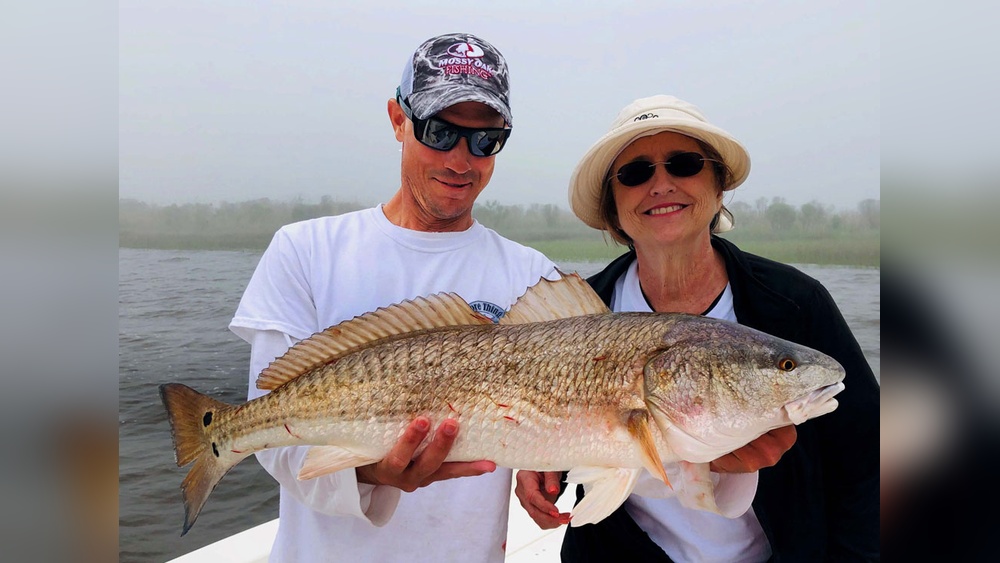
These storms cause major changes. Water levels rise, and the coastline can change shape. Saltwater fish, such as redfish and snook, move to new areas. After a hurricane, fishing can be good in spots where new food is washed in, but it can also be dangerous due to debris and strong currents.
Cold Fronts
A cold front brings cooler air and often clear skies after rain. Fish often become inactive right after a cold front because of rising pressure and lower water temperature. Patience is key—waiting a day or two can improve your chances.
Warm Fronts
Warm fronts usually bring light rain and gentle winds. After these, fish are more likely to stay near the surface and feed, as the water warms and insects are active.

Credit: fishpanamatoday.com
The Best Time To Fish After A Storm
Timing matters. It is not just about fishing as soon as the rain stops.
Immediately After The Storm
Some anglers rush to the water as soon as the sky clears. This can work if the storm was short and not too violent. Fish may feed on new food washed in by the rain, and the water has extra oxygen.
But if the storm was strong, fish might be stressed or hiding.
A Few Hours Later
Waiting a few hours lets the water settle. Mud and debris start to sink, and fish become less stressed. This is often the prime time, especially for species like trout, perch, and crappie.
The Next Day
If the storm was severe, waiting until the next day is smarter. Fish will have adjusted to the new conditions. The water will be less cloudy, and the feeding pattern returns to normal, but with some extra activity from the storm’s changes.
A Practical Example
Imagine fishing for bass in a small lake. A summer thunderstorm passes. If you fish right after, you may find bass near the shore feeding on worms washed in by the rain. But if the water is too muddy or the wind is still strong, waiting until evening or the next morning could give better results.
Advantages Of Fishing After A Storm
Many anglers believe fishing after a storm brings the best luck. Here are real reasons why:
- Increased Fish Activity: Extra oxygen and new food mean more active fish.
- Easier Access to Big Fish: Larger fish, which usually hide, may come closer to shore to feed.
- Less Competition: Fewer people fish after bad weather, so you get the best spots.
- Lower Light Levels: Clouds and murky water make fish feel safe, so they hunt during the day, not just at dawn or dusk.
- Unique Feeding Windows: Some fish, like catfish, feed more right after a rain because their prey is confused and easy to catch.
Disadvantages And Risks
Fishing after a storm is not always a good idea. There are real risks and downsides.
- Safety Hazards: Wet ground, strong currents, floating debris, and lightning are dangerous. Always check the weather and water conditions.
- Fish May Be Stressed: If the storm was violent, fish might stop feeding for hours or even a day.
- Water Quality Issues: Heavy rain can wash pollution or chemicals into the water, making fish less healthy and sometimes even unsafe to eat.
- Unpredictable Behavior: Not all fish species react the same way. Sometimes, the best spots become empty.
- Gear Challenges: Mud and debris can tangle lines, clog reels, and make fishing more difficult.
Comparing Fishing Before, During, And After A Storm
To help you see the real differences, compare the typical fishing conditions:
| Time | Fish Activity | Water Clarity | Safety | Best For |
|---|---|---|---|---|
| Before Storm | Very High | Clear | Safe | Bass, Pike, Walleye |
| During Storm | Low | Cloudy | Very Unsafe | N/A |
| After Storm | Medium to High | Murky | Usually Safe | Catfish, Carp, Bass |
Best Fishing Techniques After A Storm
Adapting your technique can make all the difference. Here’s how to improve your chances:
1. Use Bright Or Noisy Lures
In murky water, fish use senses other than sight. Spinnerbaits, rattling crankbaits, or lures with bright colors help fish find your bait.
2. Focus On Shallow Areas
Rain often washes food into the shallows. Fish gather here to feed after a storm.
3. Slow Down Your Presentation
After a storm, fish may still be stressed. Moving your bait slowly and naturally works better than fast jerks.
4. Try Live Bait
Worms, minnows, and insects are natural food for fish after rain. They smell and move in a way that attracts fish even in cloudy water.
5. Look For Current Breaks
Storms create new currents in rivers and lakes. Fish hide behind rocks, fallen trees, or bends in the water to rest and wait for food.
6. Check Water Temperature
Use a thermometer. If the water is much cooler after rain, try deeper spots where fish may wait until the surface warms again.
7. Adjust For Barometric Pressure
If pressure is rising quickly after a storm, fish may be less active. Use smaller lures and fish slower.
8. Watch For Floating Debris
Casting near logs, leaves, or trash is risky, but these spots often hold fish looking for food or shelter.
Species-specific Reactions
Different fish react in unique ways to post-storm conditions. Knowing what your target species does helps you plan.
| Fish Species | Typical Storm Reaction | Best Strategy |
|---|---|---|
| Largemouth Bass | Move to shallows, feed on washed-in prey | Use bright lures near shore |
| Trout | Seek cooler, oxygen-rich water | Fish inlets and cooler spots |
| Catfish | Feed actively in murky water | Try smelly baits in muddy areas |
| Carp | Scavenge in cloudy shallows | Bread, corn, or worms on bottom rigs |
| Walleye | Move deeper if water cools | Use jigs near drop-offs |
Real-world Examples: When Storm Fishing Pays Off
Many top anglers share stories of their best catches after a storm. For example, in Florida, some bass tournaments are won by fishing right after a summer thunderstorm. The bass move into the newly flooded grass, hunting for insects and frogs.
In the Midwest, after a spring storm, carp and catfish often bite for hours in muddy river backwaters. In northern lakes, trout rise to the surface as rain cools the water.
Yet, there are also stories of “dead” water for hours after a big storm, especially if the rain was cold or the current turned strong. The lesson: adapt to the conditions, and don’t expect the same results every time.
Advanced Insights Most Beginners Miss
Even experienced anglers miss some details after a storm:
1. Water pH Can Change: Heavy rain can lower the pH (make water more acidic), which affects fish feeding. Some fish, like trout, are very sensitive to pH shifts and may stop biting for a few hours.
2. Insect Hatches: Storms can trigger massive hatches of insects like mayflies or midges. Fish may focus on these, ignoring your usual bait. Matching your lure to these insects can make a big difference.
3. Fish Move with the Wind: After a storm, strong winds push surface water—and the food in it—to one side of a lake. Fishing the “windward” shore can be more productive.
4. Watch for Birds: Birds like herons and seagulls often find feeding fish before you do. If you see bird activity after a storm, fish there.
5. Changes Last for Days: The effects of a big storm can last more than 24 hours. Keep notes on where and when you catch fish after storms. Patterns will appear over time.
Safety Tips For Storm Fishing
Never forget safety when fishing after a storm.
- Always check for weather warnings before going out.
- Avoid fishing near water with strong, fast currents.
- Wear a life jacket if you fish from a boat or near deep water.
- Watch for slippery rocks, wet grass, and unstable banks.
- If you see lightning or hear thunder, get off the water right away.
- Tell someone where you’re going and when you’ll return.
Mistakes Anglers Make When Fishing After A Storm
Learning from common mistakes can save you time and trouble.
- Fishing Too Soon: If the water is too muddy or the fish are stressed, waiting a few hours can make all the difference.
- Ignoring Water Temperature: Storms can cool water too much for warm-water fish.
- Using the Wrong Lure: In cloudy water, subtle, natural-colored lures are hard to see. Use bright or noisy ones.
- Overlooking Safety: Fishing near fallen trees or in strong current is dangerous.
- Not Adjusting Tactics: Fish behavior changes after storms. Old habits may not work.
- Not Watching the Forecast: Another storm could be on the way. Be prepared to leave quickly.
Expert Tips To Maximize Success
- Keep a Fishing Journal: Record weather, time, bait, and results. Over time, you’ll see what works best after storms in your area.
- Use Scented Baits: In muddy water, smell is more important than sight.
- Bring Extra Gear: Mud and debris can damage reels and lines. Pack backups.
- Fish with a Friend: Storm conditions can be unpredictable, so fishing with a buddy is safer.
- Check Local Regulations: Storms may change water quality, and some areas close fishing after heavy rain.
Environmental Effects: How Storms Shape The Fishery
Storms do more than change fishing for a day. They can shape the whole fishery.
- Erosion: Heavy rain can wash away banks and change the shape of rivers.
- Habitat Creation: Floods create new pools and backwaters where fish spawn.
- Nutrient Boost: Storms bring nutrients that help plants and insects grow, feeding fish for weeks.
- Pollution Risk: Storm runoff can bring chemicals and trash into the water, hurting fish health.
Understanding these effects can help you plan your fishing and protect the places you love.

Credit: www.reelcoquinafishing.com
Comparing Freshwater And Saltwater Storm Fishing
How storms affect fishing depends on where you fish. Here’s a quick look:
| Type of Water | Storm Impact | Best Tactics | Common Species |
|---|---|---|---|
| Freshwater | Cloudy water, oxygen boost, food washed in | Fish shallows, use bright/scented bait | Bass, Catfish, Carp, Trout |
| Saltwater | Changing tides, debris, new feeding spots | Fish moving water, look for new structures | Redfish, Snook, Snapper, Sea Trout |
When Not To Fish After A Storm
Sometimes, it’s better to wait. Avoid fishing if:
- The water is dangerously high or fast.
- The storm caused pollution (oil, chemicals, sewage).
- Lightning is still possible.
- The area is closed for safety or environmental reasons.
- You feel unsure or unsafe.

Credit: www.youtube.com
Resources For Storm Fishing
For deeper knowledge, weather data, and storm tracking, use trusted sources like the National Weather Service. They provide updates on local conditions and warnings.
Should You Fish After A Storm?
Fishing after a storm is not always “good” or “bad. ” It depends on the storm’s strength, the body of water, the fish species, and your tactics. For many anglers, some of their best fishing days follow a summer rain or thunderstorm.
With the right approach, safety habits, and a little patience, you can turn stormy weather into great fishing memories.
Frequently Asked Questions
Is It Safe To Fish Right After A Storm?
Usually, it is safe once lightning, strong winds, and heavy rain have stopped. Still, check for fast water, floating debris, and unstable banks. Safety should always come first.
What Fish Are Most Active After A Storm?
Catfish, carp, and often bass are most active, especially in shallow, muddy areas. They feed on food washed in by rain.
Why Do Fish Bite More After Rain?
Rain adds oxygen to the water, cools the surface, and washes in food. These changes make fish more active and hungry.
How Long Should I Wait To Fish After A Big Storm?
It depends on the severity. For small storms, a few hours is enough. For large storms or floods, waiting until the next day or even longer is often best.
Where Can I Learn More About Storm Fishing?
Check weather sites like the National Weather Service for updates. Local fishing forums and guides often share tips on post-storm conditions in your area.
Fishing after a storm is a blend of challenge and opportunity. With knowledge, the right gear, and an eye on safety, it can be one of the most exciting times to cast your line.