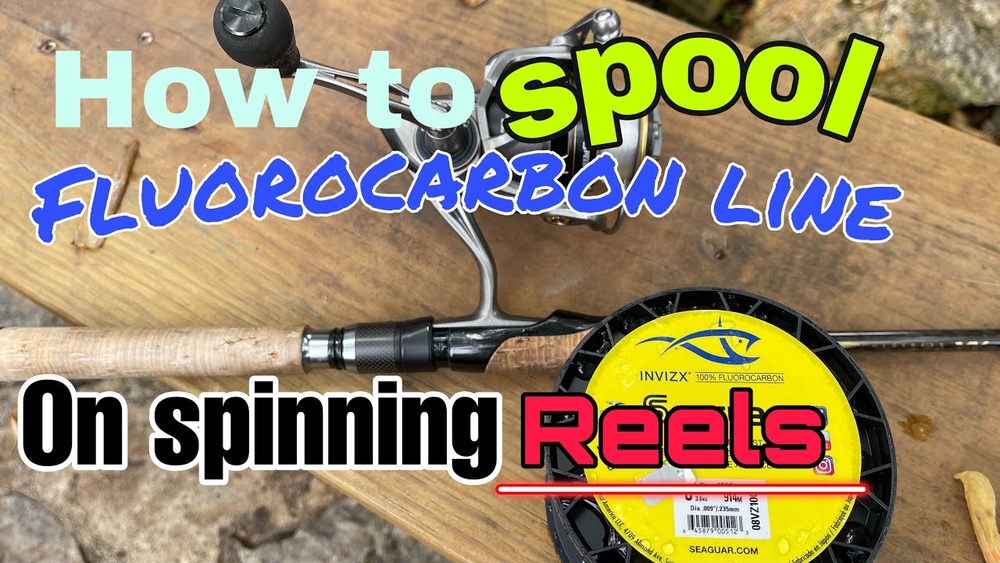
Fluorocarbon fishing line has become a favorite for many anglers who use spinning reels. It’s nearly invisible underwater, strong, and sensitive, making it perfect for many fishing situations. But putting fluorocarbon line on a spinning reel isn’t as simple as it looks. If you spool it incorrectly, you can end up with tangles, line twist, or even damage to your reel. Many beginners overlook small but crucial steps, leading to frustration on the water. Let’s walk through every detail you need to know to spool fluorocarbon line the right way, avoid common mistakes, and get the best performance for your next fishing trip.
Why Anglers Choose Fluorocarbon Line
Before you start spooling, it’s important to understand why fluorocarbon line is popular for spinning reels. Fluorocarbon is made from polyvinylidene fluoride, giving it several advantages:
- Low visibility: It closely matches the refractive index of water, making it nearly invisible to fish.
- High sensitivity: Fluorocarbon transmits vibrations better than monofilament, helping you feel light bites.
- Abrasion resistance: It’s tougher against rocks, logs, and sharp objects.
- Water resistance: It doesn’t absorb water, so its strength and sensitivity remain consistent.
However, it has some downsides. Fluorocarbon is stiffer than other lines, making it more prone to line memory and twists, especially on spinning reels. This is why the spooling process is so important.
What You Need Before Spooling
Before you start, gather the following items:
- Spinning reel: Make sure it’s clean and in good working order.
- Fluorocarbon line: Choose a quality brand and the right pound-test for your target species.
- Rod: Attaching the reel to a rod makes the process easier.
- Scissors or line cutter: For trimming excess line.
- A pencil or line spooler: To hold the line spool and allow it to spin freely.
- A damp cloth: Optional, but it helps reduce friction and line twist.
- Backing line (optional): Light monofilament to use as a base layer, which can save money and improve performance.
Taking a few extra minutes to prepare these items can prevent frustration and wasted line later.

Credit: daiwafishing.com.au
Choosing The Right Fluorocarbon Line
Not all fluorocarbon lines are created equal. Here’s what to look for:
Line Strength And Diameter
Match the pound-test to your target fish. For bass or trout, 6–10 lb is common; for larger species, go heavier. Pay attention to diameter—thicker lines are harder to manage on spinning reels.
Quality And Brand
Choose a reputable brand like Seaguar, Berkley, or Sunline. Cheaper lines often have more memory or inconsistent quality.
Spool Size
Buy a spool with enough line for your reel. Most spinning reels hold 100–200 yards of line. If you’re only adding a leader or using backing, you can use a smaller spool.
Backing Line Considerations
Fluorocarbon is expensive and can slip on a bare spool. Using a monofilament backing solves both problems. It gives the fluorocarbon something to grip and reduces costs by filling part of the spool with cheaper line.
How Much Line To Put On A Spinning Reel
Overfilling or underfilling your reel creates problems. Here’s how to get it right:
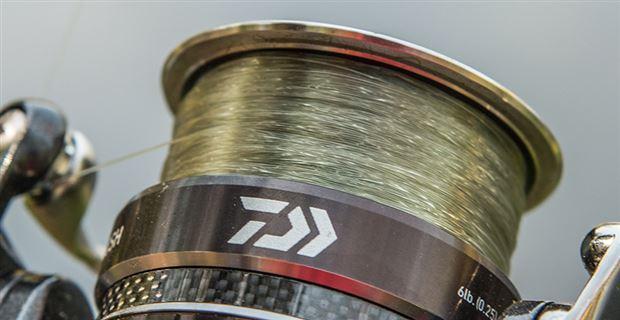
- Fill the spool until line is about 1/8 inch below the lip. This gives you enough line for casting distance but avoids tangling.
- For most reels, this means 100–200 yards of main line.
- If using a backing line, fill with backing first, then top with fluorocarbon until you reach the 1/8 inch mark.
Credit: www.wired2fish.com
Step-by-step: Spooling Fluorocarbon Line On A Spinning Reel
The following steps will help you spool your reel correctly, reducing twists and tangles.
1. Attach Your Reel To The Rod
Secure the spinning reel to your rod. This gives you stability and keeps your hands free for the process.
2. Open The Bail
Flip the bail arm (the wire part that guides the line) open. Never thread line with the bail closed, or you’ll create a twist from the start.
3. Run Line Through The Guides
Thread the fluorocarbon line through the rod guides, starting at the tip and working down to the reel.
4. Tie The Line To The Spool
Fluorocarbon can slip on metal, so a double overhand knot or arbor knot is best. If using backing, first tie the backing to the spool, then join the backing to the fluorocarbon with a uni-to-uni knot or Albright knot.
5. Add Backing (if Needed)
If your reel spool is deep, fill the first half with cheap monofilament. This saves money and helps the fluorocarbon lay better.
Example: Calculating Backing
If your reel holds 200 yards but you only have 100 yards of fluorocarbon, use 100 yards of backing. Markers on your reel or a line counter can help estimate.
6. Close The Bail By Hand
After tying the knot and trimming the tag end, close the bail by hand (not by turning the handle). This avoids twisting the line.
7. Place The Fluorocarbon Spool Correctly
Lay the line spool flat on the floor with the label facing up. For most brands, this matches the direction the line comes off the reel, reducing twists. If you see excessive twist, flip the spool.
8. Maintain Tension
Pinch the line between your thumb and forefinger (or use a damp cloth) just above the reel. Keep steady pressure as you crank the reel handle.
9. Start Winding Slowly
Crank the handle slowly, watching the line as it goes onto the spool. After 10–15 turns, stop and check for twists or loops. If you see twists, turn the line spool over and try again.
10. Fill To The Proper Level
Continue winding until the line is about 1/8 inch below the spool’s rim. Don’t overfill, or you’ll get tangles; don’t underfill, or your casts will be short.
11. Cut The Line
Use scissors or a line cutter to trim the line, leaving a few feet for tying your lure or leader.
12. Secure The Line
Hook the line onto your reel’s built-in hook keeper or a rod guide to keep it from unraveling.
Common Mistakes And How To Avoid Them
Many anglers run into trouble spooling fluorocarbon line. Here are common errors and solutions:
- Line twist: Caused by winding line off the spool in the wrong direction or using too much tension. Always lay the spool flat and check for twist early.
- Overfilling: Leads to tangles and “bird’s nests.” Stop when line is 1/8 inch below the rim.
- No backing: Fluorocarbon slipping on the spool causes poor casting and drag issues. Always use a few wraps of backing.
- Not closing the bail by hand: Flipping the bail by turning the handle can create a twist right at the start.
- Loose knots: Fluorocarbon is slick. Double-check your knots and pull them tight.
Tips For Reducing Line Memory And Twist
Fluorocarbon’s stiffness means it holds its “coiled” shape, leading to line memory. Here are ways to manage it:
- Soak line in warm water for 15–30 minutes before spooling. This softens the line and reduces memory.
- Use a damp cloth to pinch the line as you spool. This prevents loose coils.
- After spooling, pull out 50–75 feet of line, let it dangle, and reel it in under tension. This removes twists.
- Store your reel out of direct sunlight and away from heat, which can damage fluorocarbon.
Using A Line Spooling Tool Vs. By Hand
Some anglers use a line spooling tool. These devices hold the line spool and apply tension, making the process easier and more consistent. They’re especially useful for beginners or when spooling thick fluorocarbon.
Comparison: Spooling By Hand Vs. Spooling Tool
| Method | Pros | Cons |
|---|---|---|
| By Hand | Cheap, requires no extra tools, flexible | Harder to keep even tension, more chance of twist |
| Spooling Tool | Consistent tension, faster, reduces twist | Extra cost, one more item to carry |
If you spool line often, a tool is a good investment. For occasional spooling, hand methods work if you’re careful.
When To Replace Fluorocarbon Line
Fluorocarbon lasts longer than monofilament but still wears out. Signs you need to replace it:
- Abrasion: If you feel rough spots or see nicks, cut off damaged sections.
- Memory: Excessive coils or loops that don’t come out.
- Breakage: If the line snaps easily under pressure.
- UV exposure: Sunlight degrades line over time.
For frequent anglers, replacing fluorocarbon line every 6–12 months is common. Occasional anglers can go longer, but always check for damage before each trip.
Leader Vs. Main Line: Fluorocarbon Uses
Some anglers use fluorocarbon as their main line, while others use it as a leader tied to braid or mono. Here’s a comparison:
| Use | Advantages | Disadvantages |
|---|---|---|
| Main Line | Stealthy, sensitive, abrasion-resistant | Costly, more memory, can be stiff |
| Leader | Low cost, combines braid’s strength with fluoro’s invisibility | Requires knot skills, extra step in setup |
If you’re new, try using fluorocarbon as a leader first—it’s easier to manage and still gives you the main benefits.
Troubleshooting: Solving Line Problems On The Water
Even with perfect spooling, issues can happen. Here’s what to do:
Wind Knots
If you get a “wind knot” (tangled line), stop reeling. Open the bail, gently pull line off the spool, and untangle by hand.
Line Twist
If your line twists during casting, let your lure hang in the water with no tension. The lure will spin and help remove twists. Reel in slowly.
Poor Casting Distance
Check for overfilled or underfilled spools. Too much or too little line reduces casting efficiency.
Snapping On Hooksets
If your line breaks on a strong hookset, check for nicks or old line. Retie your lure with a fresh section.
Advanced Tips For Experienced Anglers
Once you’ve mastered the basics, these tips can improve your performance:
- Use a line conditioner: Products like KVD Line & Lure can reduce memory and improve casting.
- Try lighter pound-test: Fluorocarbon is strong for its size; using a slightly lighter line can increase sensitivity and casting distance.
- Practice your knots: Some knots, like the improved clinch or Palomar, are better for fluorocarbon.
- Color marking: Mark the end of your line with a permanent marker to track how much is used.
Environmental Impact And Line Disposal
Fluorocarbon is not biodegradable. Always dispose of old line responsibly:
- Collect used line in a container.
- Recycle at fishing stores or special bins.
- Never throw line in the water—lost line can harm wildlife.
Learn more about responsible line disposal from the Fishing Line Wikipedia page.
How Fluorocarbon Compares To Other Line Types
Choosing the right line depends on your fishing style. Here’s a brief comparison:
| Line Type | Visibility | Sensitivity | Cost | Best For |
|---|---|---|---|---|
| Fluorocarbon | Low | High | High | Clear water, finesse |
| Monofilament | Medium | Medium | Low | General use, beginners |
| Braided | High | Very high | Medium-High | Heavy cover, long casts |
This highlights why fluorocarbon is often chosen for stealth and sensitivity, but not always for every situation.
Credit: www.youtube.com
Frequently Asked Questions
How Do I Know If My Fluorocarbon Line Is Spooled Correctly?
Check that the line comes off the reel smoothly, with no loops or twists. The line should sit evenly on the spool, with about 1/8 inch of space below the rim. If you see coils or tangles, or the line jumps off in bunches, it may need to be re-spooled.
Can I Use Only Fluorocarbon On My Spinning Reel?
Yes, but it can be tricky because fluorocarbon is stiff and has more memory. Using a monofilament backing or spooling tool helps. For beginners, starting with fluorocarbon as a leader is easier.
Why Does My Fluorocarbon Line Keep Twisting?
Line twist happens if the line is spooled off the package in the wrong direction, or if you close the bail by turning the handle. Always lay the spool flat and close the bail by hand. Soaking the line before spooling also helps.
How Often Should I Change My Fluorocarbon Line?
Replace it every 6–12 months if you fish often, or sooner if you see damage, memory, or breakage. Store your reel away from heat and sunlight to make it last longer.
Is Fluorocarbon Line Better Than Braided Or Monofilament Line?
It depends on your needs. Fluorocarbon is best for clear water and finesse fishing because it’s nearly invisible and sensitive. Braid is stronger and casts farther, while monofilament is cheap and easy to use. Many anglers use a combination: braid as the main line with a fluorocarbon leader.
Spooling fluorocarbon line on a spinning reel can seem daunting, but with the right steps, you can enjoy tangle-free casting, increased sensitivity, and better results on the water. Taking the time to do it right makes all the difference when you’re fighting that next big fish.