
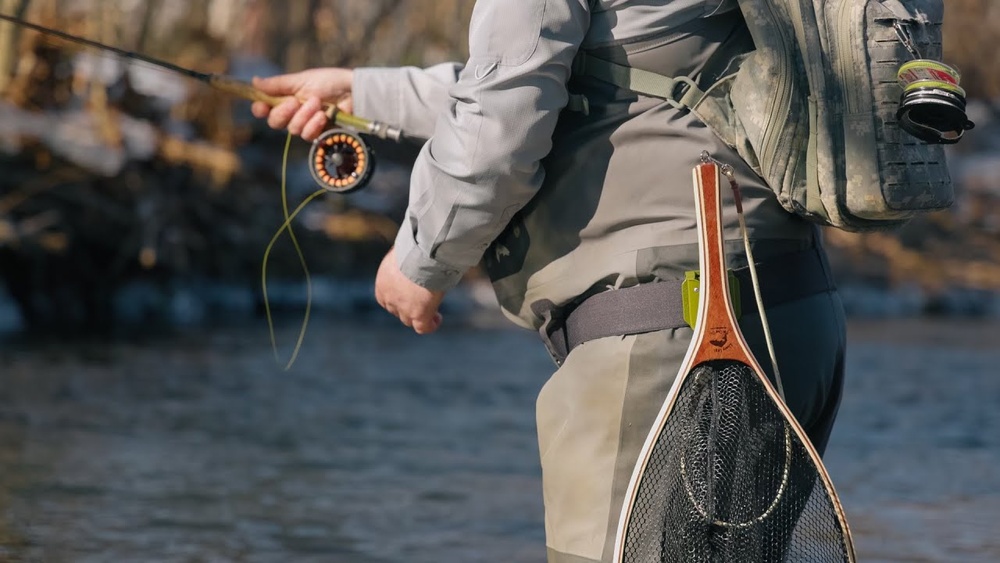
Fly fishing is a unique and rewarding outdoor activity that combines skill, patience, and a deep connection with nature. One tool that often gets overlooked—but is absolutely essential—is the fly fishing net. If you’ve ever fumbled with a fish at the water’s edge, you understand how a good net can turn a difficult moment into a smooth catch-and-release or a memorable photo. But just owning a net isn’t enough. How you carry your fly fishing net can make your day easier, your fishing safer, and your experience more enjoyable. Whether you’re new to fly fishing or want to improve your setup, understanding the best ways to carry your net will save you frustration and help you fish more efficiently.
This guide will walk you through everything you need to know about carrying a fly fishing net: from why it matters, to different methods, gear options, and even mistakes to avoid. Along the way, you’ll get practical tips and real-life examples so you can make the right choice for your fishing style.
Why Carrying Your Fly Fishing Net Properly Matters
It’s easy to underestimate the importance of how you carry your net until you find yourself in a tricky situation. The right setup affects:
- Speed and safety when landing fish
- Mobility while wading, walking, or hiking to your spot
- Comfort during long fishing sessions
- Fish survival rates (especially for catch and release)
A poorly carried net can snag on branches, fall into the water, or get in the way when you need to make a quick cast. In contrast, a well-placed net feels almost invisible until the moment you need it.
Many beginners think any way is fine, but experienced anglers know that a few seconds saved (or lost) when reaching for your net can mean the difference between landing a trophy fish or telling the story about “the one that got away.
”
Types Of Fly Fishing Nets And Their Carrying Considerations
Not all nets are created equal, and the style of net you choose affects how you should carry it. Here’s a breakdown of common types and the main points to consider for each.
| Net Type | Typical Size | Best Carrying Methods | Ideal For |
|---|---|---|---|
| Hand Net | 12-18 inches | Belt, magnet, pack attachment | Wading, small streams |
| Long-Handled Net | 24-40 inches | Sling, pack pocket, boat rack | Larger rivers, boat fishing |
| Collapsible Net | Varies | Pack pocket, belt, inside backpack | Hiking, travel, multi-purpose |
| Boat Net | 36-60 inches | Boat rack, side attachment | Drift boat, kayak, raft |
Key insight: Your net’s size and design should fit your fishing environment. For example, a compact hand net is perfect for wading small streams, while a long-handled boat net is better suited for big water and larger fish.
Credit: www.flyfishing.co.uk
Main Ways To Carry A Fly Fishing Net
There are several proven methods anglers use to carry their nets. Each method comes with its own pros and cons. Here’s an in-depth look at the most popular ways:
1. Magnetic Net Release
This is perhaps the most common and convenient way for wading anglers. A small magnetic clip attaches your net to a D-ring on your vest, backpack, or wading jacket. The magnet holds the net securely but releases quickly when you pull.
Advantages:
- Keeps your net out of the way when you walk or cast
- Quick one-handed access
- Reduces risk of losing your net in the water
Disadvantages:
- Strong current or thick brush can sometimes knock the net loose
- Magnets can weaken over time
Tip: Choose a net release with a tether or coil lanyard. This prevents accidental loss if the magnet comes apart unexpectedly.
2. Holster Or Belt Attachment
Some nets come with a built-in holster or sheath, or you can buy an add-on holster. The holster attaches to your wading belt or waist, letting the net hang down behind you.
Advantages:
- Keeps net close to your body for easy reach
- Less chance of snagging on branches
- Works well with larger or longer nets
Disadvantages:
- Can feel bulky, especially when sitting or crouching
- May dig into your lower back if not positioned properly
Tip: Adjust your belt tightness so the holster stays in place but doesn’t pinch.
3. Pack Or Vest Attachment
Many fishing vests and backpacks have dedicated D-rings or loops designed for nets. You can clip your net handle here with a carabiner or use a magnet system.
Advantages:
- Distributes weight evenly
- Keeps your hands free
- Works with most net sizes
Disadvantages:
- Net may swing when you bend over
- Not as quick to access as a belt or holster
Tip: Try different attachment points (high, low, left, right) to find what feels most natural for your arm reach.
4. Sling Pack/shoulder Carry
If you wear a sling pack or over-the-shoulder bag, you can slide your net handle through a dedicated loop, sleeve, or under a compression strap.
Advantages:
- Good for larger nets or when hiking long distances
- Keeps net high and out of the water
- Easy to grab with your dominant hand
Disadvantages:
- Can be tricky to re-holster the net with one hand
- Strap pressure can be uncomfortable over time
Tip: Some sling packs are designed specifically for net carry—look for one with a reinforced net sleeve or loop.
5. Inside Or Outside Pack Storage
For long hikes or travel, some anglers keep a collapsible net inside their backpack, or attach it to the outside with straps or bungee cords.
Advantages:
- Maximum protection for your net
- Keeps hands and arms completely free
- Perfect for bushwhacking or hiking to remote spots
Disadvantages:
- Slower access when you reach the water
- Can damage net if packed carelessly
Tip: Always store the net bag upward to avoid damaging the mesh.
6. Boat Or Kayak Mount
When fishing from a boat or kayak, you can use special net holders or racks to keep your net secure but accessible.
Advantages:
- Keeps net ready for big fish
- Prevents net loss overboard
- No weight on your body
Disadvantages:
- Not practical for wading or shore fishing
- Can take up valuable space on small boats
Tip: Always secure your net with a leash or tether in case of rough water.
Factors To Consider When Choosing A Net Carry Method
It’s not just about comfort—there are specific things to think about when deciding how to carry your fly fishing net.
1. Fishing Style And Location
Are you wading a small stream, hiking to a backcountry lake, or floating a big river? Each scenario has different demands. Small stream anglers often prefer compact nets and belt attachments for agility, while float anglers need long-handled nets mounted to the boat.
2. Fish Species And Size
If you expect to catch larger fish (like trout over 20 inches or bass), you’ll need a bigger net, which usually means a holster or sling carry. For smaller fish, a lightweight hand net is easier to manage.
3. Personal Comfort And Reach
How flexible are your shoulders? Can you reach behind your back easily? Some anglers have trouble reaching for a net clipped high up, so a belt holster is better. Experiment with different positions during practice, not just on the water.
4. Terrain And Vegetation
If you’re fishing in thick brush or wooded banks, a net that hangs low or sticks out can get caught easily. In these cases, pack storage or a compact net is best. Open riverbanks or boats give you more freedom.
5. Safety And Fish Care
A net that’s hard to reach increases the time fish spend out of water. For catch and release, quick access is vital to reduce stress and injury to the fish.
6. Durability And Security
Whatever method you choose, make sure your net is secure. Lost nets are a common beginner mistake, and it’s not just inconvenient—it’s bad for the environment.
Popular Net Carry Accessories And How To Use Them
There’s a wide range of accessories made specifically for carrying nets. Here are some of the most useful and how to get the best from them:
Magnetic Net Release
A two-part magnet system: one part goes on your net handle, the other on your vest or pack. Look for models with a high pull force (measured in pounds) to avoid accidental drops. Always add a coil lanyard for backup.
Net Retractor
This device uses a spring-loaded cord to let you pull your net out and then retract it back. It’s especially useful for boat anglers or when you want the net to “snap back” after use.
Carabiners And Clips
Simple aluminum carabiners can be used to attach nets to belts, packs, or D-rings. Make sure to choose a size that fits your net handle and won’t open accidentally.
Net Holsters And Sheaths
These are rigid or semi-rigid sleeves that hold your net handle securely at your waist. Some have padding for comfort and are adjustable for different net sizes.
Net Leashes And Tethers
A net leash connects your net to your belt or pack, preventing loss if you drop it. Choose a leash with a strong, flexible coil that won’t tangle.
Diy Solutions
Many anglers create their own carrying systems using paracord, Velcro straps, or even old gear. A simple loop of cord can hold a net handle, or a bit of foam can protect a net in a backpack.
Common Mistakes To Avoid When Carrying A Fly Fishing Net
Even experienced anglers sometimes make simple errors that can ruin a day on the water. Here are some of the most common mistakes—and how to avoid them.
1. Carrying The Net Too Low
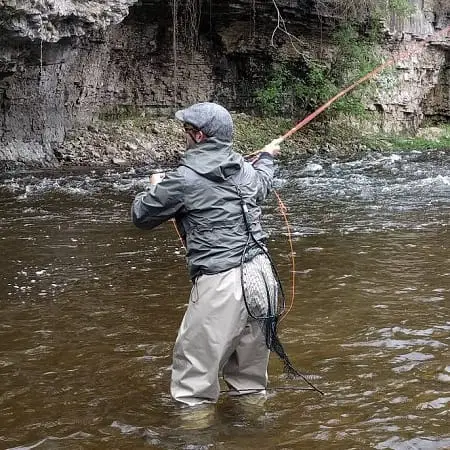
If your net hangs below your knees, it will drag in the water, snag on rocks, and get caught in branches. Adjust your attachment point so the net bag sits at your lower back.
2. Forgetting A Backup Tether
Relying only on magnets or clips is risky. Always use a secondary leash—it’s a cheap insurance policy against losing your net in fast water.
3. Blocking Your Net With Other Gear
If you attach your net behind your pack or under other gear, you may find it impossible to reach when you need it most. Test your setup at home: put on all your gear and practice grabbing your net quickly.
4. Using A Net That’s Too Big Or Small
A net that’s too big is heavy and awkward, while a net that’s too small won’t hold your catch. Choose a net size that matches the average fish size you expect to catch.
5. Not Checking Attachments Regularly
Clips, magnets, and straps can wear out or break. Inspect your net carrying system before every trip and replace any worn parts.
6. Ignoring Comfort
If your net digs into your back or side, you’ll be tempted to leave it behind. Try different positions and accessories until you find a setup that feels comfortable all day.
How To Carry A Fly Fishing Net When Wading
Wading is the most common fly fishing method, and it brings special challenges. You need your hands free for balance, so the net must be secure but accessible.
Best Practices
- Use a magnetic net release attached to the back of your vest or pack
- Attach a coil lanyard as a backup
- Adjust the net so it hangs horizontally across your lower back
- Practice drawing and replacing your net with one hand
Extra Tips
- In deep or fast water, a short-handled net is less likely to get snagged
- If you crouch often, move the net slightly higher to avoid bumping rocks
How To Carry A Fly Fishing Net When Hiking
If you have a long walk to your fishing spot, carrying your net comfortably is crucial.
Options
- Store a collapsible net inside your backpack
- Attach a net to the side of your pack with straps
- Use a lightweight hand net with a belt holster for easy removal when you reach the water
Extra Insight
Many beginners forget to protect the net bag during hikes. Sharp branches and rocks can tear the mesh. Always pack your net with the bag inside your pack or facing away from brush.

Credit: guiderecommended.com
How To Carry A Fly Fishing Net On A Boat Or Kayak
When you’re on a boat, you can use a much larger net. The challenge is keeping it handy without tripping over it.
Boat Angler Tips
- Use a net holder or rack designed for your boat type
- Secure the net with a leash so it doesn’t go overboard
- Store the net handle within arm’s reach of your fishing position
Kayak And Canoe Tips
- Attach the net to bungee cords or dedicated holders on the hull
- Choose a net with a floating handle in case it drops in the water
Non-obvious insight: On windy days, a loose net can blow away easily from a boat. Always clip or tie it down, even if you think the water is calm.
Comparing Popular Net Carrying Systems
Here’s a quick comparison of the top net carrying methods for different fishing scenarios.
| Carry Method | Best For | Pros | Cons |
|---|---|---|---|
| Magnetic Release | Wading, rivers | Quick access, hands-free | Risk of accidental release |
| Belt Holster | Small streams, hiking | Stable, easy reach | May be uncomfortable sitting |
| Pack Attachment | Hiking, varied terrain | Flexible positioning, secure | Net may swing loosely |
| Boat Rack | Boat/kayak | Large nets, no body weight | Not portable for wading |
Credit: lovie.vn
Practical Tips For First-time Net Carriers
If you’re getting ready for your first trip with a fly fishing net, keep these tips in mind:
- Practice at home. Put on all your fishing gear and see if you can reach and replace your net easily.
- Check attachments. Make sure all clips, magnets, and straps are secure before you leave.
- Balance your gear. Don’t let your net throw off your balance, especially if you’re crossing strong currents.
- Stay flexible. Be willing to try different carry methods until you find what works for you.
- Watch other anglers. Notice how experienced fly fishers carry their nets—they may have tips you’ve never thought of.
Non-obvious tip: Sometimes, the best net carry solution is a combination. For example, many anglers use a magnetic release plus a belt holster for extra security.
Essential Maintenance For Your Net And Carry System
A good net is an investment. To keep it in top condition:
- Rinse your net after every trip, especially if fishing in saltwater
- Check the mesh for holes or tears
- Inspect magnets, clips, and tethers for rust or wear
- Replace damaged parts before they fail on the water
- Store your net in a dry place to avoid mildew
Real-world Examples: What Experienced Anglers Do
- Sarah, a river wader: Uses a magnetic release on her back with a short net for small trout. She adds a coil leash after losing a net in fast water.
- Mike, a hiking angler: Packs a collapsible net inside his backpack and only attaches it to his belt holster once he’s at the stream.
- Carlos, a kayak fisherman: Uses a floating net secured to his kayak with a strong leash. He keeps the net handle within reach of his seat.
- Emily, a beginner: Started with a net on her pack, but switched to a belt holster for faster access after missing several quick strikes.
Frequently Asked Questions
How Do I Know Which Net Size Is Right For Me?
Choose your net size based on the average fish size you expect to catch. For trout under 18 inches, a 12–18 inch net works well. For larger fish, consider a 24+ inch net. If you’re unsure, ask local anglers or shop staff for advice.
Can I Use The Same Net Carry Method In Both Rivers And Lakes?
Yes, but some methods work better in certain environments. Magnetic releases are great for rivers and wading, while boat racks or pack storage are better for lakes and hiking. Adjust your method to fit your fishing style and terrain.
How Can I Stop My Net From Getting Tangled In Bushes?
Carry your net higher on your back or inside your pack when walking through thick brush. Use a compact net and avoid letting the mesh hang loose. Some nets have rubberized bags that are less likely to snag.
What Should I Do If My Net Gets Wet Or Muddy?
Rinse your net with clean water and let it dry completely before storing. This prevents mold and extends the life of the mesh. For more tips on net care, see resources like Fly Fisherman Magazine.
Is It Necessary To Use A Net Leash Or Tether?
Yes. Even if your net feels secure, always use a leash or tether as a backup. This small step can save you from losing your net—and help protect the river environment from lost gear.
Fly fishing is about more than just catching fish. It’s about doing things right, respecting the water, and enjoying every moment on the stream. Carrying your fly fishing net the right way might seem like a small detail, but it’s one of those things that separates beginners from seasoned anglers.
Take the time to set up your net carry system properly, and you’ll fish with more confidence, comfort, and success every time you step into the water.