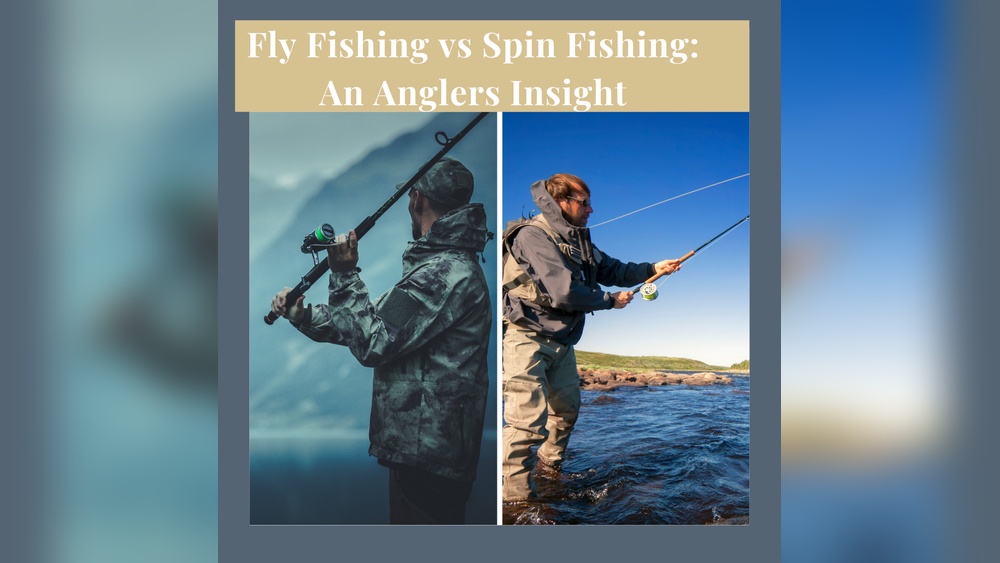
Fly Fishing Vs Spin Fishing: A Complete Guide for Beginners and Enthusiasts
Stepping into the world of fishing, you’ll quickly find two main methods that spark debates and curiosity: fly fishing and spin fishing. Each style has its own tools, techniques, and fans. But which one is right for you? The answer depends on your goals, local waters, budget, and even your patience.
Both methods let you enjoy nature and the thrill of catching fish. But they offer different experiences. If you’re new to fishing, it can be hard to know where to start. Even if you’ve spent some time on the water, you may still wonder if you’re missing out by not trying the other style.
This article will break down the main differences, strengths, and challenges of fly fishing and spin fishing. You’ll learn about gear, techniques, fish species, costs, and much more. We’ll also share some less obvious insights that most beginners miss. By the end, you’ll have a clear idea which style fits your adventure.
What Is Fly Fishing?
Fly fishing is a method that uses a lightweight, artificial lure called a fly. The fly is designed to look like an insect or small creature. The line itself is heavy, helping you cast the almost weightless fly. Unlike other fishing, the art is in “presenting” the fly gently on the water.
Fly fishing is often linked with rivers and streams, especially for catching trout and salmon. However, you can also fly fish in lakes, ponds, and even saltwater.
The Gear
A basic fly fishing setup includes:
- Fly rod: Long, flexible, usually 7 to 10 feet.
- Fly reel: Holds the special line; mostly for line storage, not fighting fish.
- Fly line: Heavy, coated line that provides casting weight.
- Leader and tippet: Clear line that connects the fly line to the fly.
- Flies: Small, hand-tied lures made of feathers, fur, and thread.
Some anglers wear waders to stand in the water and special vests to carry gear.
The Casting Technique
Fly fishing uses a unique casting method. The angler “loads” the rod by swinging it back and forth, letting the line carry the fly. Good casting is about timing and rhythm, not force.
What Is Spin Fishing?
Spin fishing uses a spinning rod and reel to cast a weighted lure or bait. The weight of the lure pulls the line off the reel and into the water. This method is popular with both beginners and experienced anglers.
Spin fishing works in almost any water: rivers, lakes, ponds, and the sea. It’s great for catching a wide range of fish, from bass to pike to perch.
The Gear
A typical spin fishing setup includes:
- Spinning rod: Shorter and stiffer than a fly rod, usually 5 to 8 feet.
- Spinning reel: Mounted below the rod, it helps cast and retrieve the line smoothly.
- Monofilament or braided line: Lighter and thinner than fly line.
- Lures or live bait: Soft plastics, spoons, spinners, worms, or minnows.
Spin anglers often carry tackle boxes with extra hooks, weights, and lures.
The Casting Technique
Spin fishing uses a simple “flick and release” cast. The weight of the lure does most of the work. Beginners can pick up the basics in just a few minutes.
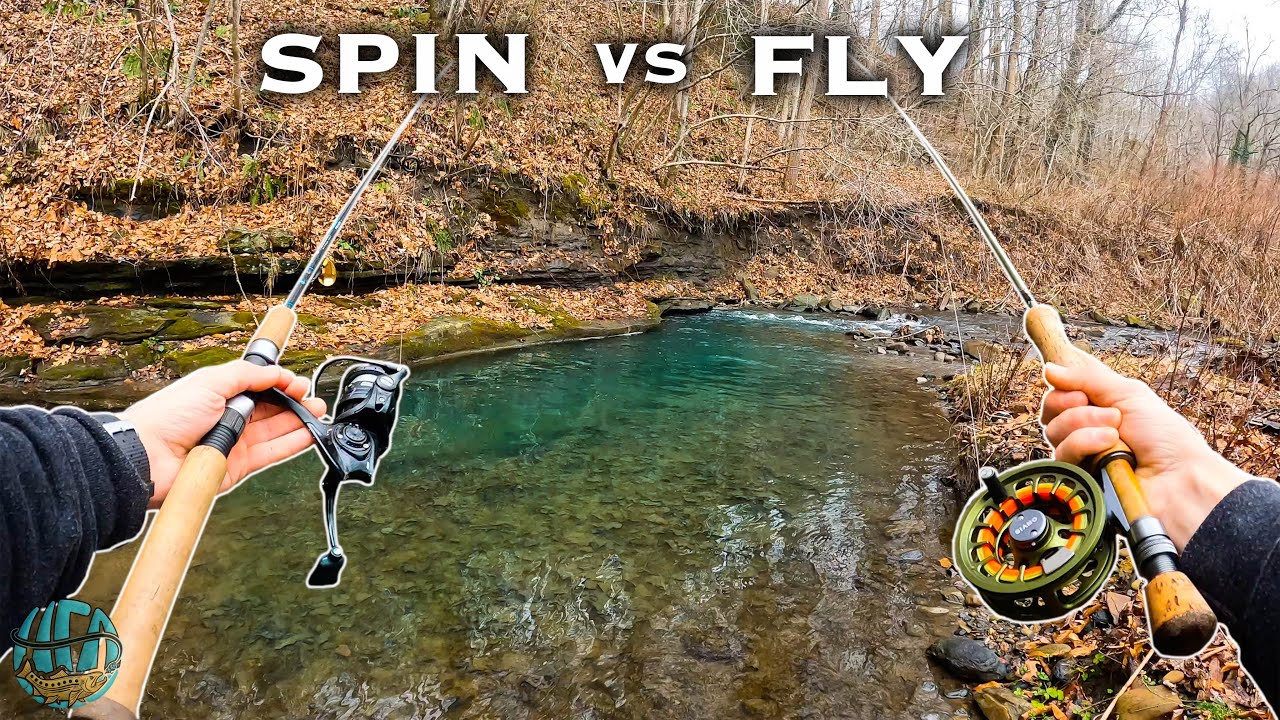
Credit: www.youtube.com
Key Differences Between Fly Fishing And Spin Fishing
To truly understand these two styles, let’s break down their main differences.
| Aspect | Fly Fishing | Spin Fishing |
|---|---|---|
| Rod Length | Usually 7-10 feet | Usually 5-8 feet |
| Line Weight | Heavy fly line | Light monofilament/braided |
| Lure Type | Artificial flies (very light) | Weighted lures or live bait |
| Casting Style | Line-driven, rhythmic casting | Lure-driven, straightforward |
| Water Types | Best for streams/rivers, also lakes | Works in all water types |
| Learning Curve | Steeper, takes time | Gentle, easy for beginners |
Which Fish Can You Catch?
One of the biggest questions is: what can you catch with each style?
Fly Fishing Targets
Fly fishing is famous for catching:
- Trout (rainbow, brown, brook)
- Salmon
- Grayling
- Panfish
- Bass (in some cases)
- Bonefish, tarpon, permit (saltwater)
Most flies mimic insects, so fly fishing shines where fish feed on bugs.
Spin Fishing Targets
Spin fishing is more flexible and can catch:
- Bass (largemouth, smallmouth)
- Walleye
- Pike and muskie
- Perch and crappie
- Catfish
- Trout and salmon
- Saltwater species (redfish, snook, bluefish)
You can use live bait or lures to target almost any fish with a mouth big enough for a hook.
Non-obvious insight: Some large fish (like pike or muskie) are much easier to catch with spinning gear because you can use bigger, heavier lures. Fly fishing for these species requires special gear and skills.
Cost Comparison
Money is a real factor for many. Start-up costs and ongoing expenses can vary a lot.
| Item | Fly Fishing (USD) | Spin Fishing (USD) |
|---|---|---|
| Rod & Reel Combo | $100 – $300+ | $40 – $150+ |
| Line | $30 – $80 | $10 – $25 |
| Lures/Flies | $2 – $5 each | $2 – $10 each |
| Other Gear | Waders, vest, net ($100+) | Tackle box ($20+) |
| Typical Starter Total | $250 – $500 | $70 – $250 |
Fly fishing usually costs more upfront, especially if you buy waders and accessories. Spin fishing can be very affordable, even for families.
Pro tip: Used gear markets and starter kits can lower costs for both styles. But fly fishing gear tends to hold value better over time.
Skill Level And Learning Curve
How Hard Is It To Learn Each Method?
Fly Fishing
- Casting: Requires practice to master timing and technique.
- Knot tying: Several special knots to learn.
- Reading water: You must understand where fish are feeding.
- Presentation: Delicate fly placement is key.
It can take weeks to feel comfortable and years to master.
Spin Fishing
- Casting: Simple and fast to learn.
- Knot tying: Only a few basic knots.
- Presentation: Easier; just reel in the lure.
- Finding fish: Electronics and lures help locate fish.
Most people can catch fish on their first day.
Non-obvious insight: Spin fishing teaches you the basics of fishing quickly. Many experienced anglers start with spinning gear and later move to fly fishing for a new challenge.

Credit: guiderecommended.com
Pros And Cons Of Fly Fishing
Let’s look at the main advantages and disadvantages.
Advantages
- Closer to nature: Quiet, slow-paced, and often done in beautiful streams.
- Challenging and rewarding: Many find the skill and art very satisfying.
- Less harm to fish: Flies often hook fish in the lip, making catch-and-release easier.
- Versatile flies: You can “match the hatch” and imitate nearly any insect.
Disadvantages
- Steep learning curve: Casting and fly selection can be tough.
- Higher cost: Gear and flies add up, especially for wading.
- Wind sensitive: Casting is hard in strong wind.
- Limited by water type: Not ideal for all lakes or deep water.
Pros And Cons Of Spin Fishing
Here’s what makes spin fishing popular—and where it falls short.
Advantages
- Easy to learn: Anyone can start catching fish quickly.
- Works everywhere: Rivers, lakes, ponds, and the sea.
- Handles big fish: Strong gear for large species.
- Affordable: Cheaper gear and less extra equipment.
Disadvantages
- Less “artistic”: Some miss the skill and challenge of fly fishing.
- Can spook fish: Heavier lures hit the water hard.
- Snags and tangles: Spinning reels can get “bird nests” if misused.
- Not as stealthy: Less subtle presentation than a fly.
When To Choose Fly Fishing
Fly fishing is best when:
- The water is shallow and clear
- Fish are feeding on the surface or near it
- You want a challenge and skill development
- You enjoy the art and rhythm of casting
- You fish for trout, grayling, or salmon in rivers
Example: On a cool morning, trout are sipping mayflies off the surface of a mountain stream. A gentle fly cast is your best bet.
When To Choose Spin Fishing
Spin fishing is best when:
- The water is deep, murky, or windy
- You want to cover a lot of water quickly
- Fish are holding deep or are aggressive
- You’re fishing for bass, pike, or saltwater species
- You want the easiest path to catching fish
Example: On a large lake, you cast a spinner near underwater weeds. A bass strikes hard, and your spinning reel helps you land it.
Fly Fishing And Spin Fishing: Which Is More Effective?
This is a common debate, but the answer depends on conditions.
- Fly fishing is more effective when fish are picky and feeding on insects.
- Spin fishing is more effective when you need to fish deep, cover water, or target big, aggressive fish.
Fact: In some competitions, fly anglers outfish spinners when trout are rising to hatches. In other cases, spin anglers win by casting deep-running lures.
Environmental Impact
Both methods can be gentle on the environment when practiced responsibly. However, there are subtle differences.
- Fly fishing often uses barbless hooks and lighter lines, reducing injury to fish.
- Spin fishing sometimes uses live bait, which can harm local species if released.
Advanced tip: Always check local rules. Some waters are “fly fishing only” to protect sensitive fish populations.
Common Mistakes Beginners Make
Learning from others’ mistakes can save you time and money.
Fly Fishing Mistakes
- Forcing the cast: Power does not equal distance. It’s about timing.
- Using the wrong fly: Not matching local insects.
- Overcomplicating gear: Start simple; you don’t need every gadget.
- Ignoring water reading: Casting blindly instead of spotting fish.
Spin Fishing Mistakes
- Overfilling the reel: Leads to tangles.
- Too heavy line: Reduces casting distance and scares fish.
- Retrieving too fast or too slow: Lure action matters.
- Not changing lures: Fish can be picky; experiment with colors and sizes.
Fly Fishing And Spin Fishing In Popular Culture
Both styles have deep roots in history and culture.
- Fly fishing has inspired books, movies, and art. “A River Runs Through It” is a famous story about family and fly fishing in Montana.
- Spin fishing is often seen in family outings, bass tournaments, and televised fishing shows.
In some countries, fly fishing is seen as a “fine art,” while spin fishing is seen as practical and democratic.
Can You Combine Fly And Spin Fishing?
Some anglers use hybrid gear or switch between styles. There are rods that let you use spinning reels with a fly line, or special “bubble floats” to cast flies with spinning gear.
Non-obvious insight: In tough conditions, switching between fly and spin can help you figure out what the fish want. Having both setups in your car means you’re ready for anything.
How To Decide: Fly Fishing Or Spin Fishing?
Ask yourself:
- Do you want quick results or a slow, skillful challenge?
- What fish do you want to catch?
- What waters are near you?
- What’s your budget?
- Do you want to fish solo, with friends, or family?
It’s not about which is “better” but which brings you joy. Many skilled anglers love both and switch depending on the season or mood.
Real-world Examples
- Sarah, a busy professional, loves fly fishing for the calm and focus after a long week. She wades small streams near her home.
- Mike takes his kids spin fishing at the local pond. They catch bluegill and bass, and everyone learns fast.
- Tony fishes for pike in big northern lakes. Spin gear lets him cast big lures and land trophy fish.
- Lily started with spinning but now enjoys fly fishing for mountain trout, finding it more peaceful.
Each story shows how personal fishing styles can be.
Resources For Learning More
- Local fishing clubs offer lessons and loaner gear.
- YouTube channels and online forums have thousands of tutorials.
- Many state agencies offer free fishing days and classes for beginners.
For a deeper dive into fishing methods and history, the Wikipedia Fishing Techniques page is a great start.

Credit: www.youtube.com
Frequently Asked Questions
What Is The Main Difference Between Fly Fishing And Spin Fishing?
The main difference is in the casting and gear. Fly fishing uses a heavy line to cast a light fly, while spin fishing uses a heavy lure to pull light line off the reel. Fly fishing is often more about skill and technique, while spin fishing is simple and direct.
Is Fly Fishing Harder To Learn Than Spin Fishing?
Yes, fly fishing has a steeper learning curve. It takes time to learn casting, knots, and reading the water. Spin fishing is easier for beginners, and most people can catch fish quickly with simple gear.
Can I Catch Big Fish With Fly Fishing?
You can catch big fish with fly gear, but it requires special rods, lines, and flies. Spin fishing is often better for very large or strong fish because you can use heavier tackle and lures.
Which Method Is Better For Kids Or Families?
Spin fishing is usually better for kids and families. The gear is easy to use, and you can catch fish in most waters. Fly fishing is rewarding but can be frustrating for young children or beginners.
Is One Method Better For Conservation?
Both can be conservation-friendly if practiced responsibly. Fly fishing often uses barbless hooks and artificial flies, which is gentler on fish. Spin fishing can also be safe if you use proper techniques and follow local rules.
Fishing is more than just catching fish. It’s about time outdoors, learning, and connecting with nature. Whether you choose fly fishing, spin fishing, or both, you’ll find endless adventures waiting. Try each style, learn from others, and most importantly—enjoy your time on the water.