Many anglers, both new and experienced, often wonder about the behavior of their fishing line in water. One of the most common questions is simple yet important: Does monofilament fishing line float? Understanding this helps you choose the right line for your fishing style, target species, and the lures or baits you prefer. But the answer is not as straightforward as a simple yes or no. The way monofilament line interacts with water affects your fishing success in subtle ways. In this article, we’ll explore the science behind monofilament, compare it to other lines, and explain how its floating properties matter in real-world fishing.
What Is Monofilament Fishing Line?
Monofilament, often called “mono,” is one of the most popular fishing lines worldwide. It is made from a single strand of nylon polymer. This single-strand design gives the line its name: “mono” for one, “filament” for thread or fiber. Monofilament is known for its versatility, low cost, and ease of use. It is available in many strengths and diameters, making it suitable for almost any fishing situation.
Key Features Of Monofilament
- Stretch: Monofilament stretches under pressure, which helps absorb the shock of a sudden strike from a fish.
- Knot Strength: It holds knots well, making it easier to tie reliable connections.
- Visibility: Mono can be clear, blue, green, or even high-visibility colors.
- Abrasion Resistance: While not the toughest, it handles rough surfaces reasonably well.
- Price: Generally, monofilament is less expensive than braided or fluorocarbon lines.
Monofilament’s popularity comes from its forgiving nature—it is easy to handle, resists tangling, and works well in a wide range of fishing environments.
Does Monofilament Fishing Line Float?
The simple answer is: Monofilament fishing line is buoyant and tends to float, but not always perfectly on the surface. Let’s explain what this means and why it happens.
The Science Behind Floating
Monofilament is made from nylon, which is less dense than water. Density is the key factor that decides if something will float or sink. If the material’s density is less than that of water (which is about 1.0 g/cm³), it floats. Most monofilament lines have a density slightly less than water, typically around 1.1 g/cm³. However, because of surface tension and the line’s diameter, monofilament often stays near the surface or just below it.
When you cast monofilament line into water, it may float at first, especially if it’s new and clean. Over time, as the line gets wet, collects dust, or absorbs water, it can start to sink slowly. Thicker monofilament lines float better than thinner ones, but even thin mono lines often stay near the surface longer than other types.
Does Monofilament Always Float?
Not always. Here are some real-world factors that affect if monofilament floats:
- Line Diameter: Thicker lines have more buoyancy.
- Water Type: Saltwater is denser than freshwater, so lines float more in saltwater.
- Line Age and Condition: Old or dirty lines tend to sink faster.
- Line Color and Coating: Some special coatings or dyes can change buoyancy.
- Tension: A tight, stretched line might break the water’s surface tension and sink.
In summary, monofilament floats better than fluorocarbon but not as well as braided line. It usually stays near the surface or floats for a short time, which is why many anglers choose it for topwater lures or when they want their bait to stay above the bottom.
Why Does The Floating Property Matter?
Understanding whether your line floats or sinks is important for your fishing technique and success. Here’s why:
Lure Presentation
If you use lures that work best near the surface—like topwater plugs or floating frogs—a floating line helps the lure stay in the strike zone. A sinking line might pull your lure down unnaturally. For lures that should dive or work near the bottom, you may want a line that sinks.
Bait Depth Control
When fishing with live bait or soft plastics, the line’s buoyancy affects how deep your bait goes. With monofilament, your bait may stay higher in the water, which is good for fish that feed near the surface.
Bite Detection
A floating line can make it easier to see or feel bites, especially if you watch the line on the water. But sometimes, a floating line is more visible to fish, which can reduce bites from wary species.
Line Management
Floating lines are easier to mend or move across the water’s surface, which is important in fly fishing or when drifting bait. Sinking lines can drag in the water, causing slack and reducing hook-setting power.
Comparing Monofilament To Other Fishing Lines
To understand monofilament’s floating ability, it helps to compare it with other popular line types: fluorocarbon and braided line.
| Type | Material | Density (g/cm³) | Buoyancy | Common Use |
|---|---|---|---|---|
| Monofilament | Nylon | ~1.10 | Floats or neutral | Topwater, general use |
| Fluorocarbon | PVDF polymer | ~1.78 | Sinks | Bottom fishing, clear water |
| Braid | Polyethylene fibers | ~0.97 | Floats | Heavy cover, long casts |
Monofilament sits between braid (which floats very well) and fluorocarbon (which sinks quickly). This makes monofilament a good choice for situations where neither extreme is best.
Fluorocarbon Vs. Monofilament
Fluorocarbon is often used for its low visibility and abrasion resistance, but it sinks. If you want your bait to reach the bottom quickly, fluorocarbon is better. For surface or shallow fishing, monofilament’s floating property is a clear advantage.
Braid Vs. Monofilament
Braided line is made from woven fibers, usually Spectra or Dyneema, which are lighter than water. This means braid floats better than monofilament. However, braid has almost no stretch, which can make it harder to fight fish or prevent break-offs with sudden strikes.
Real-world Examples Of Monofilament Floating
Let’s look at a few fishing situations where monofilament’s floating or near-neutral property makes a difference.
Topwater Bass Fishing
When using popper lures or walking baits for bass, you want the line to stay on or just below the surface. Monofilament helps keep the lure moving naturally, so it doesn’t dive or behave unnaturally.
Trout Fishing With Live Bait
For stream fishing, anglers often use monofilament to present worms or insects just under the surface. The floating line keeps bait in the feeding zone without sinking to the bottom or getting caught in rocks.
Saltwater Surf Fishing
In saltwater, monofilament floats even better due to higher water density. This helps keep bait above seaweed and debris, making it more visible to fish.
Float Or Bobber Fishing
When using a bobber, a floating line prevents slack from sinking below the float. This makes it easier to see bites and set the hook quickly.
How To Adjust Monofilament Buoyancy
If you want your monofilament line to float better or sink more, there are tricks and products that can help.
Making Monofilament Float More
- Clean the Line: Dirt and algae make line sink faster. Wipe your line with a damp cloth before fishing.
- Use Line Floatant: Some anglers apply a special gel or spray (sold as “line floatant”) to help the line float.
- Choose Thicker Line: Heavier test lines are more buoyant.
Making Monofilament Sink
- Use Line Sink Paste: Some products make line heavier and break surface tension.
- Add Split Shot: Small weights on the line help it sink, especially when fishing deeper.
- Stretch the Line: Pulling the line tight can help it cut through the surface and sink.
These adjustments let you use monofilament in more fishing situations, giving you flexibility without changing your main line.
Credit: www.wired2fish.com
Common Myths About Monofilament Floating
Many anglers believe things about monofilament that are not completely true. Here are some common myths, and the facts behind them:
- Myth: Monofilament always floats perfectly.
- Fact: It floats at first but may slowly sink, especially when wet or dirty.
- Myth: Thinner line floats better.
- Fact: Thicker monofilament floats better due to more buoyancy.
- Myth: All clear monofilament floats the same.
- Fact: Additives and coatings can change buoyancy, even with clear lines.
- Myth: Monofilament floats better in freshwater.
- Fact: Monofilament floats better in saltwater because saltwater is denser.
- Myth: Once the line sinks, it will never float again.
- Fact: Cleaning or drying the line can restore some floating ability.
Understanding these details helps you make better decisions and avoid disappointment on the water.
Factors That Affect Monofilament’s Floating Ability
Let’s dig deeper into the main factors that change how well monofilament floats.
Line Diameter And Strength
Thicker lines (higher pound-test) float better because they displace more water and have more material for surface tension to work with.
| Line Test (lb) | Diameter (mm) | Floating Tendency |
|---|---|---|
| 4 | 0.20 | Low |
| 10 | 0.30 | Medium |
| 20 | 0.45 | High |
Water Temperature
Cold water is denser than warm water. Lines tend to float better in saltwater, and slightly better in cold water.
Line Age And Condition
Older lines, or lines that have been used for many trips, lose their floating ability as they absorb water or get coated with oils and dirt.
Line Color And Additives
Some colored lines use dyes or UV-blockers that add weight. Specialty monofilament lines for saltwater or abrasion resistance may have extra coatings that affect floating.
Surface Tension
If your line is coated with fish slime, sunscreen, or other materials, it may break the water’s surface tension and start to sink faster.
Credit: www.weltransim.eu
Choosing The Right Line For Your Needs
With so many factors, how do you know if monofilament is the right choice for your fishing?
When To Use Monofilament
- Topwater Fishing: When you want lures to stay up.
- Float/Bobber Fishing: For better bite detection.
- Learning or Casual Use: Easy to tie and manage.
- Budget-Friendly Trips: Lower cost than other lines.
- Fishing in Weedy or Snaggy Areas: Its stretch helps avoid break-offs.
When Not To Use Monofilament
- Deep Water Fishing: Sinking lines reach the bottom faster.
- Heavy Cover or Structure: Braided line cuts through weeds better.
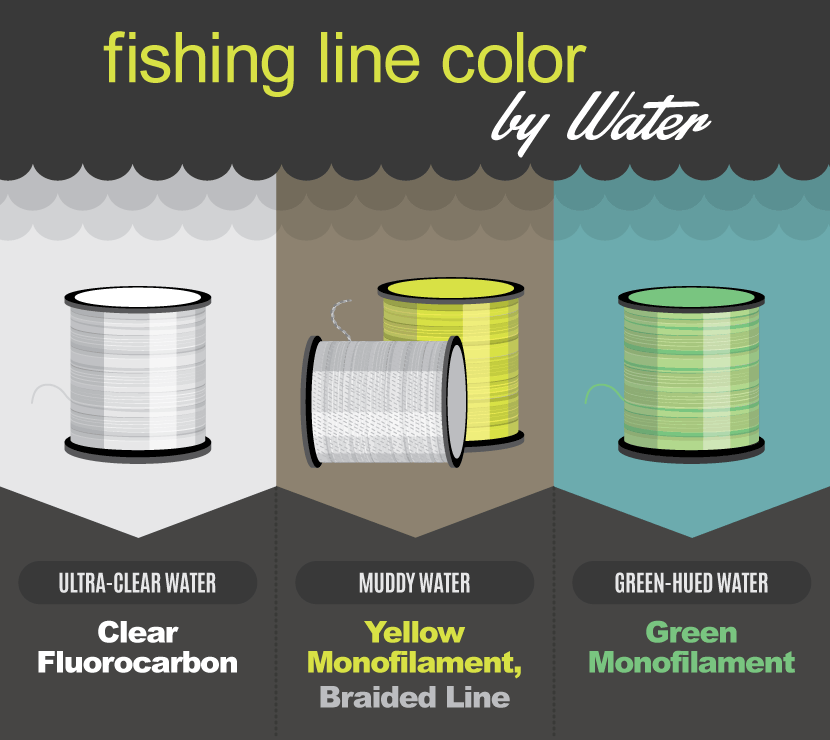
- Super Clear Water: Fluorocarbon is less visible.
- When Maximum Sensitivity Is Needed: Braid transmits bites better.
Non-obvious Insights About Monofilament And Floating
Many beginner anglers miss these important details about monofilament line:
- Line Memory Affects Floating: If your monofilament is coiled tightly, it may float in loops or even create small arches on the surface. This can cause problems with lure action and hook sets. Stretching your line before fishing helps.
- Surface Film on Water: On some lakes, a thin film of pollen, oils, or algae can affect how your line floats. Even floating mono can break through this film and start to sink.
- Ultraviolet (UV) Damage: Monofilament weakens and absorbs water faster after long sun exposure. Old, sun-damaged line sinks more easily.
- Line Treatments: Some brands coat their monofilament with special slick or abrasion-resistant layers. These can make the line heavier and affect buoyancy.
- Knots and Terminal Tackle: Heavy knots, swivels, or hooks can pull floating line below the surface, especially if you use large or metal components.
These points are rarely discussed but make a big difference in real fishing conditions.
Practical Tips For Fishing With Monofilament
To get the best results from your monofilament fishing line, try these proven tips:
- Check Line Regularly: Inspect for nicks, abrasion, or discoloration. Replace line that looks worn or feels sticky.
- Stretch Before Use: Pull out 20–30 feet of line and give it a gentle stretch. This removes memory and helps the line float straighter.
- Keep Line Clean: Wipe the line with a damp cloth to remove dirt and oils before fishing.
- Use Correct Pound-Test: Choose a line strength that matches your target fish and fishing style. Too thin, and it sinks; too thick, and it may spook fish.
- Store Away from Sunlight: UV rays break down monofilament over time.
- Add or Remove Floatant: Adjust line buoyancy with commercial floatants or sink treatments as needed.
- Change Line Seasonally: Even if it looks fine, old monofilament loses its best qualities after a season of use.
Environmental Impact Of Monofilament Fishing Line
While monofilament is popular, it has some environmental downsides. Lost or discarded mono can last for hundreds of years in nature. Birds, fish, and other animals may get tangled in old line. Always collect and properly dispose of used fishing line at recycling bins or take it home.
Many groups, such as the Monofilament Recovery & Recycling Program, encourage anglers to recycle old line. Some companies now offer biodegradable or recycled monofilament options, but these are not yet common.
Credit: www.northlandtackle.com
Advances In Monofilament Line Technology
Modern monofilament lines are not all the same. Some brands use advanced copolymers, UV-resistant coatings, or even special additives to change floating ability. These lines may be labeled as “high-floating” or “neutral buoyancy. ” Always check the manufacturer’s details when choosing a line.
Newer lines can be more abrasion-resistant, last longer, or cast farther. But sometimes, these improvements make the line sink faster. If you want the best floating mono, look for simple, uncoated nylon from a trusted brand.
Summary Table: Monofilament Floating Characteristics
To wrap up the main points, here’s a summary of how monofilament’s floating property changes with common factors:
| Factor | Effect on Floating | Best Practice |
|---|---|---|
| Line Diameter | Thicker lines float better | Choose higher test for floating |
| Water Type | Floats better in saltwater | Consider water type when choosing line |
| Line Age | Old line sinks more | Replace regularly |
| Coatings/Additives | May increase sinking | Read product labels |
| Surface Tension | Broken tension = more sinking | Keep line clean |
Should You Use Monofilament For Floating Applications?
Monofilament is still the most popular fishing line in the world for good reasons. Its ability to float or stay near the surface gives you flexibility for many fishing styles. For topwater lures, float fishing, or when you want a forgiving line with some stretch, monofilament is hard to beat.
But if you need a line that sinks fast, is invisible underwater, or slices through heavy cover, consider other options.
Remember, the best fishing line is the one that matches your target species, water type, and technique. Pay attention to the small details—line condition, thickness, and even water temperature—to get the most out of your monofilament line.
Frequently Asked Questions
Does Monofilament Fishing Line Always Float?
Monofilament usually floats or stays just below the water’s surface, especially when it’s new and clean. However, over time, as it absorbs water, collects dirt, or stretches, it may start to sink slowly. Thicker lines float better than thin ones.
For most fishing situations where floating is important, fresh monofilament performs well.
How Does Monofilament Compare To Fluorocarbon For Floating?
Monofilament floats or stays near the surface, while fluorocarbon line sinks quickly due to its higher density. If you want to fish with lures or bait near the surface, monofilament is better. For deep-water presentations or bottom contact, fluorocarbon is the top choice.
Can I Make My Monofilament Float Better?
Yes. Clean your line before use and apply a commercial line floatant for extra buoyancy. Choosing a thicker line also helps. Avoid letting sunscreen, oils, or dirt get on your line, as these can break surface tension and make it sink.
Does Saltwater Affect How Monofilament Floats?
Saltwater is denser than freshwater, so monofilament lines float better in saltwater. This can be an advantage when surf fishing or targeting fish that feed higher in the water. However, salt and UV rays can also wear out monofilament faster, so check your line regularly.
Is Braided Fishing Line Better Than Monofilament For Floating?
Braided line floats even better than monofilament because it is made from fibers lighter than water. However, braid has almost no stretch and can be harder to handle for beginners. The choice depends on your fishing style, target fish, and preference for line handling.
For more technical details about fishing line properties, visit the Fishing Line Wikipedia page.
Choosing the right fishing line is a small detail that makes a big difference on the water. Understanding if and how monofilament floats gives you an advantage—so you can fish with confidence, whatever your target or technique.