
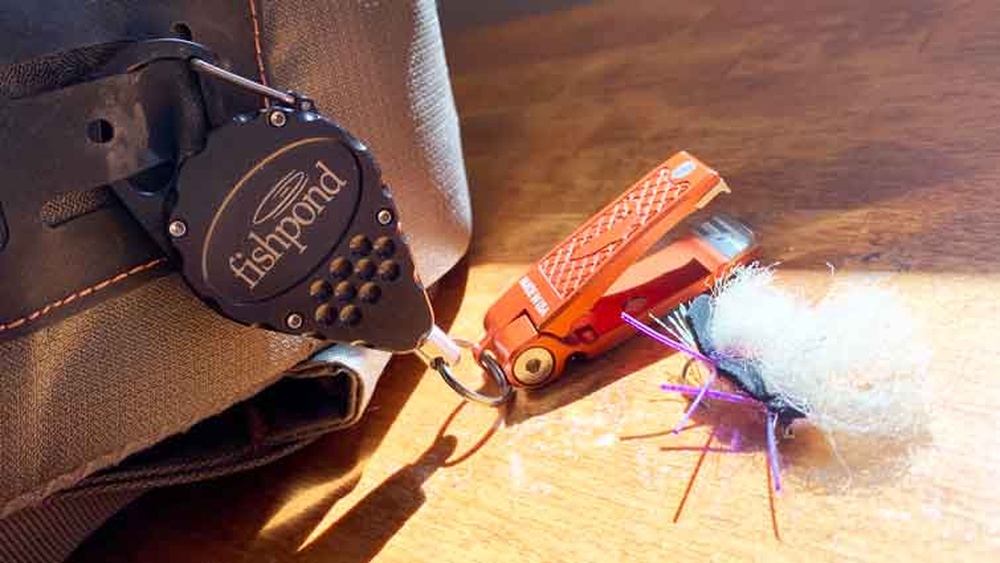
Fly fishing is a world full of unique tools, clever gadgets, and subtle techniques. Some gear is big and obvious, like rods and nets. Others are small but incredibly useful, almost invisible to newcomers. One of these hidden helpers is the zinger fly fishing tool. If you’ve watched experienced anglers on a river, you may have noticed a small round device clipped to their vest, with a thin line stretching out and snapping back. That’s a zinger. It’s not flashy, but it’s a quiet hero that makes fly fishing smoother and more enjoyable.
For those new to fly fishing, understanding every piece of gear can feel overwhelming. Many guides focus on the rod, reel, and flies, while skipping the small items that actually make your time on the water easier. The zinger is one of those tools. It doesn’t help you catch fish directly, but it helps you handle the little jobs that add up: cutting tippet, grabbing nippers, reaching for floatant, and keeping tools out of the river. In this article, you’ll learn what a zinger fly fishing tool is, how it works, why anglers love it, and how to choose the right one for your kit. You’ll also discover practical tips, common mistakes, and answers to questions many beginners have.
What Is A Zinger Fly Fishing Tool?
A zinger in fly fishing is a small retractable device, usually round or oval, with a spring-loaded spool inside. It’s designed to hold and manage your essential tools, like nippers, forceps, or floatant bottles. The zinger attaches to your vest, pack, or jacket with a pin, clip, or carabiner. The tool connects to the zinger’s cord with a split ring or clip. When you pull on your tool, the cord stretches out. When you let go, the cord retracts, pulling the tool back to your chest and out of the way.
The main purpose of a zinger is to keep your tools handy, secure, and organized. Instead of searching through pockets or dropping tools in the water, you have what you need within easy reach, ready to use at any moment.
The retractable cord means your tools won’t dangle, get tangled, or fall into the river if you lose your grip.
There are different names for zingers. Some brands call them retractors, gear keepers, or tool tethers. But in the world of fly fishing, “zinger” is the classic term everyone recognizes.
How Does A Zinger Work?
Inside every zinger is a small spring-loaded reel. The reel holds a thin cord, often made from nylon, Kevlar, or steel wire. One end of the cord is attached to the reel inside the zinger’s body. The other end has a ring or snap, where you attach your tool. The zinger itself fastens to your vest or pack.
When you pull your tool (like nippers or forceps), the cord extends smoothly. The spring inside the zinger resists the pull, keeping a gentle tension. When you’re done, you let go, and the spring pulls the cord—and your tool—back to its resting position.
This design keeps tools close, prevents loss, and saves time.
Some zingers use a pin back (like a safety pin) to attach to fabric. Others use a carabiner clip or a magnetic attachment. The cord length usually ranges from 20 to 36 inches, which gives enough reach for most tasks without creating slack or tangling.
Why Anglers Use Zingers
If you ask seasoned fly anglers about their must-have accessories, many will mention a zinger. Here’s why:
1. Keeps Tools Ready
Fly fishing involves many small tasks: clipping tippet, applying floatant, removing hooks. With a zinger, your tools are always at your fingertips—no searching, no fumbling.
2. Prevents Losing Tools
It’s easy to drop a tool in the river, especially when your hands are cold or you’re focused on a fish. The zinger’s cord keeps your tools attached, so even if you drop them, they snap back instead of sinking.
3. Saves Time And Frustration
Instead of digging through pockets or packs, you pull out your tool, use it, and let it retract. This saves precious seconds, especially when fish are rising and you need to change flies quickly.
4. Reduces Tangles And Clutter
Loose tools can get tangled with lines, other gear, or even clothing. The zinger keeps everything neat and organized, reducing mess and stress.
5. Lightweight And Unobtrusive
A zinger is small and light. You can attach several to your vest without adding bulk. They don’t get in the way or weigh you down.
Common Types Of Zingers
Not all zingers are the same. Over the years, manufacturers have created different designs to suit different needs. Here are the main types you’ll find:
Pin-back Zingers
These classic zingers use a safety pin-style back. You simply pin them to your vest or pack. They are secure and work well on fabric surfaces.
Carabiner Zingers
Instead of a pin, these have a small carabiner clip. You can attach them to D-rings, webbing loops, or zippers. They’re easy to move from one spot to another.
Magnetic Zingers
Some zingers use a strong magnet instead of a cord. You pull your tool away from the magnet to use it and snap it back in place when finished. These are less common but good for certain tools.
Heavy-duty Zingers
These are built with stronger springs and thicker cords. They’re designed to hold heavier tools or for rough environments. Some even have stainless steel cords for saltwater use.
Multi-tool Zingers
Some brands offer zingers with built-in tools, like nippers or knot-tying devices. These are good for anglers who want to carry less gear.
Here’s a simple comparison of the most common zinger types:
| Type | Attachment | Best For | Weakness |
|---|---|---|---|
| Pin-Back | Pin/Safety Pin | Vests, Packs | Can damage fabric |
| Carabiner | Clip | D-rings, Loops | May slip if not clipped well |
| Magnetic | Magnet | Forceps, Nets | Weaker hold, limited use |
| Heavy-Duty | Pin/Clip | Heavy Tools | Heavier, more expensive |

Credit: drifthook.com
What Tools Do Anglers Attach To A Zinger?
Anglers use zingers for many small tools. The best tools to attach are those you use often and want to keep handy. Here are the most common:
- Nippers – These are small cutters for trimming tippet and leader. Probably the most common tool on a zinger.
- Hemostats/Forceps – Used for removing hooks or pinching barbs. Some anglers prefer a retractable zinger, others use a holster.
- Floatant Bottles – Used for keeping dry flies floating high. A zinger keeps floatant easy to grab.
- Hook Sharpeners – For keeping hooks sharp on the water.
- Knot-Tying Tools – Helpful for tying small knots, especially in cold or wet conditions.
- Thermometers – To check water temperature quickly.
- Small Flashlights – For early morning or late evening fishing.
You can attach almost any lightweight tool. Just be careful not to overload a single zinger; most are made for items under 2 ounces.
How To Choose The Right Zinger
Picking the right zinger might seem simple, but a few details matter. Here’s what to consider:
Cord Strength And Length
Most zinger cords are 20–36 inches long. Longer cords give more reach, but can tangle. Shorter cords are more secure but limit movement. The cord should be strong enough for your tool, but not so heavy that it’s stiff or awkward.
Attachment Method
- Pin-back is best for soft fabric vests.
- Carabiner is better for packs with loops or D-rings.
- Magnetic zingers are good for quick-release tools.
Durability
Cheap zingers can break, especially the spring or cord. Look for stainless steel or high-quality plastic. If you fish in saltwater, make sure the zinger is corrosion-resistant.
Spring Strength
A weak spring won’t retract tools well. Too strong, and it can snap back hard or break. Most quality brands balance spring tension for common tools.
Price And Warranty
Most zingers cost between $5 and $20. Some premium models cost more but last longer. Check if the brand offers a warranty or replacement policy.
Here’s a quick comparison of typical zinger features:
| Feature | Budget Zinger | Premium Zinger |
|---|---|---|
| Material | Plastic | Stainless Steel/Aluminum |
| Cord | Nylon | Kevlar/Steel |
| Attachment | Pin | Pin/Carabiner |
| Warranty | None/Short | Long/Replacement |
| Price | $5–$10 | $15–$30 |
How To Attach And Use A Zinger Properly
Even a simple tool works best with good habits. Here’s how to set up and use your zinger for fly fishing success:
Attaching The Zinger
- Find a Convenient Spot – The chest area of your vest or the strap of your pack is ideal. Pick a place you can reach easily with your dominant hand.
- Secure the Zinger – Use the pin, clip, or carabiner to attach the zinger firmly. Make sure it won’t rotate or twist as you pull tools.
- Attach Your Tool – Use the split ring or snap to connect your tool. Double-check that the ring is closed and secure.
Using The Zinger
- Pull the tool straight out—don’t yank at an angle, which can stress the cord or spring.
- Use your tool as needed, then let it retract gently. Don’t let it snap back hard, which can damage the zinger or your vest.
- Regularly check the cord for wear and the attachment points for looseness.
Pro Tips
- If you use two zingers, put your most-used tool on your dominant side and the second on your weak side.
- In cold weather, keep your zinger outside your jacket but inside your waders to prevent freezing.
- If you fish saltwater, rinse your zinger with fresh water after each trip to prevent corrosion.
Common Mistakes With Zingers
Beginners often make small errors with zingers that can lead to lost tools or frustration. Here are some to avoid:
Overloading
Attaching heavy tools (like large pliers or nets) to a standard zinger can break the cord or spring. Use heavy-duty zingers for heavier items.
Poor Placement
Attaching a zinger too low or in a hard-to-reach spot slows you down. Test the position before you start fishing.
Ignoring Wear
Zinger cords can fray or snap after months of use. Inspect them regularly, especially before long trips.
Letting Tools Snap Back
Allowing tools to slam back into the zinger can damage the spring, tool, or even your vest. Guide them back gently.
Not Rinsing After Saltwater Use
Salt water corrodes springs and cords quickly. Always rinse and dry your zinger after a saltwater trip.
Zinger Alternatives
While zingers are popular, some anglers use alternatives:
- Lanyards – Neck lanyards with tool clips keep gear handy but aren’t retractable.
- Tool Holsters – Special pockets or holsters on vests.
- Coiled Retractors – Springy plastic coils instead of cord.
- Magnets – For nets and forceps, sometimes paired with a tether.
Each has its fans, but for most small tools, a zinger is the simplest and most effective solution.
Maintenance Tips For Long-lasting Zingers
A well-maintained zinger can last for years. Here’s how to keep yours working smoothly:
Clean Regularly
Dirt, sand, and grit can get into the spring mechanism. Rinse your zinger in clean water and let it dry after every trip.
Lubricate The Spring
If your zinger starts to feel sticky, a tiny drop of silicone spray can help. Avoid oil-based lubricants, as they attract dirt.
Inspect For Damage
Check the cord, ring, and attachment point before every trip. Replace at the first sign of serious wear.
Store Properly
When not in use, keep your zinger in a dry place. Don’t leave it in direct sunlight or a hot car, which can weaken plastic parts.
Zingers And Fly Fishing Safety
It may seem minor, but proper use of a zinger also improves safety. Hanging tools can catch on lines, hooks, or brush. A retractable zinger keeps sharp objects close to your body and out of the way. This helps prevent accidental pokes, cuts, or lost gear during wading.
Also, anglers sometimes wade in deep water or move quickly to net a fish. Tools secured with a zinger won’t swing or hit you, and if you fall, they won’t snag on rocks or roots.
Real-world Examples And Insights
Many fly fishers have stories of tools lost to the river. One common tale: an angler bends over to release a fish, and a nipper slips from a pocket, vanishing in the current. With a zinger, that tool would have snapped back to safety.
Another insight many beginners miss: zingers save time during busy hatches. When trout are feeding heavily, changing flies quickly is crucial. With your nippers and floatant always ready, you spend less time searching for tools and more time fishing.
Some guides use color-coded zingers: blue for nippers, red for floatant, green for thermometers. This makes it easy to grab the right tool, even in low light or when wearing gloves.

Credit: guiderecommended.com
Environmental Impact: Small Gear, Big Difference
Losing tools in the river isn’t just a hassle—it adds metal and plastic to the water. Using a zinger reduces litter and helps keep rivers clean. Some zingers now use recycled materials, adding an extra layer of environmental responsibility.
How Zingers Have Evolved
Zingers have changed over the years. Early models used simple steel springs and fabric cords. Today’s versions use Kevlar cords, corrosion-resistant springs, and ergonomic shapes. Some even have UV-resistant bodies and lifetime warranties.
Brands like Fishpond, Simms, and Loon Outdoors offer high-quality zingers built for serious anglers. There are even custom zingers with laser-etched logos for fly fishing clubs or guides.
For more on the history of fly fishing tools, you can visit the Wikipedia page on fly fishing.
Where To Buy Zingers
You can find zingers at most fly shops, outdoor stores, and online retailers. Prices range from a few dollars for basic models to $30 or more for heavy-duty versions. If you’re just starting, a simple $10 zinger is usually enough.
As you fish more, you’ll discover what features matter most for your style.
Frequently Asked Questions
What Is The Main Difference Between A Zinger And A Retractor?
A zinger and a retractor are almost the same. Both use a spring-loaded cord to keep tools handy. In fly fishing, “zinger” is the more common word, but some brands use “retractor.” The design and function are usually identical.
Can I Use A Zinger For Heavy Tools Like Pliers Or Landing Nets?
Standard zingers are made for light tools (under 2 ounces). For heavier items like pliers or nets, look for heavy-duty zingers with steel cables and stronger springs. Using a regular zinger for heavy tools can break the cord or spring.
How Do I Fix A Broken Zinger?
If the cord or spring breaks, most zingers can’t be fixed easily. Some high-end brands offer replacement parts or warranty swaps. For cheap zingers, it’s usually better to buy a new one. Always check the product’s warranty before purchasing.
How Many Zingers Should I Use On My Vest Or Pack?
Most anglers use one or two zingers—one for nippers, one for floatant or forceps. Too many can add clutter. Place them where you can reach them quickly without crossing your arms.
Are There Any Safety Concerns With Zingers?
Zingers are generally safe, but the cord can snap back quickly if released. Always guide tools back instead of letting them fly. Avoid attaching very sharp or heavy items to a standard zinger.
Fly fishing is about enjoying the water and the moment. Small tools like zingers help keep the focus on fishing, not fumbling with gear. Once you start using one, you’ll wonder how you ever fished without it.

Credit: drifthook.com