
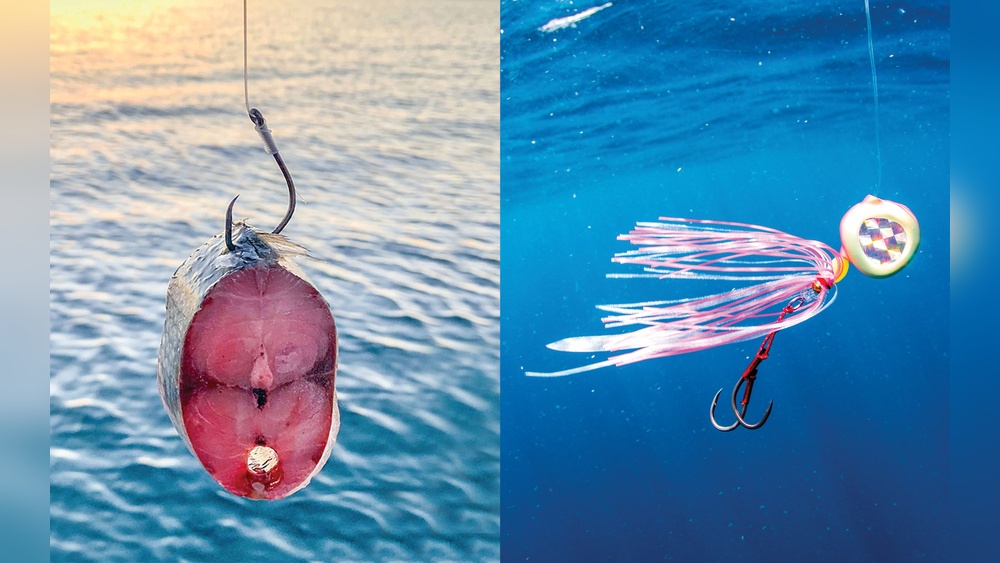
Lure Fishing Vs Bait Fishing: A Complete Comparison
Fishing is more than just a hobby—it’s a passion for millions of people around the world. Yet, one debate keeps popping up wherever anglers gather: lure fishing vs bait fishing. Which one is better? Is it about catching more fish, enjoying the process, or simply about trying different tactics? If you’re new to fishing or even a seasoned angler, knowing the differences between these two methods can help you make smarter choices and enjoy your time by the water even more.
Both lure fishing and bait fishing have their fans. Some say lures are exciting and active, while others love the patience and simplicity of using live bait. But which method really fits your needs and style? In this article, we’ll break down every detail you need to know.
You’ll learn about techniques, gear, species targeted, costs, environmental impact, and much more. By the end, you’ll have a clear picture of which style will help you catch more fish—and have more fun.
What Is Lure Fishing?
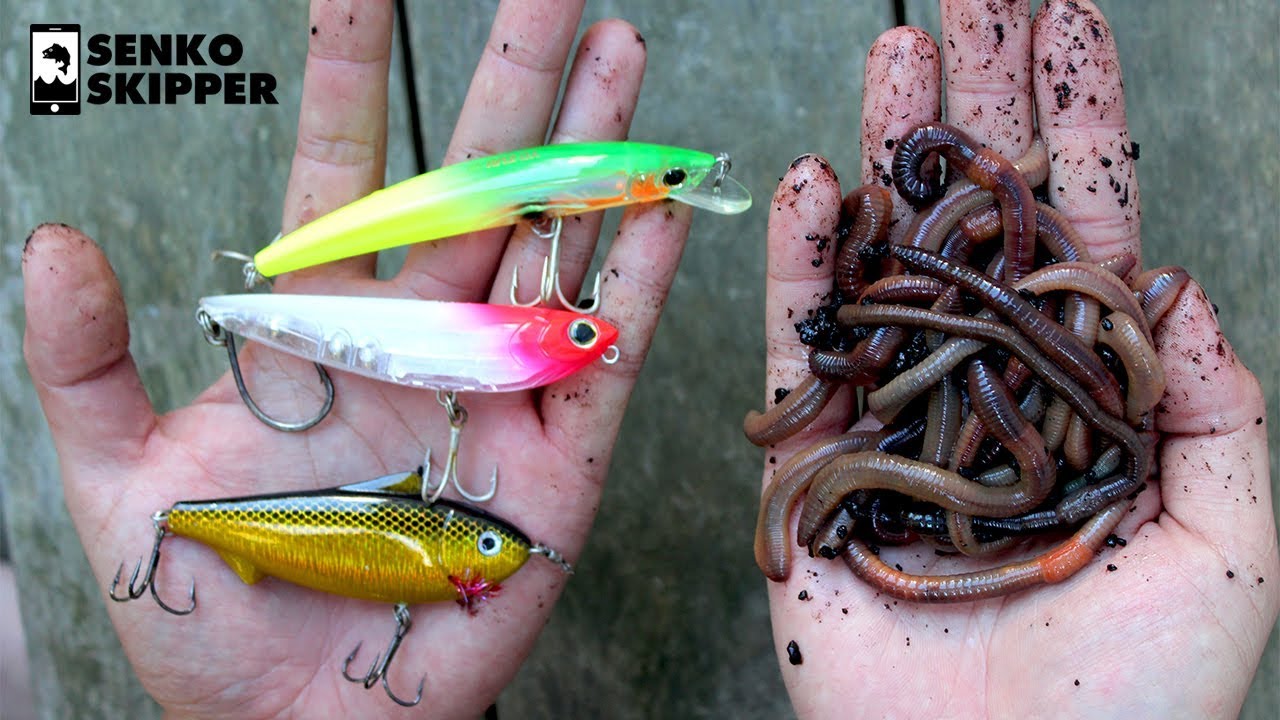
Lure fishing means using an artificial object, called a lure, to attract and catch fish. Lures are made from plastic, metal, or wood, and are designed to look or move like prey—such as small fish or insects. You cast the lure, then retrieve it, making it swim or wiggle in a way that triggers a fish’s instinct to strike.
Some popular types of lures include:
- Spinners: Spin as they move, flashing and vibrating to attract fish.
- Crankbaits: Imitate small fish, often with built-in rattles.
- Soft plastics: Flexible lures that mimic worms or creatures.
- Topwater lures: Float on the surface and create splashes.
Lure fishing is often considered more active and hands-on. You need to move, cast, and retrieve the lure in different ways to make it look natural. This style rewards creativity and quick thinking.
What Is Bait Fishing?
Bait fishing uses real, natural food to attract fish. This can be live bait (like worms, minnows, or insects) or dead bait (such as cut fish or dough). You place the bait on a hook, cast it out, and wait for a fish to bite. The scent and taste of the bait draw fish in.
Common baits include:
- Nightcrawlers and worms: Very popular for many species.
- Minnows: Used alive or dead for bigger fish.
- Corn or dough balls: For carp and some panfish.
- Shrimp or cut bait: Used in saltwater or for catfish.
Bait fishing is usually more relaxed. You can let the bait sit and wait for a bite, making it a good choice for beginners or those who enjoy a calm day by the water.
Credit: www.youtube.com
Key Differences Between Lure And Bait Fishing
To really understand which method might suit you, let’s compare lure fishing and bait fishing side by side.
| Aspect | Lure Fishing | Bait Fishing |
|---|---|---|
| Attraction Method | Visual and movement-based | Scent and taste-based |
| Activity Level | Active, requires casting and retrieving | Passive, often waiting for a bite |
| Gear Needed | Variety of lures, often lighter rods | Hooks, sinkers, live bait containers |
| Species Targeted | Predatory fish (bass, pike, trout) | Wide range, including non-predators |
| Cost Over Time | Higher initial, lower ongoing | Lower initial, higher ongoing |
Many anglers switch between both methods depending on where they fish or what species they’re after.
Gear And Equipment: What You Need
Lure Fishing Gear
If you want to start lure fishing, you’ll need:
- Rod and reel: Medium or light action rods are common.
- Lures: A selection for different depths and actions.
- Line: Monofilament, fluorocarbon, or braid—depending on the water and target species.
- Tackle box: For organizing lures, hooks, and tools.
- Pliers and scissors: For removing hooks and cutting line.
A big advantage here: you don’t need to keep live bait alive or fresh.
Bait Fishing Gear
For bait fishing, prepare:
- Rod and reel: Medium to heavy rods, depending on the fish.
- Hooks and sinkers: To present the bait correctly.
- Live bait container: If you’re using worms, minnows, or other live bait.
- Bait: Regularly refreshed or purchased.
- Bobbers or floats: To keep bait at the right depth and signal a bite.
Unlike lure fishing, you’ll need to buy or collect bait regularly, and sometimes keep it alive—a challenge in hot weather.
Species And Situations: When To Use Each Method
Lure Fishing
Lure fishing works best for predatory fish—these are species that chase and attack moving prey. Examples include:
- Bass (largemouth, smallmouth)
- Pike and muskellunge
- Walleye
- Trout
- Saltwater species (like redfish and snook)
It’s ideal in clear water where fish can see the lure, and in places where you need to cover a lot of water to find active fish.
Bait Fishing
Bait fishing can catch almost anything that eats. It shines when:
- Fish are inactive or not feeding aggressively.
- The water is murky or cold.
- Targeting bottom feeders like catfish or carp.
- Fishing for panfish, such as bluegill or crappie.
Bait is also often more effective in rivers or lakes with slow currents, where scent can travel and attract fish.
Technique And Skill Level
Learning Curve
Lure fishing has a steeper learning curve. You need to:
- Choose the right lure for conditions.
- Master casting accuracy and distance.
- Use different retrieve speeds and actions.
- Switch lures if one isn’t working.
Bait fishing is easier for beginners. You just:
- Attach the bait.
- Cast and wait.
- Watch for bites.
But advanced bait anglers also develop skills—like knowing the best spots, bait presentation, and timing.
Activity Level
Lure fishing keeps you moving. You’re always casting, retrieving, and thinking about how to “work” the lure. Bait fishing is more about patience and observation. Some days, the most skilled thing you do is simply wait quietly.
Cost: Short And Long Term
Let’s break down the costs of both methods.
Lure Fishing Cost
- Start-up: Lures can cost $3–$15 each. You’ll want several types, so the first trip can be expensive.
- Ongoing: Lures last for years if not lost. After the first few purchases, costs drop.
- Maintenance: Lures need cleaning but not replacing often.
Bait Fishing Cost
- Start-up: Hooks and sinkers are cheap.
- Ongoing: Constant need to buy bait—worms, minnows, or prepared baits.
- Maintenance: Live bait can die, spoil, or escape.
The hidden cost in bait fishing is time spent buying or gathering bait, and sometimes special equipment to keep it alive.
Environmental Impact
Lure fishing is often seen as less harmful to the environment. Lost lures are usually made of materials that don’t pollute as much as rotting leftover bait. Catch-and-release survival is higher with artificial lures, as fish are less likely to swallow the hook deeply.
Bait fishing has risks. Leftover live bait can introduce invasive species if released. Rotten bait can harm water quality. Some places even ban live bait to protect local ecosystems.
Regulations And Restrictions
Always check local fishing laws. Some lakes and rivers restrict certain methods:
- Bait bans: To prevent spreading disease.
- Lure-only zones: To protect fish populations.
- Barbless hooks required: For easier release.
Fines for breaking these rules can be high. Responsible anglers keep up-to-date with local regulations.
Pros And Cons Of Lure Fishing
Understanding the advantages and drawbacks helps you decide when to use lures.
Pros
- Active and engaging: Keeps you moving and thinking.
- Reusable: Lures last for many trips.
- Less mess: No need for live bait.
- Effective for aggressive fish: Triggers reaction strikes.
- Covers more water: Find active fish faster.
Cons
- Higher initial cost: Good lures are not cheap.
- Can lose lures: Snags can get expensive.
- Less effective for passive fish: Some species don’t chase lures.
- Skill required: Not as simple for beginners.
- Needs clear water: Lures lose power in muddy water.
Pros And Cons Of Bait Fishing
Bait fishing also has clear strengths and weaknesses.
Pros
- Simple to learn: Great for kids and beginners.
- Works for many species: Even non-predatory fish.
- Effective in tough conditions: Cold, muddy, or low-activity periods.
- Natural scent and taste: Hard for fish to resist.
- Relaxed pace: Perfect for a slow day.
Cons
- Ongoing cost: Constant need to buy or collect bait.
- Messy: Handling live or dead bait isn’t for everyone.
- Bait can die or spoil: Needs proper storage.
- Risk of deep hooking: Harder for catch-and-release.
- Can attract unwanted species: Sometimes too effective.
Practical Examples: When To Use Each Method
Imagine you’re fishing a clear lake in spring. Bass are feeding near the surface. Lure fishing with a topwater bait can bring explosive strikes and exciting action.
Now, picture a cold, muddy river in autumn. Fish are sluggish and not chasing much. Bait fishing with worms on the bottom will likely catch more.
If you’re introducing kids to fishing, bait fishing keeps things easy. For experienced anglers looking for a challenge, lure fishing offers variety and skill-building.
Common Mistakes In Lure And Bait Fishing
Lure Fishing Mistakes
- Using the wrong lure: Not matching size or color to the local prey.
- Retrieving too fast or too slow: Not adapting to fish behavior.
- Ignoring weather and water clarity: Lures work best when visible.
- Neglecting knots and line strength: Losing big fish to weak gear.
Bait Fishing Mistakes
- Using old or dead bait: Fish want fresh, lively options.
- Fishing in the wrong spot: Bait won’t help if fish aren’t there.
- Not adjusting depth: Some fish feed deeper or shallower.
- Leaving bait in the sun: Spoiled bait won’t catch anything.
A non-obvious tip: In both styles, presentation matters more than price. A cheap, well-presented lure or fresh bait will out-catch fancy gear if used correctly.
Weather And Seasonal Factors
Lure fishing shines in warm water and clear conditions—fish are aggressive and rely on sight. In cold or murky water, bait fishing usually comes out ahead, as fish use smell and taste to feed.
During spawning seasons, many species won’t chase lures but will pick up an easy meal—another time to switch to bait.
Social And Cultural Aspects
Bait fishing is often a family or social event. Groups gather, set out lines, and relax together. Lure fishing can be more solo and focused, with anglers moving along the shore or in boats, trying different spots.
In some cultures, traditional bait fishing is part of local heritage. In others, competitive lure fishing tournaments draw big crowds and prizes.
Which Is Better For Catch-and-release?
Lure fishing is generally better for catch-and-release. Fish are usually hooked in the mouth, making release quicker and safer. Bait fishing can result in fish swallowing the hook, leading to injury.
If you plan to release your catch, use circle hooks when bait fishing—they reduce deep hooking and increase fish survival.

Credit: www.blackmagictackle.com
Technology And Modern Developments
Modern lures now use realistic 3D printing, scent-infused plastics, and even built-in electronics. Some bait containers keep bait alive for days using battery-powered aerators.
Fishing apps and online forums have made it easier to learn both methods. You can even watch underwater videos showing how fish react to lures versus bait.
Table: Quick Reference Guide
Here’s a summary to help you decide which method to use.
| Situation | Best Method | Why |
|---|---|---|
| Clear, warm water | Lure fishing | Fish are active and see lures well |
| Cold, muddy water | Bait fishing | Fish rely on smell, not sight |
| Family fishing day | Bait fishing | Easy and relaxed for all ages |
| Competitive fishing | Lure fishing | Allows covering more water, faster strikes |
| Targeting non-predators | Bait fishing | Works for carp, catfish, panfish |
| Catch-and-release focus | Lure fishing | Less risk of deep hooking |
Final Thoughts: Which Should You Choose?
There’s no single answer for every angler. Both lure fishing and bait fishing offer unique experiences and challenges. If you like action and variety, lures are hard to beat. If you prefer a laid-back style or want to catch a wider range of species, bait fishing is reliable and easy to learn.
Many successful anglers use both methods, switching based on the season, location, and fish behavior. The best way to find your favorite is to try both. Don’t be afraid to experiment—fishing is about learning, adapting, and enjoying nature.
Want to go deeper? Check out this resource from the Wikipedia: Fishing for more background and history.
Frequently Asked Questions
Is Lure Fishing Better Than Bait Fishing For Beginners?
For most beginners, bait fishing is easier to start with. It’s simple to set up, and the natural scent of bait attracts more fish, even if your technique isn’t perfect. Lure fishing can be more challenging at first but is rewarding as you develop skills.
Can You Use Both Lures And Bait On The Same Trip?
Yes, many anglers bring both. If the fish aren’t biting on lures, switch to bait, or vice versa. Some rigs even let you combine a small lure with a piece of bait for extra attraction.
Which Method Catches More Fish?
There’s no clear winner. In some conditions, lures catch more, especially for active predatory fish. In tough conditions or for bottom feeders, bait fishing often catches more. Local knowledge and adapting to the situation are key.
Is It True That Bait Fishing Is Bad For The Environment?
Not always, but there are risks. Using live bait can introduce invasive species if not handled responsibly. Always use bait approved for your fishing area, and never release leftover bait into the water.
Do Artificial Lures Really Look Like Real Prey To Fish?
Modern artificial lures are designed to mimic the look, movement, and even sound of real prey. While not perfect, they can trigger strong reactions from fish—sometimes even more than real bait, especially in clear water.
Fishing is a journey of learning and discovery. Whether you choose lures, bait, or both, the most important thing is to enjoy the experience and respect the water and wildlife around you.

Credit: www.youtube.com