
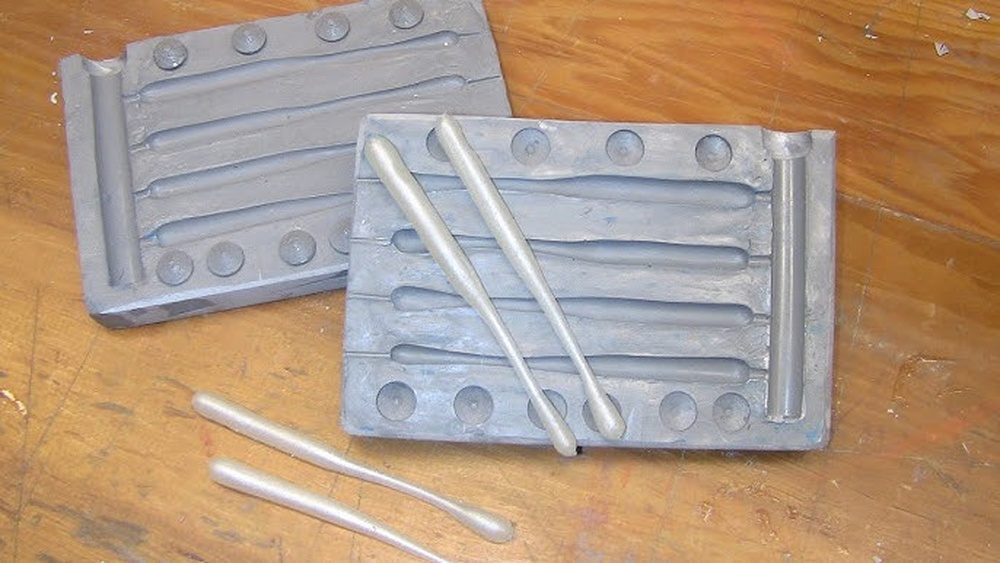
Making your own soft plastic fishing lure molds is a creative and cost-saving way to enjoy fishing even more. Whether you want to copy your favorite store-bought lure or invent a new design, molding your own lures lets you experiment, customize, and catch more fish. Many anglers believe making lures is difficult or requires expensive equipment, but with the right approach, almost anyone can produce professional-looking results at home. This guide will walk you through every step, reveal common mistakes, and share tips you rarely see in beginner articles. You’ll learn not just the “how,” but also the “why,” so your lures turn out soft, flexible, and fish-ready.
Why Make Your Own Soft Plastic Lure Molds?
Making your own molds offers several advantages. First, you can create custom shapes and colors that aren’t available in stores. This is important for fishing spots where fish have learned to avoid standard lures. Second, homemade molds save money in the long run, especially if you fish often or lose lures regularly. Third, the process itself is a satisfying hobby—turning an idea into a finished lure is rewarding and fun.
Another benefit is the ability to tweak the softness or texture of the lure. Some fish respond better to very soft plastics, while others prefer tougher ones. Store-bought lures don’t always offer this level of control.
Types Of Soft Plastic Lure Molds
Before you start, it’s important to know the main types of molds anglers use. Each has unique strengths and weaknesses.
1. One-part Molds
These are the simplest. You press a lure (or a carved shape) into a flat slab of molding material to create a single cavity. One-part molds work best for flat or simple lures, like worms or grubs.
2. Two-part Molds
Two-part molds are used for more complex lures with details on all sides. You sandwich the lure between two slabs of molding material, then split them after curing. This type allows for more realistic shapes.
3. Injection Molds
These are advanced molds that let you inject hot plastic with a syringe or injector. They’re great for making multiple lures quickly and with consistent quality. However, they require more skill and sometimes more expensive materials.
4. Open-pour Molds
Open-pour molds are usually simple, single-sided molds where you pour liquid plastic directly into the cavity. They work well for stick baits and other basic shapes.
Here’s a quick comparison of the main mold types:
| Mold Type | Complexity | Best For | Skill Level |
|---|---|---|---|
| One-Part | Low | Simple, flat lures | Beginner |
| Two-Part | Medium | 3D, detailed lures | Intermediate |
| Injection | High | Bulk production | Advanced |
| Open-Pour | Low | Basic, stick baits | Beginner |
Essential Materials And Tools
To make soft plastic lure molds, you’ll need some basic supplies. Here’s a breakdown of what you’ll use and why each is important.
- Prototype lure or master model: This is the shape you want to copy. You can use an existing lure or carve one from wood, clay, or even foam.
- Mold material: Most anglers use silicone rubber, but you can also use plaster of Paris or even some types of resin. Silicone is best for detailed, reusable molds.
- Mixing cups and sticks: For mixing silicone or plaster. Use disposable ones for easy cleanup.
- Release agent: A spray or liquid that keeps the mold from sticking to your prototype. Petroleum jelly can also work.
- Plasticine or modeling clay: Used to build walls around your prototype, especially for two-part molds.
- Craft knife or scalpel: For cutting and trimming.
- Measuring scale: Ensures accurate ratios, especially when mixing silicone.
- Hot glue gun or super glue: For fixing the prototype in place.
- Safety gear: Gloves, safety glasses, and a mask if working with chemicals.
- Soft plastic lure making supplies: Once your mold is finished, you’ll need soft plastic, coloring, glitter, and scent additives.
Step-by-step Guide: Making A Soft Plastic Lure Mold
Let’s walk through the process of making a two-part silicone mold, which is the most versatile for home lure makers.
Step 1: Prepare Your Workspace
Choose a well-ventilated area with a flat surface. Cover the area with newspaper or plastic sheets to protect from spills. Gather all your tools and materials so you’re not scrambling mid-process.
Step 2: Select Or Create Your Master
Pick a lure you want to copy, or sculpt a new shape from clay or wood. The smoother and cleaner your prototype, the better the final mold. If there are defects, sand or fill them before moving on.
Non-obvious tip: Avoid using soft or flexible prototypes, as they can deform during the molding process.
Step 3: Build A Mold Box
A mold box holds the silicone around your prototype. You can make one from LEGO bricks, plastic containers, or even cardboard. The box should be at least 1 cm (about ½ inch) larger than your lure on all sides.
Beginner mistake: Using a box that’s too big wastes silicone, while one that’s too small risks leaks.
Step 4: Place The Master And Add Clay
Press your prototype halfway into plasticine or modeling clay inside the mold box. The flat side of the lure should be flush with the clay’s surface. This creates a clean dividing line for your two mold halves.
Press small marbles or beads into the clay around the lure to create alignment keys—these help the mold fit together perfectly later.
Step 5: Apply Release Agent
Spray or brush a thin layer of release agent over the lure and clay surface. This prevents the silicone from sticking where you don’t want it.
Step 6: Mix And Pour The First Half Of Silicone
Carefully follow the instructions on your silicone rubber. Usually, you mix two parts by weight or volume. Mix slowly to avoid bubbles.
Pour the silicone gently into the mold box, starting in a corner and letting it flow around the lure. Fill until the lure is completely covered by about 1 cm.
Tap the sides of the box to release trapped air. Let it cure as directed—usually 6 to 24 hours.
Step 7: Remove Clay And Prepare For Second Pour
Once the first half is cured, flip the mold over and remove the clay carefully. The lure should now be embedded in one half of cured silicone.
Clean off any clay residue from the lure and mold. Re-apply release agent to the exposed silicone and the lure.
Step 8: Pour The Second Half
Mix a new batch of silicone and pour it over the exposed side, just like before. Allow this half to cure fully.
Non-obvious insight: If you skip the release agent at this stage, the two silicone halves will fuse, ruining your mold.
Step 9: Demold And Trim
Once both halves are cured, gently pull the mold box apart. Open the silicone mold and carefully remove your prototype. Trim away any flashing (thin silicone that leaked between the halves).
Cut a channel (called a sprue) where you will pour or inject your soft plastic. Also, make small air vents if your lure is complex—these help plastic fill every detail.
Step 10: Test The Mold
Before making lures, fit the two halves together without any plastic inside. They should align snugly, with no big gaps. If the fit is off, trim or adjust as needed.
Pouring Soft Plastics: Using Your Homemade Mold
With your mold ready, it’s time to create soft plastic lures. Here’s how:
- Heat the plastic: Use a microwave-safe cup to heat soft plastic (plastisol) until it’s clear and pourable (about 170°C or 340°F). Stir gently to avoid bubbles.
- Add color and glitter: Mix in colorant and glitter for the look you want. You can also add scent at this stage.
- Pour or inject: Pour the hot plastic into the mold through the sprue. For injection molds, use a plastic injector for better detail.
- Let it cool: Allow the plastic to cool and set (about 5-10 minutes).
- Demold and finish: Open the mold and remove your lure. Trim off any excess plastic from the sprue or vents.
- Cure the lure: For best results, let your lures sit for 24 hours before using them.
Practical Tips For Perfect Results
- Use clamps or rubber bands to hold the mold halves tight while pouring.
- Dust the inside of the mold with corn starch to help release tricky shapes.
- Store your molds flat to avoid warping over time.
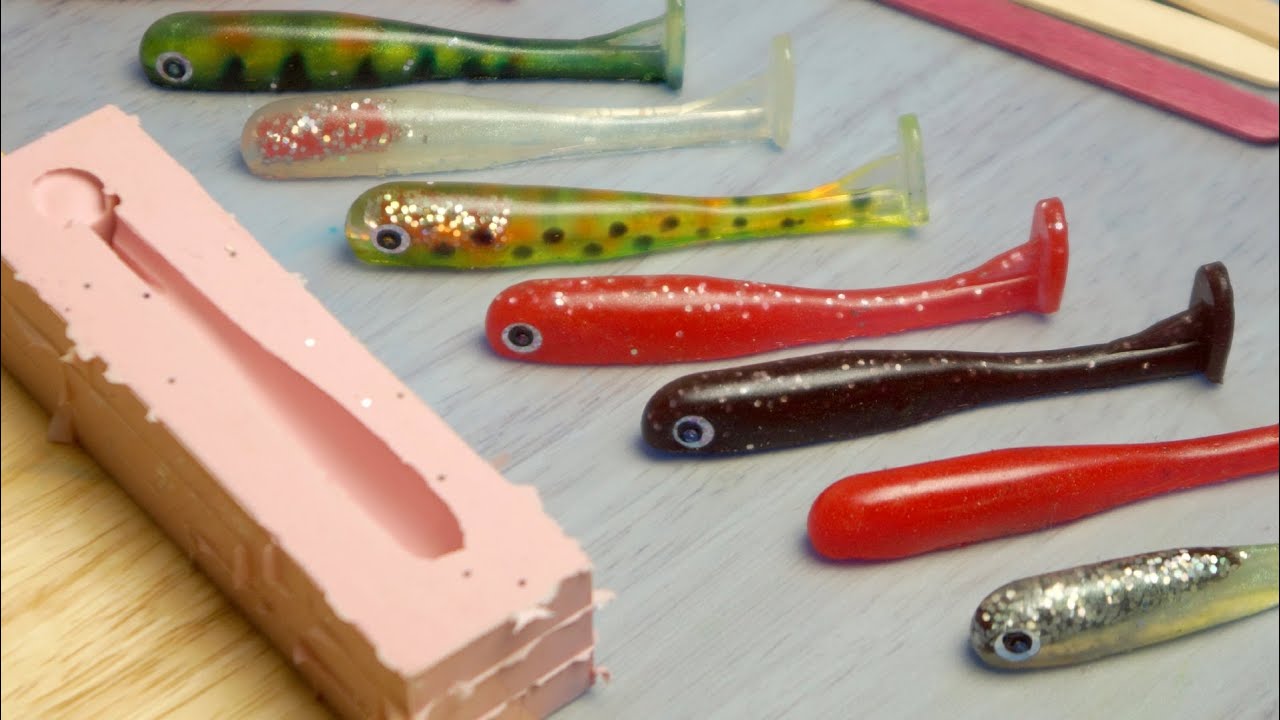
Customizing Your Lures
One of the joys of making your own lures is customization. Here are ways to go beyond the basics:
- Color layering: Pour one color, let it set halfway, then pour another for two-tone effects.
- Floating additives: Mix in microbubbles to make lures float for topwater fishing.
- Salt or scent: Add salt for weight and taste, or scents to attract fish.
- Glitter and flakes: Try different sizes and colors for added flash.
Credit: www.youtube.com
Common Mistakes And How To Avoid Them
Many beginners run into a few typical problems. Here’s how to solve them:
1. Bubbles in silicone or plastic
Mix slowly and pour from a height to minimize air bubbles. Tapping the mold also helps bubbles rise and escape.
2. Mold halves don’t align
Always use alignment keys when making the mold. Take your time positioning the prototype and clay.
3. Silicone sticks to the prototype
Never skip the release agent. If you do, your lure might be stuck forever.
4. Lures stick in the mold
If the inside of your mold is too rough or dirty, clean it and use a light dusting of powder.
5. Overheating plastic
Heat slowly and watch the color. Burnt plastic smells bad and can damage your mold.
Advanced Techniques
For those ready to take the next step, try these methods:
- Master carving: Instead of copying a store-bought lure, carve your own master from wood or hard clay. This gives you total control over design.
- Mold venting: Add small channels at the tips of tails or fins to help plastic fill every part. This is crucial for detailed lures.
- Multiple cavities: Make larger molds with two or three cavities to speed up production.
Comparing Mold Materials
Not sure which mold material to use? Here’s how common options stack up:
| Material | Cost | Detail Quality | Durability | Reusable? |
|---|---|---|---|---|
| Silicone Rubber | High | Excellent | Very High | Yes |
| Plaster of Paris | Low | Good | Low | No |
| Resin | Medium | Very Good | High | Yes |
Silicone rubber is the most popular choice for most anglers because it captures fine details and lasts a long time. Plaster is cheaper but breaks easily and is best for single-use molds.
Safety And Environmental Tips
Working with chemicals means you must take care. Always wear gloves and safety glasses when mixing silicone or heating plastic. Work in a place with good airflow, as fumes from hot plastics can be harmful.
Don’t pour leftover plastic down the drain. Let it cool, then throw it in the trash. Used molds can last for years, but if you need to dispose of them, check if your local recycling center accepts silicone or resin.
Insider tip: Some hobbyists use old lures and plastic scraps to make new ones, reducing waste and saving money.
Real-world Examples
Many successful anglers started by making simple worm molds before moving to more advanced shapes. For example, a popular bass lure called the “Senko” started as a homemade prototype. Today, anglers still use homemade molds to create new colors and versions that out-fish store-bought options.
Fun fact: Some of the most effective tournament-winning lures were never sold in stores—they were custom-poured in garages and kitchens.

Credit: anglingai.com
Troubleshooting: Quick Fixes For Common Problems
Even experienced lure makers face issues. Here’s a quick reference:
| Problem | Likely Cause | Solution |
|---|---|---|
| Lure has bubbles | Air trapped during pour | Pour slowly, tap mold |
| Plastic won’t fill tail | No vent in mold | Add small air vent |
| Lure sticks in mold | No release agent | Apply release agent |
| Mold breaks | Poor mold material | Use silicone rubber |
Where To Find Supplies
Most hobby stores carry basic silicone molding kits, and fishing shops now sell plastisol and coloring supplies. Online retailers offer specialized tools like injectors and custom colorants. For more technical details and sourcing, check resources like Wikipedia.
Credit: www.reddit.com
Frequently Asked Questions
How Long Do Silicone Molds Last?
With good care, silicone molds can last for hundreds of pours. Clean them after each use and avoid using sharp tools inside the mold to extend their life.
Can I Use Household Silicone Sealant To Make Molds?
Household silicone sealant is cheaper but often too sticky and doesn’t cure as evenly as molding silicone. It can work for simple shapes, but the results won’t be as clean or durable as professional silicone.
What’s The Best Way To Color Soft Plastic Lures?
Special liquid colorants made for plastisol work best. Powdered pigments can also be used, but always check that they’re safe for plastics. Mix in color before pouring for even results.
Are Homemade Lures As Effective As Store-bought Ones?
Yes—sometimes even better! Custom lures let you match the exact color, size, and softness local fish prefer. Many anglers report higher catch rates with homemade baits.
Is It Safe To Reuse Old Soft Plastic Lures?
Absolutely. Collect old or torn lures, cut them into small pieces, and melt them down to pour new ones. This saves money and reduces waste, but avoid mixing different brands as the plastic formulas can react badly.
Making soft plastic fishing lure molds is a fun, rewarding way to upgrade your fishing game. With a bit of practice and patience, you can create lures that catch more fish—and impress your fellow anglers. The process may seem complicated at first, but each step builds your skills and gives you new creative options.
Whether you want to copy a classic or invent something totally new, your next trophy fish might just come from a lure you made yourself.