
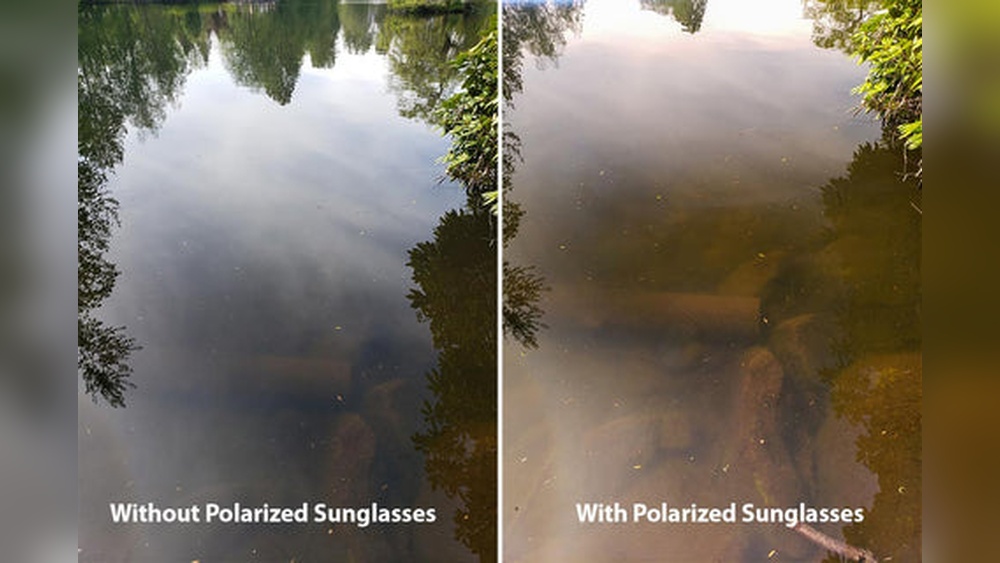
If you enjoy fishing, you know that seeing clearly can make the difference between an average day and a successful catch. The water’s surface reflects sunlight, which often creates a harsh glare. This glare doesn’t just make your eyes tired—it can hide fish and underwater structures, making it hard to fish effectively. Sunglasses are a must, but not all sunglasses are the same. Should you pick polarized or non-polarized sunglasses for fishing? Many anglers ask this question but don’t always get a clear answer. Let’s dive deep into how these sunglasses work, their pros and cons, and what you should consider before making your choice.
The Science Behind Polarized And Non-polarized Sunglasses
To understand which sunglasses are best for fishing, it helps to know how they work. Sunglasses do more than just dim the sunlight. Their design can change how you see reflections, colors, and details in your environment.
How Polarization Works
Polarized sunglasses have a special filter in their lenses. This filter blocks light that travels in a horizontal direction. Why does this matter? When sunlight hits water, roads, or other flat surfaces, it bounces back mostly in a horizontal line. This is what creates glare—a bright, sometimes blinding reflection.
With polarized lenses, this horizontal glare is blocked, while other light passes through. The result is a clearer, more comfortable view. You see more detail, especially beneath the water’s surface.
What Non-polarized Sunglasses Do
Non-polarized sunglasses simply reduce the overall brightness. They do this by darkening all the light that enters your eyes, but they do not filter out glare. You might see less light, but the bright reflections from water, sand, or cars will still be there. For some activities, this is enough. For fishing, the difference is much more noticeable.
Why Glare Matters In Fishing
If you’ve ever tried to spot a fish or a rocky patch under the water on a sunny day, you know how much glare can get in your way. Glare is not just annoying; it can hide important details. Here’s why it matters so much:
- Spotting Fish: Glare on the surface makes it hard to see into the water. Fish, weeds, and rocks become invisible.
- Judging Depth: Without glare, you can better judge how deep the water is and see changes in the bottom.
- Safety: Glare can hide obstacles, making it risky to move around or cast your line.
- Reducing Eye Strain: Constant glare makes your eyes tired, leading to headaches or poor focus.
For anglers, being able to see under the water is often the key to finding fish, reading the water, and staying safe.

Credit: allurelakestorey.com
Comparing Polarized And Non-polarized Sunglasses For Fishing
To make things clear, let’s compare these two types of sunglasses in the context of fishing. The differences go beyond just comfort.
| Feature | Polarized Sunglasses | Non-Polarized Sunglasses |
|---|---|---|
| Reduces Glare | Yes (Very Effective) | No |
| Underwater Visibility | Clearer View | Poor Visibility |
| Eye Strain | Lower | Higher |
| Color Perception | True-to-life Colors | Sometimes Distorted |
| Price | Higher | Lower |
| Use in Low Light | Sometimes Too Dark | Better |
Benefits Of Polarized Sunglasses For Fishing
Polarized sunglasses are a favorite among professional and casual anglers alike. Here’s why:
1. Improved Underwater Vision
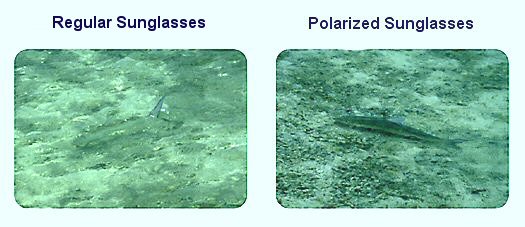
The biggest advantage is seeing through the water’s surface. With glare blocked, you can spot fish, rocks, weeds, and changes in depth. This helps you target the right spots and avoid snags.
2. Less Eye Fatigue
Long hours on the water can leave your eyes tired. Polarized lenses reduce glare and brightness, making it easier to focus for longer periods. This means you’ll be more alert and comfortable, especially during long fishing trips.
3. Better Color Contrast
Some polarized lenses enhance color contrast, making it easier to see fish or objects that blend into the environment. For example, you may spot a dark fish against a light sandy bottom much faster.
4. Greater Safety
Being able to see submerged logs, rocks, or sudden drop-offs can prevent accidents. If you’re wading, kayaking, or working near the shore, polarized sunglasses help you stay aware of your surroundings.
5. Uv Protection
Most quality polarized sunglasses also block harmful UV rays. This protects your eyes from long-term sun damage, which is important when you spend hours outside.
Credit: www.allfishingbuy.com
Downsides Of Polarized Sunglasses
No product is perfect. While polarized sunglasses offer many benefits, there are a few drawbacks to consider:
1. Higher Cost
Polarized lenses are more expensive to make. A good pair of polarized sunglasses can cost twice as much as a non-polarized pair.
2. Reduced Visibility In Low Light
On cloudy days, in early morning, or near dusk, polarized sunglasses may make it harder to see. The filter that blocks glare also cuts some useful light, which can be a problem if you fish at dawn or dusk.
3. Lcd Screen Issues
Some polarized lenses make it difficult to see digital screens—like fish finders, GPS devices, or your smartphone. The display might look rainbow-colored or even disappear at certain angles.
4. Not Always Necessary
If you fish in shaded areas, or if it’s overcast, the benefits of polarization are less obvious. In these conditions, non-polarized sunglasses might be enough.
When Non-polarized Sunglasses Make Sense
While most anglers prefer polarized sunglasses, non-polarized options still have their place. Here’s when they might work for you:
1. Cloudy Or Low-light Conditions
Non-polarized sunglasses often let in more light. On dark, cloudy days or early in the morning, they can help you see better without making your surroundings too dim.
2. Budget-friendly
If you’re just starting out, or if you tend to lose or damage sunglasses, a less expensive non-polarized pair might be a practical choice.
3. No Digital Display Issues
Non-polarized lenses don’t affect screens or displays. If you rely on electronics while fishing, this can be a small but important advantage.
4. Casual Use
For short trips, or if you don’t care about seeing into the water, non-polarized sunglasses can be enough.
Key Factors To Consider When Choosing Sunglasses For Fishing
Picking the right sunglasses is about more than just polarization. Several other factors will impact your comfort and performance on the water.
Lens Color
Lens color can change your view and performance:
- Gray: Neutral, reduces brightness without changing colors. Good for bright sunlight.
- Brown/Amber: Increases contrast and depth perception. Popular for sight fishing.
- Yellow/Gold: Great in low light or cloudy conditions, but may not block enough light on sunny days.
- Green: Balances color and contrast, helpful in mixed conditions.
- Blue Mirror: Reflects the most light, ideal for deep-sea or open-water fishing.
Lens Material
- Glass: Very clear, scratch-resistant, but heavier.
- Polycarbonate: Lightweight and shatter-resistant, but scratches more easily.
- Plastic (CR-39): Lightweight and affordable, but less durable.
Frame Design
Comfort matters. Look for:
- Wraparound styles: Block light from the sides.
- Non-slip grips: Keep sunglasses in place when you sweat.
- Ventilation: Prevents fogging on humid days.
Uv Protection
Always choose sunglasses that block 99-100% of UVA and UVB rays. Eye health is just as important as seeing clearly.
Fit
A loose or tight fit can cause headaches, pinch your nose, or fall off easily. Try them on before buying if possible.
Prescription Lenses
If you wear glasses, look for brands that offer prescription polarized lenses. This way, you don’t have to choose between clear vision and protection.
Real-world Scenarios: How Sunglasses Affect Your Fishing
To make this all more practical, let’s look at real fishing situations:
Scenario 1: Sight Fishing In Shallow Water
You’re standing in a boat or wading in a shallow river. The sun is high. Without polarized sunglasses, you see only the sky’s reflection. With them, the glare disappears and you see fish moving below the surface. You can cast more accurately and catch more fish.
Scenario 2: Open-water Fishing
You’re on a lake or at sea. The sun reflects off the water all day. Non-polarized sunglasses cut the brightness but leave you squinting and missing details. Polarized sunglasses let you relax and scan the water for signs of fish—like swirls or baitfish.
Scenario 3: Fishing At Dawn Or Dusk
The light is dim. Polarized lenses may make it harder to see, especially in heavy shade. In this case, a pair of non-polarized or light-colored polarized lenses could help you spot your line and lure.
Scenario 4: Using Electronics
You glance at your fish finder. With polarized sunglasses, the screen looks odd or dark. You may need to tilt your head or remove the glasses to read it. Non-polarized sunglasses have no such issue.
Common Beginner Mistakes When Choosing Fishing Sunglasses
Many anglers make simple mistakes when choosing sunglasses. Avoid these to get the best value and performance:
- Ignoring UV Protection: Not all sunglasses protect your eyes from UV rays. Check the label before buying.
- Choosing Fashion Over Function: Stylish frames may look good but can let in too much light or fall off easily.
- Buying Too Dark Lenses: Very dark lenses can make it hard to see in early morning or evening.
- Forgetting About Fit: Uncomfortable sunglasses will ruin your day on the water.
- Not Trying Polarized Lenses: Many beginners think polarized sunglasses are just a marketing gimmick. The difference is dramatic—you really need to try them to see the benefit.
Real Data: Do Polarized Sunglasses Really Help Fishing Success?
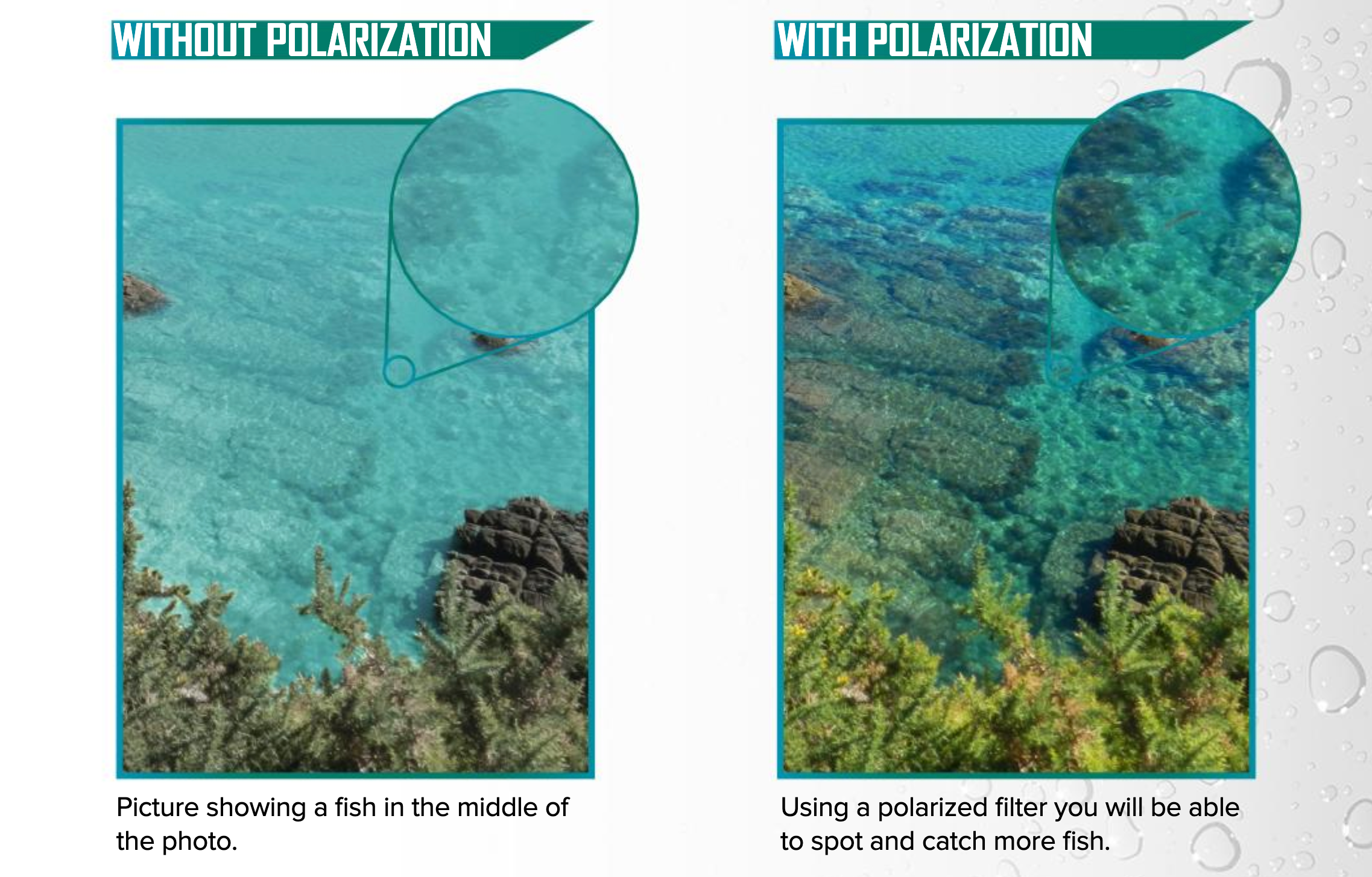
Studies and surveys support what most anglers experience. According to the American Optometric Association, polarized sunglasses reduce glare by up to 99%. In a survey of professional fishing guides, over 85% said polarized lenses helped them spot more fish and avoid hazards.
A real-world test by Field & Stream Magazine compared catch rates with and without polarized sunglasses. Anglers wearing polarized lenses caught up to 20% more fish in clear water conditions.
These results show that, while polarized sunglasses are not magic, they do offer a clear advantage, especially for serious or frequent anglers.
Credit: www.sportrx.com
Cost Comparison: Are Polarized Sunglasses Worth The Extra Money?
It’s true that polarized sunglasses cost more. But do they offer enough value to justify the price?
| Type | Average Price Range | Typical Use Life | Value for Anglers |
|---|---|---|---|
| Polarized | $50 – $250+ | 2-5 years (with care) | High (if fishing often or in bright conditions) |
| Non-Polarized | $10 – $60 | 1-3 years | Low to moderate (occasional fishing or low glare) |
For frequent anglers, the higher initial cost of polarized sunglasses is usually offset by better performance and durability. For occasional use, non-polarized may be enough.
Practical Tips For Buying Fishing Sunglasses
- Test Before You Buy: If possible, try looking at water with and without polarization. The difference is obvious.
- Choose the Right Color: Pick a lens tint that matches the conditions you fish in most often.
- Check for Authenticity: Cheap “polarized” sunglasses may not actually have a true polarized filter. Buy from trusted brands or retailers.
- Don’t Ignore Comfort: You’ll wear these sunglasses for hours. Make sure the fit is good and the frames are lightweight.
- Consider a Backup Pair: Many anglers carry a cheaper non-polarized or light-tint pair for cloudy days or dawn/dusk.
Polarized Vs Non Polarized Sunglasses: Which Should You Choose For Fishing?
The choice depends on your budget, fishing style, and the conditions you face most often.
- Choose polarized sunglasses if: You fish in bright sun, want to see underwater, care about eye comfort, or fish in clear or shallow water.
- Consider non-polarized sunglasses if: You fish rarely, only go out in low light, have a small budget, or rely heavily on digital displays.
Most experienced anglers agree: polarized sunglasses give a noticeable advantage. If you take fishing seriously, they are usually worth the extra money.
Frequently Asked Questions
What Makes Polarized Sunglasses Better For Fishing?
Polarized sunglasses block glare from the water’s surface. This lets you see fish, rocks, and other underwater features. You can fish more effectively and with less eye strain.
Are There Situations Where Non-polarized Sunglasses Are Better?
Yes. On dark, cloudy days, or at dawn and dusk, non-polarized sunglasses let in more light. They also work better with electronic screens, which can look odd through polarized lenses.
How Can I Tell If Sunglasses Are Really Polarized?
A simple test is to hold the sunglasses in front of a computer or phone screen. Rotate them slowly. If the lenses darken or the screen changes color, they are polarized. You can also check the product label for “polarized” or ask the seller.
Do Polarized Sunglasses Protect My Eyes From Uv Rays?
Most quality polarized sunglasses also block UVA and UVB rays, but not all. Always check the label. UV protection is important for eye health.
Are Expensive Polarized Sunglasses Always Better?
Not always. Price doesn’t guarantee quality. Look for trusted brands and features like UV protection, comfortable fit, and lens clarity. Sometimes, mid-range options offer the best value.
Fishing is more than just casting a line—it’s about reading the water, spotting your next catch, and enjoying the experience. The right sunglasses can make all the difference. For most anglers, polarized sunglasses are a smart investment. They help you see more, fish better, and protect your eyes for years to come. If you want more details about how sunglasses work or the science of polarization, you can read more on the Wikipedia page on polarized sunglasses. Happy fishing, and may your next catch be your best yet!