
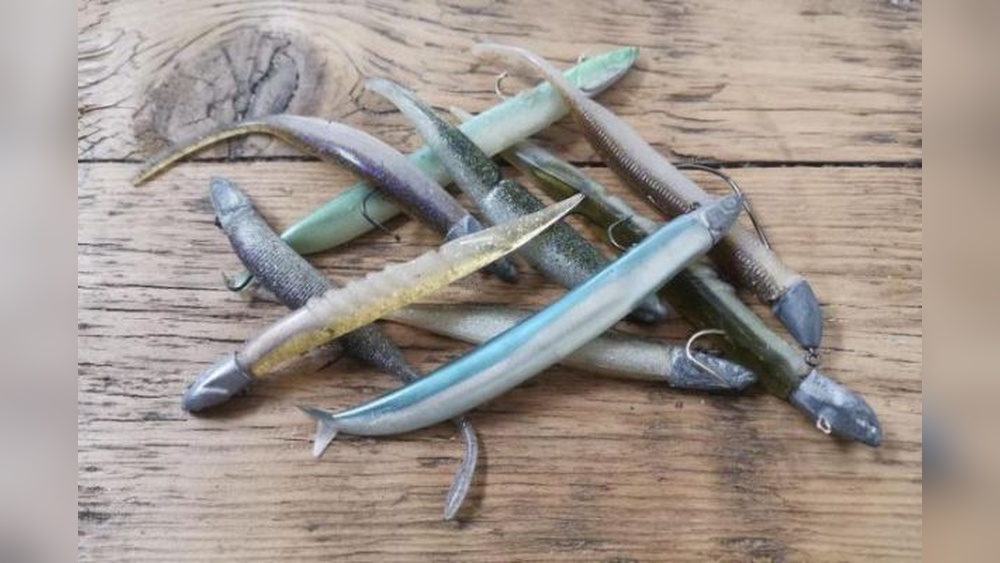
Are Slugs Good Fishing Bait
Every angler is always searching for the next secret weapon. Sometimes, the answer is right under your feet—literally. Slugs are common in gardens and forests, but have you ever wondered if they could help you catch more fish? This article explores the idea of using slugs as fishing bait. We’ll look at which fish like them, compare them to other baits, explain how to use them, and discuss their pros and cons. By the end, you’ll know if slugs should be part of your tackle box.
What Makes Slugs Interesting As Fishing Bait
Slugs are soft-bodied creatures, closely related to snails but without a shell. They are easy to find in damp places, especially after rain. Their unique texture, smell, and movement make them stand out from traditional baits like worms or maggots.
But why would a fish want to eat a slug?
Many fish are opportunistic feeders. In the wild, fish eat a wide variety of things, including insects, small crustaceans, and sometimes even slugs. Slugs move slowly, making them easy targets. Their slimy coating gives off a scent and trail in the water, which can attract fish from a distance.
Some slugs are also quite large, making them a filling meal for bigger fish.
Using slugs as bait is not a new idea. Anglers in Europe have used them for years, especially in rural areas where they are plentiful. However, many fishermen overlook slugs, thinking they are too unusual. This might be a mistake—sometimes, an unusual bait is exactly what triggers a bite when nothing else works.
Which Fish Eat Slugs?
Not every fish is interested in slugs. It depends on the fish species, the environment, and the size of the slug. Here are some fish that are known to take slugs as bait:
- Trout: Especially wild brown trout. They often feed near the edges of streams, where slugs fall into the water.
- Chub: These fish are famous for eating almost anything. Slugs are a favorite, especially in rivers.
- Perch: While not as common, perch have been caught with slugs, especially in ponds and slow rivers.
- Carp: Carp are naturally curious. They might pick up a slug, especially if it is moving or wriggling.
- Catfish: Larger catfish, both in Europe and North America, will eat slugs if given the chance.
- Bream: In some cases, bream have been caught using smaller slugs.
Fish that tend to ignore slugs include most saltwater species, pike (which prefer live fish), and fast-swimming predators like bass. Still, if you fish in freshwater rivers or lakes, especially in areas with a lot of natural debris, slugs can be surprisingly effective.
How Slugs Compare To Other Baits
Many anglers wonder if slugs really work better than worms, maggots, or artificial lures. Let’s look at some of the differences.
| Bait Type | Attractiveness | Availability | Durability | Best Target Fish |
|---|---|---|---|---|
| Slugs | High for trout, chub | Seasonal, easy to find | Low (soft body) | Trout, chub, carp |
| Worms | Very high | Always available | Moderate | Almost all freshwater fish |
| Maggots | High | Buy at bait shops | High | Bream, perch, roach |
| Artificial lures | Varies | Always available | Very high | Predators, bass, pike |
Slugs have a unique scent and texture that can trigger bites when fish ignore other baits. However, their soft bodies make them fragile on hooks. They are not as durable as worms or artificial lures and may need to be replaced often.
Where And When To Use Slugs
Slugs work best in certain places and at certain times. Knowing when and where to use them can make a big difference.
Best Locations
- Small streams and rivers: Especially where there are overhanging trees or grassy banks. Slugs often fall into the water here, so fish expect to see them.
- Farm ponds: These areas have natural food sources, and fish may already be used to eating slugs.
- After rain: Slugs are most active after wet weather, and fish are more likely to be searching for them.
Seasonal Effectiveness
Slugs are most available in spring and early summer. This is when they are active and easy to find. In dry or cold weather, slugs hide, making them harder to use as bait. If you plan to use slugs, check your area for recent rainfall and damp conditions.
Water Conditions
Slugs work best in clear to slightly stained water. In muddy or very fast-moving water, their scent and movement may not attract fish as easily. In calm pools or slow-moving stretches, slugs can be deadly effective.

Credit: www.youtube.com
How To Collect And Store Slugs
Finding and keeping slugs is easy if you know what to do.
- Search at night or early morning: Slugs avoid the sun. Look under rocks, logs, or in damp grass.
- Use gloves: Slugs produce a sticky slime that can be hard to wash off.
- Collect in a ventilated container: A simple plastic box with small holes works well.
- Add damp leaves or moss: This keeps slugs moist and prevents them from drying out.
- Keep cool but not cold: Store your container in a shady spot. Too much heat or cold will kill the slugs.
Never store slugs in direct sunlight, airtight bags, or with salt. Salt is deadly to slugs.
A non-obvious tip: Use a few drops of water in the container, but don’t flood it. Too much water drowns slugs.
How To Hook A Slug Properly
The biggest challenge with slugs is their soft bodies. If you hook them carelessly, they fall off easily. Here’s how to do it right:
Step-by-step Guide
- Choose the right hook: Use a size 8–12 barbless or micro-barbed hook. Too big, and you’ll tear the slug. Too small, and the slug may cover the hook point.
- Thread gently: Insert the hook through the thicker end (the “head”). Slide the hook through the body, keeping the point just under the skin.
- Leave the tip exposed: Make sure the hook point is not buried. This helps with hook-ups.
- Use bait bands for large slugs: For big slugs, attach them with a small latex band instead of piercing the body. This keeps them on the hook longer.
Extra Tips
- If the slug is too soft, chill it briefly in the fridge (not freezer) before hooking. This firms the body.
- Carry spare slugs. They come off more easily than worms or maggots.
Best Fishing Techniques With Slugs
Certain techniques work better than others when fishing with slugs.
Freeline Method
This is the simplest way. Tie your hook directly to the line, add a slug, and cast upstream or into a likely spot. Let the slug drift naturally with the current. Fish expect to see slugs moving in this way.
Float Fishing
Attach a small float above your hook. Set the depth so the slug drifts just above the bottom. This keeps it in the strike zone for chub and trout.
Ledgering
For bigger slugs or deeper water, use a small weight (ledger) to hold the bait near the bottom. This method works well for carp and catfish.
Surface Fishing
On warm days, try casting a slug onto the water’s surface under overhanging trees. Trout and chub sometimes strike slugs that land with a “plop. ”
Pros And Cons Of Using Slugs As Bait
Every bait has strengths and weaknesses. Here’s what you should know about slugs.
| Pros | Cons |
|---|---|
| Natural and local bait | Fragile, easily damaged |
| Unique scent and movement | Not always available |
| Often ignored by other anglers | Messy to handle |
| Free to collect | Short shelf life |
| Can trigger bites on tough days | Not ideal for fast currents |
Real-world Examples And Data
In the UK, the River Wye is famous for chub fishing. Anglers using slugs have caught fish over 5 kg, especially in late spring. In one study from a British fishing club, members reported a 20% higher catch rate using slugs compared to worms during May and June.
In the US, some small streams in the Northeast see trout feeding on slugs after heavy rain. Local guides sometimes use slugs when fly fishing is tough. In France and Germany, rural anglers still use slugs for wild trout and find them especially effective in clear, undisturbed waters.
A less obvious insight: In areas with heavy fishing pressure, fish learn to avoid common baits. An unusual bait like a slug can catch wary fish that ignore regular worms or lures.
Are Slugs Safe And Legal To Use?
Before you collect a bucket of slugs, check your local rules. In most places, slugs are legal as bait for freshwater fishing. However, a few fisheries have strict rules about what you can use. Some protected waters ban the use of any natural baits to prevent the spread of disease or invasive species.
Slugs are not harmful to fish. They are a natural part of many freshwater ecosystems. However, be careful not to introduce slugs from one area to another, especially if you fish in different rivers or lakes. This helps prevent the spread of pests or diseases.
How To Make The Most Of Slugs As Bait
To get the best results, consider these tips:
- Use slugs when other baits are not working. Their unusual scent can trigger bites from cautious fish.
- Match the size of the slug to the fish you are targeting. For small trout, use small garden slugs. For carp or big chub, go for the biggest slugs you can find.
- Keep your tackle light. A sensitive rod and fine line help you detect bites quickly. Slugs are soft, and fish may mouth them before swallowing.
- Present the slug naturally. Avoid adding too much weight or hardware near the bait.
- Move quietly. Fishing with slugs often works best in shallow, clear water where fish are easily spooked.
A practical tip: If you fish in a group, try slugs when everyone else is using worms. You might be surprised by how many fish you catch.
Common Mistakes When Using Slugs As Bait
Even experienced anglers sometimes struggle with slugs. Here’s what to avoid:
- Hooking slugs too roughly: This destroys the bait and leaves you with nothing after a single cast.
- Using slugs in fast, deep water: They wash away quickly and are not effective.
- Leaving slugs in direct sun: They dry out and die fast.
- Burying the hook completely: This leads to missed bites, as fish can swallow the slug without getting hooked.
- Using slugs that are too big or too small: Match the slug size to your target fish.
Many beginners also forget to check the bait often. Because slugs are soft, they can come off the hook without you noticing. Always check after every cast or bite.
Credit: fishermansheadquarters.com
Environmental Impact Of Using Slugs
Slugs are a sustainable bait choice if collected responsibly. Do not take more than you need, and avoid disturbing habitats. Leave some slugs behind for local wildlife and to keep the population healthy.
Unlike imported baits, slugs do not introduce foreign species or diseases if used in the same area where you collect them. This makes them a good choice for eco-friendly anglers.
Slugs Vs. Other Unusual Baits
Some anglers experiment with other strange baits, like cheese, corn, or insects. How do slugs compare?
- Cheese: Works well for chub and carp but is not natural.
- Corn: Good for carp and bream, but rarely for trout.
- Insects: Effective but harder to collect and keep alive.
- Slugs: Natural, free, and effective for trout, chub, and sometimes carp.
Slugs have the advantage of being what fish might naturally see in their environment, especially in rivers with overhanging banks.

Credit: www.youtube.com
Preparing Slugs For Long Fishing Sessions
If you plan to fish all day, you need slugs to stay fresh. Here’s how to keep them in top shape:
- Bring a small, damp cloth or moss to keep in your bait box.
- Rinse slugs with fresh water before use, especially if they have crawled through mud or leaves.
- Keep the bait box in the shade or in a cool bag.
- Avoid overcrowding. Too many slugs in a small box will lead to stress and death.
If slugs start to dry out, sprinkle a few drops of water on them. Never use tap water with chlorine—rainwater is best.
How To Tell If Fish Are Interested In Slugs
Sometimes it’s hard to know if fish are reacting to your bait. Here are signs to watch for:
- Quick, sharp tugs on the line rather than steady pulls. Fish may be testing the slug before swallowing.
- Bites that come soon after casting, especially in shallow water.
- Fish following the bait but not taking it—try a smaller slug or lighter tackle.
If you see none of these signs after 20–30 minutes, move to a new spot or switch bait.
Using Slugs With Other Baits
For extra attraction, some anglers combine slugs with other baits. For example:
- Thread a small worm on the hook, then add a slug. The movement and scent can be irresistible.
- Dip slugs in a natural scent or attractant (like anise oil). Test first—too much scent can put fish off.
- Use a small piece of cheese or corn near the slug to attract curious fish.
Experiment to see what works best in your local waters.
Insights Beginners Miss
Many new anglers overlook two important details:
- Local adaptation: In some rivers, fish see slugs often and quickly recognize them as food. In other places, slugs may be completely new, making fish more cautious. Always observe what’s naturally falling into the water.
- Bait presentation: The way you hook and present the slug makes a big difference. Fish are less likely to take a bait that looks unnatural or is spinning in the current.
Try watching how slugs move in water before fishing with them. This helps you mimic their natural action.
Frequently Asked Questions
Do Slugs Work Better Than Worms For Fishing?
Worms are a classic bait and work for nearly all freshwater fish. Slugs can outfish worms for species like chub and wild trout, especially in rivers where slugs are a natural food source. However, worms are more durable and versatile overall.
How Do I Keep Slugs Alive For Several Hours?
Keep them in a damp, ventilated box with fresh leaves or moss. Avoid heat and direct sunlight. Check the box every hour and add moisture if needed. Do not overcrowd the container.
Can Slugs Be Used In Saltwater Fishing?
Slugs are not effective for saltwater fishing. Most marine fish do not recognize them as food. Stick to marine worms, squid, or shrimp for saltwater angling.
Are There Any Risks To Using Slugs As Bait?
If collected locally and used in the same area, there is little risk. Always check local fishing regulations first. Avoid transferring slugs between distant waters to prevent spreading pests or diseases.
Where Can I Learn More About Different Fishing Baits?
A great resource for learning about all types of fishing baits is the Wikipedia page on fishing bait. It covers natural and artificial options, their history, and best practices.
Fishing is about trying new things and learning from nature. Next time you see a slug crawling after the rain, think twice before brushing it aside. With the right approach, slugs can become your secret edge on the water.