
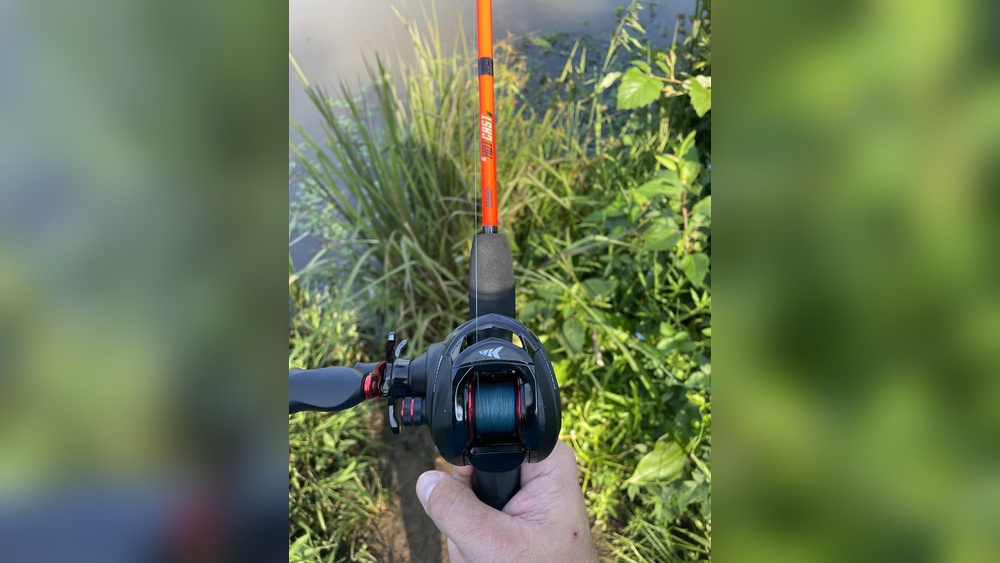
Putting a spinning reel on a baitcasting rod is one of those fishing questions that often sparks debate. Maybe you have an old rod and a new reel, or you want to experiment with your gear. Maybe you just picked up a baitcasting rod by mistake and now you’re wondering if you can make it work with your favorite spinning reel. You’re not alone—many anglers, both beginners and experienced, have considered this at some point.
Fishing gear is designed with specific uses in mind, but sometimes real life doesn’t follow those rules. If you want to combine a spinning reel with a baitcasting rod, there are important things you need to know. This article will walk you through the reasons, challenges, and consequences of mixing these two types of fishing equipment. You’ll learn what’s possible, what’s not, and what to expect if you decide to try it.
Let’s dig into the world of fishing rods and reels, and clear up the confusion about whether you can really put a spinning reel on a baitcasting rod.
Understanding Spinning Reels And Baitcasting Rods
Before you try combining them, it’s helpful to know what makes spinning reels and baitcasting rods different.
A spinning reel sits under the rod, with the handle on the side and a fixed spool that releases line in big loops. Spinning reels are famous for easy casting, handling light lines, and being user-friendly. They are ideal for beginners or when fishing with light lures.
A baitcasting rod is made for a baitcaster reel, which sits on top of the rod. These rods have smaller, closer-together guides (the loops the line passes through) and a trigger grip. Baitcasting rods are designed to give more control and power, especially when casting heavy lures or fighting big fish.
The most obvious difference is guide size and placement. Spinning rods have large guides near the reel to handle the line’s wide loops. Baitcasting rods use smaller guides because the line comes off the reel in a straight path.
This design difference is key to understanding the challenges of mixing the two.
Why Do People Want To Put A Spinning Reel On A Baitcasting Rod?
There are several reasons you might want to use a spinning reel with a baitcasting rod:
- Limited gear – You may only have a baitcasting rod but want to fish with a spinning reel.
- Cost savings – Buying a new rod can be expensive, so people often try to use what they have.
- Experimentation – Some anglers like to experiment or test different setups to see what works.
- Mismatched gifts or purchases – Sometimes you end up with a rod and reel that don’t match.
- Curiosity – You might just want to see if it’s possible or if it will give you an advantage.
While these reasons are common, it’s important to know what happens when you mix these two pieces of gear.
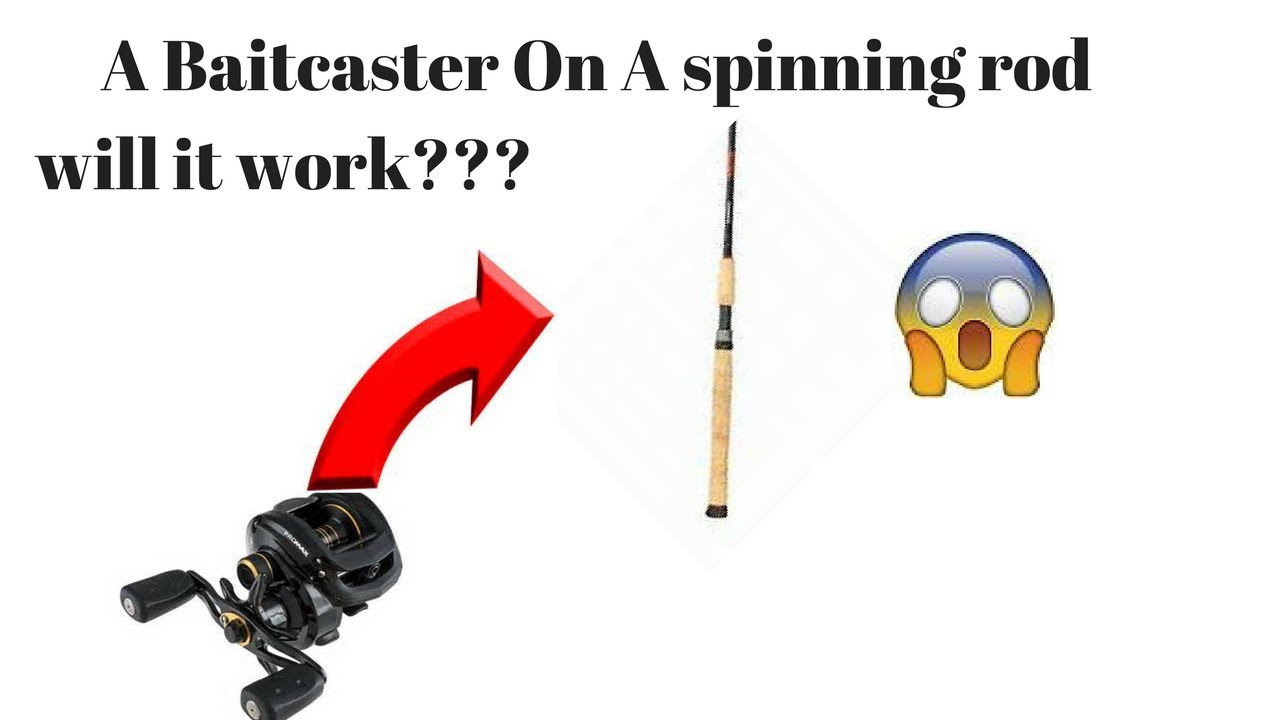
Credit: www.youtube.com
Physical Differences: Why It Matters
To understand the impact, let’s compare the physical features of spinning and baitcasting setups:
| Feature | Spinning Rod | Baitcasting Rod |
|---|---|---|
| Guide size | Large (closest to reel) | Small |
| Guide placement | Below the rod | Above the rod |
| Reel seat | Underneath | On top |
| Rod handle | Straight or slightly contoured | Trigger grip for finger control |
| Line exit direction | Downward | Upward |
The way the guides, reel seat, and handle are designed affects both performance and comfort.
What Happens When You Combine Them?
If you put a spinning reel on a baitcasting rod, you’ll run into several issues. Here’s what to expect:
1. Line Flow Problems
Spinning reels release line in large loops, but baitcasting rods have small guides made for straight, tight line. When you cast, the loops from the spinning reel hit the small guides, causing friction and even tangles. This reduces your casting distance and can lead to line slap—the line hitting the rod blank and guides.
2. Reduced Casting Distance
Because the line doesn’t flow smoothly through the smaller guides, your casts will not go as far. The energy from your cast is lost as the line bumps against the guides. Even if you use thin line, the difference is noticeable compared to a spinning rod.
3. Awkward Rod Balance
The reel seat on a baitcasting rod is on top, so if you mount a spinning reel underneath, the setup feels unbalanced and awkward. Your wrist and hand will have to work harder to keep the rod stable, leading to fatigue or even pain after a long fishing trip.
4. Reel Attachment Issues
Spinning reels are not made to sit on top of a rod. The foot of the reel may not fit securely into the seat, making the connection loose or wobbly. You risk the reel coming loose or even falling off during a fight with a fish.
5. Trigger Grip Interference
Most baitcasting rods have a trigger grip under the handle. This is meant for your finger to rest on when using a baitcaster, but with a spinning reel, the trigger gets in the way. It can dig into your palm or make it hard to hold the rod correctly.
6. Rod Strength And Action
Baitcasting rods are built for heavier lines and lures. If you use light spinning line, the rod may feel too stiff, and you’ll lose sensitivity. It’s harder to detect bites, and hooksets may be less effective. You could also risk breaking light line if the rod doesn’t flex enough.
What About Performance And Fishability?
Let’s take a closer look at how this setup works on the water.
Casting
Casting with a spinning reel on a baitcasting rod is usually frustrating. The line flow is restricted, so you’ll notice:
- Shorter casts
- More backlashes or tangles
- Less control over lure placement
Fighting Fish
The unbalanced setup makes it hard to control the rod during a fight. You might lose leverage, tire out your wrist, or miss strikes because the rod doesn’t flex as intended with your reel and line.
Comfort
Fishing is supposed to be relaxing, but an awkward grip and poor balance can quickly make the experience uncomfortable. Especially for long sessions, you’ll notice more hand and wrist fatigue.
Can It Ever Work?
With all the negatives, you might wonder if you should even try. In some situations, it’s possible to make this combination work—but only with limitations.
When It Might Be Acceptable
- Short, casual fishing trips where performance doesn’t matter
- Kids or beginners who are just learning and don’t need to cast far
- Testing gear before buying new equipment
When It’s A Bad Idea
- Serious fishing trips where you want to catch big fish
- Long fishing days where comfort matters
- Fishing tournaments or when casting distance is key
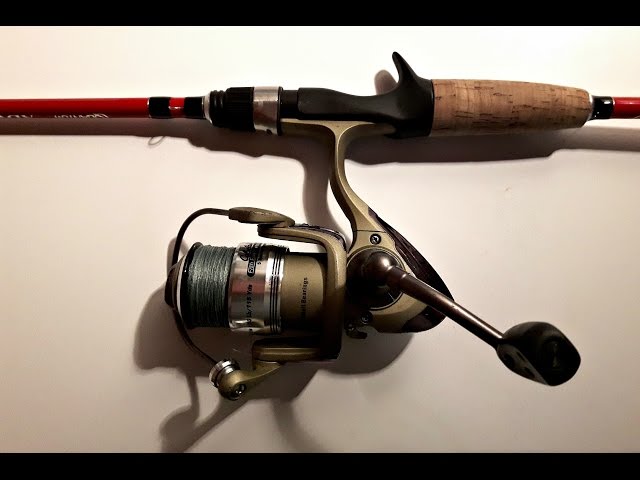
Credit: www.youtube.com
Real-world Examples
Many anglers have tried this setup, often when they’re short on gear. For example, you might be on vacation and only have access to a baitcasting rod and a spinning reel. You could catch a few small fish this way, but you’ll likely notice the problems listed above.
Some people have even modified their rods, removing the trigger grip, but this can weaken the rod and void any warranty.
Is There A Better Solution?
If you want to use a spinning reel, the best option is a spinning rod. They are designed to work together, giving you:
- Smooth, long casts
- Comfortable grip
- Better sensitivity
- Fewer tangles
If you only have a baitcasting rod, it’s better to wait until you can use the right gear. Mixing and matching usually leads to more frustration than fun.
Comparing Rod And Reel Combinations
Here’s a quick comparison of the main rod and reel setups:
| Rod Type | Reel Type | Performance | Best Use |
|---|---|---|---|
| Spinning rod | Spinning reel | Excellent | Light tackle, long casting, beginners |
| Baitcasting rod | Baitcasting reel | Excellent | Heavy lures, precision, experienced anglers |
| Baitcasting rod | Spinning reel | Poor | Emergency use only |
| Spinning rod | Baitcasting reel | Poor | Not recommended |
As you can see, using the right rod and reel combination is the best choice for performance and enjoyment.
Common Mistakes And What To Avoid
If you still want to experiment, here are some common mistakes and how to avoid them:
- Forcing the reel seat – Don’t try to jam a spinning reel into a baitcaster seat. It may damage both pieces of gear.
- Ignoring comfort – If the setup feels bad in your hand, don’t use it for long trips.
- Using heavy line – Don’t use heavy line just because the rod is stiff. Spinning reels work best with lighter line.
- Removing the trigger grip – This can break the rod or void the warranty.
- Expecting top performance – Lower your expectations; this is not a high-performance setup.

Credit: streetphotographersfoundation.com
Advanced Insights Most Beginners Miss
When you’re new to fishing, it’s easy to focus only on gear compatibility. But there are a couple of less obvious things that matter:
1. Rod Spine Orientation: Every fishing rod has a spine, a side that bends more easily. Rods are built so that the guides are placed on a specific side for best action and strength. If you put a spinning reel on a baitcasting rod, the force from the line pulls against the wrong side, which can weaken the rod over time or change how it bends. This is a detail that many beginners (and even some experienced anglers) miss.
2. Sensitivity Loss: Baitcasting rods are less sensitive to light bites when used with spinning reels. The guide placement and rod action work against the natural line movement from a spinning reel, making it harder to feel what’s happening under the water.
The Science: Why The Match Matters
There’s actual physics involved in rod and reel design. The larger guides of spinning rods let the coiled line from a spinning reel unfurl smoothly, helping you cast farther and with more accuracy. Baitcasting rods, with their smaller guides, are built for the controlled, straight line path of a baitcasting reel.
This difference not only affects performance, but also the life of your equipment. Constant friction can wear out your line and guides faster, leading to unexpected failures at the worst moments.
Alternatives To Mixing Gear
If you want to save money or use your gear in multiple ways, try these options instead:
- Buy a universal rod that supports both spinning and baitcasting reels (rare, but they exist for travel or kids’ rods)
- Borrow or rent the right rod for your reel if possible
- Shop for used rods online or at local tackle shops to find affordable options
- Ask friends or local fishing clubs for extra gear
These alternatives offer much better performance and comfort than forcing mismatched equipment together.
When You Might Get Away With It
There are situations where using a spinning reel on a baitcasting rod might not ruin your day:
- Pond or dock fishing for small fish, where casting distance isn’t important
- Teaching children where you want to avoid investing in new gear for a quick lesson
- Emergency situations when your main rod breaks and you want to keep fishing
Even in these cases, keep expectations low.
What About The Reverse—baitcasting Reel On A Spinning Rod?
This is also a common question. The answer is similar: it’s not recommended. The rod action, guide placement, and handle design are all wrong for a baitcasting reel. You’ll run into many of the same problems, just in reverse. If you want more details, you can read about it on reputable fishing sites like Wikipedia.
Is It Ever Safe For Your Gear?
While you might not break your rod or reel right away, repeated use of a spinning reel on a baitcasting rod increases the chance of:
- Guide damage (from line slap)
- Reel seat wear and tear
- Rod spine weakening
- Premature line breakage
If you value your gear, it’s best to keep each piece for its intended use.
How To Tell If You’re Using The Wrong Combo
Sometimes, you inherit gear or buy used equipment and are not sure what you have. Here are signs you’re using the wrong combination:
- The reel feels loose or wobbly on the rod
- The guides are small and on top, but you have a spinning reel under the rod
- Your hand position feels awkward, and the trigger grip is in the way
- Casting feels short, rough, or unpredictable
If you notice these signs, it’s time to double-check your setup.
Final Thoughts: Should You Try It?
The short answer: You can physically put a spinning reel on a baitcasting rod, but you probably shouldn’t for regular fishing. The performance, comfort, and durability of your gear will suffer. If you’re desperate or just having fun, it’s not dangerous in the short term, but don’t expect great results.
For the best fishing experience, use the right rod for your reel. You’ll cast farther, fish longer, and enjoy the sport much more.
Frequently Asked Questions
Can I Use A Spinning Reel On A Baitcasting Rod For Saltwater Fishing?
It’s not recommended. Saltwater fishing often requires longer casts and heavier lines, which makes the mismatch even more problematic. The extra stress on your gear can lead to faster wear or even breakage in salty, harsh conditions.
Will Using A Spinning Reel On A Baitcasting Rod Void My Warranty?
Most rod manufacturers design their warranties for normal use. Using gear outside its intended purpose—like mixing a spinning reel with a baitcasting rod—can void the warranty. Always check your rod’s paperwork or contact the company before experimenting.
Is There An Adapter To Make Spinning Reels Fit Baitcasting Rods?
No, there are no reliable adapters for this purpose. The difference is in the rod’s design, not just the reel seat. Even if you could attach the reel securely, the performance issues would remain.
Can I Modify A Baitcasting Rod To Work Better With A Spinning Reel?
Some anglers try to remove the trigger grip or adjust the guides, but this is risky and often damages the rod. It’s better to use the right rod or buy a universal/travel rod if you want more flexibility.
What’s The Worst That Can Happen If I Use This Combination?
You could damage your rod, wear out your line, or lose fish due to poor casting and control. In rare cases, the reel could detach from the rod and fall into the water. For most anglers, it’s not worth the risk.
Fishing should be enjoyable and smooth. Using compatible gear helps you get the most out of every trip. If you have a spinning reel, pair it with a spinning rod for the best results.