
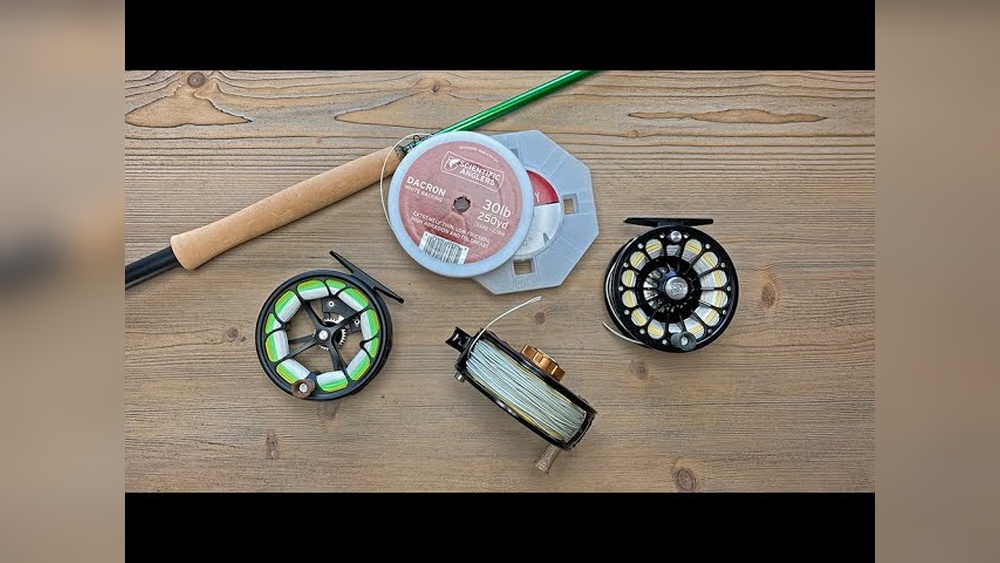
Spooling a fly reel is one of those tasks every angler faces, yet many approach it with uncertainty. You might have a brand new fly reel in your hands, or maybe you are replacing old line. Either way, understanding how to properly spool a fly reel is crucial if you want smooth casting, tangle-free fishing, and longer-lasting gear.
Many beginners think it’s just about winding line onto the spool, but there are several steps and details that make all the difference. Mistakes here can lead to frustration on the water, tangled lines, or even lost fish. In this article, you will learn every step, from choosing the right line to finishing with a perfect knot.
Whether you are new to fly fishing or looking to improve your setup, this guide will make sure you get it right the first time.
Understanding Fly Reel Setup
Before you start spooling, it helps to know what a fly reel does and why the setup matters. The fly reel is more than just a place to hold your line—it controls drag, balances your rod, and manages line retrieval during the fight with a fish.
Spooling your reel properly prevents tangles and ensures the line flows smoothly.
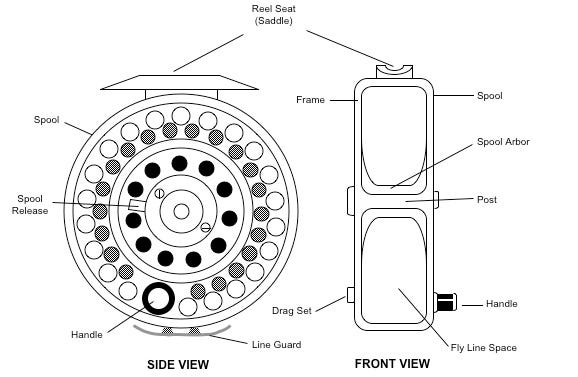
Key Parts Of A Fly Reel
- Spool: The part that holds the line.
- Arbor: The center core of the spool. Large arbor reels reduce line memory and help with faster line retrieval.
- Drag system: Controls how much resistance a fish feels when pulling line.
- Handle: Used to wind the line back in.
Types Of Fly Line
You will need to understand the three main types of line involved:
- Backing: A thin, strong line that fills the spool and provides extra length if a fish runs far.
- Fly line: The main, thicker, colored line for casting.
- Leader and tippet: Clear sections attached to the fly line, connecting to your fly.
Knowing these parts helps you avoid common mistakes, like skipping backing or using the wrong size line.
Choosing The Right Line And Backing
Your success starts with choosing the proper line and backing for your reel and fishing style.
Backing
Backing is usually made from braided Dacron or similar materials. It’s strong and has little stretch. The amount depends on your reel size and target species.
- Typical backing strength: 20-30 lb test for trout, 30 lb or more for large species.
- How much to use: Most trout reels take 50-100 yards; saltwater reels may need 200+ yards.
Fly Line
Fly line comes in various weights, types (floating, sinking), and tapers. Match the line weight to your rod and reel for best performance. For example, if your rod is labeled as a 5-weight, use 5-weight fly line.
Leader And Tippet
You will attach a leader (usually 7-12 feet of clear monofilament or fluorocarbon) to the end of your fly line, and then a tippet to the leader for stealthy presentations.
Common Mistake
Many beginners buy the wrong size backing or line for their reel, which causes overfilling, jamming, or poor casting. Always check your reel’s capacity. Manufacturers usually print the recommended amount on the box or website.
Credit: medium.com
What You Need To Spool A Fly Reel
Having the right tools and materials makes the process smoother:
- Fly reel and rod: Mounting the reel to the rod helps maintain tension and alignment.
- Backing line: Usually sold in 100-yard spools.
- Fly line: Choose the type and weight for your fishing.
- Leader: Clear monofilament or fluorocarbon.
- Scissors or line clippers: For cutting line.
- Knot-tying tool (optional): Makes knots easier, especially for beginners.
- Pencil or dowel: For holding the fly line spool.
- Towel or glove: To protect your fingers from friction.
Pro tip: Spooling with a friend is easier, but you can do it alone with a little setup.
Step-by-step: How To Spool A Fly Reel
Let’s break down the entire process. Taking your time with each step ensures you won’t have to redo your work later.
1. Attach The Reel To The Rod
First, mount the fly reel to the rod. This keeps everything stable and aligns the spool, so the line goes on evenly. Skipping this step often leads to uneven spooling and tangles.
2. Identify The Retrieve Direction
Most reels can be set for left-hand or right-hand retrieve. Choose your preference before adding line. To switch, you may need to flip the bearing or gear inside the reel. Consult your reel’s manual if unsure.
3. Thread The Backing
Take the backing line and thread it through the rod guides, starting from the tip and working down to the reel. This prevents line twist and ensures smooth winding.
4. Attach The Backing To The Spool
The most common knot for this is the Arbor Knot.
How to tie an Arbor Knot:
- Wrap the backing around the arbor (center core) of the spool.
- Tie an overhand knot around the standing line.
- Tie a second overhand knot at the tag end.
- Pull tight so the knots jam against the spool.
Make sure the knots are snug. Trim the excess tag end.
5. Wind The Backing Onto The Reel
Hold the backing under gentle tension (use a towel or glove to protect your hand). Wind the line evenly across the spool, making sure it doesn’t pile up on one side. The goal is a smooth, level base for your fly line.
How Much Backing?
Stop winding when you have enough space for your fly line. Most manufacturers recommend leaving about 1/8 inch between the line and the spool rim when fully loaded.
6. Attach The Fly Line To The Backing
The Albright Knot is a strong, reliable way to join the two lines.
How to tie an Albright Knot:
- Make a loop in the fly line.
- Pass the backing through the loop.
- Wrap the backing around the fly line and itself 8-10 times.
- Pass the tag end back through the loop.
- Moisten and pull tight.
Trim the tag end close to the knot.
7. Wind The Fly Line Onto The Reel
Keep tension on the fly line spool to prevent loose coils, which cause tangles. A pencil or dowel through the spool helps. Have a friend hold the spool or use your feet to keep it steady.
Important: Fly line has a front and back. The end with the label or factory loop usually goes toward the leader; the other attaches to the backing. Double-check before spooling.
Wind the line onto the reel, again keeping it level and under gentle tension. Stop before you reach the spool edge—remember, leave room for the leader.
8. Attach The Leader
Most fly lines have a welded loop at the tip. If not, tie a nail knot or use a loop-to-loop connection.
How to attach with loop-to-loop:
- Pass the leader loop through the fly line loop.
- Pass the leader butt (thick end) through its own loop.
- Pull tight.
This connection is strong and lets you change leaders easily.
9. Add Tippet (optional)
If your leader is thick or short, add a tippet section using a surgeon’s knot or blood knot. This step is not always needed, but helps when fishing small flies or wary fish.
10. Inspect And Test Your Setup
Pull on the line to check for secure knots and smooth flow. Spin the reel to ensure the line is evenly distributed and not rubbing the frame.
Insight
Many anglers miss that improper tension during winding can cause line memory—tight coils that make casting difficult. Keeping steady tension and using a large arbor reel reduces this problem.
Common Mistakes And How To Avoid Them
Even experienced anglers make errors when spooling a fly reel. Here are the most frequent mistakes, and how to prevent them:
- Overfilling the spool: Leads to tangles and jams. Always leave a gap near the rim.
- Underfilling: Reduces casting distance and makes line retrieval slow.
- Wrong direction: Spooling backward makes the drag system work incorrectly.
- Loose knots: Lines can slip off under pressure. Always tighten and test knots.
- Skipping backing: Causes line to slip and means less line available for long runs.
- No tension: Loose, uneven line leads to bird’s nests and tangles.
- Not checking reel retrieve: Left vs. right hand matters. Switch before adding line.
A quick check at each stage saves time and headaches later.
Spooling For Different Fishing Situations
Not every fishing trip is the same. The way you spool your reel can change depending on your target fish and environment.
Trout Fishing
Most trout anglers use 20 lb backing and a floating fly line. They rarely need more than 100 yards of backing because trout seldom make long runs. Use a tapered leader for delicate presentations.
Saltwater Fly Fishing
Saltwater species like bonefish or tarpon can take hundreds of yards of line. Use 30-50 lb backing and a reel with a large arbor. Always rinse your reel after saltwater use to prevent corrosion.
Spey Or Switch Casting
Two-handed rods and specialty lines (like Skagit or Scandi heads) may require thicker running lines and more backing. Always check your line and reel compatibility.
Warmwater And Bass
Bass anglers often use heavier fly lines (7-9 weight) and shorter, stronger leaders. Backing is less critical but still helpful for large fish.
Maintenance Tips For Your Spool And Line
A well-spooled reel lasts longer and performs better. Here’s how to keep it in top shape:
- Clean after use: Rinse in fresh water, especially after saltwater fishing.
- Dry thoroughly: Prevents corrosion and mold.
- Check knots: Inspect all connections for wear or damage.
- Replace old line: Fly lines degrade with time. Change every 1-2 seasons for best results.
- Store loosely: Avoid tight coils when storing for the off-season.
Pro Insight
If you fish often, consider a line winder tool. It makes tension and even winding much easier, especially if you change lines frequently.
Comparing Fly Line Types And Their Best Use
Choosing the right fly line is as important as spooling it correctly. Here’s a quick comparison to help you match your setup to your fishing style:
| Line Type | Best For | Pros | Cons |
|---|---|---|---|
| Floating Line | Dry flies, beginners | Easy to cast, versatile | Not great for deep water |
| Sinking Line | Deep lakes, big fish | Reaches depth, fast sinking | Harder to cast, not for topwater |
| Sinking Tip | Streamers, variable depth | Versatile, good control | Can hinge during casting |
Matching your line to your fishing situation helps you get the most out of your gear.
How Reel Size And Arbor Affect Spooling
The size and shape of your reel matter more than most beginners realize. Here’s a comparison:
| Reel Type | Backing Capacity | Retrieval Speed | Line Memory |
|---|---|---|---|
| Standard Arbor | Low | Slow | High |
| Mid-Arbor | Medium | Medium | Medium |
| Large Arbor | High | Fast | Low |
Large arbor reels are now popular because they reduce line memory and make line retrieval much quicker. For most modern fly fishing, they are the best choice.
Knots You Should Know For Spooling A Fly Reel
Knots are the foundation of a solid fly reel setup. Here are the main knots used during spooling:
Arbor Knot
- For attaching backing to the spool.
- Simple and secure.
Albright Knot
- For joining backing to fly line.
- Handles different line diameters.
Nail Knot
- For attaching leader to fly line if no loop.
- Smooth, passes easily through guides.
Loop-to-loop
- For connecting fly line to leader with welded loops.
- Fast and easy to change leaders.
Practicing these knots before spooling makes the process faster and more reliable.

Credit: www.reddit.com
Advanced Tips For Perfect Spooling
Once you have the basics, a few extra tips can set you apart:
- Soak fly line in warm water for a few minutes before spooling. This relaxes coils and helps the line lay flat.
- Mark the end of your backing with a permanent marker before you start. This helps you spot when a fish is deep into your backing.
- Check for twist as you spool. If the line starts to twist, let it hang loose and untwist before continuing.
- Use a drag scale to test your knots and drag system before fishing.
- Document your setup: Write down how much backing and what line you used. This helps when replacing line or troubleshooting problems.
Many anglers overlook these steps, but they make a real difference in performance and reliability.
When To Replace Your Fly Line
Fly lines don’t last forever. Even with perfect spooling, they wear out due to UV light, dirt, and repeated casting. Signs you need to change your line include:
- Cracks or splits in the coating
- Loss of flexibility
- Reduced casting distance
- Line sinks when it should float
Most lines last 1-3 years, but frequent anglers may need to replace them sooner.
According to Orvis, proper cleaning and storage can double the life of your fly line.

Credit: www.youtube.com
Frequently Asked Questions
What Is The Purpose Of Backing On A Fly Reel?
Backing fills out the spool and provides extra line in case a fish makes a long run. It also helps your fly line wind evenly and prevents slippage on the spool.
Can I Spool A Fly Reel By Myself?
Yes, you can. It’s easier with two people, but you can use a pencil or dowel to hold the fly line spool and keep tension with your feet or a heavy book.
How Do I Know If I Have Too Much Or Too Little Line On My Reel?
Leave about 1/8 inch of space between the line and the rim when the reel is fully loaded. Too much line causes tangles; too little reduces casting distance and retrieval speed.
Which Knots Are Best For Attaching Backing To Fly Line?
The Albright Knot is popular for joining backing to fly line. The nail knot can also be used, especially for a smooth connection through rod guides.
How Often Should I Replace My Fly Line?
Replace your fly line every 1-3 years, depending on usage and condition. Signs of wear include cracks, stiffness, or reduced performance.
Spooling a fly reel may seem complicated at first, but with the right steps and attention to detail, you’ll enjoy better casting, fewer tangles, and more success on the water. Take your time, follow these guidelines, and your fly fishing experience will be much smoother and more enjoyable.